Introduction
In recent years, the global demand for body contouring and aesthetic procedures has experienced a significant shift. More individuals are exploring the possibilities of modern cosmetic surgery to address localized, stubborn fat deposits that do not respond to traditional diet and exercise. This growing interest is driven by a desire for enhanced physical comfort, clothing fit, and body proportion. However, as the popularity of these procedures rises, the discussion surrounding them must move beyond simple aesthetic desires. It should focus heavily on clinical safety, medical accreditation, and patient education.
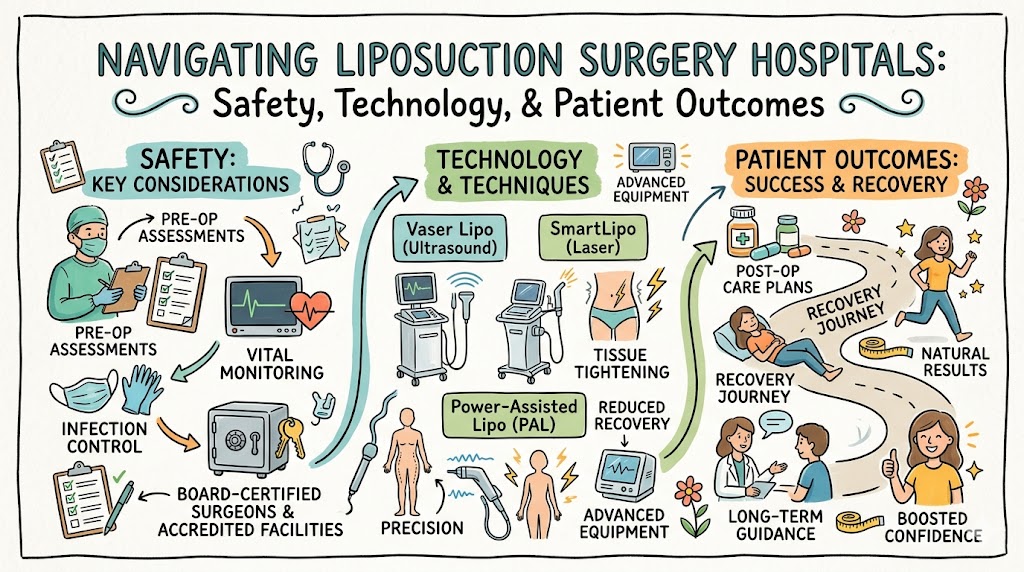
Engaging in any surgical intervention requires a deep understanding of the medical environment. Liposuction is not a weight-loss treatment or a cure for obesity; rather, it is a surgical procedure designed to reshape specific areas of the body. Because it involves anesthesia, fluid balance management, and surgical incisions, prioritizing safe and certified liposuction surgery hospitals is paramount. The right medical setting ensures that patient well-being is never compromised for an aesthetic goal.
Choosing an accredited cosmetic surgery center over an unverified clinic can fundamentally alter a patient’s medical journey. Dedicated plastic surgery hospitals are built around rigorous clinical standards, maintaining advanced sterile fields and employing highly specialized medical teams. These institutions view body contouring treatment as a serious medical discipline, ensuring that every protocol—from the initial consultation to the final follow-up—is executed with absolute precision.
Navigating the landscape of modern aesthetic medicine requires access to reliable, verified information. This is where platforms like BestCosmeticHospitals serve as a vital educational resource. By helping patient families research certified institutions, evaluate the credentials of plastic surgery hospitals, and understand the technical details of various body sculpting procedures, such platforms empower individuals to make well-informed, safety-first healthcare decisions.
Consider a realistic patient scenario: An individual spends years achieving a stable, healthy weight through consistent nutrition and exercise, yet a persistent pocket of localized fat on the abdomen remains due to genetic factors. If they visit an unaccredited facility focused solely on high patient volume, they might face rushed pre-operative evaluations and inadequate safety monitoring. In contrast, choosing an established hospital ensures a thorough assessment of their health history, a customized surgical plan, and a dedicated team managing their recovery. This guide explores how leading hospitals for liposuction procedures operate to provide safe, realistic, and highly professional care.
What Are Leading Liposuction Hospitals?
Leading hospitals for liposuction procedures are specialized healthcare institutions or dedicated departments within major medical systems that meet the highest international standards of surgical excellence. These facilities are specifically equipped to perform advanced fat removal surgery and comprehensive body contouring treatment within a highly controlled, medically secure environment.
Definition of Cosmetic Surgery Hospitals
Unlike small, independent outpatient suites that may lack comprehensive emergency backup systems, established cosmetic surgery hospitals are fully integrated medical centers. They are subject to strict regulatory oversight, regular safety audits, and rigorous accreditation processes. These institutions are designed to handle everything from minor aesthetic treatments to high-volume, multi-area body sculpting procedures, ensuring that patient safety remains the foundational benchmark across all operations.
Role in Fat Removal and Body Contouring
The primary objective of these leading hospitals is to provide precise, anatomically sound fat removal surgery. Rather than viewing the procedure as an isolated event, these centers treat it as an integrated medical process. They emphasize structural balance, skin elasticity preservation, and tissue health, ensuring that the removal of deep fatty layers is executed evenly to maintain natural body proportions and healthy vascular function.
Plastic Surgeons and Surgical Teams
The medical staff within these premier hospitals is composed of highly qualified professionals who have undergone years of specialized residency and fellowship training:
- Board-Certified Plastic Surgeons: Specialists who possess deep knowledge of human anatomy, surgical techniques, and structural aesthetics.
- Aesthetic Fellowship Physicians: Surgeons who have completed advanced training focused exclusively on modern body contouring treatment.
- Surgical Assistants and Nurses: Certified professionals trained specifically in plastic surgery workflows, wound care, and sterile field maintenance.
- Dedicated Cardiac Nurses: Critical care nurses who assist in monitoring patient vitals throughout the entire operative process.
Operation Theatre and Safety Systems
The operating environments within leading plastic surgery hospitals are identical to those used for complex major surgeries. They feature positive pressure airflow systems to eliminate airborne contaminants, advanced internal backup power grids, and dedicated code-blue crash carts. Furthermore, these suites maintain an extensive inventory of emergency medications, intubation equipment, and fluid management systems, guaranteeing that any sudden physiological change can be managed instantly on-site.
Pre-Surgery Evaluation and Planning
A safe surgical outcome is determined long before the patient enters the operating room. Leading cosmetic surgery centers implement exhaustive pre-surgery evaluation protocols. Patients undergo complete blood counts, coagulation profiles, kidney and liver function tests, and electrocardiograms (ECGs). Furthermore, surgeons perform a physical assessment of skin tone, fat distribution, and underlying muscular structure to design an accurate, custom-tailored procedural map.
Post-Surgery Recovery Support
The clinical responsibility of a dedicated hospital extends well past the final suture. Leading institutions feature specialized post-surgery recovery care wings staffed by medical professionals expert in managing early post-operative healing. This support system includes continuous pain management adjustments, fluid balance monitoring, immediate wound assessment, and the precise fitting of medical compression garments to minimize swelling and support the newly contoured tissues.
Why Liposuction Hospitals Matter
When undergoing a cosmetic procedure, the setting in which the surgery takes place is just as critical as the skill of the surgeon. Choosing an accredited hospital environment provides essential structural safeguards that protect patient health.
Surgical Safety Standards
Accredited plastic surgery hospitals operate under strict safety guidelines set by national and international medical boards. These standards govern everything from the sterilization of surgical instruments to the mandatory presence of board-certified anesthesiologists. This institutional oversight ensures that every stage of your fat removal surgery is conducted with the same medical rigor applied to essential general surgeries, minimizing preventable errors.
Reduced Complication Risks
While every surgical procedure carries an inherent level of risk, leading hospitals for liposuction procedures successfully minimize these variables through strict clinical protocols. The use of advanced infection control measures, thorough pre-operative screening, and precise intra-operative fluid monitoring drastically reduces the incidence of deep tissue infections, severe hematomas, or dangerous fluid shifts that can arise in less regulated settings.
Advanced Body Sculpting Technology
Dedicated aesthetic surgery clinics invest heavily in maintaining state-of-the-art medical hardware. Rather than relying solely on older, mechanical fat extraction methods, these hospitals provide access to gentle, modern technologies that use ultrasound or laser energy to liquefy fat cells before removal. This advanced equipment allows for smoother contours while minimizing trauma to surrounding blood vessels, nerves, and connective tissues.
Skilled Cosmetic Surgeons
Top-tier hospitals maintain strict credentialing processes for their medical staff. Surgeons permitted to operate within these facilities must demonstrate consistent surgical competence, maintain active board certifications, and participate in ongoing medical education. This prevents unqualified practitioners from performing procedures beyond their scope of expertise, ensuring your care is managed by a true specialist.
Better Aesthetic Outcomes
A successful body sculpting procedure requires a deep understanding of human symmetry and tissue behavior. Experienced surgeons operating in leading hospitals combine clinical precision with artistic balance. By utilizing precise diagnostic tools and advanced surgical techniques, they can achieve smooth, symmetrical, and natural-looking contours that blend seamlessly with the patient’s existing muscular and skeletal framework.
Post-Operative Care Support
The first few days following a fat removal procedure are vital for long-term healing. Established hospitals provide patients with comprehensive post-surgery recovery care. This includes detailed guidance on managing surgical drains, identifying early signs of irregular swelling, and safely initiating light movement to encourage healthy circulation, ensuring that the body heals correctly and comfortably.
┌─────────────────────────────────────────────────────────────────────────┐
│                    HOSPITAL VS. UNACCREDITED CLINIC                     │
├─────────────────────────────────────────────────────────────────────────┤
│  Accredited Hospital Safety        │  Unaccredited Clinic Risks         │
│  ──────────────────────────        │  ─────────────────────────         │
│  • Board-Certified Anesthesia      │  • Sedation by General Staff       │
│  • Positive Pressure Clean Air     │  • Standard Procedure Rooms        │
│  • Full Emergency Backup Systems   │  • Limited Crisis Infrastructure   │
│  • Integrated Critical Care Unit   │  • No On-Site ICU Support          │
└─────────────────────────────────────────────────────────────────────────┘
Core Liposuction Procedures
Modern cosmetic surgery has evolved from a single, manual technique into a highly refined discipline offering multiple specialized fat removal modalities tailored to unique patient profiles.
+-------------------------------------------------------------------------+
│                        LIPOSUCTION MODALITIES                           │
+-------------------------------------------------------------------------+
│  [Traditional] ──► Manual cannula displacement for deep, dense fat layers│
│  [Laser]       ──► Thermal energy liquefies fat and tightens skin tissue│
│  [Vaser]       ──► Ultrasound waves selectively break apart fat cells   │
│  [Fat Transfer]──► Harvested fat is purified and repositioned for volume│
+-------------------------------------------------------------------------+
Traditional Liposuction Surgery
Traditional liposuction, also known as suction-assisted lipectomy, remains a foundational technique in body contouring. The surgeon introduces a tumescent fluid—a specialized mixture of saline, epinephrine to constrict blood vessels, and lidocaine for localized pain relief—into the target fat layer. A thin, hollow stainless-steel tube called a cannula is then inserted through small incisions. The surgeon manually moves the cannula back and forth to break up the dense fat deposits, which are then extracted using a calibrated medical vacuum system. This method is highly effective for treating larger areas of dense fat.
Laser-Assisted Liposuction
Laser-assisted liposuction utilizes a specialized, ultra-thin optical fiber inserted through a small cannula to deliver targeted thermal energy directly to the localized fat deposits. The heat generated by the laser breaks down the fat cell membranes, turning the solid fat into a smooth liquid that can be gently suctioned out with minimal physical force. An additional benefit of this approach is that the internal thermal energy stimulates underlying collagen production, which helps tighten the skin in the treated area during the weeks following surgery.
Vaser Liposuction Technique
Vaser (Vibration Amplification of Sound Energy at Resonance) liposuction represents a highly advanced form of ultrasound-assisted body sculpting procedures. This technology transmits precise acoustic waves that specifically target and loosen fat cells while leaving surrounding tissues—such as blood vessels, delicate nerves, and connective structural fibers—completely intact. Because the fat cells are selectively detached rather than torn away mechanically, patients often experience significantly less bruising, minimal blood loss, and a smoother, more comfortable early recovery period.
Body Contouring Procedures
Comprehensive body contouring treatment frequently involves treating multiple related areas of the body during a single, well-planned surgical session. For example, a surgeon may perform highly synchronized fat removal across the abdomen, flanks, and lower back to create a balanced, structurally proportional midsection. This holistic approach focuses on the overall shape and flow of the body, rather than treating individual areas in isolation.
Fat Transfer Techniques
Leading cosmetic surgery centers frequently combine fat removal with autologous fat transfer procedures. The fat cells harvested during a gentle extraction process (such as Vaser liposuction) are transferred into a specialized sterile centrifuge system. This system separates healthy, intact fat cells from broken lipids, fluid, and cellular debris. The purified fat cells are then carefully re-injected into areas of the body requiring natural volume restoration, such as hollow cheeks, deep facial lines, or the hands, providing natural-looking rejuvenation using the patient’s own tissue.
Post-Weight Loss Sculpting
Individuals who have achieved massive weight loss through lifestyle changes or bariatric surgery often face unique structural challenges, such as loose skin and stubborn, irregular fat pockets. Post-weight loss sculpting at dedicated plastic surgery hospitals addresses these complex concerns. Surgeons combine targeted fat removal surgery with surgical skin excision procedures, reshaping the underlying contours and tightening the redundant tissue envelope to reveal the patient’s true physical transformation safely.
Modern Cosmetic Surgery Systems
The administrative and clinical workflows within leading hospitals for liposuction procedures are driven by highly sophisticated technology designed to enhance surgical precision and optimize patient safety.
Digital Body Mapping Systems
Modern pre-operative preparation relies heavily on advanced digital body mapping systems. High-resolution multi-angle cameras capture the patient’s exact physical geometry, allowing specialized software to analyze fat distribution patterns and skin tension variances with extreme accuracy. This data provides the surgical team with an objective, high-definition blueprint that informs every incision and extraction path during surgery.
3D Surgical Planning Tools
Before entering the operating room, patients can visualize the structural goals of their procedure through 3D surgical planning tools. These systems process the initial body mapping data to generate an interactive, three-dimensional model of the patient’s current physique. The surgeon can then digitally simulate the planned fat removal on screen, helping to align patient expectations with realistic surgical possibilities and ensuring both parties share a clear understanding of the goals.
Minimally Invasive Surgical Methods
Modern aesthetic medicine focuses on reducing physical trauma to the body. Leading hospitals utilize specialized micro-cannulas—some measuring less than two millimeters in diameter—to perform precise fat extraction. These ultra-thin instruments require significantly smaller skin incisions, which often do not require traditional sutures to heal, resulting in minimal scarring and a much faster return to daily activities.
Advanced Anesthesia Monitoring
Whether a patient undergoes localized tumescent anesthesia, intravenous twilight sedation, or general anesthesia, safety depends on precise monitoring. Leading hospitals utilize advanced anesthesia delivery systems integrated with real-time vital sign tracking. Board-certified anesthesiologists monitor oxygen saturation levels, breath-by-breath carbon dioxide output, core body temperature, and continuous blood pressure patterns every single second of the procedure.
┌─────────────────────────────────────────────────────────────────────────┐
│                   ADVANCED INTRA-OPERATIVE MONITORING                   │
├─────────────────────────────────────────────────────────────────────────┤
│  • Capnography Arrays        ──► Continuous breath-by-breath CO2 tracking│
│  • Pulse Oximetry Sensors    ──► Instant blood oxygenation updates      │
│  • Core Thermal Regulators   ──► Active body temperature stabilization  │
│  • Hemodynamic Dashboards    ──► Real-time arterial pressure monitoring │
└─────────────────────────────────────────────────────────────────────────┘
Sterile Operation Theatre Protocols
To eliminate the risk of healthcare-associated infections, premier plastic surgery hospitals implement strict cleanroom operating standards. These surgical environments utilize High-Efficiency Particulate Air (HEPA) filtration systems that refresh the room’s air volume more than twenty times per hour. Furthermore, hospitals enforce strict multi-stage scrubbing procedures, utilize advanced vacuum-clave sterilization tracking for all instruments, and maintain completely single-use disposable surgical drapes for every patient.
Post-Surgery Recovery Tracking Systems
Following discharge, leading hospitals maintain a continuous digital connection with their patients through post-surgery recovery tracking systems. Patients or their home caregivers use secure medical applications to upload daily photos of incision sites, log drain fluid volumes, and record pain levels. This real-time data stream is monitored daily by specialized recovery nurses, allowing the clinical team to spot and treat potential healing irregularities before they become serious issues.
Technology in Cosmetic Surgery
The integration of advanced biomedical engineering into aesthetic medicine has transformed liposuction from a basic mechanical extraction into a highly precise, tissue-sparing discipline.
- Laser Fat Removal Systems: Next-generation Nd:YAG and diode laser systems deliver specific wavelengths of light energy that interact exclusively with fat cells. This targeted approach liquefies dense fat deposits cleanly while sealing microscopic blood vessels instantly, significantly reducing post-operative bleeding, minimizing early tissue swelling, and accelerating the overall healing process.
- Ultrasound-Assisted Liposuction Tools: Modern ultrasound cannulas utilize highly calibrated acoustic energy to create rapid microscopic vibrations. These sound waves gently separate fat cells from their surrounding connective tissue matrix without generating excessive heat, preserving the structural integrity of the delicate skin-supporting fibers and ensuring a smooth, uniform contour across the treated area.
- AI-Based Body Analysis: Artificial intelligence models are increasingly used during the pre-surgical consultation phase. By comparing a patient’s digital body scans against vast databases of successful clinical outcomes, these smart systems can predict how a patient’s skin is likely to contract after fat removal, helping surgeons fine-tune their approach for individuals with borderline skin elasticity.
- Smart Surgical Monitoring Systems: Modern fat extraction systems feature built-in smart sensors that provide real-time feedback to the surgeon. These intelligent devices measure resistance variations in the tissue, instantly alerting the operator if the cannula moves near denser muscular or fascial layers, providing an extra layer of structural safety throughout the procedure.
- Digital Patient Records: Integrated electronic health record platforms ensure that your complete medical history—including past anesthesia responses, minor allergies, pre-operative lab work, and current medications—is instantly accessible to every member of your care team, eliminating dangerous information gaps between your surgeon, anesthesiologist, and recovery nurses.
- Advanced Skin Tightening Technologies: To complement fat removal surgery, modern hospitals frequently utilize advanced internal radiofrequency (RF) or helium plasma devices immediately following fat extraction. Passed gently beneath the skin through the existing micro-incisions, these tools deliver controlled energy that causes the deep subdermal collagen matrix to contract instantly, providing enhanced skin tightening benefits.
Benefits of Choosing the Right Liposuction Hospital
Investing time and effort into selecting an accredited hospital for your body contouring procedure yields significant advantages for both your long-term health and your ultimate aesthetic outcome.
Safer Surgical Procedures
The primary advantage of choosing an established plastic surgery hospital is the security of uncompromised medical safety. Having access to certified sterile cleanrooms, comprehensive emergency backup infrastructure, and board-certified medical professionals means your procedure is conducted under the safest possible conditions, allowing you to focus on your recovery with peace of mind.
Better Aesthetic Outcomes
Experienced plastic surgeons working within top-tier institutions have access to advanced body sculpting procedures and technologies. This allows them to approach your procedure with high precision, removing fat smoothly and evenly to avoid the irregular contours, asymmetry, or surface indentations that can occur when surgeries are performed in less regulated environments.
Reduced Recovery Time
By utilizing modern, minimally invasive techniques—such as Vaser liposuction or laser-assisted systems—and prioritizing comprehensive post-surgery recovery care, leading hospitals minimize overall physical trauma to your body. This careful approach translates into less internal tissue bruising, manageable post-operative discomfort, and a significantly faster, more comfortable transition back to your independent daily lifestyle.
Expert Surgical Teams
Premier cosmetic surgery centers maintain high standards for their medical staff. When you choose a leading hospital, your care is managed by a synchronized team of specialists—including board-certified plastic surgeons, experienced surgical nurses, and dedicated anesthesiologists—who have performed thousands of body contouring procedures safely and successfully.
Lower Complication Risks
Through exhaustive pre-operative lab screenings, strict sterile techniques, and proactive post-operative monitoring, established plastic surgery hospitals drastically reduce the likelihood of major complications. Issues such as localized wound infections, fluid imbalances, or prolonged swelling are caught early and treated effectively before they can affect your recovery.
Personalized Body Shaping Plans
Leading hospitals do not use a standard, uniform approach to body sculpting. They recognize that every individual possesses a completely unique skeletal frame, muscular distribution, and fat accumulation pattern. Surgeons take the time to design highly customized treatment plans that respect your natural anatomy, align with your personal goals, and support your long-term physical well-being.
Risks and Realistic Expectations
A responsible approach to cosmetic surgery requires a transparent, honest examination of the healing process, potential side effects, and realistic procedural boundaries.
Swelling and Bruising After Surgery
It is absolutely vital for patients to understand that the immediate results seen in the mirror right after surgery do not represent the final outcome. The human body naturally responds to fat extraction by sending fluid to the treated area, resulting in significant localized swelling and deep tissue bruising. This swelling peaks within the first week and subsides slowly over the following months as the body heals.
Temporary Discomfort
Liposuction is an invasive surgical procedure, and patients should expect a reasonable level of post-operative discomfort. The treated areas will feel tender, sore, and stiff—frequently described as similar to the intense muscle soreness felt after an extreme physical workout. Leading hospitals manage this discomfort effectively through tailored, temporary pain management regimens.
Need for Recovery Time
Healing cannot be rushed. Patients must plan for adequate downtime away from their employment, social obligations, and domestic responsibilities. Depending on the total volume of fat removed and the number of areas treated, most individuals require anywhere from 3 to 7 days of initial rest before returning to light desk work, and a full 4 to 6 weeks before safely resuming strenuous exercise.
Possible Complications if Poorly Done
When performed in uncertified, low-regulation environments by unqualified practitioners, liposuction carries serious medical risks. These include irregular skin contours, fluid accumulations beneath the skin (seromas), long-term numbness from localized nerve irritation, deep tissue infections, and in severe cases, dangerous skin necrosis or fat embolisms that require immediate emergency intervention.
Importance of Following Medical Advice
The ultimate success of a body sculpting procedure is a shared responsibility between the surgeon and the patient. Failing to follow post-operative instructions—such as skipping medications, neglecting wound care, or failing to attend scheduled follow-up evaluations—can compromise your safety and negatively affect your aesthetic results.
Realistic Body Shaping Expectations
Liposuction is designed for body contouring and structural refinement, not for significant weight reduction. The ideal candidate is someone who is already close to their stable baseline weight but struggles with specific, localized fat pockets that do not respond to diet or exercise. The procedure alters how clothes fit and enhances natural proportions, but it cannot fundamentally change a person’s life or provide an alternative to healthy living habits.
Common Mistakes Patients Make
Understanding the frequent missteps made by cosmetic surgery seekers helps individuals approach their body contouring journey with greater safety and awareness.
- Choosing Unqualified Clinics: Many patients prioritize low cost over safety, selecting unverified outpatient clinics or non-surgical suites that lack medical accreditation, sterile operating fields, or certified plastic surgeons, which significantly increases their risk of experiencing a poor clinical outcome.
- Expecting Instant Results: Some individuals expect to see a perfectly sculpted physique the moment their dressings are removed. Failing to anticipate the natural, months-long swelling timeline can lead to unnecessary early anxiety and dissatisfaction during the normal healing process.
- Ignoring Medical Consultation: Rushing through the initial consultation without honestly disclosing your complete medical history—including past surgeries, current supplements, or smoking habits—prevents the surgical team from identifying potential health risks before surgery.
- Skipping Recovery Instructions: Removing your compression garments early, returning to heavy weightlifting too soon, or failing to keep your incision sites clean can cause fluid accumulation, wider surgical scars, or localized infections that disrupt your healing.
- Unrealistic Body Image Expectations: Approaching cosmetic surgery with the belief that a physical procedure can deliver flawless perfection or replicate another person’s anatomy can lead to emotional disappointment, as surgery can only enhance your own natural contours.
- Not Maintaining Post-Surgery Lifestyle: Assuming that liposuction provides a permanent pass against future fat accumulation is a major misconception. While the extracted fat cells are gone forever, remaining fat cells throughout the body can still expand if a patient returns to a high-calorie, sedentary lifestyle.
Best Practices After Liposuction
Achieving a safe outcome and smooth, natural contours depends heavily on the discipline and care you maintain during your post-operative healing phase.
Wearing Compression Garments
Medical compression garments are an essential part of the healing process. These specialized, form-fitting supports apply continuous, uniform pressure across the treated areas, preventing fluid from accumulating in the space where fat was removed, supporting the skin as it adapts to its new shape, and reducing early swelling. They must be worn exactly as directed by your surgeon, typically 24/7 for the first several weeks.
Following Surgeon Instructions
Every individual heals at a slightly different rate, which is why adhering to your surgeon’s customized recovery plan is vital. Take all prescribed medications exactly on schedule, care for your incision sites gently with approved cleansing solutions, attend every scheduled follow-up visit, and report any sudden changes in your symptoms to your care team immediately.
Maintaining a Healthy Diet
Support your body’s cellular repair mechanisms by eating a clean, nutrient-dense diet rich in lean proteins, fresh vegetables, fruits, and whole grains. Keep your dietary sodium intake low during the early recovery weeks, as excess salt encourages fluid retention and can prolong post-operative tissue swelling.
Staying Hydrated
Proper hydration is essential for cellular healing and efficient fluid balance. Drink plenty of clean water throughout the day to help your kidneys flush out residual medications and waste products from surgery, which helps reduce internal swelling and supports your overall energy levels.
Avoiding Strenuous Activity Early
While light, gentle walking around your home is encouraged within the first 24 hours to support healthy blood circulation and prevent deep vein clots, you must avoid strenuous activity. Refrain from heavy lifting, intense cardio, running, or twisting movements until your plastic surgeon explicitly clears you to resume these activities.
Regular Follow-Up Visits
Your relationship with your cosmetic surgery center continues throughout your recovery. Attend all scheduled follow-up evaluations so your surgeon can inspect your healing progress, remove any surgical drains or sutures safely, and provide timely advice on when you can return to your regular routines.
┌─────────────────────────────────────────────────────────────────────────┐
│                     POST-SURGERY RECOVERY TIMELINE                      │
├─────────────────────────────────────────────────────────────────────────┤
│  [ ] Days 1 - 3   : Absolute rest, continuous compression garment wear │
│  [ ] Days 4 - 7   : Light home walking, potential return to desk work   │
│  [ ] Weeks 2 - 3  : Noticeable swelling decline, gentle tissue massage   │
│  [ ] Weeks 4 - 6  : Gradual resumption of gym exercise (upon clearance) │
└─────────────────────────────────────────────────────────────────────────┘
Real-World Healthcare Use Cases
To understand how professional body contouring operates in practice, let us examine several common scenarios where accredited hospital care supports successful outcomes.
Post-Weight Loss Body Shaping
A 34-year-old individual loses forty kilograms over two years through dedicated nutrition and lifestyle adjustments. While they have achieved excellent cardiovascular health, they are left with stubborn, irregular pockets of fat around their midsection and lower back that distort their clothing fit. They visit an accredited plastic surgery hospital, where a specialist designs a customized body contouring treatment plan. The surgeon combines gentle Vaser liposuction to remove the deep fat deposits with a targeted lower body lift. Performed in a fully sterile operating room, the procedure safely contours their midsection, allowing them to enjoy the full results of their weight-loss journey.
Abdominal Fat Removal Cases
A 45-year-old professional struggles with a persistent pocket of abdominal fat that has expanded due to metabolic and genetic factors, despite maintaining a regular exercise routine. They undergo a well-planned fat removal surgery at a leading cosmetic center. The surgical team utilizes laser-assisted liposuction to break down the dense abdominal fat smoothly while stimulating subdermal collagen contraction. The patient follows their post-operative care plan diligently, wearing their compression garments as directed. Within three months, the swelling resolves completely, revealing a natural, balanced abdominal contour that matches their athletic frame.
Thigh and Arm Contouring
A patient feels self-conscious about disproportionate fat deposits on their outer thighs and upper arms, which cause physical chafing and discomfort in warm weather. They seek care at a dedicated aesthetic surgery clinic. The surgeon uses ultra-thin micro-cannulas to perform highly precise, superficial fat extraction along the natural contours of the extremities. By prioritizing symmetry and tissue health, the surgical team achieves a smooth, natural-looking reduction in volume, eliminating their physical discomfort and restoring balanced proportions.
Post-Pregnancy Body Restoration
Following her final pregnancy and a successful return to her baseline health, a mother struggles with localized changes in her sub-umbilical abdomen and flanks that do not respond to core exercises. She consults with a board-certified plastic surgeon at an accredited hospital. The specialist designs a personalized treatment plan combining focused abdominal liposuction with a conservative mini-tummy tuck to restore her abdominal wall contour. Supported by an experienced post-surgery recovery care team, she heals comfortably and safely regains her pre-pregnancy physical proportions.
Gender-Specific Body Sculpting Cases
A male patient struggles with gynecomastia—an accumulation of persistent glandular and fatty tissue across the chest area that causes significant emotional discomfort. He seeks treatment at a leading plastic surgery hospital. The surgical team performs a thorough pre-operative hormone evaluation before scheduling a combination procedure utilizing ultrasound-assisted Vaser liposuction to remove the fatty tissue smoothly, alongside a micro-incision to excise the glandular components. The precise approach results in a flat, natural chest contour, allowing him to regain his confidence.
Cosmetic Correction Procedures
An individual visits an uncertified, low-cost clinic for a rushed abdominal procedure and is left with severe surface irregularities, deep indentations, and visible contour asymmetry across their abdomen. Seeking help, they turn to a premier cosmetic surgery hospital for a corrective procedure. A senior plastic surgeon uses advanced digital body mapping to evaluate the damaged tissue layers. The specialist performs a careful revision procedure, combining superficial fat removal with fat transfer techniques to fill the deep hollows, successfully smoothing out the contour irregularities and restoring a balanced appearance safely.
Future of Cosmetic Surgery
The landscape of aesthetic medicine is evolving rapidly, driven by technological innovations that promise to make body contouring more precise, less invasive, and highly personalized.
- AI-Assisted Body Contour Planning: Future surgical consultations will utilize advanced artificial intelligence models capable of analyzing a patient’s multi-dimensional body scans against millions of successful clinical outcomes. This software will allow surgeons to simulate how deep fat layers will respond to extraction, predicting exact skin contraction patterns to help optimize surgical boundaries for every individual.
- Robotic Precision Liposuction: Next-generation operating rooms will feature highly precise, robotic-assisted cannula guidance systems controlled by expert plastic surgeons. These robotic arms will use built-in force-feedback sensors to navigate the fatty tissue layers with unmatched smoothness, entirely eliminating human hand tremors and ensuring exceptionally uniform fat extraction.
- Non-Invasive Fat Reduction Technologies: The boundaries of non-surgical body sculpting are expanding with the development of high-intensity focused ultrasound and advanced cryolipolysis systems. Future innovations will allow for the targeting and crystallization of deeper fat deposits during brief outpatient visits, providing a valuable, incision-free alternative for individuals with minor contouring goals.
- Smart Healing Monitoring Systems: Post-operative recovery care will become increasingly automated through the use of medical-grade smart wearable patches. Placed gently over the treated areas, these thin devices will continuously monitor deep tissue oxygenation, temperature changes, and early fluid accumulation patterns, sending real-time updates to the hospital’s portal to help prevent complications.
- Personalized Aesthetic Treatment Plans: The future of cosmetic surgery will move away from generic procedures toward highly customized care models. By evaluating an individual’s unique tissue density, skin elasticity, and genetic collagen production markers, surgeons will be able to select the ideal combination of energy wavelengths and extraction tools for each patient.
- Advanced Skin Tightening Innovations: Emerging internal tissue technologies will utilize cold helium plasma and advanced fractional radiofrequency energy arrays to deliver precise thermal stimulation directly beneath the skin. These systems will provide unprecedented skin-tightening benefits immediately following fat removal surgery, helping a broader range of patients achieve firm, smooth contours without the need for large skin excision incisions.
FAQs (15 Questions)
1. What is liposuction surgery?
Liposuction is a specialized cosmetic surgical procedure designed to safely remove persistent, localized deposits of fat from specific areas of the body, such as the abdomen, hips, thighs, flanks, arms, or neck. Utilizing specialized hollow tubes called cannulas and calibrated medical vacuum systems, the procedure reshapes and refines your physical proportions to create a more balanced, harmonious contour.
2. Is liposuction safe?
Yes, liposuction is an exceptionally safe procedure when it is performed by a qualified, board-certified plastic surgeon within an accredited hospital environment. Safety depends on thorough pre-operative health screenings, precise intra-operative fluid management, and strict sterile operating conditions. Choosing a certified facility with dedicated emergency infrastructure successfully minimizes the risks inherent to any surgical intervention.
3. How long is recovery after liposuction?
The recovery timeline varies based on the number of areas treated and the total volume of fat removed. Generally, most patients can return to light desk work and gentle walking within 3 to 7 days following surgery. However, localized deep tissue swelling and mild soreness will persist for several weeks. Patients must wear compression garments continuously and avoid strenuous exercise or heavy lifting for roughly 4 to 6 weeks.
4. Does fat come back after surgery?
The fat cells extracted during your procedure are removed permanently and cannot grow back. However, the remaining fat cells throughout your body can still expand if you consume excess calories or adopt a sedentary lifestyle. To preserve your surgical results and maintain your newly contoured proportions over the long term, you must commit to a stable, healthy diet and regular physical exercise.
5. Who is a good candidate for liposuction?
The ideal candidate is an adult who is within a stable range of their healthy baseline weight but struggles with localized pockets of stubborn fat that do not respond to diet or exercise. Candidates should possess good skin elasticity so the tissue contracts smoothly over the new contours, be in good overall health, and maintain realistic, healthy expectations about what a body shaping procedure can achieve.
6. Is liposuction painful?
During the actual procedure, patients feel absolutely no discomfort because the surgery is performed under general anesthesia, intravenous twilight sedation, or localized tumescent numbing. During the early recovery days, you will experience localized tenderness, stiffness, and deep soreness similar to intense muscle strain after heavy exertion. This discomfort is temporary and is managed effectively with prescribed medications.
7. Can liposuction treat obesity or help me lose weight?
No, liposuction is strictly a body contouring procedure, not a weight-loss operation or a treatment for clinical obesity. The maximum volume of fat that can be safely removed during a single surgical session is limited by medical guidelines to protect your fluid balance. The procedure is designed to refine shape, enhance symmetry, and improve proportion in individuals who are already near a stable weight.
8. What is the difference between liposuction and a tummy tuck?
Liposuction focuses exclusively on removing localized fat deposits from beneath the skin while leaving the underlying abdominal muscles and surface skin envelope intact. A tummy tuck (abdominoplasty) is a more extensive structural surgery designed to physically excise redundant, sagging skin, remove stretch marks below the navel, and surgically tighten abdominal muscles that have separated due to pregnancy or massive weight loss.
9. Will I have visible scars after fat removal surgery?
Because modern procedures utilize specialized ultra-thin micro-cannulas, the skin incisions required are exceptionally small—typically measuring between two to five millimeters in length. Plastic surgeons place these micro-incisions within natural body creases or areas easily concealed by swimwear. Over months of proper post-operative wound care, these tiny marks fade into thin lines that are barely noticeable.
10. What are compression garments, and why must I wear them?
Compression garments are medical-grade, elasticized support clothes designed to fit snugly over the treated areas of your body after surgery. They play a critical role in your recovery by applying gentle, continuous pressure that minimizes post-operative swelling, prevents fluid from accumulating beneath the skin, improves circulation, and supports your tissues as they heal into their new shape.
11. What is Vaser liposuction?
Vaser liposuction is an advanced, tissue-sparing body sculpting technique that utilizes targeted ultrasound energy waves to selectively break apart and liquefy fat cells before they are gently suctioned out. Because the ultrasound frequency specifically targets fat tissue, it leaves surrounding blood vessels, nerves, and connective fibers intact, resulting in less bruising and a more comfortable recovery.
12. How soon will I see my final results?
While you will notice an immediate improvement in your body proportions shortly after surgery, your true final results will be obscured by natural post-operative swelling. This swelling subsides gradually over the first month, and your tissues will continue to settle and firm up over the following months. Your complete, refined contours will become fully apparent between three to six months after the procedure.
13. What are the major risks of choosing an uncertified clinic?
Undergoing surgery in an uncertified clinic lacking proper regulation significantly increases your risk of complications. These include asymmetric or irregular body contours, permanent skin indentations, prolonged fluid collections (seromas), deep wound infections due to inadequate sterile fields, and severe internal tissue trauma or anesthesia complications that cannot be managed without hospital emergency infrastructure.
14. Can harvested fat be reused in other areas of the body?
Yes. Leading hospitals frequently combine fat extraction with autologous fat transfer procedures. The harvested fat cells are processed through a sterile centrifuge system to isolate healthy, intact cells. These purified cells can then be safely re-injected into areas requiring natural volume enhancement, such as the face to smooth deep lines, the hands, or other body areas requiring structural contouring.
15. How should I choose the right liposuction hospital?
You should prioritize institutions that hold recognized national or international medical accreditations and maintain fully equipped, positive-pressure operating suites with comprehensive emergency backup infrastructure. Ensure your procedure will be performed exclusively by a board-certified plastic surgeon who specializes in body contouring and that the hospital provides an integrated post-surgery recovery care plan.
Final Thoughts
Approaching the decision to undergo a body contouring procedure requires a thoughtful balance of personal goals, medical education, and high safety standards. As explored throughout this comprehensive guide, modern fat removal surgery is a sophisticated medical discipline that extends well beyond surface aesthetics. To achieve a successful, natural-looking result, every stage of the process must be conducted within a secure environment designed to protect your physical health and well-being.
Leading hospitals for liposuction procedures serve as an indispensable foundation for patient safety. By maintaining accredited sterile operating cleanrooms, employing highly qualified board-certified plastic surgeons, investing in advanced tissue-sparing technologies, and providing structured post-surgery recovery care, these institutions ensure your care is managed to the highest clinical standards. Prioritizing an accredited hospital means choosing peace of mind, knowing that your health is never compromised for an aesthetic outcome.
Always remember that the most successful cosmetic interventions are built on realistic expectations and a commitment to long-term wellness. Liposuction can refine your contours, restore physical proportions, and improve how clothing fits, but it cannot replace the foundational benefits of a healthy lifestyle. View your procedure not as a shortcut, but as a complementary milestone in your ongoing journey toward body confidence and health.
As the field of aesthetic medicine continues to innovate—introducing advanced 3D surgical planning, precise ultrasound-assisted tools, and modern skin-tightening systems—the safety and predictability of body contouring continue to reach new heights. By partnering with certified medical centers, participating openly in your pre-operative consultations, and maintaining careful discipline throughout your recovery, you can navigate your body contouring journey with confidence and achieve lasting, health-first results.