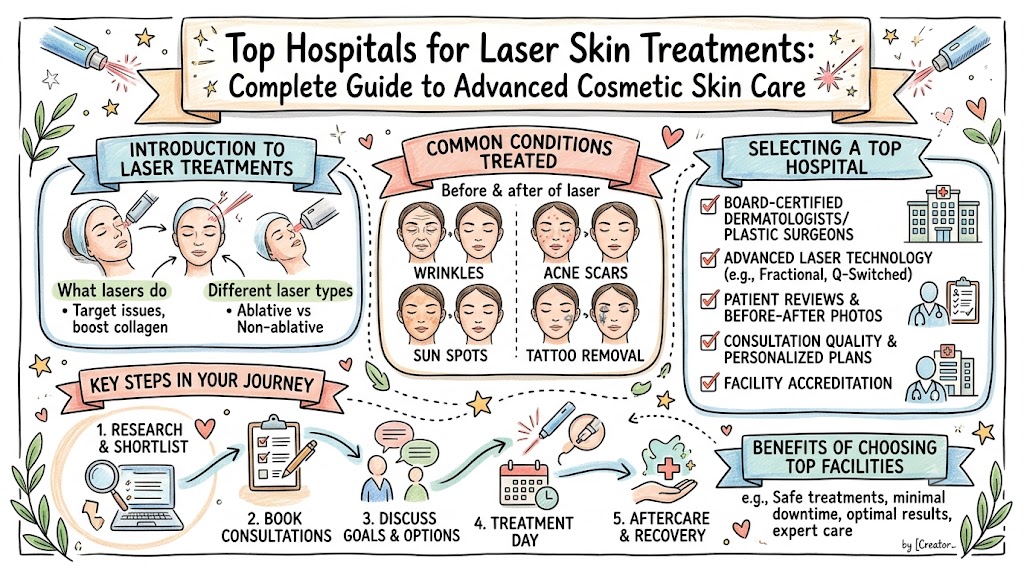
Introduction
Everyone desires radiant, clear, and youthful-looking skin. Over the years, our skin faces numerous challenges, from sun exposure and pollution to natural aging and past acne struggles. While traditional creams often fall short of delivering transformative results, the landscape of cosmetic dermatology has been revolutionized by advanced laser technology. Today, professional laser treatments offer a way to resurface, rejuvenate, and restore your skin’s natural beauty with precision.
As the demand for non-surgical aesthetic enhancements grows, so does the variety of laser platforms available. However, the quality of your results depends heavily on the expertise of the provider and the quality of the facility. Choosing a specialized cosmetic hospital ensures that you receive care rooted in medical safety and clinical excellence.
In this guide, we will explore the benefits of professional laser procedures, the types of technology available, and how to select the right environment for your skin transformation. If you are looking for reliable resources to help you find the best care, BestCosmeticHospitals provides valuable insights to guide your journey. Let’s dive into how you can achieve your healthiest, most vibrant skin yet.
Quick Answer
Laser skin treatments use concentrated beams of light to remove skin layers, stimulate collagen production, or target specific pigment and vascular concerns. These procedures are highly effective for addressing acne scars, wrinkles, sun damage, and unwanted hair. Specialized hospitals offer better outcomes because they provide access to a broader range of advanced laser platforms, utilize AI-driven diagnostic tools, and maintain rigorous safety protocols managed by board-certified dermatologists. This professional environment minimizes risks, ensures personalized treatment plans, and provides comprehensive aftercare that maximizes safety and long-term results.
Understanding Laser Skin Treatments
What Are Laser Skin Treatments?
Laser skin treatments are medical procedures that use focused light energy to treat various skin concerns. Unlike generic aesthetic treatments, medical-grade lasers are calibrated to specific wavelengths, allowing providers to target precise depths within the skin without causing widespread damage to surrounding tissue.
How Laser Technology Works
Lasers work through a process called selective photothermolysis. By choosing a specific light wavelength, the laser energy is absorbed by a “target” in the skin—such as melanin (pigment), hemoglobin (blood vessels), or water in the skin cells. This energy is then converted into heat, which either destroys the target or stimulates a healing response.
Benefits of Laser-Based Procedures
The primary benefit of laser therapy is precision. Because providers can control the intensity and depth of the light, they can achieve results that were once only possible through invasive surgery. Furthermore, these treatments stimulate the skin’s natural production of collagen, leading to improved texture and firmness over time.
Common Skin Concerns Treated
Laser technology is incredibly versatile. It is commonly used for resurfacing dull skin, smoothing out deep acne scars, fading stubborn sun spots, removing birthmarks, and even clearing up unwanted hair. Because there are different types of lasers, there is usually a solution for most skin tones and textures.
Importance of Professional Evaluation
Not all skin is the same, and not all lasers work for every skin type. Professional evaluation is mandatory to prevent complications like burns or post-inflammatory hyperpigmentation. A qualified dermatologist assesses your skin’s baseline health, your goals, and your history to recommend the safest path forward.
Common Conditions Treated with Laser Therapy
Acne Scars
Acne scarring can be stubborn, but fractional laser resurfacing can effectively break down scar tissue. By creating controlled micro-injuries in the skin, lasers encourage the body to fill in the depressions with new, healthy tissue.
Fine Lines and Wrinkles
As we age, collagen production slows down. Laser treatments gently heat the deeper layers of the dermis, prompting an immediate firming effect and long-term collagen remodeling, which softens fine lines and deep-set wrinkles.
Pigmentation and Sun Damage
Sun exposure leads to unwanted patches of melanin, often seen as freckles or “age spots.” Laser therapy targets this excess pigment, breaking it apart so the body can naturally shed it, resulting in a more even skin tone.
Uneven Skin Tone
Many patients struggle with general dullness or redness. Lasers can gently improve surface texture and tone by removing dead, damaged skin cells and stimulating fresh, healthy cell turnover.
Birthmarks and Vascular Lesions
Vascular lasers are specifically designed to target the hemoglobin in blood vessels. These are highly effective for reducing the appearance of spider veins, cherry angiomas, and certain types of red birthmarks.
Unwanted Hair Growth
Laser hair removal remains a top cosmetic procedure. By targeting the melanin in the hair follicle, the laser destroys the root without damaging the surrounding skin, providing long-term hair reduction after several sessions.
Tattoo Removal
Professional tattoo removal involves Q-switched or Pico lasers that shatter tattoo ink particles into tiny fragments. Once fragmented, the body’s immune system can safely clear the ink away over several weeks.
What Makes a Top Hospital for Laser Skin Treatments?
Experienced Cosmetic Dermatologists
The physician’s experience is your greatest safety asset. A top hospital employs dermatologists who understand the complex biology of skin and have performed thousands of laser procedures. Their expertise allows them to handle rare reactions and customize settings for best results.
Certified Laser Specialists
In addition to doctors, high-quality hospitals employ licensed laser technicians and nurses who are specifically certified in the operation of advanced hardware. This team-based approach ensures every step of the procedure is performed safely.
Advanced Treatment Facilities
A hospital environment offers sterile conditions that smaller clinics may not. These facilities are equipped with medical-grade ventilation, advanced emergency protocols, and high-level cleaning standards to reduce the risk of infection.
Modern Laser Technologies
A top hospital does not rely on a single, outdated machine. They keep a suite of different laser platforms on-site (e.g., CO2, Nd:YAG, Pico), ensuring that the technology matches your skin’s needs rather than forcing a “one-size-fits-all” solution.
Personalized Treatment Planning
Safety and efficacy start with a plan. At a specialized hospital, your treatment plan is documented, monitored, and adjusted based on your skin’s specific reaction during the initial phases of your therapy.
Patient Safety Protocols
Safety is the cornerstone of clinical practice. This includes pre-procedure skin allergy testing, accurate patient history taking, and stringent protocols for eye protection and skin cooling during the procedure.
Comprehensive Follow-Up Care
Aftercare is just as important as the procedure itself. Leading hospitals schedule follow-up sessions to ensure that your skin is healing correctly and to address any concerns regarding redness, sensitivity, or pigment changes.
Advanced Laser Technologies Used
Fractional Laser Resurfacing
This technology treats the skin in a “fractionated” pattern, leaving tiny areas of skin intact to speed up healing. It is the gold standard for scar improvement and skin rejuvenation with a shorter recovery time.
CO2 Laser Treatments
Carbon Dioxide (CO2) lasers are high-powered ablative lasers used for deep resurfacing. They are incredibly effective for treating deep wrinkles and significant sun damage, though they generally require more recovery time than non-ablative options.
Pico Laser Technology
Pico lasers work in trillionths of a second. This incredibly fast pulse shatters pigment particles and tattoo ink into a finer dust than older lasers, making them more effective and less damaging to the skin.
Nd:YAG Laser Systems
These are highly versatile lasers that work well on darker skin tones. They can be used for hair removal, vascular lesions, and skin rejuvenation with minimal risk of pigment disturbance.
IPL (Intense Pulsed Light)
While technically not a laser, IPL is a light-based technology frequently offered in these facilities. It uses a broad spectrum of light to treat sun spots, redness, and broken capillaries simultaneously.
Radiofrequency-Assisted Treatments
Some hospitals combine laser light with radiofrequency energy. This “synergy” technology tightens the skin at a deeper level than light alone could achieve, providing both surface and structural benefits.
AI-Assisted Skin Analysis
High-end hospitals now use AI cameras to scan your skin and measure pigmentation, pore size, and vascularity. This provides a scientific, data-driven baseline for your treatment.
Benefits of Choosing Specialized Cosmetic Hospitals
Enhanced Treatment Precision
Specialized environments feature the latest calibration tools. This allows for laser settings that are accurate to a fraction of a millimeter, ensuring the treatment is effective while sparing healthy tissue.
Better Safety Standards
Cosmetic hospitals operate under strict medical regulations. This means that if a skin complication arises, you have immediate access to medical support and corrective therapies.
Customized Treatment Plans
At a general spa, you might receive a generic menu of options. At a specialized hospital, your doctor creates a plan based on your skin’s unique biological needs, genetics, and lifestyle factors.
Reduced Risk of Complications
Inexperienced operators are the number one cause of laser-related complications. Choosing a hospital with board-certified professionals significantly minimizes risks like burns, scarring, or permanent pigmentation changes.
Faster Recovery Support
Top hospitals provide medical-grade post-procedure creams and guided instructions that minimize inflammation and speed up your skin’s healing process compared to over-the-counter alternatives.
Long-Term Skin Health Monitoring
Your skin changes as you age. A hospital keeps your records on file, allowing your dermatologist to monitor your long-term skin health and adjust your maintenance plan over the years.
Comparison Table: Popular Laser Treatments and Their Uses
| Treatment Type | Primary Target | Best For | Typical Recovery |
| Fractional Resurfacing | Skin Texture | Acne scars, fine lines | 3–7 Days |
| Pico Laser | Pigment/Ink | Tattoos, sun spots | 1–3 Days |
| Nd:YAG Laser | Deep Dermis | Darker skin types, hair | Minimal |
| IPL Therapy | Surface Redness | Rosacea, age spots | Minimal |
| CO2 Resurfacing | Deep Dermis | Deep wrinkles | 10–14 Days |
Comparison Table: Laser Treatments vs Traditional Skin Procedures
| Feature | Laser Treatments | Traditional Procedures (e.g., Chemical Peels) |
| Precision | Very High | Variable |
| Safety | Controlled by technology | Dependent on chemical application |
| Customization | Depth can be adjusted | Fixed acid concentration |
| Efficiency | Faster results | Usually requires more sessions |
| Longevity | Long-lasting collagen boost | Temporary surface exfoliation |
Who Can Benefit from Laser Skin Treatments?
Young Adults
Young adults often use laser treatments to clear persistent acne, reduce the appearance of early acne scars, or manage inflammatory skin conditions that haven’t responded to topicals.
Adults with Skin Aging Concerns
For those in their 30s and beyond, lasers act as a “maintenance” tool, stimulating collagen to prevent sagging and smoothing out the fine lines that begin to appear during this phase.
Patients with Acne Scarring
Acne scarring can affect confidence at any age. Laser resurfacing is one of the few treatments that can truly change the texture of the skin by leveling out pits and depressions.
Individuals with Pigmentation Issues
Whether it’s melasma, sun spots, or post-acne dark marks, laser technology can lift and lighten these spots, restoring a balanced and clear complexion.
Patients Seeking Non-Surgical Cosmetic Improvements
Many individuals want to avoid the risks and downtime of cosmetic surgery. Laser treatments offer a middle ground—powerful, noticeable results without the need for scalpels or general anesthesia.
Preparing for Laser Skin Treatment
Initial Skin Consultation
This is your most important step. Your dermatologist will examine your skin, review your medical history, and discuss your expectations. They will determine if your skin is ready for treatment.
Skin Assessment Process
Expect the specialist to look at your skin under specialized lights to identify hidden sun damage, vascularity, and underlying issues. They may also take “before” photos to track your progress.
Pre-Treatment Guidelines
You will likely be advised to avoid sun tanning for 4–6 weeks prior. Sun-exposed skin is more prone to burning and pigmentation changes during laser therapy.
Medications and Skin Products to Avoid
Certain products, such as retinol or exfoliating acids, must be stopped several days before treatment to ensure your skin barrier is healthy and not overly sensitive.
Questions Patients Should Ask
Always ask: “How many sessions will I need?”, “What is the expected downtime?”, “Are there any risks specific to my skin type?”, and “What aftercare products do you recommend?”
What to Expect During Treatment
Procedure Overview
On the day of your treatment, your skin will be cleansed. Depending on the laser, a cooling gel or a topical numbing cream may be applied to your skin for 20–30 minutes before the laser starts.
Comfort and Pain Management
Modern lasers have built-in cooling systems that blast chilled air onto the skin as the laser fires. Most patients describe the sensation as a light “snapping” or “prickling” feeling, which is usually very tolerable.
Treatment Duration
Most sessions are quite efficient, lasting anywhere from 15 to 45 minutes depending on the size of the area being treated.
Immediate Post-Treatment Care
Immediately after, your skin will look like it has a mild sunburn. The provider will apply a soothing, protective cream and give you specific instructions for the next 24 hours.
Recovery Expectations
Recovery varies by laser. You might have mild redness for 24 hours with a light treatment, or a few days of peeling with a deeper resurfacing procedure. You will be told exactly what to expect for your specific protocol.
Recovery and Aftercare
Managing Redness and Sensitivity
The best way to manage post-procedure redness is to keep your skin hydrated with gentle, fragrance-free products. Avoid rubbing, scrubbing, or picking at the skin while it heals.
Sun Protection Measures
Your skin will be extremely sensitive to UV light after laser treatment. You must apply a broad-spectrum, mineral-based SPF 30 or higher every single day for at least one month.
Skin Care Recommendations
Stick to a “less is more” approach. Use a gentle cleanser, a simple moisturizer, and high-quality sun protection. Avoid active ingredients like Vitamin C or exfoliants until your skin is fully healed.
Follow-Up Appointments
Do not skip your follow-up. These sessions allow the dermatologist to assess the response of your skin and determine if any adjustments are needed for the next treatment session.
Long-Term Maintenance Plans
Skin health is ongoing. Your hospital will likely suggest a maintenance schedule—such as one session every six months—to keep your skin’s collagen production levels high and your pigment stable.
Risks and Potential Side Effects
Temporary Redness
This is the most common side effect and is a normal part of the healing process. It usually resolves on its own within a few days.
Swelling
Mild puffiness is common, especially around the eyes or mouth. Using cool compresses as instructed by your hospital can significantly reduce this.
Skin Irritation
You may feel a tight, itchy sensation as your skin regenerates. This is a sign that the healing process is active; keep the area well-moisturized to prevent cracking.
Pigmentation Changes
In rare cases, especially with darker skin types, the skin may react by producing too much or too little pigment. This is why choosing an experienced hospital with the right equipment is so vital.
Infection Risks
Though rare in a clean hospital environment, keeping the treated area clean is essential. Report any signs of persistent oozing, crusting, or worsening pain to your medical team immediately.
How Specialized Hospitals Reduce Risks
They perform extensive pre-procedure screenings, use the exact right laser settings for your specific melanin levels, and provide you with a medically approved post-care kit.
How to Choose the Right Hospital
Experience of Specialists
Check the certifications of the medical director. You want a hospital where the doctors are board-certified in dermatology and have a clear history of performing the specific laser treatments you are interested in.
Available Technologies
A top hospital should have a website that lists their laser platforms. If they don’t have modern systems, they may be relying on outdated technology.
Safety Standards
The facility should feel professional and clinical. They should require a physical consultation before the treatment, rather than booking you directly into a procedure.
Patient Education Programs
A great hospital wants you to be informed. They should provide clear, written documentation about the risks, the benefits, and the recovery steps for your specific laser session.
Follow-Up Support
Ask what happens if you have a concern on a Sunday. A reputable hospital will have a system in place to ensure you can reach a medical professional for advice if needed.
Questions to Ask Before Treatment
“Who will be performing my laser session?”, “What are the common side effects I should watch for?”, and “How do you handle post-treatment complications?”
Cost and Financial Considerations
Factors Affecting Treatment Costs
Costs vary based on the laser type, the surface area being treated, the expertise of the provider, and the geographic location of the hospital.
Number of Sessions Required
Laser treatment is rarely a one-time affair. Most concerns require a series of 3–5 sessions. Some hospitals offer discounted package pricing for series of treatments.
Technology Used
High-end, newer technology (like Pico lasers) often comes with a higher price point per session because of the significant investment the hospital has made in the equipment.
Follow-Up and Maintenance Costs
Factor in the cost of your medical-grade skincare products and your maintenance appointments when planning your annual budget.
Financial Planning Considerations
Many specialized hospitals offer healthcare financing options or payment plans. Do not be afraid to ask about these options during your consultation.
Future of Laser Skin Treatments
AI-Powered Skin Analysis
The future is predictive. AI will soon be able to look at your skin today and tell you exactly how it will age, allowing for preventative laser treatments before wrinkles ever appear.
Personalized Cosmetic Treatments
Genomic skincare is on the horizon. Doctors will be able to customize laser settings based on your genetic skin profile, ensuring absolute maximum safety and results.
Advanced Non-Invasive Procedures
We are seeing a move toward lasers that provide the results of a facelift without any of the downtime. These “lunchtime lifts” will become even faster and more effective.
Emerging Laser Technologies
Researchers are developing lasers that can specifically target fat or structural tissue, further blurring the line between cosmetic dermatology and structural plastic surgery.
Future Trends in Cosmetic Dermatology
The industry is moving toward holistic health. Laser treatments will be increasingly paired with internal health management, such as nutrition and hormone balancing, to achieve truly radiant skin.
Key Takeaways
- Laser skin treatments are highly precise medical procedures that require professional oversight.
- The most important factor in a safe procedure is the expertise of your dermatologist.
- Different skin conditions require different laser platforms (e.g., Pico for ink, CO2 for wrinkles).
- Always choose a facility that offers a physical consultation and personalized treatment planning.
- Sun protection is the absolute most important part of your pre- and post-treatment care.
- Recovery time varies based on the aggressiveness of the laser.
- Specialized hospitals provide medical safety standards that protect you from common complications.
- Be wary of facilities that do not ask for your medical history.
- Consistency is key; most concerns require a series of sessions for optimal results.
- Long-term skin health requires a relationship with a trusted professional, not just a one-off procedure.
FAQ Section
1.Is laser skin treatment painful?
Most patients feel a slight prickling or snapping sensation. Your provider will usually use cooling systems and numbing creams to ensure that the procedure is well within your comfort range.
2.How many sessions will I need?
This depends on the condition. Acne scars and tattoo removal often require 5+ sessions, while sun spot removal might take 1–3 sessions. Your doctor will outline this during your consultation.
3.Can laser treatments work on darker skin tones?
Yes, but the choice of laser is critical. Nd:YAG lasers are generally the safest and most effective choice for darker skin tones to avoid pigment changes. Always seek a specialist experienced with your skin type.
4.What is the most important thing to do after a laser treatment?
Sun protection is paramount. Your skin is vulnerable and hyper-sensitive to UV damage, so using a physical SPF 30+ daily is the best way to protect your investment and prevent side effects.
5.How long do the results last?
Results can be long-lasting, especially for scars. However, aging and sun exposure will continue. A regular maintenance schedule, combined with a good skincare routine, will extend your results significantly.
6.Are laser treatments safe?
When performed by a board-certified professional in a clinical setting, laser treatments are extremely safe. Always prioritize hospitals that use FDA-cleared technology.
7.Can I wear makeup after a laser treatment?
Your doctor will give you a specific timeline. Usually, you should avoid makeup for 24–48 hours until the skin has had a chance to calm down and the outer barrier is intact.
8.How do I know which laser I need?
You don’t need to know! A qualified cosmetic dermatologist will perform a detailed skin assessment and select the specific laser technology that matches your goal, your skin type, and your downtime tolerance.
9.What if I have a reaction?
Always choose a facility that provides a 24-hour contact line. In the rare event of a reaction, you want to be able to reach someone immediately for professional medical advice.
10.Why not just go to a local salon?
Salons often lack medical oversight and advanced emergency equipment. Specialized hospitals have doctors who can manage biological skin reactions and ensure you are getting the safest, most effective dose of energy.
Conclusion
Embarking on a laser skin treatment journey is an investment in your confidence and your skin’s long-term health. By opting for a specialized cosmetic hospital, you align yourself with the highest standards of safety, expertise, and technological excellence. Whether you are addressing stubborn acne scars, signs of aging, or uneven pigmentation, professional laser therapy can reveal the vibrant skin you’ve been waiting for.
Remember, the best results are not just about the laser; they are about the relationship you build with your dermatologist. Take the time to choose a facility that puts your safety and individual needs first, and follow your aftercare plan diligently. To start your journey toward professional, high-quality care, explore the resources available at BestCosmeticHospitals.com. You are one step closer to clearer, more confident skin.