Introduction
Cosmetic surgery recovery begins after the procedure ends. But healing continues after you leave the cosmetic surgery hospital.
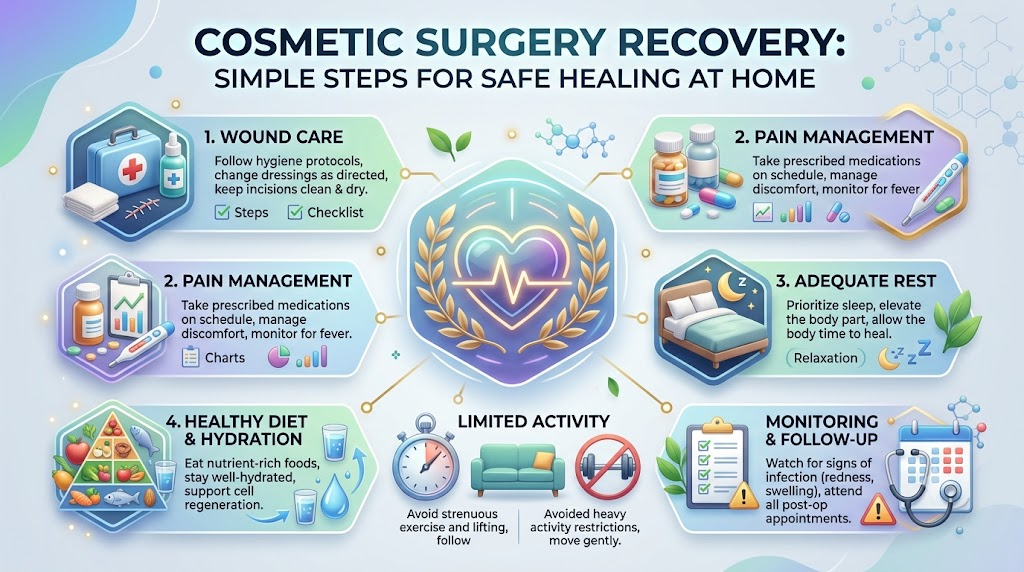
Post-operative care means caring for your body after surgery. It can include wound care, medicines, rest, activity limits, and follow-up visits.You may have swelling, bruising, soreness, or tiredness after surgery. These changes can happen during normal healing.Your care needs depend on the procedure you had. Your surgeon will give you instructions for your own recovery.
Good aftercare can help you manage daily tasks during healing. Family support can also make this time easier.
BestCosmeticHospitals can help patients learn about cosmetic care and recovery. Your surgeon should always give the final care instructions.
What Happens After Cosmetic Surgery?
After surgery, you may spend some time in a recovery room. The care team checks you as the effects of surgery wear off.
You may have a dressing or bandage over the treated area. Some procedures may also need a compression garment.
A compression garment is clothing that gently supports the treated area. Your surgeon may tell you when and how to use it.
Some patients may have temporary drains. Drains are small tubes that help remove extra fluid from the surgical area.
You may also have pain or discomfort. Swelling, bruising, and tiredness can happen during early healing.
Your care team will explain how to manage these changes. Follow their instructions instead of trying new treatments yourself.
Recovery differs by procedure and patient. So, your aftercare plan may not match someone else’s plan.
What Your Early Recovery May Include
| Recovery Area | What Patients Should Do | Why It Matters |
|---|---|---|
| Wound care | Follow your surgeon’s instructions | Protects the healing area |
| Pain care | Use prescribed medicines as directed | Helps manage discomfort |
| Activity | Rest and move as advised | Supports safe healing |
| Compression | Use it when advised | May support the treated area |
| Follow-up | Attend planned visits | Helps your team check healing |
Wound and Incision Care
- Your surgical incision needs gentle care during healing. An incision is the cut made during surgery.
- Keep the surgical area clean as instructed. Follow your surgeon’s advice about washing and changing dressings.
- Do not pick, rub, or scratch the incision. These actions can disturb the healing skin.
- If you have stitches or drains, keep them safe. Do not remove or adjust them unless your healthcare team says so.
- Look at the treated area as advised. Watch for unusual redness, swelling, drainage, or changes in pain.
- Attend all scheduled follow-up visits. Your surgeon can check the wound and address concerns.
- Do not copy wound-care advice from another patient. Different cosmetic procedures need different care.
Managing Pain, Swelling, and Bruising
Some pain, swelling, and bruising can happen after cosmetic surgery. These changes often improve as healing continues.
Your surgeon may suggest rest and certain positions. Follow these instructions closely.
You may also receive prescribed medicine for pain. Take it only as directed by your healthcare team.
Some patients may use a compression garment when advised. This depends on the procedure and treated area.
Do not use ice, heat, creams, or other products unless your team approves them. Some products may not suit a healing area.
Tell your surgeon if pain becomes severe or keeps getting worse. New or unusual swelling also deserves medical attention.
Healing can look different from person to person. So, avoid comparing your progress with someone else’s.
Medicines After Surgery
Your medicine plan depends on your procedure and health. Your surgeon will explain which medicines you need.
Take prescribed medicines exactly as directed. Keep a simple list of the medicines you use.
Ask questions when an instruction is unclear. Do not guess how or when to take a medicine.
Tell your surgeon about other medicines you take. This includes medicines from other doctors.
Also tell your healthcare team about vitamins and supplements. Some products may affect your care.
Do not start a new medicine without medical advice. Never change or stop a prescribed medicine on your own.
Keeping medicines organized can make recovery easier. A family member can help if you find this difficult.
Rest and Physical Activity
- Rest gives your body time to heal after surgery. But safe movement may also become part of recovery.
- Your surgeon may ask you to limit heavy lifting. You may also need to avoid exercise for some time.
- Bending, stretching, or certain body movements may also have limits. These rules depend on the procedure you had.
- Short and gentle movement may be allowed when your surgeon says it is safe. Follow your team’s advice about walking and daily activity.
- Do not push yourself because you feel better one day. Your body may still need more time to heal.
- Driving may also need to wait. Ask your surgeon when driving is safe for you.
- Return to exercise only when your surgeon gives you permission. Starting too soon can interfere with healing.
Food, Fluids, and Healthy Recovery
- Good food gives your body nutrients during healing. Your healthcare team can help you choose foods that fit your needs.
- Balanced meals can include fruits, vegetables, and suitable protein foods. Choose foods that your care team recommends.
- Protein is found in foods such as eggs, fish, beans, and dairy foods. Your needs may differ based on your health.
- Drink enough fluids when your healthcare team allows. Some patients may have special fluid instructions.
- Do not follow a strict diet without medical advice. Your surgeon or care team can explain any food limits.
- Small, simple meals may feel easier during early recovery. Ask for help with cooking if you feel tired.
- Good nutrition is only one part of recovery. Rest, wound care, movement, and follow-up also matter.
Caring for the Body During Recovery
Daily body care may need some changes after cosmetic surgery. Follow the instructions given for your specific procedure.
Ask when you can shower or bathe. Your surgeon may give special instructions for keeping the treated area dry.
Choose loose and comfortable clothing when advised. Tight clothing may be unsuitable for some procedures.
Follow your surgeon’s advice about skin care. Do not put products on the treated area without approval.
Sun protection may also matter after some procedures. Ask when you can safely expose the treated area to sunlight.
Your surgeon may recommend a special sleeping position. Follow this advice to protect the treated area.
Compression garments may also be part of aftercare. Use them only as your healthcare team advises.
Follow-Up Visits
Follow-up visits are an important part of cosmetic surgery recovery. They give your surgeon a chance to check your healing.
Your surgeon may check the incision and swelling. They may also look for signs of infection or other problems.
Stitches may need removal during a follow-up visit. Your surgeon will tell you if and when this is needed.
Your medicine plan may also be reviewed. Tell your surgeon about any new symptoms or concerns.
Follow-up visits are also a good time to ask questions. Write questions down before your appointment so you remember them.
Follow-up timing depends on the procedure and surgeon. Keep every visit that your care team recommends.
Emotional Recovery
Cosmetic surgery can bring many feelings during recovery. You may feel happy, worried, tired, nervous, or impatient.
Early swelling and bruising can change how the treated area looks. This can make you unsure about your progress.
Healing takes time, and early changes may not show the final result. Your surgeon can explain what changes are expected.
Do not judge your recovery from one day. Your body may look different as swelling goes down.
Talk with your surgeon if you feel worried about your healing. They can check the treated area and answer your questions.
Family and friends can also provide helpful support. Having someone nearby can make recovery feel less stressful.
Warning Signs After Cosmetic Surgery
Some symptoms need prompt medical attention after surgery. Follow the warning instructions given by your surgical team.
Contact your healthcare team if you have a fever. Also report increasing redness, swelling, or unusual drainage.
Severe or worsening pain also needs attention. Excessive bleeding or a wound that opens should be checked.
Pus or other unusual drainage may signal a problem. Do not wait for your next appointment if your team asks you to call sooner.
Leg pain or swelling can also need medical attention. Trouble breathing is especially serious.
For severe or life-threatening symptoms, seek urgent medical help. Follow the emergency instructions given by your healthcare team.
Do not feel afraid to contact your surgeon with concerns. Early advice can help you know what to do next.
How Family Members Can Help
Family members can make early recovery easier. Patients may need help with transport, meals, chores, and other tasks.
A family member can help organize medicines. They can also help remember follow-up appointments.
Caregivers can watch for warning signs. They should contact the healthcare team when something seems unusual.
Emotional support can also help. A calm and caring home can make recovery feel easier.
Patients should still follow their surgeon’s instructions. Family members should not change medicines or care plans themselves.
A Simple Home Recovery Checklist
- Arrange safe transportation.
- Keep medicines organized.
- Prepare easy meals.
- Keep important phone numbers nearby.
- Attend follow-up visits.
- Follow wound-care instructions.
- Ask for help with heavy chores.
- Report unusual symptoms.
Frequently Asked Questions About Cosmetic Surgery Recovery
1. What is post-operative care after cosmetic surgery?
Post-operative care means caring for your body after surgery. It can include wound care, medicines, rest, activity limits, and follow-up visits.
2. Is swelling normal after cosmetic surgery?
Some swelling can happen after surgery. The amount and length can vary by procedure and patient. Report unusual or worsening swelling to your healthcare team.
3. How should a surgical wound be cared for?
Follow the wound instructions from your surgeon. Keep the area clean as advised and avoid rubbing or picking the incision.
4. When can normal activities resume?
The timing depends on your procedure and healing. Your surgeon will tell you when you can safely return to normal activities.
5. Can patients exercise after cosmetic surgery?
You may need to avoid exercise during early healing. Return to exercise only when your surgeon says it is safe.
6. What should patients eat during recovery?
Choose balanced foods that fit your healthcare team’s advice. Suitable protein foods, fruits, vegetables, and fluids may support general recovery.
7. Why are follow-up visits important?
Follow-up visits allow your surgeon to check healing. They also give you a chance to discuss symptoms and concerns.
8. Can cosmetic surgery affect mood during recovery?
Yes. Patients may feel happy, worried, tired, or impatient. Talk with your healthcare team if emotional concerns continue.
9. What warning signs need medical attention?
Warning signs can include fever, increasing redness, severe pain, unusual drainage, heavy bleeding, or trouble breathing. Contact your healthcare team when these occur.
10. How can family members help during recovery?
Family members can help with transport, meals, chores, and medicines. They can also provide emotional support and help watch for warning signs.
Final Thoughts
Cosmetic surgery recovery takes time and care. Good aftercare includes wound care, medicines, rest, safe movement, healthy food, and follow-up visits.Your recovery will depend on the procedure and your own health. So, follow the instructions given by your surgeon.Do not compare your healing with another person’s recovery. Ask questions when you are unsure about any part of your care.Family support can also make daily tasks easier. Ask for help when you need it.
Most importantly, report unusual or serious symptoms quickly. Your healthcare team can guide you when concerns arise.