They’re related—but not the same thing.
The confusion is very common, and even professionals sometimes use the terms interchangeably. Here’s the clear, correct distinction.
Simple answer
- Plastic surgery is the broad medical specialty
- Cosmetic surgery is a subset of plastic surgery
Think of it like this:
All cosmetic surgery is plastic surgery, but not all plastic surgery is cosmetic surgery.
Plastic surgery: function + reconstruction + appearance
Plastic surgery focuses on repairing, restoring, or reconstructing the body—sometimes for appearance, but often for medical necessity.
Plastic surgery includes:
- Reconstructive surgery (after injury, disease, or birth defects)
- Functional correction
- Cosmetic improvement (as one part of the field)
Examples:
- Cleft lip and palate repair
- Burn reconstruction
- Breast reconstruction after mastectomy
- Hand surgery
- Trauma repair
- Scar revision for function
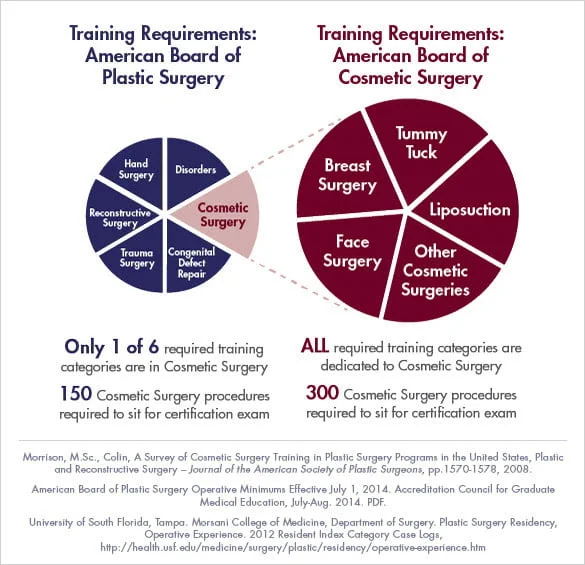
Plastic surgeons complete formal medical training and board certification in this specialty.
Cosmetic surgery: appearance-focused only
Cosmetic surgery is focused solely on improving appearance, not medical function.
Cosmetic surgery includes:
- Facelifts
- Rhinoplasty (nose reshaping)
- Liposuction
- Breast augmentation
- Tummy tuck
- Eyelid surgery
- Non-surgical procedures (Botox, fillers, lasers)
Cosmetic surgery is elective, meaning it’s optional—not medically required.
Key differences at a glance
| Aspect | Plastic Surgery | Cosmetic Surgery |
| ------------------ | -------------------------------------- | --------------------------------------------------------------------------- |
| Scope | Broad medical specialty | Subset of plastic surgery |
| Purpose | Restore function and/or appearance | Improve appearance only |
| Medical necessity | Often medically required | Always elective |
| Insurance coverage | Sometimes covered | Almost never covered |
| Training | Requires full plastic surgery training | Can be performed by plastic surgeons or other doctors (varies by country) |
Important clarification about surgeons (this matters)
Not all doctors who perform cosmetic procedures are plastic surgeons.
In many places:
- Dermatologists
- ENT doctors
- General physicians
- Aesthetic doctors
…may legally perform cosmetic procedures without plastic surgery training.
Organizations like American Society of Plastic Surgeons emphasize that:
Board-certified plastic surgeons have the most comprehensive training in both cosmetic and reconstructive surgery.
This is why credentials matter more than marketing terms.
Visual difference: cosmetic vs reconstructive focus
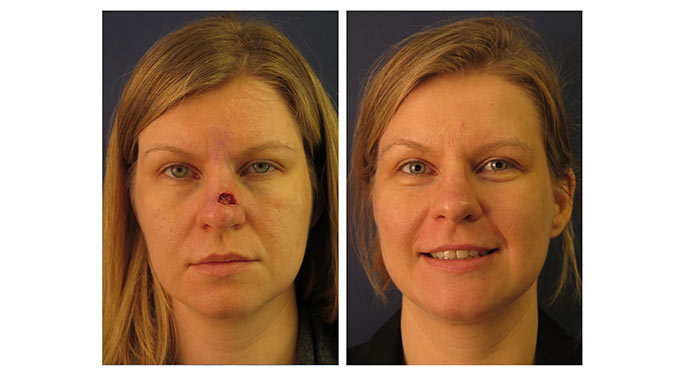
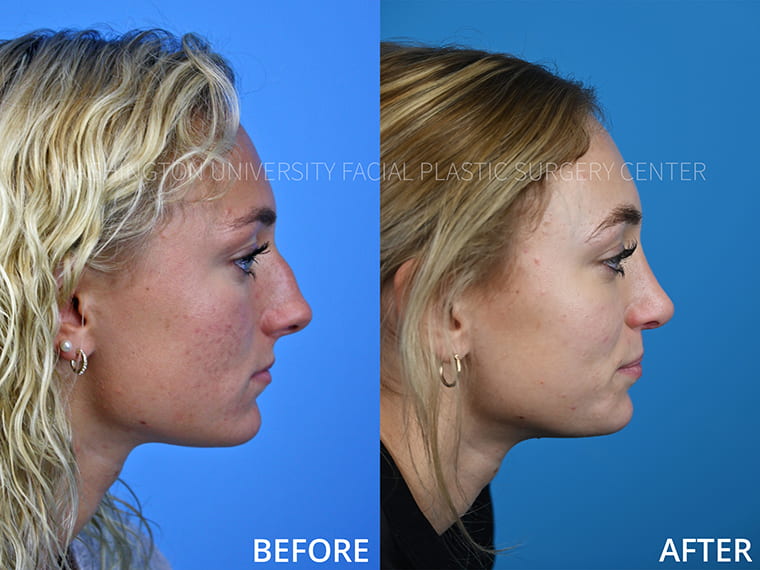
- Reconstructive surgery aims to restore normal structure and function
- Cosmetic surgery aims to enhance or refine normal appearance
Why the terms get mixed up
- Media uses “plastic surgery” as a catch-all
- Clinics market “cosmetic plastic surgery”
- Patients care more about results than definitions
But medically, the distinction is real—and important when choosing a surgeon.
Bottom line
- Plastic surgery = the medical specialty
- Cosmetic surgery = appearance-focused part of that specialty
- The best cosmetic outcomes usually come from board-certified plastic surgeons, especially for surgical procedures