Short answer: cosmetic surgery can improve asymmetry—but it cannot make the face or body perfectly symmetrical.
And that distinction is very important for long-term satisfaction.
Let’s break this down honestly.
First: asymmetry is normal (even in “perfect” faces)
Every human face and body is asymmetrical:
- One eye is usually higher
- One cheek fuller
- One breast larger
- One side of the jaw stronger
- One hip or shoulder slightly higher
We usually notice asymmetry only when we fixate on it—or when photos, mirrors, or comparisons highlight it.
Surgery works best when the goal is balance, not perfection.
What surgery can do for asymmetry
1. Improve noticeable or structural asymmetry
Surgery is most effective when asymmetry is:
- Clearly visible at rest
- Caused by bone, muscle, fat, or tissue differences
- Stable (not changing day to day)
Commonly improved areas include:


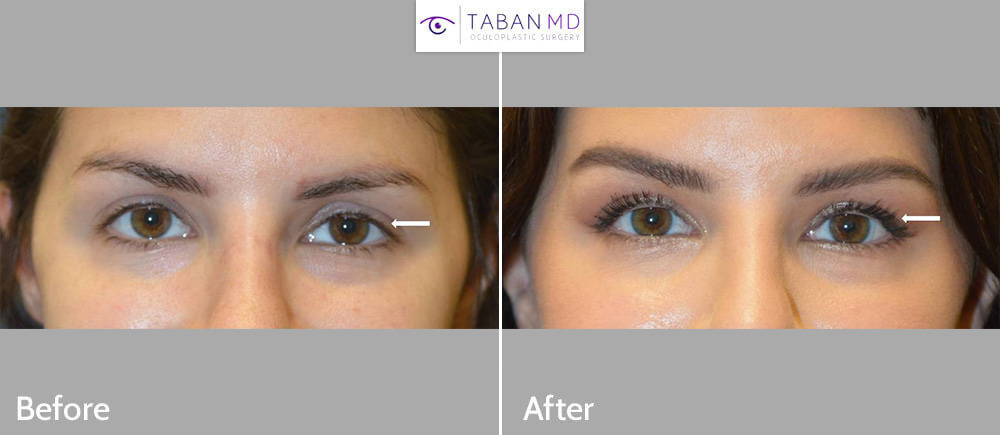
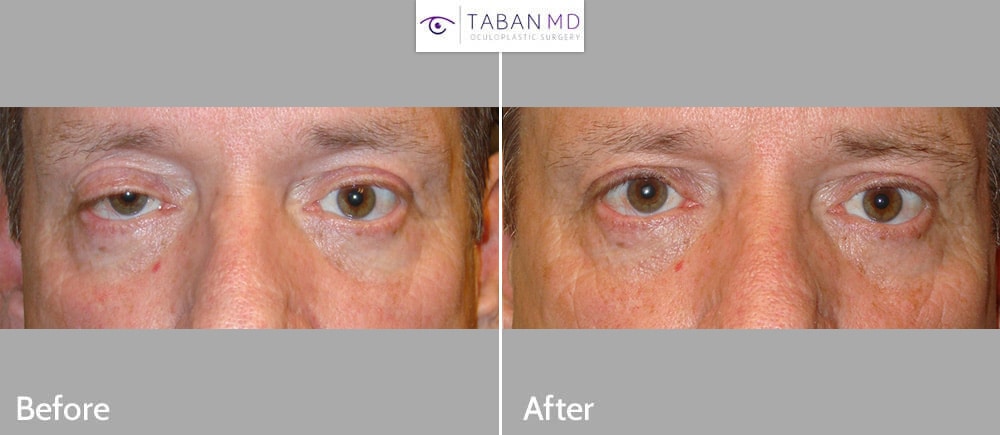
- Nose deviation (rhinoplasty)
- Eyelid height differences (blepharoplasty / ptosis repair)
- Jaw or chin imbalance (genioplasty, fillers, or orthognathic planning)
- Breast size or position differences
- Lip asymmetry
- Body contour differences
Most patients see meaningful improvement, not mirror-image symmetry.
2. Improve asymmetry optically
Some asymmetry isn’t structural—it’s how light, shadow, and proportions work.
Surgeons often correct this by:
- Subtle volume adjustments
- Strategic lifting or tightening
- Balancing surrounding features rather than the asymmetry itself
This is why experienced surgeons often say:
“We treat the illusion, not the millimeter.”
What surgery cannot fix completely
1. Functional asymmetry
Asymmetry caused by:
- Muscle dominance
- Facial expressions
- Habitual posture
- Sleeping position
These can improve—but movement-related differences often remain.
2. Dynamic asymmetry
Differences that appear when:
- Smiling
- Talking
- Raising eyebrows
Surgery corrects structure, not neuromuscular wiring.
3. Perception-based asymmetry
If asymmetry is:
- Only visible in close-up mirrors
- Only visible in photos
- Something others rarely notice
Surgery may not bring emotional relief—and sometimes makes people more critical.
The biggest risk: chasing symmetry
People become dissatisfied when they:
- Expect identical sides
- Measure features obsessively
- Compare themselves to edited images
- Seek repeated revisions
This leads to:
- Overcorrection
- Unnatural results
- Emotional distress
Perfect symmetry often looks less natural, not more attractive.
What good surgeons aim for
Experienced surgeons aim for:
- Facial harmony
- Proportion
- Natural balance
- Age-appropriate results
They will often say:
“Your asymmetry makes you look human. We’re just softening it.”
If a surgeon promises “perfect symmetry,” that’s a red flag.
How to know if surgery is a good option for your asymmetry
Ask yourself:
- Is this asymmetry obvious to others—or mainly to me?
- Has it bothered me consistently for years?
- Am I okay with improvement, not perfection?
- Would I still be happy if it’s 70–80% better?
If most answers are yes, surgery may be appropriate.
If you’re hoping for:
- Identical sides
- Total correction
- Emotional relief from comparison
Surgery may disappoint—even with a technically good result.
Bottom line
✔ Yes, cosmetic surgery can meaningfully improve asymmetry
✘ No, it cannot create perfect symmetry
✔ Best results come from conservative, balancing approaches
✘ Worst outcomes come from chasing mathematical equality