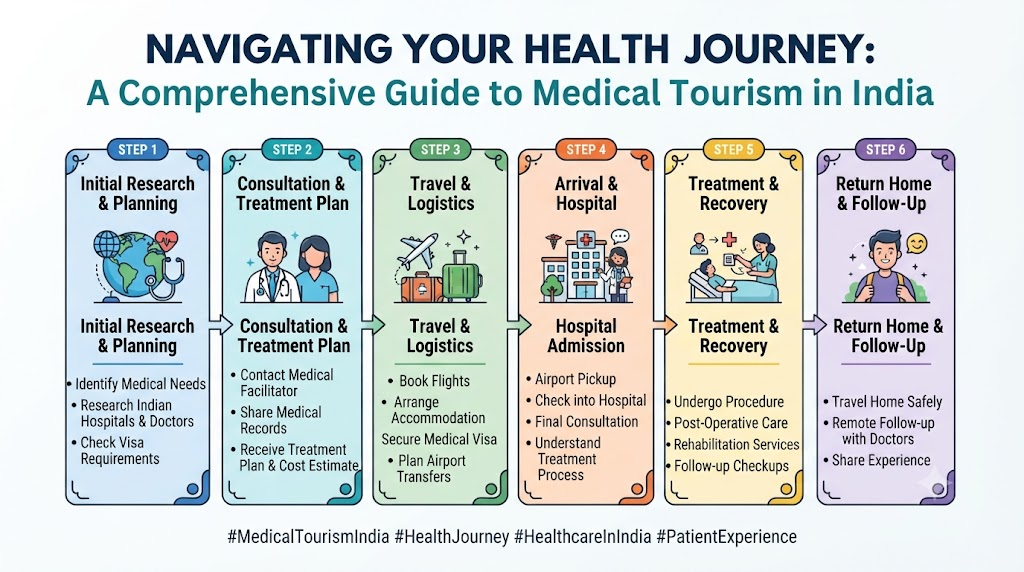
The decision to undergo a medical procedure is significant, often accompanied by complex choices regarding where to receive care, which specialists to trust, and how to manage the financial aspects. In recent years, an increasing number of patients are looking beyond their home borders, turning toward destinations that offer a blend of advanced clinical expertise and cost-efficiency. MyMedicPlus has emerged as a prominent choice for individuals seeking high-quality healthcare, drawing patients from across the globe.
Understanding the landscape of international healthcare can be daunting. From verifying hospital accreditations to estimating potential surgery expenses, patients require clear, reliable guidance. Utilizing a comprehensive medical assistance platform can simplify this planning process, allowing you to focus on your recovery and health.
Why India is a Leading Destination for Healthcare
India’s reputation as a preferred hub for medical travel is built on several foundational pillars: highly skilled medical professionals, state-of-the-art infrastructure, and a patient-centric approach to care.
Advanced Medical Infrastructure
Many of the best hospitals in India for international patients are equipped with technology comparable to leading facilities in Western nations. A significant number of these institutions hold prestigious international accreditations, such as the Joint Commission International (JCI), ensuring that they adhere to rigorous global safety and quality standards.
Cost-Effectiveness
One of the primary drivers of medical travel is the disparity in costs. Affordable healthcare does not imply a compromise in quality; rather, it often reflects the difference in operating expenses and the local economic landscape. Whether you are investigating the knee replacement surgery cost in India or comparing the expenses of more complex procedures, the savings can be substantial, often ranging from 40% to 80% compared to similar services in the U.S. or U.K.
Understanding Treatment Costs and Planning
Financial planning is a critical component of your medical journey. When researching the heart bypass surgery cost in India, or any major procedure, it is essential to understand that quotes provided by hospitals often cover the surgical fee and basic hospital stay, but may not include post-operative medications, extended recovery care, or travel-related expenses.
Factors Influencing Treatment Expenses
Several variables contribute to the final cost of medical procedures in India:
- Hospital Choice: Premium, multi-specialty hospitals often have higher fees than smaller, specialized clinics.
- Surgeon Experience: Highly renowned specialists may charge more for their expertise.
- Patient’s Health Condition: Pre-existing conditions or comorbidities can impact the duration of the hospital stay and the intensity of post-operative care required.
- Room Category: The choice of accommodation—from general wards to private suites—affects the overall bill.
- Diagnostic Requirements: Pre-surgical tests and scans, which vary by hospital protocol, are added to the total.
Utilizing a reliable healthcare information platform can help you obtain transparent estimates, enabling better budget preparation.
Selecting the Right Hospital and Specialist
Choosing where to receive treatment is perhaps the most critical step in your healthcare planning. Patients should look for hospitals that maintain a strong international patient department, as these teams are specifically trained to handle the logistics for travelers—including visa assistance, airport transfers, and interpreter services.
Hospital Comparison Checklist
When comparing Indian hospitals, consider the following criteria:
- Accreditation: Check for JCI or National Accreditation Board for Hospitals (NABH) certification.
- Clinical Expertise: Look for departments specializing in the specific condition you are addressing, such as orthopedics or cardiac care.
- Success Rates: While past results do not guarantee future outcomes, reviewing a facility’s success rates for specific procedures provides valuable insight into their experience level.
- Patient Reviews: Genuine feedback from others who have traveled for treatment at a particular institution can offer a realistic perspective on the care provided.
Preparing for Your Medical Travel Journey
Once you have identified a hospital and confirmed your treatment plan, the logistics phase begins. This involves coordinating your travel, preparing your medical records, and ensuring you have the necessary documentation for your destination.
- Medical Records: Always carry copies of your recent medical reports, diagnostic images, and a list of current medications.
- Communication: Establish clear lines of communication with the hospital’s international patient coordinator before you depart.
- Recovery Planning: Understand the anticipated recovery period and discuss follow-up care requirements with your surgeon before leaving the hospital. You may need to stay in the city for a week or two post-surgery to ensure you are stable before flying.
Key Takeaways for Patients
- Research is Essential: Never rush your decision-making. Thoroughly investigate doctors and facilities before committing to a treatment plan.
- Prioritize Quality: While cost is a major factor, safety and clinical outcomes must always come first. Prioritize accredited hospitals with a proven track record.
- Use Reliable Resources: Leverage a hospital comparison resource to gather data, compare procedures, and read about experiences from other patients.
- Consult Professionals: Always have a conversation with your local physician before making travel plans to ensure you are medically fit to travel.
Frequently Asked Questions
1. Is medical tourism in India safe?
Yes, thousands of international patients receive successful treatment in India annually. By choosing JCI-accredited hospitals and consulting with qualified, board-certified surgeons, patients can access safe, high-standard care.
2. How can I get an accurate estimate for my treatment?
Most major hospitals have international patient departments that provide a cost estimate after reviewing your medical history. A treatment planning guide can help you structure your medical records so you can easily request these quotes.
3. Do Indian hospitals provide translation services?
Many hospitals that cater to international patients provide translators or staff who are fluent in various languages to assist with communication throughout your stay.
4. What should I bring with me for my surgery?
Bring all relevant diagnostic tests (MRI, CT scans, blood reports), a detailed list of current medications, any history of allergies, and your insurance documents if applicable.
5. How long should I plan to stay in India for my procedure?
The duration depends on the surgery. While some minor procedures require only a few days, major surgeries like heart bypass or joint replacement often require several weeks for the procedure, initial recovery, and mandatory post-operative check-ups.
6. Can I get a second opinion before traveling?
Absolutely. Many hospitals and medical assistance platforms facilitate remote second opinions, where you can send your records to an Indian specialist for a virtual consultation before deciding to travel.
Conclusion
Embarking on a medical journey abroad is a significant step toward reclaiming your health. India offers a sophisticated healthcare system, experienced specialists, and affordable treatment options, making it a viable choice for many. By conducting thorough research, utilizing trusted healthcare information platforms, and carefully planning each step of your travel, you can make informed decisions that align with your health goals and personal needs. Always remember that your health is your top priority; take the time to choose the path that offers you the best balance of safety, expertise, and support.