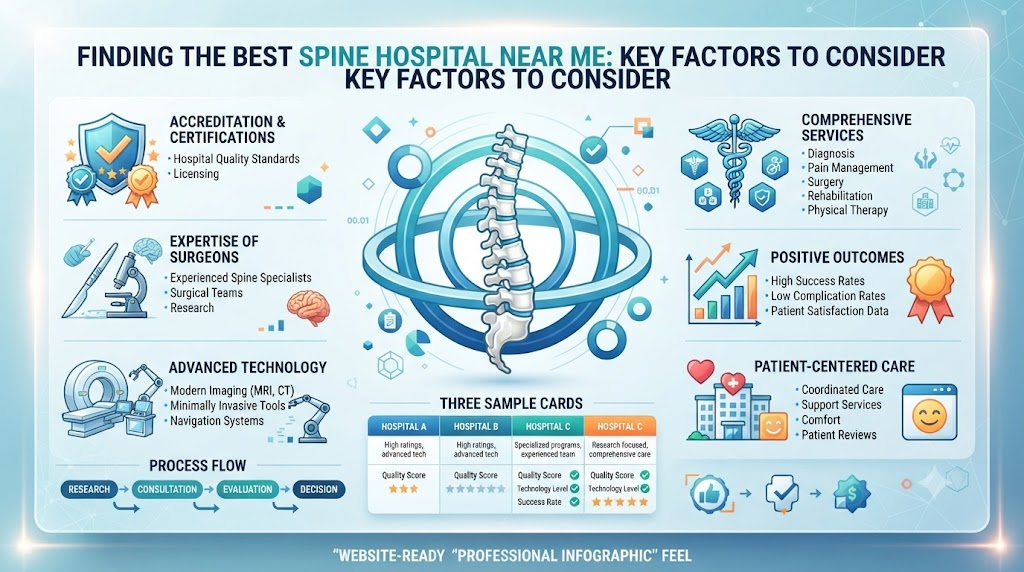
Making decisions about spine health can feel overwhelming. Whether managing chronic back pain, evaluating options for a herniated disc, or exploring surgical solutions for a complex spinal deformity, finding appropriate medical care is a critical first step. Because spinal conditions vary widely in severity, symptoms, and potential treatments, no single healthcare facility or doctor fits every individual.Patients often need to research and compare healthcare options to find facilities and specialists aligned with their clinical needs. Factors such as clinical expertise, diagnostic technology, surgical capabilities, non-surgical treatment offerings, physical rehabilitation services, and ongoing follow-up care all play major roles in long-term health outcomes. Navigating these factors requires clear, unbiased information. Learning how to evaluate facilities, assess specialist qualifications, and prepare for consultations helps patients make informed healthcare decisions alongside medical professionals.
Understanding Spine Care
The human spine is a complex structure of bones, discs, nerves, joints, and muscles designed to support weight, allow flexible movement, and protect the spinal cord. Because so many interconnected parts are involved, spinal issues can manifest in various ways, ranging from mild local discomfort to severe, radiating pain or loss of mobility.
Common spinal conditions include:
- Chronic Back and Neck Pain: Discomfort stemming from muscle strain, joint inflammation, or structural wear over time.
- Herniated or Slipped Discs: A condition where the soft cushion between spinal vertebrae bulges or ruptures, often irritating nearby nerves.
- Spinal Stenosis: A narrowing of the spinal canal that can place pressure on the spinal cord and nerve roots.
- Scoliosis and Spinal Deformities: Abnormal curvatures of the spine that can affect posture, balance, and organ function in severe cases.
- Degenerative Disc Disease: Age-related changes in the spinal discs that may lead to stiffness, discomfort, or reduced flexibility.
- Spinal Injuries and Fractures: Damage caused by trauma, sports injuries, or conditions like osteoporosis.
- Nerve Compression (Radiculopathy): Irritation of spinal nerves causing radiating pain, tingling, numbness, or weakness in the arms or legs.
Spine care encompasses a broad spectrum of medical approaches. It is a common misconception that seeking spine care automatically leads to surgery. In reality, comprehensive medical evaluation often begins with conservative, non-surgical approaches. Diagnostic imaging, physical therapy, targeted exercise, lifestyle adjustments, medication management, and therapeutic spinal injections form the frontline of treatment for many conditions. Surgery is typically considered only when non-surgical treatments do not yield adequate relief or when structural issues require direct surgical intervention.
What to Look for When Choosing the Best Spine Hospital
When researching treatment centers, patients benefit from evaluating specific clinical features rather than relying on brand names or general reputation. The best spine hospital for a given individual is one that offers appropriate expertise and resources for their specific medical condition.
Key factors to evaluate include:
- Specialized Expertise: Facilities with dedicated spine departments or specialized spine centers often possess deeper clinical experience across complex cases.
- Qualified Medical Staff: A strong hospital brings together fellowship-trained orthopedic spine surgeons, neurosurgeons, pain management specialists, physiatrists, and physical therapists.
- Advanced Diagnostic Capabilities: Modern imaging technology, such as high-resolution MRI, CT scanning, and digital X-rays, is essential for accurate diagnosis and precise treatment planning.
- Comprehensive Treatment Options: Look for centers that offer both conservative management programs and advanced surgical procedures.
- Dedicated Rehabilitation Facilities: Recovery often depends heavily on physical therapy; having integrated rehabilitation services supports smoother care transitions.
- Patient Communication and Support: Transparent discussions about risks, benefits, and treatment pathways indicate a patient-centered care culture.
- Facility Credentials and Safety Standards: Verify institutional accreditation, safety measures, and infection-control practices.
- Practical Logistics: Consider hospital accessibility, location, travel time for follow-up visits, and insurance network compatibility.
How to Compare the Best Spine Surgery Hospitals
For conditions requiring surgical evaluation, comparing specialized surgical centers becomes a key step. Surgical care involves much more than the procedure itself; it encompasses preoperative preparation, surgical precision, anesthesia management, and postoperative monitoring.
When evaluating spine surgery hospitals, patients should look into:
- Surgical Specialization: Assess whether the hospital handles a high volume of the specific procedure being considered, such as spinal fusion, laminectomy, or disc replacement.
- Multidisciplinary Surgical Teams: Complex surgeries often require coordination between spine surgeons, specialized anesthesiologists, neuro-monitoring technicians, and surgical nurses.
- Operating Room Technology: Advanced facilities often utilize intraoperative imaging, computer-assisted navigation systems, and specialized surgical equipment to support accuracy.
- Postoperative Care Units: High-quality surgical centers feature dedicated recovery rooms and intensive care support experienced in monitoring post-spine surgery recovery.
- Structured Follow-Up Protocols: Post-surgical care requires structured follow-up visits to monitor healing, address concerns, and guide the transition into physical therapy.
Surgical suitability must always be determined through direct clinical assessment by qualified medical professionals.
How to Choose the Best Hospital for Spine Surgery
When a specialist recommends evaluating surgical options, finding the best hospital for spine surgery involves matching the patient’s exact medical diagnosis with a facility’s specific clinical strengths.
Patients evaluating surgical centers should consider:
- Surgical Experience with Similar Cases: A facility experienced in standard lumbar procedures may differ from one specialized in complex cervical spine conditions or revision surgeries.
- Care Coordination: Effective communication between surgeons, primary care physicians, pain management experts, and physical therapists ensures continuity of care.
- Preoperative Evaluation and Education: Facilities that provide thorough pre-surgery assessments and clear patient education help set realistic expectations and prepare patients for recovery.
- Integrated Rehabilitation: On-site or closely affiliated physical therapy services help ensure that post-surgical rehabilitation aligns with the operating surgeon’s guidelines.
Surgery should only be pursued after a comprehensive evaluation, clear discussion of potential risks and benefits, and consideration of non-surgical alternatives where appropriate.
Finding the Best Spine Hospital Near Me
Location plays an important role in healthcare planning. When searching for the best spine hospital near me, balancing physical convenience with clinical capabilities is essential.
While traveling a longer distance may be necessary for rare or highly specialized procedures, choosing a accessible regional facility offers clear advantages:
- Easier Travel for Initial Visits: Multiple pre-treatment appointments and consultations are less burdensome when travel time is manageable.
- Convenient Follow-Up Care: Postoperative visits, wound checks, and progress evaluations require ongoing visits that are easier to maintain locally.
- Simplified Rehabilitation: Physical therapy often requires multiple sessions per week over several months, making proximity a major factor in treatment compliance.
- Family Support Systems: Having family and support networks nearby during hospital stays and initial recovery home care provides practical and emotional assistance.
The closest facility is not always the most appropriate choice for complex conditions, but finding a suitable clinical option within a reasonable distance makes overall care management significantly easier.
How to Find the Best Spine Surgeons
The expertise and approach of the individual specialist are just as important as the facility itself. Researching the best spine surgeons involves evaluating professional qualifications, treatment philosophies, and communication styles.
When researching specialists, consider the following criteria:
- Board Certification and Fellowship Training: Look for physicians who are board-certified in orthopedic surgery or neurosurgery with dedicated fellowship training in spine surgery.
- Focused Experience: Check whether the surgeon regularly treats your specific condition, whether it involves degenerative disc disease, spinal deformities, or nerve compression.
- Conservative Treatment Philosophy: Thoughtful specialists generally advocate for exploring non-surgical treatments before recommending surgical intervention, unless immediate surgery is medically indicated.
- Clear Communication Style: A good specialist takes time to explain diagnostic findings, discuss available options, outline potential risks, and answer questions thoroughly.
- Hospital Affiliations: Surgeons perform procedures at specific hospitals; ensuring the surgeon operates at a reputable, well-equipped facility is an important consideration.
The right specialist is one who combines clinical skill with a clear, communicative approach that helps patients feel informed and supported throughout their care.
Understanding Spine Surgery Hospitals and Their Services
Facilities dedicated to comprehensive spine care offer a broad spectrum of services designed to support patients through every stage of diagnosis, treatment, and recovery.
Key services commonly found in specialized spine centers include:
- Diagnostic Imaging and Testing: In-house MRI, CT scans, digital X-rays, and electrodiagnostic tests (EMG/NCS) to pinpoint nerve and structural issues.
- Pain Management Clinics: Interventional procedures such as epidural steroid injections, facet joint injections, and radiofrequency ablation managed by pain specialists.
- Non-Surgical Spine Clinics: Structured conservative management programs combining medical care, activity modification, and targeted physical therapy.
- Surgical Care Programs: Dedicated surgical suites equipped for open, minimally invasive, and motion-preserving spine procedures.
- Inpatient and Outpatient Rehabilitation: Physical therapy programs tailored to restore strength, flexibility, mobility, and functional independence.
- Long-Term Monitoring: Structured follow-up care to evaluate healing, monitor spinal stability, and manage long-term spinal health.
Because service offerings vary between institutions, verifying that a facility provides the specific diagnostic or therapeutic services required for your situation is an essential part of early research.
Minimally Invasive Spine Surgery
Minimally invasive spine surgery (MISS) refers to surgical techniques that utilize smaller incisions, specialized instruments, and image guidance to access the spine with reduced disruption to surrounding muscles and tissues.
Potential aspects of minimally invasive techniques include:
- Smaller Incisions: Procedures are performed through tiny openings rather than larger traditional incisions.
- Muscle Preservation: Techniques often rely on dilating or working between muscle fibers rather than cutting or detaching them from the bone.
- Targeted Interventions: Surgeons utilize tubular retractors, micro-instruments, and high-definition cameras or endoscopes to focus precisely on the problem area.
While minimally invasive procedures may offer benefits such as less immediate post-procedure muscle discomfort or shorter hospital stays for selected patients, they are not appropriate for every condition. Complex spinal deformities, extensive multi-level disease, or certain traumatic injuries may still require traditional open surgical approaches. The choice of technique depends entirely on individual anatomy, specific diagnosis, surgeon expertise, and overall health status.
Choosing the Best Hospital for Scoliosis Surgery
Scoliosis is a condition characterized by an abnormal lateral curvature of the spine. Treatment approaches vary significantly based on the patient’s age, the degree and progression of the curve, symptoms, and overall health.
When researching the best hospital for scoliosis surgery, patients and families should consider:
- Age-Specific Expertise: Scoliosis affects pediatric, adolescent, and adult populations differently. Pediatric specialized centers focus on growth considerations, while adult centers address spinal degeneration and secondary nerve compression.
- Deformity Care Experience: Surgical correction of spinal curves requires specialized expertise in deformity reconstruction, spinal instrumentation, and advanced intraoperative neuro-monitoring.
- Multidisciplinary Care Teams: Complex curve management often involves pediatricians or internists, pulmonologists, physical therapists, orthotists, and specialized spine surgeons.
- Long-Term Monitoring Capabilities: Scoliosis care requires extended follow-up to monitor spinal balance, growth, and long-term functional mobility.
Many individuals with mild or moderate scoliosis do not require surgery and are successfully managed through observation, physical therapy, or bracing. Surgical evaluation is typically reserved for progressive or severe curvatures.
Choosing the Best Hospital for Slipped Disc Treatment
A herniated or slipped disc occurs when the soft inner material of a spinal disc pushes through the tougher outer layer. This can cause local pain or place pressure on nearby nerves, leading to pain, numbness, tingling, or weakness radiating into the arms or legs.
When looking for the best hospital for slipped disc treatment, consider centers that offer a complete continuum of care:
- Accurate Diagnostic Workups: Comprehensive evaluation including clinical neurological exams and MRI imaging to identify the exact location and severity of disc displacement.
- Conservative First-Line Therapies: Structured physical therapy programs, anti-inflammatory medications, posture training, and activity guidance designed to support natural healing.
- Interventional Pain Support: Image-guided epidural injections to reduce local inflammation and help manage severe acute pain while conservative healing takes place.
- Surgical Options for Selected Cases: When conservative approaches do not resolve severe pain or when neurological deficits (such as progressive weakness) occur, procedures like microdiscectomy may be evaluated.
The vast majority of slipped disc cases improve over time with appropriate non-surgical management. Surgical consultation is generally considered when persistent symptoms significantly impact daily function despite conservative care.
What Makes the Best Spine Treatment Hospitals Different?
The distinction between general healthcare facilities and specialized spine treatment centers often lies in their integrated, multidisciplinary approach to care. Rather than viewing spine problems strictly through a single lens, comprehensive facilities bring together varied medical disciplines.
Features that set leading spine treatment programs apart include:
- Collaborative Medical Evaluation: Case management involving spine surgeons, physiatrists, physical therapists, and pain management physicians working together.
- Patient-Centered Decision Making: Prioritizing patient education, clear explanations of options, and shared decision-making regarding treatment plans.
- Advanced Diagnostic and Therapeutic Technology: Access to modern imaging, computer-guided surgical navigation, and specialized rehabilitation equipment.
- Structured Rehabilitation Pathways: Evidence-based physical therapy protocols designed specifically for individual spinal conditions and surgical procedures.
- Emphasis on Long-Term Wellness: Guidance on core strengthening, ergonomics, weight management, and lifestyle habits to support long-term spine health.
How to Prepare for a Spine Consultation
A consultation with a spine specialist is an opportunity to gather information, understand your condition, and explore treatment pathways. Preparing in advance helps ensure you get the most out of your appointment.
Bring Relevant Medical Records
Organize and bring all documentation related to your spine health history, including:
- Recent diagnostic imaging (MRI, CT, X-ray) films or digital discs, along with written radiology reports.
- Diagnostic test results such as electromyography (EMG) or nerve conduction studies.
- Records of past treatments, including physical therapy notes, injection details, or prior surgical reports.
- A current list of all medications, dosages, and relevant medical conditions.
Describe Symptoms Clearly
Be ready to explain your symptoms in detail to help the doctor understand your condition:
- When symptoms first started and whether they began suddenly or developed gradually.
- The exact locations of pain, stiffness, numbness, tingling, or weakness.
- Whether discomfort travels down into your shoulders, arms, buttocks, legs, or feet.
- Specific activities, postures, or times of day that relieve or worsen the symptoms.
- How symptoms affect your daily routines, work, sleep, and physical activities.
Prepare Questions
Write down a list of questions to ask during your consultation to address your main concerns regarding diagnosis, treatment options, potential risks, and expected outcomes.
Share Relevant Medical History
Inform the specialist about overall health factors, including chronic medical conditions, past surgeries, active medications, allergies, and lifestyle factors like physical activity levels or occupational demands.
Ask About Treatment Options
Inquire about both non-surgical and surgical care options. Ask about the typical progression of your condition and what steps are recommended next based on your diagnostic results.
Questions to Ask a Spine Surgeon
When meeting with a specialist to discuss treatment options, asking targeted questions helps clarify your path forward:
- What is the specific diagnosis causing my current symptoms?
- Are there additional diagnostic tests needed to confirm this finding?
- What conservative, non-surgical treatment options are recommended for my condition?
- Under what circumstances would surgical intervention be considered?
- If surgery is recommended, what specific procedure is proposed, and why is it appropriate for my condition?
- What are the potential risks, benefits, and expected outcomes of this treatment?
- Are there alternative procedures or less invasive options available?
- What type of post-treatment rehabilitation or physical therapy will be required?
- What is the anticipated recovery timeline and path back to normal daily activities?
- How are post-treatment complications or unexpected symptoms handled by your care team?
Common Mistakes to Avoid When Choosing a Spine Hospital
Navigating healthcare choices requires careful evaluation. Avoiding common oversights helps ensure you select a facility suited to your medical needs:
- Selecting Based Only on Online Ranking Lists: Relying solely on internet search placements without evaluating clinical qualifications or facility credentials.
- Assuming Higher Cost Guarantees Better Care: Conflating higher prices with superior medical quality instead of evaluating verified clinical expertise.
- Relying Exclusively on Online Marketing Claims: Accepting promotional statements or guaranteed outcome claims without consulting medical professionals.
- Focusing Solely on Surgery: Overlooking non-surgical treatment capabilities, physical therapy programs, and interventional pain management offerings.
- Neglecting Rehabilitation and Follow-Up Care: Choosing a facility without considering how physical therapy and ongoing follow-up care will be managed.
- Overlooking Practical Location Factors: Selecting a distant facility for standard procedures without accounting for the burden of frequent travel during recovery.
- Delaying Medical Evaluation: Postponing evaluation by a qualified specialist due to excessive time spent on online self-research.
How BestSpineHospitals Can Help Patients Research Their Options
Finding appropriate healthcare resources requires access to clear, organized information. Platforms dedicated to spine care research help streamline the process of comparing medical options.
BestSpineHospitals serves as a practical online resource designed to assist patients in researching and comparing spine hospitals, spine surgeons, treatments, and care options. The platform allows individuals to explore healthcare options based on key criteria such as location, specialized treatment offerings, specialist availability, and hospital clinical focus.
By centralizing information about both surgical and non-surgical care facilities, BestSpineHospitals helps users organize their research, understand available healthcare avenues, and prepare for productive discussions with qualified spine specialists.
The Role of Rehabilitation in Spine Care
Rehabilitation is a fundamental component of complete spine care, playing an essential role in both non-surgical treatment plans and post-surgical recovery.
Key aspects of physical rehabilitation include:
- Targeted Strengthening: Developing core, back, and abdominal muscle strength to better support the spinal column.
- Flexibility and Mobility Exercises: Restoring joint range of motion and reducing muscle stiffness in the back, neck, and extremities.
- Posture and Ergonomic Education: Learning movement patterns, lifting techniques, and posture habits that reduce stress on spinal structures.
- Post-Surgical Recovery: Guided physical therapy following surgical procedures to help rebuild strength, restore functional mobility, and support safe healing.
- Pain Reduction Strategies: Utilizing therapeutic exercise, manual therapy, and physical modalities to relieve discomfort and improve daily function.
Rehabilitation plans are tailored to individual diagnoses and physical capabilities under the guidance of licensed physical therapists and medical doctors.
The Growing Role of Digital Healthcare Research
The internet has changed how individuals approach their health, providing access to medical information, healthcare directories, and specialist profiles.
Key developments in digital health research include:
- Accessible Healthcare Directories: Online platforms that help users discover facilities and specialists offering specific medical treatments.
- Digital Medical Information: Educational resources that help patients understand conditions, diagnostic tests, and treatment pathways.
- Specialist Background Information: Digital profiles detailing doctor board certifications, clinical interests, and institutional affiliations.
- Appointment and Communication Portals: Digital tools that simplify scheduling consultations and sharing relevant medical documentation.
While online tools offer value for initial research and education, digital resources cannot replace direct physical examination, professional diagnostic interpretation, or personalized medical advice. Online research should serve as a foundation for informed discussions with licensed healthcare professionals.
Frequently Asked Questions About Spine Hospitals and Spine Treatment
1.How Do I Choose the Best Spine Hospital?
Choosing an appropriate spine hospital involves evaluating several key factors: clinical expertise in your specific condition, specialist credentials, diagnostic capabilities, availability of non-surgical treatment programs, surgical facilities, dedicated rehabilitation services, and accessible location for follow-up care.
2.What Should I Look for in the Best Spine Surgeons?
Look for board certification in orthopedic surgery or neurosurgery, specialized fellowship training in spine care, extensive experience with your specific diagnosis, a conservative treatment philosophy that explores non-surgical options first, clear communication, and affiliation with well-equipped hospitals.
3.How Can I Find the Best Spine Hospital Near Me?
Research regional healthcare centers, verify their spine care capabilities and specialist credentials, consider travel convenience for initial visits, rehabilitation, and follow-up care, and discuss options with your primary care physician for local recommendations.
4.When Is Spine Surgery Usually Considered?
Spine surgery is typically evaluated when conservative non-surgical treatments (such as physical therapy, medications, and injections) do not provide adequate relief, or when progressive neurological issues—such as persistent muscle weakness or nerve compression—are present.
5.Is Minimally Invasive Spine Surgery Suitable for Everyone?
No, minimally invasive spine surgery is not suitable for all conditions or patients. Whether a minimally invasive approach is appropriate depends on your specific diagnosis, spinal anatomy, the procedure required, overall health status, and surgeon assessment.
6.How Do I Choose a Hospital for Scoliosis Treatment?
Look for facilities with dedicated spinal deformity programs, age-appropriate care (pediatric or adult scoliosis expertise), advanced diagnostic imaging, multidisciplinary teams, experience in both conservative bracing and surgical management, and comprehensive rehabilitation support.
7.What Should I Consider When Choosing a Hospital for Slipped Disc Treatment?
Consider centers that offer a full range of conservative treatments (such as physical therapy and targeted injections) alongside surgical options (like microdiscectomy), advanced diagnostic MRI capabilities, experienced spine specialists, and clear post-treatment rehabilitation protocols.
8.Do All Spine Problems Require Surgery?
No, many spinal conditions can be managed effectively through non-surgical approaches such as physical therapy, activity modification, targeted exercise, medications, and interventional pain management without requiring surgical intervention.
9.What Should I Bring to a Spine Consultation?
Bring recent diagnostic imaging films or discs (MRI, CT, X-ray) with written reports, previous medical and surgical records, diagnostic test results, a list of current medications, detailed notes on your symptom history, and a written list of questions for the specialist.
10.Can BestSpineHospitals Help Me Research Spine Hospitals and Surgeons?
Yes, BestSpineHospitals provides educational tools and research resources to help patients search and compare spine hospitals, specialists, treatments, and healthcare options based on location, medical needs, and hospital clinical focus.
Conclusion
Navigating spine health decisions requires careful evaluation, reliable information, and clear communication with qualified medical professionals. Because spinal conditions range from acute back pain to complex deformities, finding appropriate medical care involves assessing hospital capabilities, diagnostic resources, specialist qualifications, non-surgical treatment offerings, and rehabilitation support. Whether managing a slipped disc, evaluating scoliosis care, or exploring minimally invasive surgical options, taking time to research options helps patients engage in informed healthcare discussions. Utilizing research tools like BestSpineHospitals can help streamline the process of comparing healthcare facilities and specialists, allowing you to approach your medical consultations with clarity and confidence.