Introduction
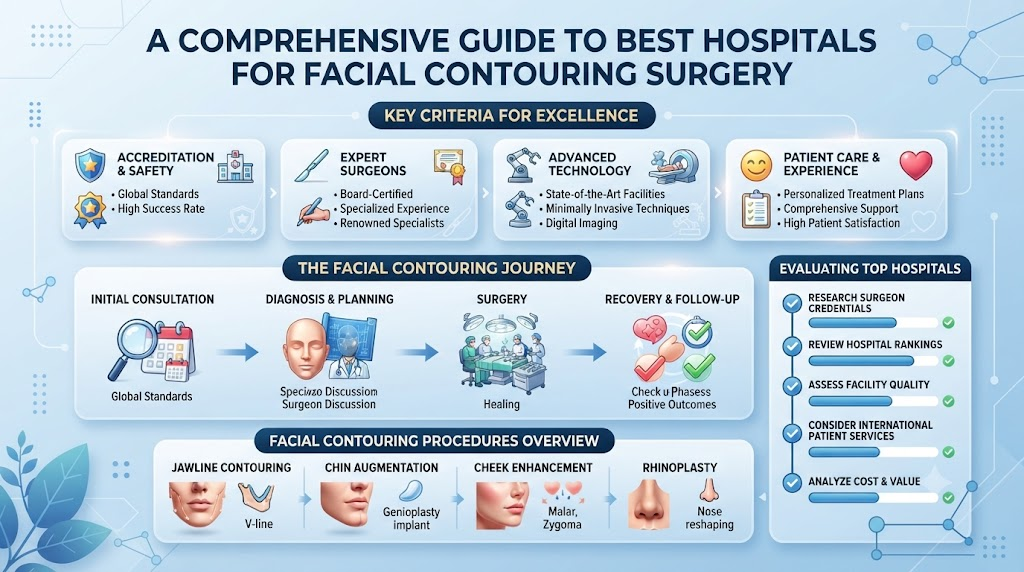
In recent years, interest in facial aesthetics and balanced facial proportions has grown significantly among individuals exploring cosmetic enhancements. Facial features play a central role in personal identity and self-expression, leading many people to seek ways to refine their facial contours. However, deciding to pursue aesthetic procedures is a personal journey that requires careful reflection, thorough research, and a clear understanding of what surgery can and cannot achieve.Choosing the right facility is one of the most critical decisions in the surgical journey. To help families and healthcare seekers navigate these choices, platforms like BESTCOSMETICHOSPITALS offer educational resources designed to guide patients toward informed, responsible healthcare decisions. This guide will explore what facial contouring surgery entails, common procedures, hospital selection criteria, safety considerations, and realistic expectations for recovery.
Understanding Facial Contouring Surgery
What Is Facial Contouring Surgery?
Facial contouring surgery encompasses a range of specialized surgical procedures designed to alter, reshape, or balance the bone and soft tissue structures of the face. This can involve reducing prominent angles, augmenting specific areas like the chin or cheeks, or correcting asymmetry to achieve more harmonious facial proportions.
Goals of Facial Contouring
The primary goal of facial contouring is to create natural-looking balance and symmetry that complements an individual’s unique anatomical features. Rather than chasing idealized trends, skilled surgeons focus on enhancing natural proportions while respecting each patient’s distinct facial structure and ethnic background.
Surgical vs Non-Surgical Facial Contouring
While non-surgical treatments—such as injectable fillers, neuromodulators, and thread lifts—offer temporary improvements with minimal downtime, they cannot permanently alter facial bone structure. Surgical facial contouring provides permanent structural changes, but it also involves invasive procedures, general anesthesia, and longer recovery periods.
Who May Consider Facial Contouring Surgery?
Candidates for facial contouring typically include healthy adults who are unhappy with specific structural aspects of their facial bone framework, such as a prominent jaw, a receding chin, or asymmetrical cheekbones. Candidates must possess realistic expectations, stable physical health, and psychological readiness for a surgical recovery process.
Common Types of Facial Contouring Procedures
Jawline Contouring Surgery
Jawline contouring aims to refine the lower face by reshaping the mandibular bone. Depending on individual goals, this can involve reducing overly square angles or strengthening a weak jawline to create a more defined profile.
Chin Reshaping and Genioplasty
Genioplasty is a surgical procedure that repositions, advances, or reduces the chin bone to improve facial balance from a profile perspective. It can correct a receding chin or reduce excessive chin projection.
Cheek Contouring Procedures
Cheek contouring enhances the midface region. This can be achieved through surgical bone repositioning or the placement of custom implants to restore volume and define the cheekbones.
Jaw Reduction Surgery
Jaw reduction targets prominent mandibular angles or masseter muscle hypertrophy to soften a square lower face, creating a more tapered or oval facial contour.
Chin Augmentation
Chin augmentation uses surgical implants or bone-sliding techniques to increase chin projection, helping harmonize the relationship between the nose, lips, and lower jaw.
Facial Bone Contouring
Comprehensive facial bone contouring involves reshaping multiple skeletal areas—such as the forehead, cheekbones, and jaw—to achieve balanced facial harmony.
Combined Facial Contouring Procedures
Many patients undergo combined procedures, such as pairing a genioplasty with jaw contouring, to address multiple facial proportions in a single surgical session and recovery period.
Why Hospital Choice Matters for Facial Contouring Surgery
Qualified Facial and Cosmetic Surgeons
The technical success of facial contouring relies heavily on the expertise, training, and aesthetic judgment of board-certified plastic or maxillo-facial surgeons who specialize in facial skeletal surgery.
Detailed Pre-Surgical Assessment
Top medical centers utilize comprehensive evaluations, including physical exams and psychological screenings, to ensure patients are physically and mentally prepared for surgery.
Advanced Imaging and Planning
Modern hospitals employ 3D digital imaging and computer-aided surgical planning software to map out precise bone cuts and predict aesthetic outcomes prior to the operation.
Modern Operating Facilities
Surgical suites must be equipped with advanced surgical tools, sterile environments, and specialized instrumentation designed specifically for delicate facial bone work.
Anesthesia and Patient Safety
Safe administration of general anesthesia requires experienced anesthesiologists and continuous monitoring equipment to manage patient vitals throughout complex procedures.
Emergency and Critical Care Support
Choosing an accredited hospital ensures that robust emergency infrastructure and critical care support are instantly available should any unforeseen medical complications arise.
Comprehensive Post-Surgical Follow-Up
Quality hospitals provide structured post-operative care programs, ensuring patients receive guidance on wound care, swelling management, and healing milestones.
Important Factors to Consider When Choosing a Hospital for Facial Contouring Surgery
| Factor | Why It Matters | What Patients Should Look For |
| Specialist Qualifications | Ensures surgery is performed by experts in facial anatomy and bone restructuring. | Board certification in plastic surgery, otolaryngology, or maxillo-facial surgery. |
| Experience With Relevant Procedures | High procedural volume correlates with refined surgical technique and complication management. | Surgeons with a proven portfolio and extensive experience in facial skeletal surgery. |
| Pre-Surgical Evaluation | Identifies underlying health conditions and aligns patient expectations with surgical realities. | Thorough medical history reviews, physical exams, and 3D imaging consultations. |
| Surgical Facilities | Complex bone surgery requires specialized sterile operating environments and advanced tools. | Accredited hospital operating suites equipped with specialized facial surgical instrumentation. |
| Anesthesia Support | Ensures patient comfort and safety during prolonged surgical interventions. | Board-certified anesthesiologists specializing in outpatient or inpatient surgical care. |
| Imaging and Treatment Planning | Precision planning minimizes surgical risks and improves structural symmetry. | Advanced 3D computed tomography scanning and computer-aided surgical simulation tools. |
| Patient Safety Standards | Minimizes infection risks and ensures strict adherence to sterile medical protocols. | Rigorous hospital accreditation, sterile air filtration, and safety compliance records. |
| Post-Operative Care | Supports smooth healing and provides prompt attention to recovery concerns. | Structured follow-up schedules, direct access to nursing staff, and recovery guidelines. |
| Emergency Support | Essential for managing acute surgical or anesthetic complications safely. | On-site emergency departments, intensive care units, and rapid-response protocols. |
Patients should carefully evaluate surgeon credentials, institutional safety standards, available facilities, and structured follow-up care rather than choosing a hospital based solely on promotional advertising, social media claims, or cost incentives. Facial contouring involves permanent structural changes, making clinical excellence and safety the top priorities.
How Facial Contouring Surgery Is Planned
Initial Consultation
The surgical journey begins with an in-depth consultation where the patient discusses their aesthetic goals, concerns, and personal motivation with the facial surgeon.
Medical History and Physical Assessment
The surgeon conducts a rigorous evaluation of the patient’s medical history, current medications, past surgeries, and general health status to rule out contraindications.
Understanding Facial Anatomy
Every face has unique bone density, nerve pathways, skin thickness, and soft tissue distributions. The surgeon carefully assesses these anatomical details during the physical examination.
Discussing Personal Goals
Open communication ensures the surgeon understands what the patient wishes to achieve, allowing them to explain which changes are anatomically feasible.
Imaging and Surgical Planning
Using photographs, physical measurements, and 3D digital scans, the surgical team maps out the exact adjustments needed to achieve the desired contour safely.
Creating an Individualized Treatment Plan
The surgeon formulates a customized surgical blueprint tailored specifically to the patient’s unique facial proportions and aesthetic goals.
Informed Consent and Understanding Potential Risks
Before scheduling surgery, the medical team reviews an informed consent document detailing the exact surgical steps, expected healing timelines, and potential risks.
The Facial Contouring Surgery Process
Pre-Surgery Preparation
Patients receive specific pre-operative instructions, including guidelines on fasting, stopping certain medications or supplements, and arranging transportation home.
Anesthesia
Facial contouring procedures are typically performed under general anesthesia to ensure the patient remains completely comfortable and unaware throughout the operation.
Surgical Procedure
Depending on the plan, the surgeon makes precise incisions—often concealed inside the mouth or along natural skin creases—to access the underlying bone or soft tissue, performing reshaping, reduction, or augmentation as required.
Immediate Recovery
Following surgery, the patient is transferred to a specialized recovery area where nursing staff closely monitor vital signs, airway stability, and post-operative comfort.
Hospital Observation
Depending on the complexity of the bone work and anesthesia used, patients may stay overnight in the hospital for observation or be discharged later the same day.
Discharge Planning
Before leaving the facility, patients receive detailed written instructions regarding medication schedules, cold compress application, dietary restrictions, and emergency contact numbers.
Benefits and Realistic Expectations
Potential Improvements in Facial Balance
When successful, facial contouring can create harmonious proportions, soften harsh angles, and enhance overall facial symmetry, boosting personal confidence.
Individualized Aesthetic Goals
Results are unique to each individual. The aim is not to transform a person’s appearance into someone else’s, but to refine their natural features tastefully.
Understanding Healing Changes
Patients must understand that immediate post-operative results do not reflect the final appearance due to significant swelling and tissue settling.
Why Results Take Time to Develop
Bone healing and soft tissue redraping are gradual biological processes. Final contour definition can take several months—and occasionally up to a full year—to become fully apparent.
The Importance of Realistic Expectations
Surgery can improve physical proportions, but it cannot alter lifestyle circumstances, emotional well-being, or interpersonal relationships. Maintaining grounded, realistic expectations is essential for psychological satisfaction.
Safety and Risks of Facial Contouring Surgery
General Surgical Risks
As with any major surgical procedure, risks include adverse reactions to anesthesia, excessive bleeding, hematoma formation, and wound healing complications.
Anesthesia-Related Risks
General anesthesia carries inherent risks, which are minimized when administered by qualified anesthesiologists in accredited hospital settings.
Bleeding and Swelling
Extensive bruising and profound facial swelling are standard physiological responses to facial skeletal surgery and require attentive post-operative management.
Infection
Surgical sites carry a risk of infection, which is mitigated through strict sterile operating protocols and prophylactic antibiotic administration.
Nerve-Related Concerns
Because facial bone surgery is performed near delicate sensory and motor nerves, temporary numbness, altered sensation, or muscle weakness can occur, though permanent nerve damage is rare.
Healing and Scarring
While many incisions are hidden inside the mouth, external incisions can leave faint scars that fade significantly over time with proper care.
Asymmetry or Unsatisfactory Results
Minor asymmetries can occur during natural healing, and in some cases, the aesthetic outcome may not fully align with pre-operative expectations.
Possible Need for Revision Procedures
If healing results in significant asymmetry, structural irregularities, or unmet goals, a secondary revision procedure may occasionally be considered after complete tissue healing.
Recovery After Facial Contouring Surgery
The First Few Days
The initial days following surgery involve significant facial swelling, tightness, and mild to moderate discomfort managed with prescribed pain medications.
Managing Swelling and Discomfort
Keeping the head elevated, applying cold compresses as directed, and taking medications strictly on schedule help control inflammation during the acute recovery phase.
Diet and Hydration
Patients are typically restricted to liquid or soft foods during the initial healing period, particularly when intraoral incisions are present, ensuring adequate hydration and nutrition.
Activity Restrictions
Strenuous exercise, heavy lifting, bending over, and high-impact activities must be avoided for several weeks to prevent blood pressure spikes and swelling.
Wound and Incision Care
Maintaining meticulous oral hygiene with prescribed mouth rinses or keeping external incision sites clean and dry prevents infection and promotes smooth healing.
Follow-Up Appointments
Regular check-ins allow the surgeon to inspect healing progress, remove sutures if necessary, and clear the patient for progressive return to normal routines.
Returning to Work and Daily Activities
Most patients require two to three weeks away from work or school to allow acute swelling and bruising to subside sufficiently for public visibility.
Long-Term Healing
Complete resolution of subtle residual swelling and full tissue softening can take many months, during which the new facial contours gradually refine.
How to Prepare for Facial Contouring Surgery
- Discuss Your Complete Medical History: Provide a thorough account of past illnesses, previous surgeries, bleeding disorders, and current health conditions.
- Understand the Recommended Procedure: Review surgical diagrams and explanations with your surgeon until you fully grasp what the operation entails.
- Ask About Potential Risks: Discuss specific complication risks related to your anatomy and health profile openly with your surgical team.
- Review Medication Instructions: Stop taking blood-thinning medications, aspirin, and certain herbal supplements well in advance as instructed by your doctor.
- Arrange Post-Surgery Support: Enlist a trusted family member or friend to drive you home and assist with daily tasks during the first week of recovery.
- Plan Time for Recovery: Take adequate time off work, school, and social obligations to focus entirely on healing without rushing.
- Follow Pre-Operative Instructions: Adhere strictly to fasting timelines, hygiene protocols, and pre-surgical medication guidelines provided by the hospital.
Common Mistakes Patients Should Avoid
Choosing Surgery Based Only on Cost
Selecting a surgical provider primarily because of discounted pricing or low-cost promotional offers can compromise safety standards, facility quality, and surgical expertise.
Ignoring Surgeon Qualifications
Failing to verify board certification and specialized training in facial skeletal surgery increases the likelihood of unsatisfactory outcomes or preventable complications.
Having Unrealistic Expectations
Expecting surgery to completely alter one’s life or replicate digital filter ideals often leads to psychological disappointment regardless of technical success.
Not Disclosing Medical History
Hiding smoking habits, previous cosmetic treatments, or underlying health conditions from the surgical team puts patient safety at serious risk during anesthesia and recovery.
Skipping Follow-Up Appointments
Missing scheduled post-operative checks prevents the medical team from catching early healing complications or providing timely guidance.
Returning to Activities Too Quickly
Resuming heavy exercise, heavy lifting, or strenuous routines prematurely can exacerbate swelling, cause bleeding, and disrupt surgical bone healing.
Following Unverified Online Advice
Relying on anecdotal tips from unverified internet forums rather than professional medical instructions can jeopardize recovery safety.
Supporting Healthy Recovery
Following the Surgical Team’s Instructions
Adhering meticulously to all post-operative care guidelines, medication schedules, and activity restrictions is the most crucial step toward a successful recovery.
Maintaining Nutrition
Consuming nutrient-dense, soft, protein-rich foods supports cellular repair, tissue regeneration, and overall physical healing.
Staying Hydrated
Drinking adequate water aids metabolic recovery, reduces post-operative sluggishness, and supports normal bodily functions.
Avoiding Tobacco and Harmful Habits
Smoking and nicotine use constrict blood vessels, severely impair oxygen delivery to healing tissues, and dramatically increase the risk of tissue necrosis and delayed healing.
Protecting Incisions
Avoiding makeup, harsh skin products, or pressure on surgical sites protects delicate incisions while they mature.
Attending Follow-Up Visits
Keeping all scheduled evaluation appointments ensures your surgeon can monitor your structural healing progress safely.
Monitoring for Concerning Symptoms
Watch closely for warning signs such as severe worsening pain, spreading redness, high fever, pus drainage, or sudden breathing difficulty, and report them immediately.
Modern Technology in Facial Contouring Surgery
Advanced Facial Imaging
High-resolution 3D photography allows surgeons to capture detailed surface topography of the face, facilitating precise pre-operative analysis and patient communication.
Digital Surgical Planning
Computer software enables surgeons to simulate bone cuts and soft tissue movements virtually, predicting structural changes before entering the operating room.
Precision Surgical Techniques
Advanced ultrasonic bone-cutting instruments allow surgeons to sculpt and cut bone with extreme precision while minimizing trauma to adjacent soft tissues and nerves.
Improved Anesthesia Monitoring
Modern anesthetic delivery systems and continuous physiological monitoring enhance patient safety and comfort throughout complex surgical procedures.
Digital Follow-Up and Patient Communication
Telehealth platforms and secure patient portals make it easy for recovering patients to share healing photos and ask quick questions between physical visits.
Future Developments in Facial Aesthetic Surgery
Ongoing advancements in regenerative medicine, biocompatible fixation materials, and AI-assisted planning continue to push the boundaries of safety and precision in facial surgery.
Facial Contouring Surgery for Medical Travelers
Planning Treatment Away From Home
Traveling away from home for cosmetic surgery requires meticulous logistical planning, realistic scheduling, and open communication with the surgical team.
Pre-Travel Consultation
Utilize virtual consultations to review medical records, discuss goals, and confirm surgical candidacy before booking travel arrangements.
Choosing an Appropriate Hospital
Select an accredited hospital that routinely assists international patients, offering transparent care coordination and multilingual support services.
Travel and Recovery Planning
Surgeons typically require medical travelers to remain in the local area for a specific post-operative window—often ten to fourteen days—to attend initial follow-up checks before air travel is permitted.
Accommodation and Support
Arrange comfortable, accessible accommodation near the hospital and ensure a trusted companion travels with you to assist during early recovery.
Follow-Up After Returning Home
Establish a clear plan for remote follow-up care and identify a local healthcare provider in your home city who can assist with suture removal or urgent checks if needed.
Frequently Asked Questions (FAQ)
1.What is facial contouring surgery?
Facial contouring surgery involves a collection of specialized surgical procedures designed to reshape, resize, or balance the skeletal and soft tissue structures of the face. This can include modifying the jawline, chin, or cheekbones to achieve more harmonious facial proportions according to individual anatomical goals.
2.Which procedures are included in facial contouring?
Facial contouring procedures commonly include genioplasty for chin reshaping, jaw angle reduction, chin augmentation with implants, cheek contouring, and comprehensive facial bone surgery. Procedures are selected based on individual facial anatomy and specific aesthetic goals discussed during consultation.
3.How do I choose a hospital for facial contouring surgery?
When choosing a hospital, evaluate the credentials and board certification of the surgical specialists, the presence of accredited operating facilities, advanced 3D imaging technology, robust safety protocols, critical care support, and structured post-operative care programs rather than deciding based on cost alone.
4.Is facial contouring surgery suitable for everyone?
No, facial contouring surgery is not suitable for everyone. Candidates must be in good general physical health, have realistic expectations about surgical outcomes, and possess psychological stability. A thorough medical evaluation by a qualified specialist determines individual candidacy.
5.How should I choose a qualified surgeon?
Look for board-certified plastic, maxillo-facial, or otolaryngology surgeons who specialize specifically in facial skeletal surgery. Review their professional training, procedural volume, before-and-after portfolios of actual patients, and hospital affiliations to ensure high standards of expertise.
6.What are the main risks of facial contouring surgery?
General risks include adverse anesthesia reactions, bleeding, hematoma, infection, temporary or permanent nerve changes causing numbness, asymmetrical healing, and unsatisfactory aesthetic results that may occasionally require a secondary revision procedure.
7.How long does recovery take?
Initial social downtime typically lasts two to three weeks as acute swelling and bruising subside. However, complete healing of bone structures and the final settling of soft tissues are gradual processes that can take several months to a full year.
8.Will facial contouring surgery leave scars?
Many facial contouring procedures are performed through incisions made inside the mouth, leaving no visible external scars. When external incisions are necessary, skilled surgeons place them discreetly within natural skin creases where they fade significantly over time.
9.Can multiple facial contouring procedures be performed together?
Yes, surgeons frequently combine complementary procedures—such as jaw contouring and genioplasty—in a single operative session. This approach allows for balanced facial harmonization and consolidates the recovery period into one healing timeline.
10.What should I ask during my first consultation?
During your first consultation, ask about the surgeon’s specific experience with your desired procedure, what surgical techniques will be used, potential risks, expected recovery timelines, where the surgery will be performed, and what post-operative support is provided.
Final Conclusion
Embarking on a journey toward facial aesthetics and enhanced facial proportions requires careful reflection, realistic expectations, and meticulous planning. Facial contouring surgery offers permanent structural enhancements, but because it involves intricate bone and soft tissue reshaping, it demands the highest standards of surgical expertise, advanced hospital infrastructure, and patient safety protocols. Understanding that results develop gradually over many months helps ground expectations in reality rather than rushing toward immediate outcomes.Choosing an appropriately equipped hospital with qualified specialists, robust diagnostic imaging, and comprehensive post-operative care is vital for minimizing risks and achieving harmonious, natural-looking results.