Introduction
The landscape of aesthetic healthcare has evolved significantly, with a growing demand for procedures that offer body enhancement without the need for surgery. Non-invasive fat reduction has become a cornerstone of modern cosmetic care, allowing individuals to target stubborn areas that often resist diet and exercise. Unlike surgical interventions, these treatments generally require little to no downtime, making them an attractive option for those with busy lifestyles.At BESTCOSMETICHOSPITALS, we aim to demystify these aesthetic services. In this guide, we will explore the technologies used in body contouring, how to identify suitable candidates, and what you should look for when selecting a cosmetic healthcare provider to ensure a safe and informed journey.
What Is Non-Invasive Fat Reduction?
Non-invasive fat reduction refers to aesthetic treatments designed to reduce localized fat deposits through external applications rather than surgical removal. It is crucial to distinguish this from weight loss.
While weight loss programs aim to reduce overall body mass, body contouring focuses on reshaping specific areas of the body. These procedures are intended for individuals who are generally close to their ideal weight but struggle with small, persistent fat pockets. Having realistic expectations is essential; these treatments are designed for refinement, not for dramatic shifts in body weight.
How Non-Invasive Fat Reduction Works
Modern cosmetic hospitals utilize various technologies that selectively target fat cells while protecting the integrity of surrounding skin, muscles, and nerves.
- Cryolipolysis: Uses controlled cooling to freeze and crystallize fat cells, which are then naturally processed and eliminated by the body.
- Radiofrequency (RF): Uses thermal energy to heat fat tissue, often stimulating collagen production simultaneously for a tightening effect.
- Laser Lipolysis: Employs specific light wavelengths to disrupt fat cell membranes, encouraging the body to break them down.
- High-Intensity Focused Ultrasound (HIFU): Uses focused ultrasound energy to disrupt fat cells at a precise depth below the skin.
- Electromagnetic Body Contouring: Focuses on muscle stimulation to strengthen and tone the treated area, often used to complement fat reduction.
Common Body Areas Treated
Body contouring is versatile and can be applied to several areas where stubborn fat often accumulates:
- Abdomen: The most common area for reduction.
- Waist and Flanks: Often referred to as “love handles.”
- Thighs: Inner and outer regions.
- Upper Arms: Targeting the “bat wing” area.
- Back Fat: Areas under the bra line or on the upper back.
- Chin and Neck: Specifically for submental fat.
Non-Invasive Fat Reduction Technologies Comparison
| Technology | Primary Purpose | Typical Benefit |
| Cryolipolysis | Fat freezing | Gradual fat reduction |
| Radiofrequency | Fat reduction & skin tightening | Improved body contour |
| Laser Fat Reduction | Target localized fat | Non-surgical body shaping |
| HIFU | Focused ultrasound energy | Fat reduction in selected areas |
| Electromagnetic | Muscle stimulation | Improved body definition |
Who May Be a Suitable Candidate?
Non-invasive body contouring is not for everyone. Ideal candidates typically share the following characteristics:
- Healthy Weight Range: Individuals who are already close to their target body weight.
- Stubborn Deposits: People with localized fat that remains despite regular diet and exercise.
- Healthy Habits: Patients who maintain a balanced lifestyle, as this helps maintain the results.
- Realistic Expectations: Those who understand that these procedures provide subtle, refined changes.
A thorough medical evaluation is a prerequisite at any reputable facility to ensure you have no underlying conditions that would make these treatments unsuitable.
Benefits of Choosing Specialized Cosmetic Hospitals
Opting for a hospital setting for your aesthetic procedures provides distinct advantages:
- Medical Oversight: Access to experienced cosmetic surgeons and dermatologists.
- Advanced Equipment: Hospitals invest in the latest, FDA-cleared devices to ensure efficacy.
- Personalized Planning: Treatments are tailored to your specific anatomy and goals.
- Safety Standards: Strict protocols regarding sanitation and emergency readiness.
- Holistic Follow-up: Ongoing assessment to monitor your progress and satisfaction.
Choosing the Right Cosmetic Hospital
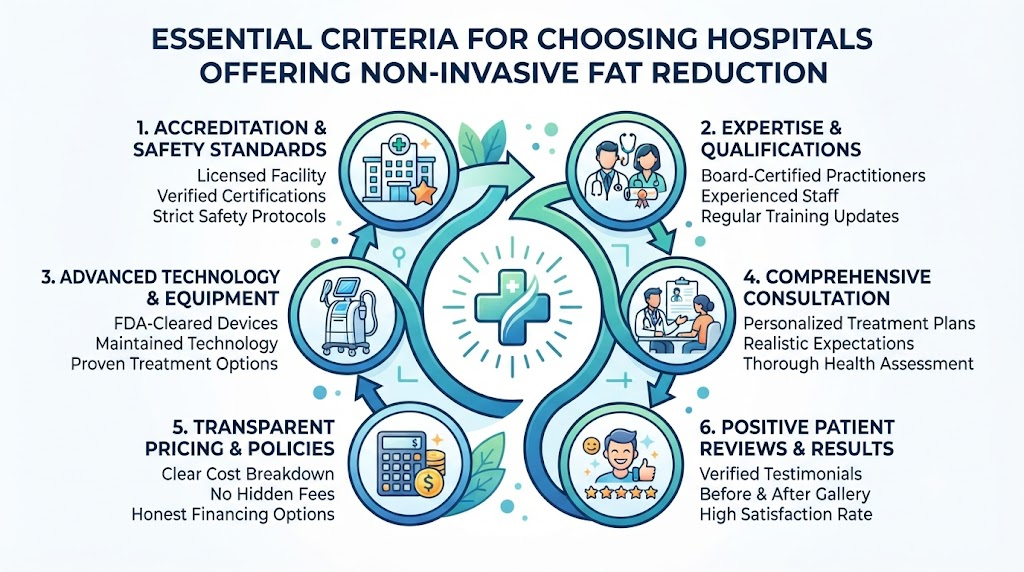
When searching for a facility, prioritize safety and transparency. Consider these factors:
- Qualified Personnel: Verify that treatments are performed or supervised by licensed specialists.
- Accreditation: Ensure the facility meets regional healthcare and safety standards.
- Modern Equipment: Look for hospitals that use recognized, high-quality devices.
- Patient Consultation: A reputable center will provide an honest assessment, including potential limitations.
- Follow-up Support: A clear plan for post-treatment monitoring.
Hospital Selection Checklist
- Experienced Specialists: Professional guidance throughout the process.
- Advanced Equipment: Access to modern, non-invasive technology.
- Personalized Consultation: Honest and clear discussions about goals.
- Accredited Facility: Commitment to high safety and hygiene standards.
- Post-Treatment Support: Availability for questions and recovery guidance.
Recovery and Aftercare
One of the main benefits of these procedures is the minimal downtime. Most patients can return to their daily routines immediately. However, minor swelling, redness, or tenderness may occur.
- Hydration: Staying well-hydrated supports the body’s natural elimination process.
- Activity: Light physical activity is usually encouraged.
- Nutrition: Maintaining a healthy diet helps you hold onto the results.
- Follow-up: Keep all scheduled appointments so your specialist can evaluate the progress.
Common Myths vs Facts
| Myth | Fact |
| It is a weight-loss treatment. | It is intended for contouring, not mass weight reduction. |
| Results appear immediately. | Results are often gradual as the body processes the fat. |
| One session is always enough. | Multiple sessions are often required for optimal results. |
| Results are permanent without effort. | Healthy habits are essential to maintaining your new shape. |
Common Mistakes People Make
- Unrealistic Expectations: Expecting the results of surgery from non-invasive methods.
- Cost-focused decisions: Choosing a provider based only on price rather than safety and expertise.
- Ignoring lifestyle: Stopping healthy habits because they think the procedure is a “fix-all.”
- Skipping consultations: Failing to discuss medical history or goals clearly.
Solution: Always be transparent with your specialist about your health history and expectations during your consultation.
Real-Life Educational Scenarios
- Post-Weight Loss: An individual who successfully lost 30 pounds through diet and exercise uses body contouring to address stubborn abdominal fat that hasn’t budged.
- Targeted Reduction: A patient seeks treatment for love handles that are resistant to intense gym routines, opting for a non-surgical approach for a more sculpted look.
- Integrated Wellness: A patient undergoes a series of sessions at a cosmetic hospital and receives nutritional counseling to ensure their body contouring results are maintained long-term.
FAQs
- What is non-invasive fat reduction?
Treatments that remove fat without surgery or incisions. - How does it work?
Technologies like cooling or energy-based heat disrupt fat cells. - Is it painful?
Most patients report minimal discomfort, often described as mild pressure or tingling. - Who is a candidate?
Adults close to their ideal weight with specific, localized fat pockets. - How many sessions?
This varies, but often a series of sessions is recommended. - Recovery time?
Typically none; most patients return to normal activities immediately. - Are results permanent?
Fat cells are permanently removed, but remaining cells can grow if weight is gained. - Can it replace liposuction?
It is for mild contouring, not for large-volume fat removal. - Areas treated?
Abdomen, thighs, arms, chin, back, and waist. - Is it safe?
When performed by trained professionals in accredited facilities, it is generally safe. - How to prepare?
Attend a full consultation and inform the doctor of your medical history. - Expectations after?
You may see subtle changes within weeks, with final results months later. - Can it be combined?
Yes, many hospitals offer combination treatments for better skin tone. - How to choose a hospital?
Look for qualified staff, accreditation, and good hygiene standards. - When to see a specialist?
If you have specific body contouring goals you’d like to discuss professionally.
Final Thoughts
Non-invasive fat reduction offers a modern, efficient path for individuals seeking to refine their silhouette and address stubborn fat deposits. By prioritizing qualified cosmetic hospitals and understanding that these procedures are meant for body contouring rather than weight loss, you can approach your aesthetic goals with confidence and realism.For reliable guidance on finding specialized cosmetic hospitals and learning about available aesthetic procedures, explore BESTCOSMETICHOSPITALS. Always consult with a qualified cosmetic surgeon or dermatologist to determine the best plan for your unique body and health goals.