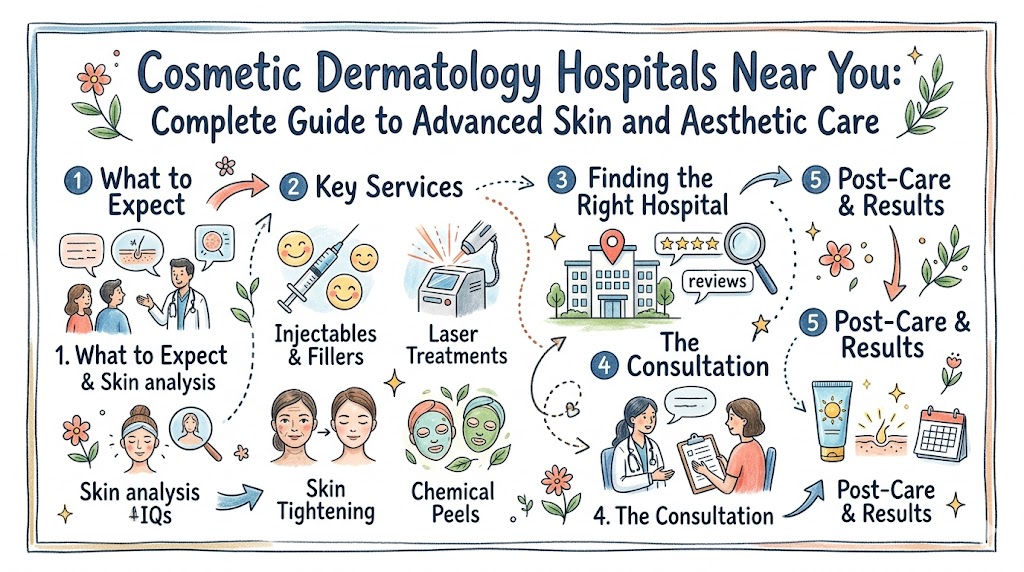
Introduction
Your skin is a reflection of your vitality, confidence, and overall well-being. Whether you are aiming to smooth fine lines, revitalize a tired complexion, or address persistent skin concerns, professional aesthetic care can make a transformative difference in how you look and feel. As interest in non-surgical beauty enhancements grows, finding a trusted medical partner is more important than ever.
Cosmetic dermatology bridges the gap between science and aesthetics, offering sophisticated solutions tailored to your unique skin type. Choosing the right hospital ensures that you receive treatments administered by experts in environments that prioritize both safety and exceptional results. In this guide, we will explore the landscape of modern skin care, helping you understand how to navigate your options. You can find more expert resources and facility guides at BestCosmeticHospitals to help you make an informed decision for your journey toward healthier, more radiant skin.
Quick Answer
A top-tier cosmetic dermatology hospital stands out by combining board-certified expertise with advanced medical-grade technology. Look for facilities that prioritize a thorough consultation process, utilize sterile and modern equipment, and offer personalized treatment plans rather than “one-size-fits-all” approaches. The best centers ensure patient safety through strict hygiene standards, transparent communication about expectations, and comprehensive aftercare support. By focusing on scientific innovation and patient-centered care, these hospitals deliver natural, sustainable aesthetic results that align with your long-term skin health goals.
Understanding Cosmetic Dermatology
What Is Cosmetic Dermatology?
Cosmetic dermatology is a specialized branch of medicine dedicated to improving the aesthetic appearance of the skin, hair, and nails. Unlike medical dermatology, which focuses primarily on diagnosing and treating diseases like skin cancer or psoriasis, cosmetic dermatology centers on rejuvenation, enhancement, and the correction of visible skin concerns.
How Cosmetic Dermatology Differs from Medical Dermatology
While both fields require deep knowledge of skin biology, their goals differ. Medical dermatology is restorative—aiming to return the skin to a healthy state. Cosmetic dermatology is elective and focus-oriented, using advanced procedures to enhance skin texture, volume, and overall appearance for personal satisfaction and confidence.
Common Skin and Aesthetic Concerns Treated
Patients often seek treatment for signs of aging, such as wrinkles and sagging skin, as well as surface imperfections like acne scars, sun damage, uneven pigmentation, and unwanted hair. It encompasses everything from subtle touch-ups to significant skin resurfacing.
Who Can Benefit from Cosmetic Dermatology Services?
Nearly anyone interested in skin health can benefit. Whether you are a younger adult looking to manage early acne scars or an older adult seeking to minimize sun damage and deep wrinkles, cosmetic dermatology provides options tailored to every stage of life and every skin type.
Why Professional Treatment Matters
The skin is the body’s largest organ and requires expert care. Procedures performed by non-professionals in unregulated settings carry risks of infection, scarring, or pigment changes. Professional hospitals provide the medical oversight, sterile environment, and clinical expertise needed to ensure treatments are safe and effective.
Popular Cosmetic Dermatology Treatments
Laser Skin Resurfacing
Laser treatments use concentrated light energy to remove damaged outer layers of skin, stimulating collagen production beneath the surface. This is highly effective for reducing wrinkles, acne scars, and uneven texture.
Chemical Peels
These procedures involve the application of a specialized chemical solution that exfoliates the top layer of skin. This process encourages cell turnover, resulting in a fresher, brighter complexion.
Botox and Wrinkle Reduction Treatments
Botox is a refined protein that temporarily relaxes the muscles responsible for creating dynamic wrinkles, such as crow’s feet and forehead lines, giving the face a more rested appearance.
Dermal Fillers
Fillers add volume to areas that have lost it due to aging, such as the cheeks or lips. They effectively soften deep lines and contour the face for a more youthful look.
Acne Scar Treatments
Combining lasers, microneedling, and sometimes chemical peels, these treatments work to break up scar tissue and stimulate new, healthy skin growth to level out skin texture.
Pigmentation and Skin Brightening Procedures
These treatments target excess melanin to reduce the appearance of sunspots, age spots, and melasma, resulting in a more even skin tone.
Hair Restoration Treatments
Using methods like PRP (Platelet-Rich Plasma) therapy or advanced laser stimulation, these procedures help reactivate dormant hair follicles and improve scalp health.
Skin Tightening and Anti-Aging Procedures
Using technologies like radiofrequency or ultrasound, these procedures heat deep layers of skin to stimulate natural contraction and collagen tightening without surgery.
Common Skin Concerns Addressed by Cosmetic Dermatologists
Acne and Acne Scars
Acne is a complex condition; once the active breakouts are managed, dermatologists use various resurfacing techniques to fade the persistent marks and scars left behind.
Hyperpigmentation
Often caused by sun exposure or inflammation, hyperpigmentation appears as dark patches. Targeted treatments work to lighten these areas for a more uniform appearance.
Fine Lines and Wrinkles
These are the natural results of aging and environmental stress. A variety of treatments, from neuromodulators to collagen-inducing lasers, can smooth these lines significantly.
Sun Damage
Decades of ultraviolet exposure lead to leathery texture and spots. Cosmetic dermatologists can help repair this damage through medical-grade exfoliation and regenerative therapies.
Uneven Skin Texture
Rough skin can be caused by dehydration, buildup, or scarring. Professional exfoliation and resurfacing restore a soft, smooth feel to the skin.
Hair Loss and Thinning Hair
Whether caused by genetics or stress, hair thinning is addressed through scalp-stimulating treatments that nourish follicles and improve hair density over time.
Enlarged Pores
While you cannot physically “close” a pore, dermatologists use treatments to keep them clear and stimulate the surrounding collagen, making them appear tighter and less noticeable.
Features of Top Cosmetic Dermatology Hospitals Near You
Experienced Dermatologists
A hospital’s reputation is built on its medical staff. Top facilities employ board-certified dermatologists who have specialized training in cosmetic techniques and a keen aesthetic eye.
Advanced Laser Technology
Leading centers invest in a wide array of laser platforms, ensuring they have the right “tool” for every skin tone and concern, rather than relying on a single, outdated machine.
Personalized Treatment Plans
No two patients are identical. A reputable hospital conducts a full analysis of your skin, lifestyle, and goals to build a roadmap that makes sense for you specifically.
Modern Diagnostic Facilities
Advanced centers use digital skin imaging to see beneath the surface, identifying sun damage or pigment changes that aren’t yet visible to the naked eye.
Safety and Hygiene Standards
Hospitals adhere to the same rigorous clinical standards as surgical centers, ensuring that all tools are sterilized and all procedures are performed in controlled, safe environments.
Comprehensive Patient Care
The experience should be holistic—starting from a warm welcome, continuing through comfortable treatment rooms, and ending with dedicated post-care support.
Follow-Up and Maintenance Programs
Successful skin care is a long-term commitment. Great hospitals schedule regular follow-ups to monitor your skin’s progress and adjust your maintenance plan as needed.
Advanced Technologies Used in Cosmetic Dermatology
Fractional Laser Technology
This approach treats only a “fraction” of the skin surface, leaving surrounding tissue intact. This promotes rapid healing while achieving deep resurfacing results.
Radiofrequency Skin Tightening
By delivering controlled heat energy deep into the dermal layers, radiofrequency devices stimulate the body’s natural collagen production without damaging the surface.
AI-Assisted Skin Analysis
AI tools map your face to detect fine lines, pore size, and hidden sun damage, providing objective data to guide your treatment choices.
PRP Therapy
Platelet-Rich Plasma uses your own blood, processed to isolate growth factors, which are then re-injected or applied to the skin to trigger deep cellular regeneration.
Microneedling Technologies
Modern automated microneedling devices create thousands of micro-channels in the skin, which trigger a natural healing response and increase the absorption of active skin care ingredients.
Advanced Hair Restoration Systems
These systems use precise delivery mechanisms to ensure nutrients or stimulants reach the scalp tissues exactly where they are needed most.
Digital Skin Imaging
High-resolution cameras take standardized photos of your skin over time, allowing both you and your doctor to see measurable improvements in your skin’s quality.
Benefits of Choosing Specialized Cosmetic Dermatology Hospitals
Choosing a hospital over an uncertified clinic means you are prioritizing safety. You gain access to a wider range of high-performance tools, receive care from experts who understand the underlying anatomy of your face, and benefit from clinical oversight that manages any unexpected reactions with precision.
Comparison Table: Cosmetic Dermatology vs Traditional Skin Care Treatments
| Feature | Cosmetic Dermatology Procedures | Traditional Over-the-Counter Care |
| Active Ingredient Strength | Medical-grade/Prescription-level | Generally lower/Cosmetic-level |
| Delivery Method | In-office/Clinical precision | Topical application at home |
| Speed of Results | Often faster, more visible change | Slower, requires long-term patience |
| Safety Oversight | Medical professionals onsite | Self-directed use |
| Scope of Concern | Deep tissue/structural repair | Surface-level hydration/maintenance |
| Customization | Highly tailored to anatomy | Generic options for broad skin types |
Comparison Table: Common Cosmetic Dermatology Procedures
| Procedure | Focus Area | Expected Benefit |
| Botox | Dynamic wrinkles | Smoother expression lines |
| Dermal Fillers | Loss of volume | Restored facial fullness |
| Fractional Laser | Texture/Scars | Renewed, smoother skin surface |
| Chemical Peels | Tone/Surface glow | Brighter, fresher complexion |
| Microneedling | Collagen/Pores | Improved firmness and texture |
| PRP Therapy | Hair/Regeneration | Healthier hair/skin renewal |
Preparing for a Cosmetic Dermatology Procedure
Initial Consultation
This is the most critical step. Discuss your concerns openly and ensure the dermatologist understands what you want to achieve.
Skin Assessment
The doctor will examine your skin type, elasticity, and any history of reactions, ensuring the chosen treatment is safe for your individual profile.
Medical History Review
Be honest about all medications, supplements, and skin care products you are currently using, as some can affect healing or increase sensitivity.
Pre-Treatment Instructions
Follow specific rules regarding sun exposure, the avoidance of certain products (like retinol), and lifestyle habits for the days leading up to your procedure.
Setting Realistic Expectations
A good dermatologist will be honest about what a procedure can—and cannot—do. Understanding the limitations is key to your satisfaction with the outcome.
Recovery and Aftercare
Immediate Post-Treatment Care
Depending on the procedure, you may need to apply soothing agents, avoid water for a specific period, or keep the area protected from movement.
Skin Protection Guidelines
Sun protection is mandatory. New, fresh skin is highly vulnerable to UV rays, which can cause hyperpigmentation if you are not diligent with sunscreen.
Managing Temporary Side Effects
Redness, minor swelling, or sensitivity are common and expected. Most hospitals will provide you with a care kit or a list of approved products to keep you comfortable.
Long-Term Skin Maintenance
Your results will last longer if you follow the skin care regimen recommended by your doctor, which often includes high-quality antioxidants and daily SPF.
Follow-Up Appointments
Do not skip these. They allow your doctor to ensure you are healing correctly and to discuss the timing for any necessary maintenance sessions.
Risks and Potential Complications
Temporary Side Effects
These include short-term inflammation or redness. They are part of the natural healing process and should subside within a few days or weeks.
Allergic Reactions
While rare with experienced care, sensitivity to a product or solution can occur. Hospitals are equipped to identify and treat these reactions immediately.
Infection Risks
Infection is avoided by maintaining sterile equipment and following your post-care cleaning instructions strictly. Always wash hands before touching treated areas.
Pigmentation Changes
Certain procedures carry a risk of hyper- or hypo-pigmentation, especially in darker skin tones. Experienced dermatologists mitigate this by choosing the right laser settings.
How Hospitals Minimize Risks
Hospitals minimize these risks through exhaustive staff training, strict hygiene protocols, and the use of medical-grade technology that is regularly calibrated for safety.
How to Choose the Right Cosmetic Dermatology Hospital Near You
Qualifications of Specialists
Verify that your dermatologist is board-certified. This certification guarantees they have completed rigorous training and maintain high professional standards.
Technology and Equipment
Visit the hospital’s website or call to ask about the platforms they use. A good sign is an investment in modern, well-maintained, multi-platform laser technology.
Treatment Options Available
Look for a wide range of services. A hospital that offers only one or two treatments might not be able to offer the best solution for your specific skin concern.
Safety Protocols
Don’t be afraid to ask how they handle sterilization or what their process is for managing complications. Transparency is a hallmark of a professional medical institution.
Patient Reviews and Satisfaction
Look for feedback that mentions the bedside manner, the cleanliness of the facility, and the clarity of the communication provided by the medical staff.
Before-and-After Assessment Process
Ask if you can see a portfolio of results. While individual results vary, this gives you an idea of the consistency and quality of their aesthetic work.
Questions Patients Should Ask
- What is your training specifically in cosmetic dermatology?
- How many times have you performed this specific procedure?
- What happens if I am not satisfied with the result?
- Are there any conditions that make me a poor candidate for this treatment?
- How much “downtime” should I truly expect?
Cost and Financial Considerations
Factors Affecting Treatment Costs
Prices depend on the expertise of the doctor, the location of the hospital, and the specific technology being used for your treatment.
Treatment Complexity
Advanced procedures involving deeper resurfacing or extensive multi-area work naturally cost more than simple, quick surface treatments.
Number of Sessions Required
Many aesthetic results are cumulative. When budgeting, consider the cost of a full series of sessions rather than just the initial visit.
Maintenance Costs
Think of your treatment as an investment. You will need occasional maintenance sessions to keep your skin looking its best over the years.
Financial Planning Considerations
Many hospitals offer payment plans or package deals for multiple sessions. Ask about these during your initial consultation so you can plan appropriately.
Cosmetic Dermatology for Different Age Groups
Young Adults
Often focus on acne management, scar prevention, and establishing a protective skin care routine (like consistent SPF use) to prevent premature aging.
Middle-Aged Adults
Focus shifts toward addressing the first signs of volume loss, fine lines, and sun damage accumulated in earlier years.
Older Adults
Focus on skin laxity, deep lines, and overall skin thinning. Procedures often emphasize restoration, structural support, and deep regeneration.
Personalized Treatment Approaches
Your dermatology team will adjust the intensity of treatments based on your skin’s regenerative capacity and your current aesthetic goals.
Future of Cosmetic Dermatology
AI-Powered Skin Analysis
We are moving toward real-time digital tracking where an AI assistant could monitor your skin’s progress on a daily basis, alerting you when it’s time for a touch-up.
Personalized Skin Care Programs
Using your genetic data, dermatologists will soon be able to create custom-formulated serums that work specifically with your body’s chemistry to optimize results.
Advanced Regenerative Treatments
Expect more focus on treatments that stimulate your own cells to repair damage, moving away from “filling” issues toward actual skin rejuvenation.
Next-Generation Laser Technologies
Lasers are becoming faster, smarter, and gentler, allowing for amazing transformations with virtually no recovery time or discomfort.
Digital Patient Monitoring
Virtual check-ins are becoming standard, allowing doctors to provide post-care guidance and monitor your skin’s health from the convenience of your own home.
Key Takeaways
- Cosmetic dermatology is a medical specialty focused on aesthetic enhancement and rejuvenation.
- Board-certified dermatologists provide the safest environment for complex procedures.
- Tailored treatment plans yield far better results than one-size-fits-all options.
- Advanced laser technologies allow for significant resurfacing with minimal downtime.
- The consultation process is vital for setting realistic expectations and ensuring safety.
- Sun protection is the most important “treatment” you can use to preserve your results.
- Recovery varies by procedure; always follow your hospital’s specific aftercare instructions.
- Budget for a series of treatments, as many aesthetic goals are achieved over time.
- Technology like AI skin analysis is making diagnoses more objective and precise.
- The future of dermatology is personalized, regenerative, and increasingly non-invasive.
FAQ Section
Can I get cosmetic dermatology treatments if I have sensitive skin?
Yes, absolutely. A board-certified dermatologist will assess your skin’s reactivity and customize your treatment—perhaps choosing lower-energy laser settings or gentler chemical peels—to ensure you get results without irritation.
How long do results from dermal fillers typically last?
Results vary depending on the type of filler used, the area treated, and your body’s metabolism. Generally, fillers last anywhere from 6 to 18 months, at which point a maintenance touch-up may be required.
Are cosmetic procedures permanent?
Most cosmetic dermatology procedures are not permanent because the aging process continues. While procedures like resurfacing can remove years of damage, your skin will still age naturally, requiring maintenance.
Is there an age limit for cosmetic dermatology procedures?
There is no “limit,” but there are age-appropriate treatments. Procedures are tailored to the skin’s needs at any age, whether it’s acne management in your twenties or skin tightening in your sixties.
How do I know if a cosmetic procedure is safe?
Ensure the procedure is performed by a qualified medical professional in a sterile, hospital-style facility. Always avoid “deal-based” procedures in non-medical settings, as safety and regulation are the most important factors.
Will I look “fake” or “overdone”?
Not if you choose a skilled professional. The goal of modern, expert cosmetic dermatology is to enhance your natural features, not to change your appearance entirely. Always communicate your desire for “natural results” during your consultation.
Can I combine multiple treatments in one visit?
In some cases, yes. Many dermatologists offer “combo” treatments that address multiple concerns at once. However, this depends on your skin’s resilience and the nature of the treatments being combined.
What is the biggest mistake people make with cosmetic dermatology?
The biggest mistake is ignoring the importance of SPF. No matter what procedure you get, failing to protect your skin from the sun afterward will undo your results and cause further damage.
How soon will I see results after a chemical peel?
For lighter peels, you may see a glow immediately. For deeper, more transformative peels, you will likely see the full, polished results about one to two weeks after the peeling process is complete.
Why do prices vary so much between hospitals?
Prices reflect the dermatologist’s level of expertise, the quality and cost of the technology used, and the level of patient care provided. When it comes to your face, investing in quality and safety is always the priority.
Conclusion
Your skin is a lifelong companion, and investing in its health and appearance is a rewarding journey toward greater confidence. By choosing a reputable cosmetic dermatology hospital, you ensure that your aesthetic goals are met with precision, clinical excellence, and the highest standards of safety.Remember, the best results are those that look natural and support the long-term health of your skin. We encourage you to seek out qualified professionals who prioritize a personalized approach and guide you through the process with transparency. For more resources on finding the right aesthetic care for your needs, visit BestCosmeticHospitals.com. Your skin deserves the expert attention that will keep it radiant and healthy for years to come.