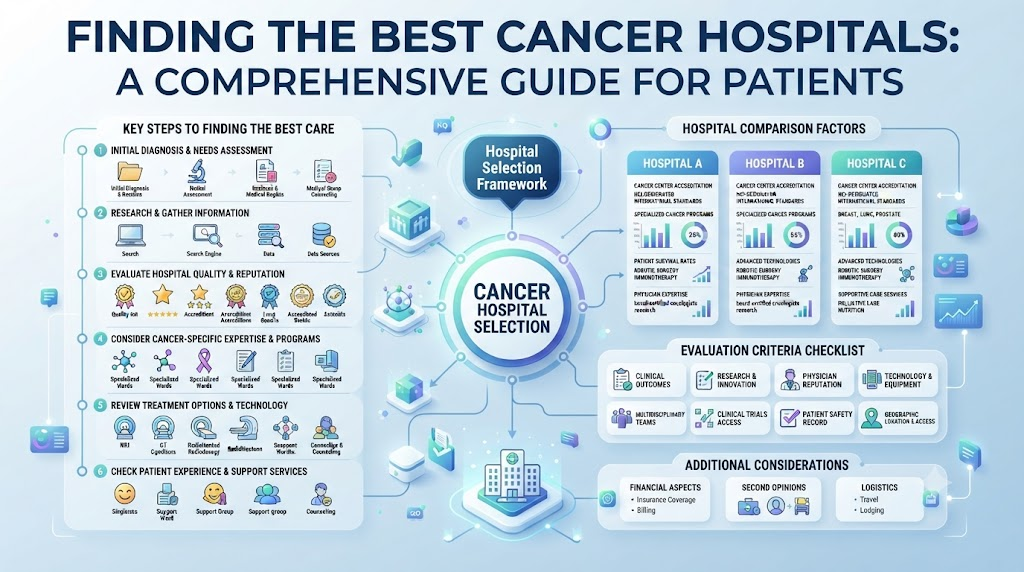
Facing a cancer diagnosis is one of the most challenging experiences a person or family can encounter. During this stressful period, making decisions about where to seek care can feel completely overwhelming. Finding the best cancer hospitals requires navigating complex medical information, comparing facility capabilities, and understanding different treatment approaches.Researching your options thoroughly is a critical first step toward receiving high-quality, personalized care. By utilizing dedicated health resources like CancersHospitals, patients and caregivers can better understand the healthcare landscape. This guide will walk you through the essential factors to evaluate when choosing an oncology center, selecting doctors, and planning your treatment journey.
Understanding Best Cancer Hospitals
When people search for the top oncology centers, they are usually looking for institutions that offer advanced technology, experienced specialists, and compassionate care. However, the definition of a top-tier hospital varies depending on an individual’s specific medical situation.
A facility that excels in treating rare hematologic cancers might not be the primary choice for early-stage breast cancer care. Hospital selection depends heavily on the type and stage of cancer, the overall health of the patient, and the specific therapeutic procedures required. Understanding your unique diagnostic profile helps narrow down institutions best equipped to manage your health.
Types of Cancer Treatment Hospitals and Oncology Centers
Not all medical facilities offer the same level of specialized care. Patients encounter several types of institutions during their search:
- Comprehensive Cancer Centers: These institutions often lead the way in research, clinical trials, and multi-specialty care programs.
- Oncology Hospitals: Dedicated facilities focusing entirely on cancer prevention, diagnosis, treatment, and rehabilitation.
- Multispecialty Hospitals with Oncology Departments: Large general hospitals equipped with specialized cancer wards, surgical units, and radiation therapy centers.
- Academic Medical Centers: University-affiliated hospitals where patients often gain access to emerging therapies and clinical research trials.
- International Cancer Treatment Centers: World-renowned centers catering to foreign patients seeking specialized procedures abroad.
Each facility type offers distinct advantages, and no single model fits every patient’s needs.
Cancer Treatments Available at Major Hospitals
Modern oncology relies on diverse treatment modalities. Leading institutions generally offer a combination of the following therapies:
- Cancer Surgery: Surgical removal of tumors remains a primary treatment for many localized cancers.
- Chemotherapy: Systemic administration of drugs to eliminate cancer cells throughout the body.
- Radiation Therapy: High-energy rays targeted precisely at tumor sites to destroy malignant cells.
- Immunotherapy: Treatments that help the patient’s own immune system recognize and fight cancer cells.
- Targeted Therapy: Medications designed to target specific genetic changes in cancer cells.
- Precision Medicine: Tailoring treatment plans based on genetic profiling of the tumor.
- Palliative Care: Supportive therapies focused on managing symptoms and improving overall quality of life.
How to Choose the Right Cancer Hospital
Selecting an appropriate facility involves reviewing several essential parameters:
Medical Expertise and Specialization
Confirm that the hospital has deep experience treating your specific type of cancer. Volume often matters; facilities that treat high numbers of specific cases typically have refined protocols.
Diagnostic and Treatment Facilities
Advanced diagnostic tools, such as PET-CT scans, molecular pathology, and advanced linear accelerators for radiation, ensure precise diagnosis and targeted treatment execution.
Multidisciplinary Cancer Care
Effective cancer management relies on tumor boards—groups of surgeons, medical oncologists, radiation oncologists, and pathologists who meet to discuss individual patient cases together.
Hospital Accreditation and Quality Standards
Look for recognized national or international accreditations, which signal adherence to strict patient safety standards and quality control protocols.
Treatment Cost and Financial Planning
Understand all potential expenses early, including diagnostics, hospital stays, surgical fees, medications, and follow-up consultations.
Finding the Best Cancer Doctors
The expertise of your medical team is just as vital as the hospital’s infrastructure. When evaluating specialists, consider the following:
- Specific experience treating your specific diagnosis
- Board certifications and fellowship training
- Participation in clinical trials and medical research
- Communication style and willingness to answer questions clearly
- Accessibility for ongoing care and second opinions
Cancer Treatment Abroad and International Patients
Many individuals travel internationally to access treatments or clinical trials not readily available in their home countries. Essential considerations for cross-border care include:
- Navigating medical visas and travel arrangements
- Ensuring medical records and pathology slides are translated accurately
- Estimating total costs, including accommodation and local transport
- Planning post-treatment recovery and long-term follow-up care with home doctors
Confirming all administrative and medical details directly with international patient departments before traveling is essential.
Comparing Cancer Hospitals Before Making a Decision
| Factor | What Patients Should Check |
| Specialization | Experience with your specific cancer type |
| Medical Team | Presence of a multidisciplinary team |
| Diagnostics | Availability of modern imaging and molecular labs |
| Therapies | Access to surgery, radiation, and novel therapies |
| Quality | Accreditation and patient safety records |
| Financials | Complete itemized treatment estimates |
| Location | Ease of travel and accessibility |
| Follow-up | Structured post-treatment continuity plans |
Importance of a Cancer Treatment Second Opinion
Seeking a second opinion is a standard and respected practice in oncology. A second opinion can:
- Confirm the accuracy of your original diagnosis
- Uncover alternative treatment paths or clinical trial options
- Provide clarity and peace of mind before starting invasive procedures
Gather all pathology reports, imaging scans, and current treatment recommendations before consulting another specialist.
Common Mistakes Patients Should Avoid
- Relying solely on general online rankings without verifying specific subspecialist expertise
- Focusing strictly on travel costs while overlooking clinical capabilities
- Failing to request itemized financial estimates before starting long-term plans
- Delaying necessary medical care while spending months comparing facilities
- Omitting post-treatment follow-up plans with local physicians
Frequently Asked Questions
1. How do I know which hospital is best for my specific cancer?
Evaluate hospitals based on their specific experience with your cancer type, the availability of relevant specialists, multidisciplinary tumor boards, and advanced diagnostic equipment.
2. Are academic medical centers better than private oncology hospitals?
Not necessarily. Academic centers excel in research and clinical trials, while private specialized centers may offer streamlined access and personalized administrative services.
3. Is it safe to travel internationally for cancer treatment?
Travel can be safe if managed carefully. Verify international accreditations, coordinate closely with international patient care teams, and ensure clear plans for post-treatment recovery.
4. How important is a multidisciplinary team in cancer care?
It is highly important. A team of diverse specialists collaborating on your case ensures a well-rounded treatment strategy covering surgical, medical, and radiation perspectives.
5. What is the role of clinical trials when choosing a hospital?
Facilities participating in clinical trials offer access to emerging therapies that may not yet be widely available elsewhere.
6. Should I get a second opinion before starting cancer treatment?
Yes. Second opinions help confirm diagnosis accuracy, clarify treatment strategies, and ensure you feel confident in your chosen medical approach.
7. Does the cost of cancer treatment reflect the quality of care?
Higher costs do not automatically guarantee superior clinical outcomes. Expenses vary based on location, technology used, hospital amenities, and length of stay.
8. How do I prepare medical records when changing hospitals?
Collect complete pathology reports, diagnostic imaging files (on CD or digital drive), surgical notes, and a detailed summary of any past treatments.
9. Can I receive chemotherapy at a different facility than where I had surgery?
Yes. Many patients undergo surgery at major regional centers and receive routine chemotherapy or radiation closer to home for convenience.
10. What accreditation labels should I look for in top hospitals?
Look for established national quality certifications or international bodies like the Joint Commission International (JCI).
Conclusion
Finding the best cancer hospitals requires careful evaluation of specialized medical expertise, diagnostic facilities, treatment options, and patient support systems. By taking a structured approach to researching hospitals and specialists, you can make informed choices tailored to your health needs. Always discuss your findings, questions, and preferences with qualified healthcare professionals to build a treatment strategy that provides the highest quality of care.