Introduction
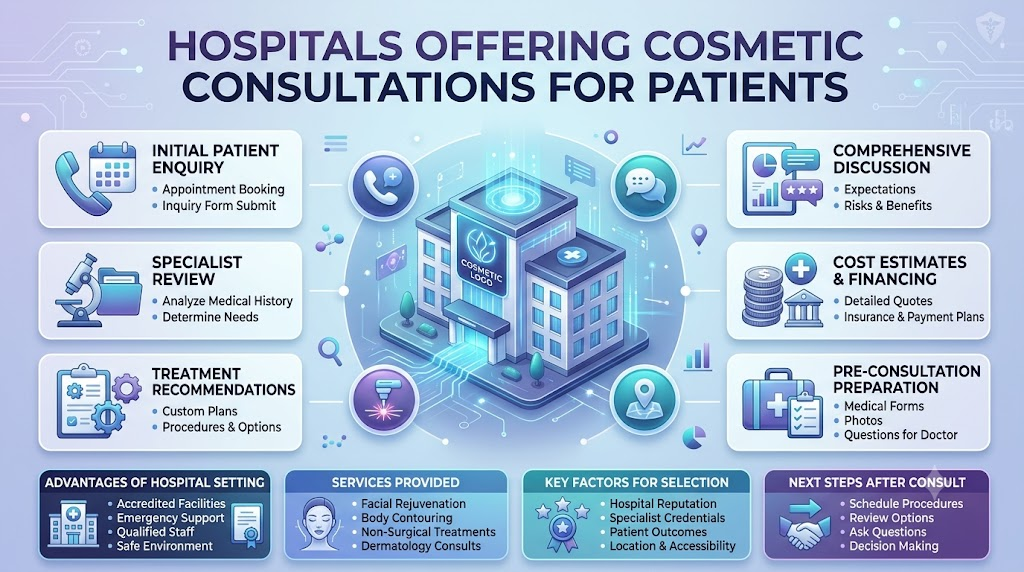
Choosing a cosmetic treatment is a personal decision. Patients may want to improve a feature, address a concern, or explore available options. Before choosing any procedure, it is important to speak with a qualified medical professional. A proper consultation helps patients understand possible treatments, risks, costs, and recovery needs. It also gives them time to discuss their goals and ask questions. Hospitals offering cosmetic consultations can help patients explore surgical and non-surgical options. However, not every treatment is suitable for every person. A medical assessment is needed before making a decision. BESTCOSMETICHOSPITALS is an information resource for people researching cosmetic hospitals and treatment options. Understanding the consultation process can help patients make informed choices without feeling rushed.
What Is a Cosmetic Consultation?
A cosmetic consultation is a meeting with a qualified healthcare professional. It gives patients a chance to discuss their appearance-related concerns and treatment goals. The specialist reviews their health and explains possible options.
During the consultation, the doctor may ask about the patient’s medical history. They may also review current medicines, allergies, and previous procedures. A physical examination may be needed, depending on the treatment.
The doctor can explain what a procedure may achieve. They should also discuss its limits, possible risks, and recovery needs. Patients can ask about other options, including treatments that do not involve surgery.
A consultation does not mean that a patient must have treatment. It is an opportunity to learn and decide. Patients should have enough time to consider the information before moving forward.
Why Do Hospitals Offer Cosmetic Consultations?
Hospitals may offer cosmetic consultations to help patients understand available treatments. These appointments allow specialists to assess individual needs before suggesting a procedure.
A consultation may include:
- Reviewing the patient’s treatment goals.
- Discussing suitable surgical and non-surgical options.
- Checking medical history and current health.
- Identifying possible risk factors.
- Explaining expected results and treatment limits.
- Discussing recovery and aftercare.
- Referring the patient to another specialist when needed.
Some patients may need additional tests before a treatment decision. Others may benefit from advice from a different specialist. The doctor should explain why further assessment is needed.
A good consultation supports an informed choice. It should not pressure patients into booking a procedure. Patients should feel free to ask questions or decide against treatment.
Types of Cosmetic Procedures Discussed During Consultations
Cosmetic consultations may cover many procedures. These can include surgery and treatments that do not require an operation. The options depend on the hospital, qualified staff, facilities, and local rules.
Surgical Cosmetic Procedures
Surgical procedures involve an operation or an invasive medical technique. They may require anaesthesia, recovery time, and follow-up care.
Common examples include:
- Rhinoplasty: Surgery that changes the shape or structure of the nose.
- Facelift surgery: A procedure that aims to change signs of ageing in the face.
- Eyelid surgery: Surgery that changes the appearance of the upper or lower eyelids.
- Breast augmentation: Surgery that increases breast size using implants or other approved methods.
- Breast reduction: Surgery that removes breast tissue to reduce breast size.
- Liposuction: A procedure that removes selected areas of body fat.
- Tummy tuck surgery: An operation that removes extra skin and may tighten the abdominal area.
The specialist should explain the procedure, possible risks, and expected recovery. Patients should also ask whether the treatment fits their health needs.
Non-Surgical Cosmetic Procedures
Non-surgical treatments do not involve the same type of operation as cosmetic surgery. However, they can still cause side effects or complications.
Examples include:
- Chemical peels: Treatments that use a chemical solution to remove outer skin layers.
- Laser skin treatments: Procedures that use focused light for selected skin concerns.
- Injectable treatments: Products placed into specific areas for cosmetic purposes.
- Skin rejuvenation: Treatments designed to improve selected signs of skin ageing.
- Non-surgical facial treatments: Procedures that may target skin texture, tone, or other concerns.
Patients should ask who will perform the treatment. They should also ask which products or devices will be used. The specialist should explain possible reactions and the care needed afterward.
The table below compares common treatment groups and the main points discussed during consultations.
| Procedure Category | Example Treatments | Main Consultation Focus |
|---|---|---|
| Facial surgery | Rhinoplasty, facelift, eyelid surgery | Facial structure, goals, risks, and recovery |
| Body contouring | Liposuction, tummy tuck | Body health, surgical risks, and healing |
| Breast procedures | Augmentation, reduction | Personal goals, health assessment, and options |
| Skin treatments | Chemical peels, laser treatments | Skin condition, treatment choice, and side effects |
| Injectable treatments | Selected cosmetic injections | Product details, provider training, and possible reactions |
Not every hospital provides every treatment. Patients should confirm that the facility has suitable staff and equipment.
Which Specialists May Be Involved?
Different professionals may take part in cosmetic care. The team depends on the proposed procedure and the patient’s needs.
Plastic Surgeons
Plastic surgeons perform many cosmetic operations. They assess whether surgery may be suitable and explain the possible results and risks. Patients should check their specialist’s registration and training.
Dermatologists
Dermatologists are doctors who focus on skin, hair, and nail conditions. They may assess skin concerns and discuss suitable cosmetic skin treatments. Some also perform selected procedures.
Cosmetic Physicians
In some locations, appropriately qualified doctors may provide certain non-surgical cosmetic treatments. Their permitted role depends on local rules and professional training.
Anesthesiologists
Anesthesiologists provide care related to anaesthesia. They may assess patients before surgery and explain how pain control and monitoring will work.
Nurses and Other Clinical Staff
Trained nurses may support consultations, treatment preparation, and recovery. Other clinical staff may help with patient care and follow-up.
Mental Health Professionals
Some patients may benefit from a discussion with a psychologist or other mental health professional. This may help when expectations, emotional concerns, or personal well-being need further attention.
Patients should check each professional’s qualifications and experience. A job title alone does not confirm that someone is qualified to perform a specific procedure.
What Happens During a Cosmetic Consultation?
The exact process depends on the treatment and hospital. Most consultations include a discussion of goals, medical history, and possible options.
The appointment may include these steps:
- Discussion of goals: The patient explains what they hope to change or improve.
- Medical history review: The doctor asks about health conditions, medicines, allergies, and past procedures.
- Physical assessment: The specialist examines the relevant area when needed.
- Treatment discussion: The doctor explains suitable options and possible alternatives.
- Benefits and risks: The specialist discusses likely benefits, side effects, and possible complications.
- Recovery planning: The patient learns about healing time, aftercare, and follow-up visits.
- Cost discussion: The hospital explains consultation fees and possible treatment costs.
- Next steps: The doctor may suggest further assessment or give the patient time to decide.
Some consultations may need more than one visit. Patients should not feel pressured to make a decision during the first appointment.
How Hospitals Assess Patient Suitability
A patient’s desired result is only one part of the decision. The doctor must also consider health, medical history, and possible risks.
The assessment may include:
- General health and existing medical conditions.
- Previous operations and treatment history.
- Current medicines and known allergies.
- Smoking and other relevant lifestyle factors.
- Skin condition or body structure, where relevant.
- Risks linked to the proposed procedure.
- Patient expectations and reasons for treatment.
- Emotional well-being when relevant.
Some health conditions may increase the risks of surgery or affect healing. Certain medicines may also need careful review. Patients should share accurate information and avoid hiding details.
A doctor may suggest another treatment, further tests, or delaying the procedure. In some cases, the safest choice may be not to proceed. This is part of responsible medical care.
Understanding Benefits, Risks, and Expected Results
Every cosmetic procedure has possible benefits and risks. Results can also differ from one patient to another. A consultation should explain both sides clearly.
Possible benefits depend on the treatment. Some procedures change the shape of a body area. Others aim to improve selected skin concerns. The doctor should explain what the treatment can and cannot achieve.
Possible risks may include:
- Pain, swelling, or bruising.
- Infection.
- Bleeding.
- Scarring.
- Changes in skin colour or sensation.
- Reactions to medicines or treatment products.
- Problems related to anaesthesia.
- The need for further treatment.
Not every risk applies to every procedure. Ask the specialist to explain the risks linked to your own treatment.
Before-and-after photographs may help explain possible outcomes. However, they do not guarantee the same result for another patient. Lighting, camera angles, healing time, and individual differences can affect how photographs look.
Patients should ask what a realistic result may look like. They should also understand that some procedures may need further treatment or ongoing care.
Surgical and Non-Surgical Consultations: What Is Different?
Both consultation types involve questions about health, goals, and safety. However, the level of assessment may differ.
Surgical consultations often include a detailed review of general health. The doctor may discuss anaesthesia, hospital stay, wound care, and recovery. Some patients may need blood tests or other checks before surgery.
Non-surgical consultations may focus more on skin condition, product choice, equipment, and possible reactions. The provider should explain how the treatment works and what results may be expected.
Non-surgical does not mean risk-free. Injections, laser treatments, and chemical peels can cause side effects. Patients should check the provider’s training and ask about emergency support.
Both types of treatment need clear consent and suitable aftercare. Patients should understand the plan before agreeing to any procedure.
How to Choose a Hospital for Cosmetic Consultation
Choosing a suitable hospital takes more than comparing prices or photographs. Patients should check the people, facilities, and safety arrangements involved.
Consider these points:
- Specialist qualifications: Confirm that the doctor is registered and trained for the proposed procedure.
- Relevant experience: Ask how often the specialist performs the treatment.
- Facility registration: Check whether the hospital or clinic meets local rules.
- Treatment facilities: Ask whether the setting is suitable for the planned procedure.
- Clear consultation process: Check whether the doctor explains options and risks.
- Honest advice: Look for balanced discussions about benefits and alternatives.
- Written costs: Request a clear estimate of expected charges.
- Emergency support: Ask how complications are managed.
- Aftercare: Confirm how follow-up visits and patient concerns are handled.
- Communication: Choose a team that answers questions clearly.
Hospital accreditation and registration may provide useful information. However, patients should verify details through the relevant official bodies. They should also check whether the hospital meets their personal medical needs.
Cosmetic Consultation Fees and Treatment Costs
Consultation fees and procedure costs can vary. The amount may depend on the specialist, location, hospital, and type of treatment.
Ask whether the initial consultation has a separate charge. Some patients may also need tests before a treatment plan is confirmed.
Possible costs include:
- Initial consultation charges.
- Specialist fees.
- Diagnostic tests, if needed.
- Procedure and facility charges.
- Anaesthesia costs for relevant surgery.
- Medicines and recovery supplies.
- Follow-up visits.
- Additional treatment if required.
Request a written cost breakdown before making a decision. Ask which services are included and which may cost extra. Find out how the hospital handles changes to the treatment plan.
The cheapest option may not provide the right level of care. Patients should compare qualifications, facilities, safety, and aftercare along with price.
Informed Consent and Time to Make a Decision
Informed consent means agreeing to treatment after understanding the important details. Patients should know what the procedure involves and why it is being suggested.
Before signing a consent form, make sure you understand:
- The proposed treatment and its purpose.
- Possible benefits and risks.
- Reasonable alternatives.
- Expected recovery and aftercare.
- Possible extra costs.
- What may happen if the treatment is delayed or declined.
Ask questions until the information is clear. You can request time to review the details or seek another opinion.
Do not feel pressured by discounts, limited-time offers, or sales messages. A responsible provider should give patients time to decide. Patients can decline treatment or change their mind before the procedure, subject to the relevant consent process and local rules.
Preparing for Your Cosmetic Consultation
Preparation can help you use your appointment well. It also helps the doctor understand your concerns and medical needs.
Before the consultation:
- Write down your treatment goals.
- Prepare questions about the procedure.
- Bring relevant medical reports.
- Carry a list of medicines and allergies.
- Share details of previous cosmetic treatments.
- Mention existing medical conditions.
- Discuss your concerns openly.
- Bring a trusted person if you find it helpful.
- Ask for written information to review later.
Avoid editing photographs to change your appearance when discussing your goals. If you bring reference images, explain what you like about them. Remember that another person’s result may not be possible for you.
After the Consultation: What Should Patients Do?
Do not feel that you must book treatment immediately. Take time to review the information and consider your options.
After the appointment:
- Read the treatment information again.
- Compare the benefits, risks, and alternatives.
- Check the specialist’s registration and experience.
- Review the written cost estimate.
- Ask for clarification about anything unclear.
- Consider a second opinion if you are unsure.
- Understand the recovery and follow-up plan.
Think about whether the proposed treatment fits your health needs and personal goals. A good decision should be informed and voluntary. Proceed only when you understand the plan and feel comfortable with it.
Hospital Cosmetic Consultation Checklist
Use this checklist when comparing hospitals and consultation services.
| What to Check | Questions to Ask | Why It Matters |
|---|---|---|
| Specialist qualifications | Is the doctor registered and trained for this procedure? | Helps confirm suitable professional training |
| Hospital facilities | Is the facility registered and suitable for the treatment? | Supports safe care |
| Treatment risks | What are the possible risks and alternatives? | Helps patients make informed choices |
| Written costs | What is included in the full estimate? | Helps avoid unexpected charges |
| Informed consent | Have the procedure, risks, and recovery been explained? | Supports a voluntary decision |
| Aftercare | Who will provide follow-up and manage complications? | Helps patients plan ongoing care |
Use the answers to compare services carefully. Do not rely only on advertisements or online photographs. Clear information and suitable medical support should guide your decision.
Frequently Asked Questions About Cosmetic Consultations
1. What is included in a cosmetic consultation at a hospital?
A cosmetic consultation usually includes a discussion of treatment goals and medical history. The specialist may examine the relevant area and explain possible procedures. Patients can ask about risks, expected results, recovery, and costs. The exact process depends on the treatment and the hospital.
2. Do patients need a referral for a cosmetic consultation?
A referral is not always required. Some hospitals allow patients to book directly with a cosmetic specialist. Other services may ask for a referral from a general doctor. Requirements depend on the hospital, treatment, and local healthcare rules. Check the booking process before arranging your visit.
3. Which specialists provide cosmetic consultations?
Plastic surgeons may discuss cosmetic surgery. Dermatologists may assess skin concerns and selected cosmetic treatments. Other qualified cosmetic physicians may provide certain treatments where local rules allow. Anesthesiologists, nurses, and mental health professionals may also be involved when the patient’s needs require their support.
4. Can patients discuss surgical and non-surgical treatments during one consultation?
Yes, patients can ask about both treatment types during a consultation. The specialist can explain which options may suit their goals and health. However, the doctor may recommend a separate appointment or another specialist for some treatments. Every option should include a clear discussion of risks and limits.
5. What medical information should patients bring?
Bring a list of current medicines, known allergies, and existing health conditions. Include details of previous operations and cosmetic treatments. Relevant medical reports may also help. Accurate information allows the specialist to assess possible risks and decide whether further checks are needed.
6. How can patients check a cosmetic specialist’s qualifications?
Ask for the specialist’s full name, professional registration, and relevant training. Check registration through the official medical or professional body in your country. Ask about experience with the proposed procedure. Do not rely only on advertisements, social media profiles, or claims made by a clinic.
7. Are cosmetic consultations usually free or paid?
Consultation fees vary between hospitals and specialists. Some services may offer an initial discussion at no charge, while others charge a set fee. Ask about the cost before booking. Also check whether tests, follow-up visits, or treatment planning involve separate charges.
8. Can a doctor advise against a cosmetic procedure?
Yes. A doctor may advise against treatment if the risks are too high or the expected result is not realistic. They may suggest another option, further assessment, or waiting. This advice helps protect patient safety and supports informed decision-making.
9. Should patients get a second opinion before cosmetic treatment?
A second opinion can be helpful, especially before major surgery or when a patient feels unsure. Another qualified specialist may explain different options or risks. Patients should have enough time to compare advice. They should never feel pressured to proceed after only one consultation.
10. What should patients check after their cosmetic consultation?
Review the treatment plan, risks, alternatives, and written cost estimate. Check the specialist’s qualifications and understand the recovery needs. Ask who will provide aftercare and manage complications. If any information is unclear, contact the hospital before making a decision.
Final Thoughts
A cosmetic consultation helps patients understand their options before choosing treatment. It gives them time to discuss goals, health concerns, possible risks, and costs. Patients should choose qualified specialists and check that the facility meets local requirements. They should also ask questions, review written information, and allow enough time to decide. No procedure can guarantee a perfect result, and cosmetic treatment is not right for everyone. BestCosmeticHospitals.com can be an information resource for people researching cosmetic hospitals and consultation topics. Make decisions based on clear medical advice, realistic expectations, and personal comfort.