Introduction
Skin pigmentation changes are a common part of the human experience, affecting individuals of all backgrounds and ages. Whether noticing a few subtle sunspots, persistent uneven skin tone, or deeper patches associated with hormonal shifts, many people seek guidance on understanding these changes. Skin discoloration can arise from numerous sources, including ultraviolet exposure, past inflammation, natural aging, and genetic factors.To explore specialized dermatological care options and institutional resources, platforms like BESTCOSMETICHOSPITALS offer educational information for individuals researching skin health. Consider a hypothetical reader, Elena, who spent months trying various over-the-counter creams for uneven facial pigmentation without success. By learning about the importance of professional skin assessments and understanding how dermatologists evaluate pigmentation, Elena gained the knowledge needed to consult a qualified specialist for tailored guidance.
What Is Skin Pigmentation?
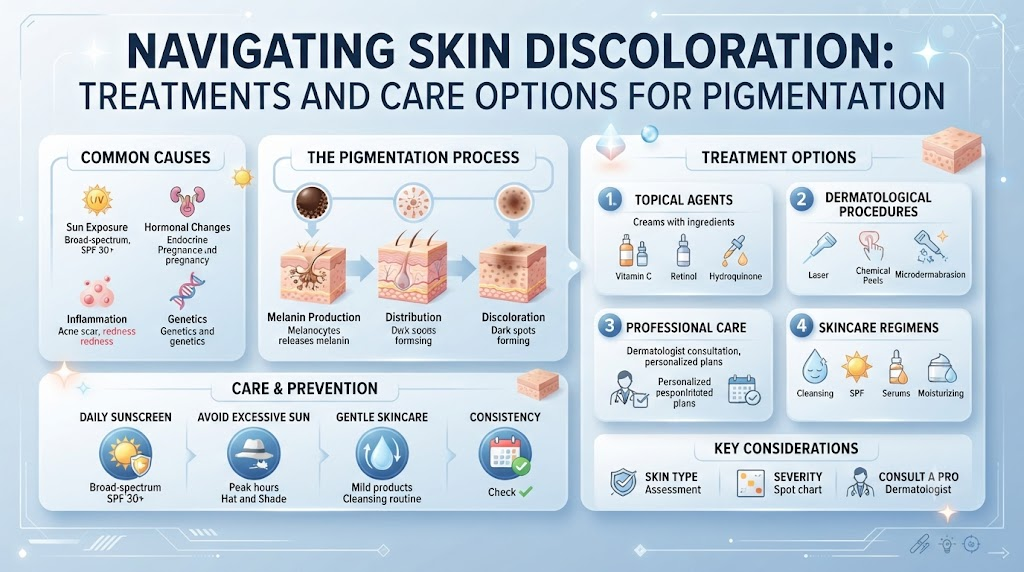
Skin pigmentation refers to the coloration of the skin, which is primarily determined by a pigment called melanin. Specialized cells in the skin known as melanocytes produce melanin, and the amount and distribution of this pigment dictate whether skin appears lighter or darker. Melanin also plays an important protective role by absorbing ultraviolet radiation from the sun.
Normal skin pigmentation varies widely among individuals due to genetics and natural geographic ancestry. However, changes or disruptions in melanin production can lead to increased pigmentation, where certain areas become darker than the surrounding skin, or reduced pigmentation, where areas lose color. Uneven pigmentation occurs when melanin is distributed irregularly across the skin surface. Not every dark or light patch indicates a medical concern, but understanding these variations is important for proper skincare.
Common Types of Skin Pigmentation Problems
Pigmentation concerns encompass several distinct conditions, each with unique characteristics and underlying causes.
Hyperpigmentation
Hyperpigmentation is a broad term used to describe areas of skin that become darker than the surrounding tissue. This darkening occurs when excess melanin is deposited in the upper or deeper layers of the skin, often triggered by inflammation, sun exposure, or hormonal activity.
Melasma
Melasma is a specific type of hyperpigmentation that commonly appears as symmetrical, brownish patches on sun-exposed areas of the face, such as the cheeks, forehead, bridge of the nose, and upper lip. It is frequently influenced by hormonal changes, sun exposure, and genetic predisposition. Professional evaluation is particularly useful for melasma because its management requires careful, long-term dermatological strategy.
Post-Inflammatory Hyperpigmentation
Post-inflammatory hyperpigmentation develops as a healing response after skin inflammation, trauma, or injury. Common triggers include acne breakouts, cuts, burns, eczema flare-ups, or aggressive cosmetic procedures. The skin produces excess melanin during the healing process, leaving a dark mark where the inflammation occurred.
Sun-Related Pigmentation
Cumulative exposure to ultraviolet radiation over time can lead to sun-related pigmentation, often referred to as solar lentigines or sunspots. These localized spots typically appear on areas frequently exposed to sunlight, such as the face, hands, shoulders, and arms.
Freckles and Other Pigmented Spots
Freckles are small, flat pigmented spots that often appear in sun-exposed areas, particularly in individuals with lighter skin tones. While ordinary freckles are harmless, other pigmented lesions can have varied characteristics. It is essential to recognize that changing, asymmetrical, or unusual pigmented spots should always be evaluated by a healthcare professional to ensure they are benign.
Common Causes of Skin Pigmentation
Changes in skin pigmentation can be driven by a wide array of internal and external factors.
Sun Exposure
Ultraviolet radiation is one of the most powerful external triggers for melanin production. Sun exposure can stimulate melanocytes to produce excess pigment, creating new spots or darkening existing areas of hyperpigmentation.
Hormonal Changes
Fluctuations in hormone levels, such as those occurring during pregnancy or through the use of certain hormone-based medications, can significantly influence pigment production, notably contributing to conditions like melasma.
Inflammation and Skin Injury
Any process that injures or inflames the skin—such as severe acne, dermatitis, or physical trauma—can stimulate localized melanin synthesis during the healing phase.
Certain Medications or Medical Conditions
Certain systemic medications, therapeutic drugs, and underlying health conditions can influence skin pigmentation patterns as a side effect. Professional medical review helps identify whether medication adjustments are relevant.
Genetics and Skin Characteristics
Individual genetic makeup, natural skin type, and ethnic background strongly influence how skin responds to environmental triggers, inflammation, and ultraviolet light.
Types of Skin Pigmentation Concerns
| Pigmentation Concern | Common Appearance | Possible Contributing Factors |
| Melasma | Symmetrical brownish patches on the face | Hormonal fluctuations, sun exposure, and genetics |
| Post-Inflammatory Marks | Dark spots remaining after skin injury or acne | Skin inflammation, trauma, or acne lesions |
| Sunspots (Solar Lentigines) | Small, darkened flat spots on sun-exposed areas | Cumulative ultraviolet light exposure over time |
| Freckles | Small flat spots appearing on sun-exposed skin | Genetic predisposition and sun exposure |
| Post-Procedural Pigmentation | Darkening occurring after skin trauma or treatments | Skin irritation, inflammation, or improper healing |
| Age-Related Discoloration | Generalized uneven tone and mottled pigmentation | Long-term sun exposure and natural skin aging |
Appearance alone is not sufficient to establish a definitive diagnosis. Many pigmentation concerns share visual similarities, yet require entirely different management strategies. A professional evaluation ensures that underlying causes are accurately identified before any corrective approach is considered.
Symptoms and Signs of Pigmentation Changes
Individuals experiencing pigmentation changes typically notice visual alterations on the skin surface.
Common signs include:
- Darkened spots or patches on the face, neck, hands, or other areas
- General unevenness in skin tone and texture
- Pigmentation that becomes noticeably darker following sun exposure
- Symmetrical brownish facial discoloration
- Marks left behind after acne blemishes or skin injuries heal
- Gradual changes in the appearance of existing skin spots
Sudden, rapidly changing, bleeding, painful, or otherwise unusual skin lesions should be professionally evaluated promptly rather than assumed to be ordinary cosmetic pigmentation.
Why Professional Skin Assessment Matters
Consulting a dermatologist or qualified skin specialist before pursuing pigmentation correction is essential for safe and effective care. A professional evaluation involves a thorough review of the patient’s medical history, skincare habits, and sun exposure patterns.
Dermatologists examine the depth, distribution, and pattern of the pigmentation using specialized diagnostic lighting when necessary. Identifying whether pigment is located in the epidermis or the dermis guides the selection of appropriate management options. Furthermore, professional assessment ensures that underlying medical conditions are recognized and that potentially serious skin lesions are properly evaluated.
Professional Treatments Used for Pigmentation Correction
Dermatology centers utilize a range of professional approaches depending on the diagnosis, skin type, and severity of the pigmentation.
Topical Treatments
Dermatologists may recommend specialized topical formulations or prescription-strength creams designed to influence melanin production, encourage gentle cellular turnover, and improve uneven tone over time.
Chemical Peels
Professionally administered chemical peels involve applying specialized chemical solutions to exfoliate the outer layers of the skin. This controlled process encourages the shedding of pigmented surface cells and promotes fresher skin regeneration. Appropriate patient selection and professional oversight are vital.
Laser and Light-Based Treatments
Certain laser and light-based technologies can target melanin deposits within the skin with high precision. These devices are selected based on the specific type of pigmentation and the patient’s skin type. Correct device selection, precise energy settings, and clinical expertise are critical to minimize risks.
Microneedling and Combination Approaches
In selected cases, procedures such as microneedling or customized combination therapies may be incorporated into a treatment plan. Combination approaches are always carefully planned by qualified professionals to ensure skin safety.
Factors That Influence Pigmentation Treatment
Treatment outcomes and timelines vary considerably from person to person.
Several key factors influence how skin responds to corrective care:
- The specific type and depth of the pigmentation
- The underlying cause, such as hormones versus sun damage
- The patient’s natural skin type and tone
- The duration of the pigmentation concern
- Previous treatments or topical products used
- Consistency in practicing rigorous sun protection
- Individual healing characteristics and skin sensitivity
Setting realistic expectations and understanding that results develop gradually is an important part of any dermatological care plan.
How to Choose a Hospital for Skin Pigmentation Correction
Selecting a reputable hospital or dermatology center requires careful consideration of institutional standards and clinical qualifications.
Patients can evaluate centers using several practical factors:
- Presence of board-certified dermatologists and qualified medical specialists
- Thorough initial skin assessment and diagnostic protocols before treatment
- Extensive experience in managing diverse pigmentation concerns
- Access to a variety of safe, well-maintained treatment technologies
- Rigorous patient safety protocols and infection control standards
- Transparent discussion of potential risks, limitations, and side effects
- Tailored, personalized treatment planning rather than a one-size-fits-all approach
- Structured follow-up care and ongoing skin monitoring
- Open, honest communication that fosters realistic expectations
Hospital Evaluation Checklist for Pigmentation Care
| Hospital Evaluation Factor | Question to Consider | Why It Is Relevant |
| Dermatology Expertise | Are treatments supervised by qualified, board-certified dermatologists? | Ensures clinical accuracy and expert patient assessment |
| Initial Assessment | Is a comprehensive skin evaluation performed prior to any procedure? | Identifies root causes and ensures appropriate treatment selection |
| Treatment Variety | Does the center offer multiple tailored care options? | Allows for customization based on individual skin needs |
| Technology Standards | Are equipment and laser systems modern and well-maintained? | Promotes procedural safety and reliable performance |
| Safety Protocols | What measures are in place to manage adverse skin reactions? | Protects patient health and ensures clinical preparedness |
| Aftercare Guidance | Are clear home-care instructions and sun protection guidelines provided? | Supports healing and preserves treatment progress |
| Follow-Up Care | Are post-treatment check-ins scheduled to monitor skin response? | Ensures continuity of care and timely adjustments if needed |
| Transparent Communication | Are realistic expectations and potential risks clearly explained? | Empowers patients to make informed healthcare choices |
Using these evaluation questions during initial inquiries helps patients and families compare clinics objectively. Choosing a center focused on safety, thorough diagnosis, and patient education promotes a positive healthcare experience.
What to Expect During a Pigmentation Consultation
An initial consultation sets the foundation for safe pigmentation management. Patients can expect a structured clinical discussion.
The consultation typically includes:
- Detailed discussion of your specific skin concerns and goals
- Review of your medical history, current skincare products, and medications
- Physical examination of the affected skin areas under proper lighting
- Identification of potential triggers, such as sun exposure or hormonal factors
- Explanation of recommended treatment options suited to your skin type
- Transparent overview of expected benefits, limitations, and timelines
- Discussion of potential side effects and temporary skin reactions
- Detailed home-care and sun-protection instructions
- Scheduling of follow-up visits to monitor progress
Skin Pigmentation Treatment and Skin of Color
Treating pigmentation in individuals with darker skin tones requires specialized knowledge and caution. Skin containing higher amounts of melanin is more sensitive to inflammation and energy-based procedures, carrying a higher risk of post-inflammatory hyperpigmentation or hypopigmentation if treatments are improperly selected or aggressive.
Experienced dermatologists utilize conservative settings, specialized topical regimens, and gentle modalities designed specifically to respect skin of color. Thorough patch testing, careful patient selection, and rigorous sun protection are indispensable components of safe care for darker skin types.
Sun Protection After Pigmentation Treatment
Sun protection is a critical element of managing and preventing skin pigmentation. Because ultraviolet radiation stimulates melanin production, exposing treated or recovering skin to sunlight can easily reverse progress or worsen pigmentation.
General sun-protection measures include:
- Minimizing direct sun exposure during peak daylight hours
- Applying broad-spectrum sun protection consistently as recommended by your dermatologist
- Wearing wide-brimmed hats and protective clothing when outdoors
- Following all post-treatment aftercare instructions provided by your clinical team
Sun protection is a year-round commitment, not just a temporary measure during active treatment.
Possible Risks and Limitations of Pigmentation Treatments
All dermatological and cosmetic procedures carry potential risks and limitations that patients should understand beforehand.
Possible considerations include:
- Temporary redness, swelling, or skin irritation following procedures
- Mild dryness, flaking, or skin sensitivity
- Temporary darkening or lightening of treated areas
- The possibility of incomplete clearance or recurrence of pigmentation over time
- Rare risks of blistering, scarring, or post-inflammatory pigment changes
Risks vary depending on the specific procedure performed, the condition of the skin, and individual physiological responses.
Common Mistakes to Avoid
- Self-diagnosing pigmentation: Assuming all dark spots are the same without professional identification.
- Using harsh unverified products: Applying strong skin-lightening creams purchased online without medical supervision.
- Overusing exfoliating agents: Scrubbing or over-exfoliating skin, which increases inflammation and worsens pigmentation.
- Ignoring sun protection: Neglecting daily sun protection while undergoing pigmentation care.
- Expecting overnight results: Looking for instant cures instead of understanding that skin remodeling takes time.
- Choosing providers based solely on cost: Prioritizing low prices over clinical qualifications and safety standards.
- Continuing irritating treatments: Persisting with a regimen despite significant burning or irritation without consulting a specialist.
FAQs
1.What is skin pigmentation?
Skin pigmentation refers to the natural coloration of the skin, which is determined by melanin produced by specialized cells called melanocytes. Variations in melanin distribution and production lead to different skin tones and can result in localized dark spots or uneven pigmentation patterns.
2.What causes skin pigmentation?
Skin pigmentation can be caused by numerous factors, including cumulative ultraviolet sun exposure, hormonal fluctuations (such as those related to pregnancy or medication), inflammation from acne or skin injury, genetic predisposition, and certain medical conditions or medications.
3.What is hyperpigmentation?
Hyperpigmentation is a common condition where patches or spots of skin become darker than the surrounding tissue due to excess melanin deposition. It can be triggered by sun damage, inflammation, hormonal shifts, or healing processes following skin trauma.
4.What is melasma?
Melasma is a specific form of hyperpigmentation that typically presents as symmetrical, brownish patches on sun-exposed areas of the face, such as the cheeks and forehead. It is frequently influenced by hormonal changes and ultraviolet light exposure.
5.Can acne cause skin pigmentation?
Yes, acne inflammation frequently leads to post-inflammatory hyperpigmentation. When an acne lesion heals, the skin may produce excess melanin in that localized area, leaving behind a dark mark even after the active breakout has cleared.
6.Can sun exposure make pigmentation worse?
Yes, ultraviolet radiation stimulates melanin production in the skin. Sun exposure can darken existing hyperpigmentation spots, stimulate the formation of new sunspots, and make conditions like melasma significantly more challenging to manage.
7.What treatments are used for pigmentation correction? Pigmentation treatments depend on the underlying cause and skin type. Professional approaches may include specialized topical formulations, chemical peels, and carefully selected laser or light-based therapies, all supervised by a qualified dermatologist.
8.Are chemical peels used for pigmentation?
Yes, professionally administered chemical peels are commonly used to exfoliate the upper layers of the skin, helping to shed pigmented surface cells and encourage the regeneration of fresher, more evenly toned skin over a series of sessions.
9.Can laser treatments help with pigmentation?
Certain laser and light-based technologies can target melanin deposits in the skin. However, device selection and precise settings must be carefully tailored by an experienced dermatologist to match the patient’s skin type and minimize potential risks.
10.Why is a dermatologist important before pigmentation treatment?
A dermatologist provides an expert evaluation to identify the exact cause of pigmentation, differentiate harmless spots from concerning lesions, determine skin depth, and select safe, effective treatment options tailored to the individual.
Final Thoughts
Skin pigmentation changes are complex conditions influenced by genetics, hormones, inflammation, and sun exposure. Because many different factors can cause similar visual appearances, obtaining an accurate professional evaluation is an essential first step. Correctly identifying the underlying cause ensures that management strategies are safe, appropriate, and tailored to the individual’s unique skin characteristics.Professional treatments—ranging from specialized topicals to chemical peels and light-based therapies—offer valuable options when guided by experienced dermatologists. However, achieving and maintaining healthy skin requires realistic expectations, patience, and a strong commitment to daily sun protection and proper aftercare. Avoiding unverified home remedies and choosing qualified medical centers protects skin health and supports long-term well-being.