Introduction
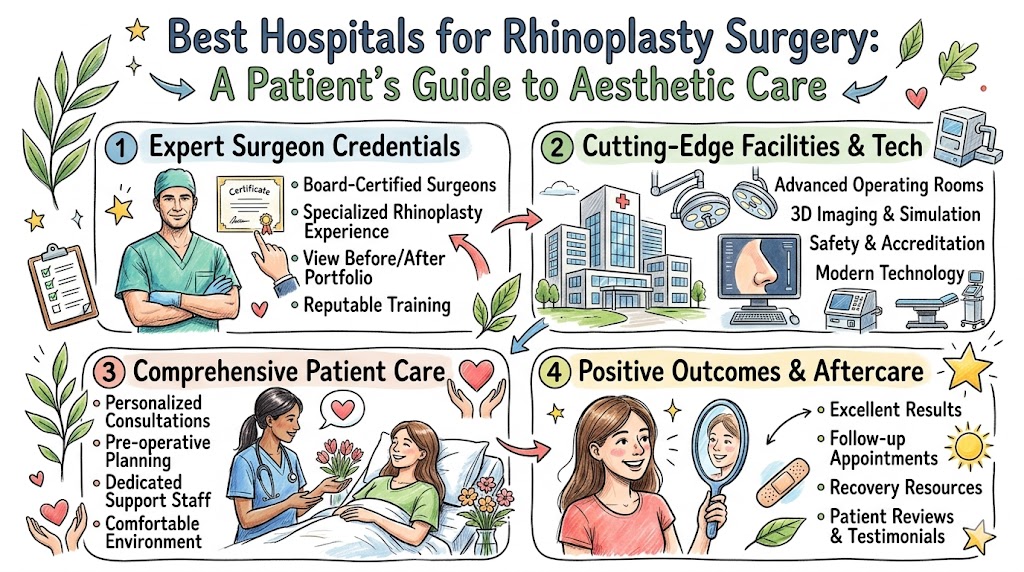
Choosing to undergo nose reshaping is a personal decision that impacts both your physical appearance and, in many cases, your quality of life. Whether you are looking to refine the contours of your nose for better facial balance or seeking to correct structural issues that hinder your ability to breathe comfortably, rhinoplasty is a sophisticated procedure that requires a high level of surgical expertise.Selecting a facility where you feel safe, heard, and supported is the most important step in your journey. The best hospitals for rhinoplasty surgery prioritize not only the aesthetic outcome but also the safety and functional health of every patient. For those researching reputable options and looking for expert insights on finding specialized care, BestCosmeticHospitals provides a comprehensive resource to guide you through this process. By focusing on safe surgical planning and experienced care, you can ensure that your path toward your aesthetic goals is both positive and successful.
What Is Rhinoplasty Surgery?
Rhinoplasty is a surgical procedure designed to reshape, resize, or restructure the nose. It serves two primary purposes: cosmetic and functional. Cosmetic rhinoplasty focuses on changing the external appearance to better complement facial features, while functional rhinoplasty addresses structural problems, such as a deviated septum, to improve airflow and breathing.
The procedure involves carefully modifying the bone and cartilage beneath the skin. Because every face is unique, there is no “one-size-fits-all” nose. Facial plastic surgeons work to preserve or restore the natural harmony of the face, ensuring that the nose looks balanced while remaining fully functional. The process begins with an in-depth consultation, where your goals are evaluated alongside your specific nasal anatomy.
Why Specialized Rhinoplasty Hospitals Matter
Rhinoplasty is widely considered one of the most complex facial plastic surgeries because the nose is a delicate structure with both aesthetic and functional roles. Specialized cosmetic surgery hospitals are equipped to handle this complexity.
These centers provide a controlled environment where surgeons have access to advanced facial imaging tools and top-tier anesthesia support. Unlike general clinics, specialized hospitals maintain dedicated teams who understand the nuances of nasal anatomy. For example, a patient who needs both a cosmetic change and the correction of a breathing obstruction benefits from a surgeon who can manage both simultaneously in one efficient, safe operation. Specialized care reduces the risk of complications and ensures that the recovery process is monitored by professionals who know exactly what to look for during the healing period.
Types of Rhinoplasty Procedures
- Cosmetic Rhinoplasty: Specifically focuses on altering the nose’s shape to enhance facial aesthetics.
- Functional Rhinoplasty: Dedicated to improving nasal airflow and resolving breathing difficulties.
- Septorhinoplasty: A combined procedure that corrects both the aesthetic shape of the nose and the internal septum to improve breathing.
- Revision Rhinoplasty: A corrective procedure performed on patients who have previously undergone surgery and require further adjustments.
- Open Rhinoplasty: Involves a small incision across the columella (the skin between the nostrils), providing the surgeon with better visibility for complex changes.
- Closed Rhinoplasty: All incisions are made inside the nostrils, leaving no visible external scars.
- Non-surgical Rhinoplasty: Uses injectable fillers to temporarily smooth out small bumps or change the appearance of the nose without surgery.
How Rhinoplasty Surgery Is Performed
The journey of rhinoplasty follows a structured path designed for safety and precision:
- Facial Assessment: The surgeon examines your nasal structure and discusses your goals in relation to your overall facial features.
- Surgical Planning: Using imaging or 3D analysis, the surgeon creates a roadmap for the procedure.
- Anesthesia: You are placed under safe, monitored anesthesia to ensure comfort throughout the surgery.
- Reshaping: The surgeon makes the necessary incisions—either open or closed—and carefully reshapes the bone and cartilage.
- Alignment: Once the desired shape is achieved, the tissues are closed.
- Recovery Monitoring: A dressing or splint is applied to support the nose, and the patient is moved to a recovery area for specialized care.
Modern Cosmetic Surgery Hospital Systems
The landscape of cosmetic surgery has evolved with technology. Modern hospitals utilize 3D facial analysis systems that allow both the surgeon and the patient to visualize the potential outcomes before the surgery begins.
These facilities operate with hospital-grade sterilization and advanced infection prevention protocols, which are vital for facial surgeries. Their recovery units are specifically designed for cosmetic patients, ensuring that monitoring is attentive but private. This system-wide approach to care ensures that the hospital supports the surgeon’s skill with the highest standard of infrastructure.
Technology in Rhinoplasty Care
Innovation has made rhinoplasty safer and more precise than ever:
- 3D Facial Simulation: Allows for clear communication between you and your surgeon about the goals of the surgery.
- Ultrasonic Rhinoplasty: Uses targeted sound energy to reshape nasal bone with extreme precision, often leading to less bruising and faster recovery.
- AI-Assisted Analysis: Helps in planning facial balance to ensure the results harmonize with your unique features.
- Minimally Invasive Tools: Modern instruments allow surgeons to perform complex movements through smaller incisions, preserving more natural tissue.
Benefits of Choosing the Right Rhinoplasty Hospital
When you choose a hospital known for excellence, you receive several key advantages:
- Safety First: Stringent surgical and anesthesia standards protect your health.
- Expert Surgeons: Access to facial plastic surgeons who have dedicated their careers to the nose and face.
- Predictable Results: Sophisticated planning tools lead to results that are closer to the discussed goals.
- Reduced Complications: Experienced teams are better at preventing and managing the common risks associated with facial surgery.
- Holistic Support: Support that extends from pre-surgical education through the final stages of your recovery.
Risks and Realistic Expectations
Rhinoplasty is a real surgical procedure, and it is important to understand the realities of the recovery process.
- Swelling and Bruising: These are natural parts of the healing process and will subside over time.
- Patience: While you will see changes soon after the splint is removed, the final contours of the nose take several months to settle as the swelling fully fades.
- Revision: In some cases, small adjustments may be requested after the nose has fully healed, which is a normal aspect of the surgical journey.
- Function vs. Beauty: If you are having a functional procedure, understand that while breathing will improve, the speed of recovery for airflow can also be gradual.
Common Mistakes Patients Make
- Prioritizing Price Over Skill: Selecting a hospital based on a low price tag often leads to inadequate care and unsatisfactory results.
- Ignoring Surgeon Experience: Failing to look for a surgeon who specializes specifically in facial plastic surgery.
- Expecting Immediate Perfection: Assuming the nose will look perfect the day the splint is removed, rather than understanding the healing timeline.
- Neglecting Recovery: Failing to follow post-surgery instructions, such as keeping the head elevated or avoiding strenuous activity, which can affect the final shape.
- Social Media Misconception: Using filters or celebrity photos as a rigid template rather than a starting point for a conversation about your own anatomy.
Best Practices Before and After Rhinoplasty
- Pre-Surgery: Follow all medical instructions regarding medications and lifestyle, particularly avoiding smoking for several weeks before the surgery to aid blood flow.
- Recovery: Keep your head elevated while sleeping, use cold compresses as directed, and avoid wearing glasses that rest on the bridge of the nose.
- Protection: Protect your nose from accidental bumps or sun exposure for several months following the procedure.
- Consistency: Always attend every follow-up consultation so your surgeon can monitor the healing process effectively.
Real-World Healthcare Use Cases
- Cosmetic Reshaping: A patient who has felt self-conscious about a prominent bump on their nose achieves a more balanced profile that enhances their overall facial aesthetics.
- Breathing Correction: A person suffering from chronic congestion due to a deviated septum experiences a life-changing improvement in their quality of sleep and exercise capacity after a successful septorhinoplasty.
- Injury Reconstruction: A patient whose nose was damaged in an accident undergoes surgical reconstruction to restore both the function and the appearance of their nose.
Future of Rhinoplasty and Cosmetic Surgery
The future of cosmetic surgery is deeply personalized. AI-driven facial analysis is moving toward allowing surgeons to simulate the effects of aging on the proposed nasal changes, ensuring that the result looks great not just today, but years into the future. Robotic-assisted tools are also beginning to aid in bone reshaping, promising even higher levels of precision. Ultimately, the future lies in combining these high-tech tools with the timeless art of facial aesthetics to create natural, long-lasting results.
FAQs
- What is rhinoplasty surgery? It is a surgical procedure to reshape or reconstruct the nose for cosmetic or functional reasons.
- Is rhinoplasty painful? During the surgery, you are under anesthesia, so you feel nothing. Post-surgery discomfort is usually manageable with prescribed pain medication.
- How long does recovery take? You will see significant improvement within two weeks, but full healing takes several months.
- Can rhinoplasty improve breathing? Yes, functional rhinoplasty or septorhinoplasty is designed to correct airway blockages.
- What is the difference between open and closed rhinoplasty? Open rhinoplasty involves a small external incision for better visibility; closed rhinoplasty leaves all incisions hidden inside.
- Are rhinoplasty results permanent? Yes, the changes are permanent, though they will subtly evolve as the nose settles over the first year.
- How do I choose the right surgeon? Look for board-certified facial plastic surgeons with a strong portfolio of before-and-after results.
- Can I wear glasses after surgery? You will need to avoid putting pressure on your nose for several weeks; your surgeon will advise when it is safe.
- Are there age limits? Surgeons generally wait until the nose has finished growing, usually around late teenage years.
- Does insurance cover it? It may cover functional procedures to fix breathing issues, but cosmetic alterations are generally not covered.
- Will I have visible scars? With closed rhinoplasty, no; with open rhinoplasty, the small scar is virtually invisible once healed.
- Can it fix a deviated septum? Yes, this is a very common reason for functional rhinoplasty.
- Is it a long surgery? It usually takes between two to four hours depending on the complexity of the case.
- How do I sleep after surgery? You should sleep with your head slightly elevated for a few weeks to minimize swelling.
- When can I return to work? Most patients return to light work or school within one to two weeks.
Final Thoughts
Your face is your identity, and choosing to undergo a rhinoplasty is a decision that deserves professional, ethical, and expert care. The best results come not just from a talented surgeon, but from a collaborative relationship where your goals are met with realistic surgical planning. Remember that recovery is a process that requires your patience and diligence in following medical advice. By selecting a specialized hospital and staying informed, you are taking the right steps toward achieving a result that brings you confidence and comfort.