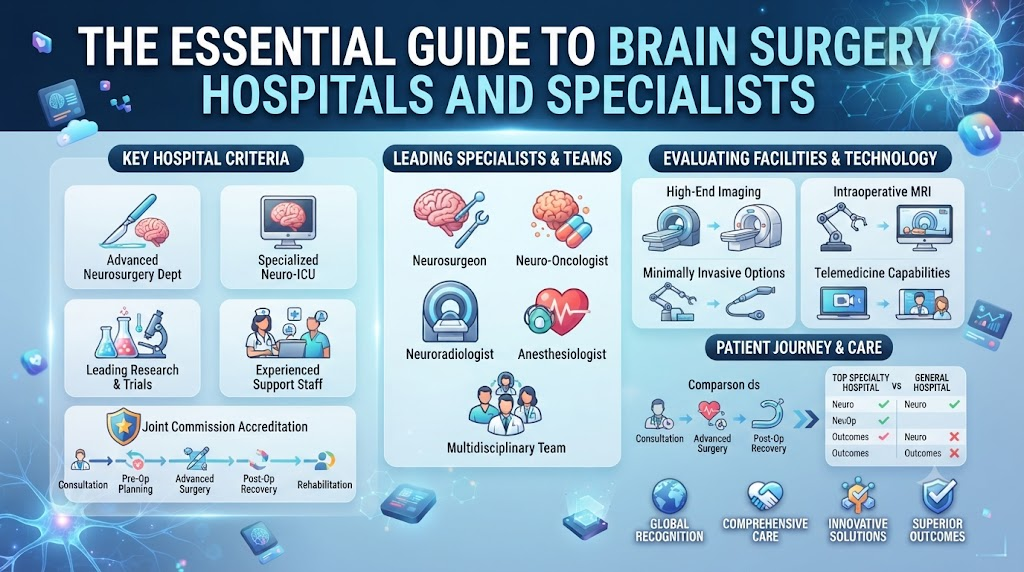
Receiving a complex neurological diagnosis can feel overwhelming, leaving patients and families facing difficult choices during uncertain times. Finding the right medical facility and specialized care team is a critical first step toward understanding your options and planning appropriate treatment. Different neurological conditions require distinct forms of specialized expertise, which is why researching brain surgery hospitals is so important for patients seeking clarity.This guide breaks down what specialized centers offer, how to evaluate neurosurgical teams, and what options exist for brain tumors, aneurysms, and epilepsy. It also covers diagnostic procedures, second opinions, and how to prepare for consultations with qualified specialists.
What Are Brain Surgery Hospitals?
Specialized medical facilities offering neurosurgical care bring together advanced technology, specialized infrastructure, and dedicated medical teams to address complex brain and nervous system conditions.
Neurosurgical Evaluation
A specialized hospital provides clinical assessments led by experts trained to evaluate intricate neurological symptoms and patient medical histories.
Diagnostic Imaging and Testing
Advanced centers utilize high-resolution imaging such as MRI, CT, and PET scans, alongside functional testing, to accurately evaluate structural and neurological conditions.
Specialist Consultation
Patients meet with clinical teams to discuss diagnosis, evaluate risk factors, and explore available management approaches.
Surgical and Non-Surgical Treatment Planning
Teams establish tailored care plans that may incorporate conservative management, precision surgery, or non-invasive therapies depending on individual needs.
Post-Treatment and Follow-Up Care
Care extends beyond the operating room to include dedicated recovery monitoring, specialized intensive care, and long-term follow-up protocols. Hospital capabilities vary significantly, so patients should always review specific services directly with qualified healthcare professionals.
Neurosurgery Hospitals and Specialist Care
Facilities dedicated to neurosurgery function through high levels of interdisciplinary coordination. Complex neurological conditions rarely rely on a single medical specialty; instead, caring for a patient often requires seamless collaboration between various departments.
When researching neurosurgery hospitals, patients will find that these centers coordinate care between neurologists, neurosurgeons, neuro-oncologists, neuroradiologists, and specialized nursing staff. Dedicated operating rooms are equipped with specialized surgical microscopes, real-time intraoperative imaging, and computer-assisted navigation systems to assist surgeons during intricate procedures. Furthermore, specialized neuro-intensive care units (neuro-ICUs) offer tailored monitoring during the crucial early hours of recovery.
Post-operative rehabilitation services—including physical, occupational, and speech therapy—are integral components of comprehensive neurosurgical care, helping patients work toward recovery goals post-treatment.
Brain Surgeons and Neurosurgeons
Understanding the medical experts leading your care can help demystify the treatment process.
- Medical Specialization: Brain surgeons and neurosurgeons complete extensive medical training, residencies, and fellowships focusing specifically on the surgical and non-surgical management of neurological disorders.
- Diagnosis and Assessment: These specialists perform clinical evaluations to determine whether a condition requires surgical intervention or can be managed through non-surgical monitoring and therapy.
- Sub-Specialty Expertise: Many neurosurgeons focus on specific areas, such as neuro-oncology, vascular neurosurgery, functional neurosurgery, or pediatric neurosurgery.
- Patient Communication: Surgeons meet with patients and caregivers to explain procedural details, discuss potential risks and benefits, and answer specific medical questions.
- Multidisciplinary Collaboration: Specialists regularly consult with tumor boards, neurologists, and primary care physicians to coordinate comprehensive treatment approaches.
Brain Tumor Treatment
Managing a brain tumor requires a carefully tailored clinical plan based on the unique characteristics of the tumor and the patient’s general health.
Diagnosis and Imaging
High-resolution magnetic resonance imaging (MRI) and computer tomography (CT) scans are essential tools used to identify the location, size, and physical features of a brain mass.
Tumor Classification
Pathology evaluations determine whether a tumor is benign or malignant, as well as its specific cellular grade, guiding the clinical team on how the condition may behave over time.
Surgery
When feasible, surgical resection aims to safely remove as much of the tumor as possible while protecting vital neurological functions.
Radiation Therapy
Targeted radiation may be used independently or alongside surgical procedures to focus high-energy beams on remaining tumor cells.
Drug-Based Treatments
Systemic therapies, including targeted molecular treatments and chemotherapy, may be incorporated into comprehensive brain tumor treatment plans depending on the specific tumor type.
Monitoring and Follow-Up
Regular follow-up scans and neurological assessments help medical teams monitor long-term stability and address changes promptly.
Brain Tumor Surgery Hospitals
Evaluating brain tumor surgery hospitals involves looking closely at a facility’s specialized infrastructure and multidisciplinary experience. Because brain tumors present unique surgical challenges, specialized facilities rely on multidisciplinary tumor boards—regular meetings where neurosurgeons, oncologists, pathologists, and radiologists collectively review individual patient cases.
Advanced surgical suites at these hospitals often feature intraoperative MRI or ultrasound, fluorescent tissue visualization, and intraoperative brain mapping techniques. These tools help surgeons distinguish tumor margins from healthy brain tissue while monitoring speech and motor functions in real time. Beyond surgical intervention, dedicated brain tumor centers provide integrated support services, including specialized neuro-oncology nursing, clinical nutrition, social work, and comprehensive post-surgical rehabilitation.
Brain Aneurysm Surgery
A brain aneurysm is a weak or bulging spot in the wall of an artery within the brain. If an aneurysm leaks or ruptures, it can cause severe, life-threatening internal bleeding, making specialized medical evaluation vital.
Specialists evaluate aneurysms using advanced diagnostic angiography and scanning tools to assess size, shape, and structural stability. Depending on these factors, surgical options may include:
- Surgical Clipping: A traditional surgical procedure where a surgeon places a tiny metal clip across the neck of the aneurysm to block blood flow into the bulge.
- Endovascular Coiling: A less invasive catheter-based approach where tiny metal coils or stents are guided through blood vessels into the aneurysm to encourage clotting and prevent rupture.
The choice of approach depends on aneurysm location, anatomy, and patient health. Note: If someone experiences a sudden, excruciatingly severe headache (“thunderclap headache”), sudden numbness, vision loss, or confusion, seek immediate emergency medical services, as these may indicate an emergency.
Epilepsy Surgery
For some individuals living with epilepsy, anti-seizure medications may not fully control seizure activity. When medication management proves insufficient—a state often referred to as drug-resistant epilepsy—specialist teams may evaluate whether surgical intervention could be appropriate.
Epilepsy surgery involves comprehensive pre-surgical evaluations to pinpoint the precise area of the brain where seizures originate. These diagnostic evaluations typically include long-term video-EEG monitoring, specialized structural and functional brain scans, and neuropsychological testing.
Surgical options range from resective procedures to remove the specific seizure-focus area to neuromodulation techniques (such as vagus nerve stimulation or responsive neurostimulation) designed to interrupt abnormal electrical signals. Eligibility is highly individualized and determined only after extensive evaluation by a dedicated epilepsy team.
Minimally Invasive Brain Surgery
Technological advancements have led to the growth of minimally invasive approaches in neurosurgery. These techniques aim to access targeted regions of the brain through smaller openings or natural pathways, using specialized instruments, miniaturized cameras (endoscopes), and advanced computer navigation systems.
Minimally invasive approaches can sometimes shorten recovery times or minimize disruption to surrounding healthy tissue. However, they are not suitable for every patient or condition. The feasibility of a minimally invasive procedure depends heavily on the specific location of the lesion, underlying structural anatomy, the overall diagnosis, and the operating surgeon’s clinical judgment. Traditional open surgical techniques remain the safest and most effective standard of care for many complex neurological conditions.
How to Research Brain Surgery Hospitals
Evaluating healthcare facilities requires a structured approach to ensure you gather relevant, reliable information.
Identify the Diagnosis or Suspected Condition
Gather clear information from your referring doctor regarding your primary diagnosis, imaging findings, and symptoms to guide your hospital research.
Research Relevant Neurosurgical Expertise
Look for centers and surgical teams with specific experience in treating your particular condition, whether it is a tumor, vascular malformation, or functional disorder.
Review Diagnostic Capabilities
Ensure candidate facilities offer advanced imaging technologies, pathology labs, and functional monitoring required for thorough evaluation.
Understand Available Treatment Approaches
Investigate whether facilities offer comprehensive options, including open surgery, minimally invasive techniques, stereotactic radiosurgery, and non-surgical management.
Check Multidisciplinary Support
Verify that the facility integrates supportive specialists such as neuro-oncologists, specialized intensive care physicians, physical therapists, and rehabilitation staff.
Review Rehabilitation and Follow-Up Care
Confirm that post-operative recovery services, home-care coordination, and long-term monitoring programs are readily accessible.
Understand Location and Accessibility
Consider travel requirements, emergency access, length of stay considerations, and proximity to your personal support network.
Ask About Medical Records and Imaging Requirements
Understand what physical scans, pathology slides, and written records you must compile before scheduling initial consultations.
Discuss Costs and Insurance Separately
Contact hospital administrative and financial counseling services directly to discuss insurance coverage, potential out-of-pocket expenses, and financial arrangements.
Neurosurgery Second Opinion
Seeking a neurosurgery second opinion is a routine and standard practice when facing complex medical decisions. Requesting a secondary review does not mean questioning your primary doctor’s competence; rather, it allows patients to explore all available clinical perspectives, confirm diagnostic findings, and gain confidence in their chosen treatment path.
When preparing for a second opinion consultation, compiling a complete medical dossier is essential:
- Complete medical history summary and doctor notes
- Official radiology reports along with actual digital imaging files (DICOM files on CD/USB)
- Pathology reports and tissue slides (if prior biopsies were performed)
- Surgical reports from any prior procedures
- Current medication lists and history of previous treatments
- A concise, written list of personal questions and concerns
Benefits of Researching Specialized Neurosurgical Care
Proactively researching healthcare facilities empowers patients and caregivers during an exceptionally stressful period. Key benefits include:
- Developing a clearer understanding of your specific neurological condition.
- Identifying specialized medical centers equipped with appropriate technology.
- Engaging in more meaningful, informed dialogues with consulting physicians.
- Understanding the full spectrum of surgical and non-surgical care options.
- Preparing effectively for consultations, recovery timelines, and follow-up care.
- Exploring second-opinion options to validate diagnostic assessments.
Limitations of Online Medical Research
While online educational materials provide valuable general context, internet research has clear boundaries. Online information cannot replace a physical examination, direct evaluation of radiological scans, or individualized clinical assessment by a licensed specialist.
Medical information found online may lack personal context, vary in quality, or lead to unnecessary anxiety. Decisive medical choices, diagnostic conclusions, and treatment choices should always be made directly with your treating healthcare team.
Emergency Warning Signs
Certain neurological symptoms demand immediate, emergency medical intervention rather than routine scheduling. Seek immediate emergency services if someone experiences:
- Sudden, severe, or uncharacteristic headache (“thunderclap” onset)
- Sudden numbness, weakness, or paralysis in the face, arm, or leg
- Sudden difficulty speaking, slurred speech, or trouble understanding language
- Sudden loss of vision, double vision, or visual distortion
- New-onset seizures or sudden loss of consciousness
- Sudden confusion, loss of balance, or severe dizziness
If someone experiences severe sudden neurological symptoms, contact your local emergency medical service immediately.
BrainSurgeryHospitals.com and Patient Research
BrainSurgeryHospitals.com serves as an informational platform designed to help patients and families research neurological care resources. The platform allows users to explore educational materials covering brain surgery hospitals, neurosurgery facilities, brain tumor treatment options, and specialized surgical procedures like brain aneurysm surgery or epilepsy surgery.
By helping patients understand diagnostic processes, specialist roles, and second-opinion considerations, the platform aims to support informed discussions between patients and their qualified medical providers.
Comparison Table: Evaluating Care Capabilities
| Research Factor | Why It Matters |
| Neurosurgical Expertise | Helps identify specialists relevant to the condition |
| Diagnostic Capabilities | Supports accurate evaluation and treatment planning |
| Multidisciplinary Care | Different specialists may contribute to complex cases |
| Surgical Techniques | Available approaches may vary by condition |
| Intensive and Follow-Up Care | Important for recovery and monitoring |
| Second-Opinion Access | Can help patients understand another specialist’s perspective |
Frequently Asked Questions
- How can I research brain surgery hospitals?
Start by evaluating specialized hospital capabilities, identifying experienced neurosurgeons, verifying diagnostic imaging facilities, and reviewing available post-operative care and rehabilitation services. Discussing options with your primary physician also provides valuable guidance. - What services do specialized neurosurgery hospitals provide?
These facilities offer diagnostic evaluation, sub-specialty clinical consultations, advanced surgical and non-surgical procedures, specialized intensive care monitoring, and post-operative rehabilitation tailored to complex neurological conditions. - What factors matter most when choosing brain tumor surgery hospitals?
Look for multidisciplinary tumor board reviews, advanced intraoperative imaging tools, experienced neuro-oncology teams, specialized intensive care units, and comprehensive post-surgical recovery services. - How do brain surgeons evaluate whether surgery is necessary?
Surgeons review high-resolution brain scans, conduct thorough physical examinations, assess symptom severity, evaluate overall patient health, and consider non-surgical alternatives before recommending a procedure. - What is the primary role of neurosurgeons?
Neurosurgeons diagnose, evaluate, and manage structural disorders of the brain, spine, and nervous system using both surgical interventions and non-surgical treatments depending on patient needs. - What does modern brain tumor treatment involve?
Treatment plans depend on tumor type, size, location, and grade. They often integrate surgical removal, radiation therapy, systemic medications, and careful long-term diagnostic monitoring. - How is brain aneurysm surgery performed?
Specialists evaluate the aneurysm’s anatomy to select either traditional surgical clipping (placing a clip across the aneurysm neck) or endovascular coiling (guiding coils through blood vessels to secure the area). - Who is a candidate for epilepsy surgery?
Surgery is generally evaluated for individuals with drug-resistant epilepsy whose seizures originate from a identifiable, operable region of the brain without causing significant neurological deficits. - Is minimally invasive brain surgery appropriate for all cases?
No. Suitability depends on tumor or lesion location, underlying vascular anatomy, patient health, and the surgeon’s evaluation. Traditional open surgical access remains necessary for many complex cases. - Why should I consider a neurosurgery second opinion?
A second opinion helps confirm diagnostic findings, clarifies alternative treatment paths, answers lingering questions, and provides confidence before undertaking significant medical procedures. - How should I choose a neurosurgical hospital for my care?
Focus on facilities with specialized experience in your condition, robust multidisciplinary support teams, modern diagnostic tools, clear communication processes, and accessible follow-up services. - How do I prepare for a neurosurgery consultation?
Gather all recent MRI/CT scans (on CD/USB), pathology reports, physician notes, a comprehensive list of current medications, and a written list of questions regarding treatment options.
Conclusion
Navigating a complex neurological diagnosis requires careful planning, reliable information, and open communication with medical professionals. Researching brain surgery hospitals helps patients and caregivers understand available care standards, diagnostic tools, and surgical approaches. Because every neurological condition is unique, treatment plans vary based on detailed specialist evaluations, personal health factors, and diagnostic findings. Preparing written questions, understanding specialist roles, and seeking a second opinion when appropriate can help you participate actively in healthcare decisions. Always consult qualified healthcare professionals to review your specific situation and guide your care.