Introduction
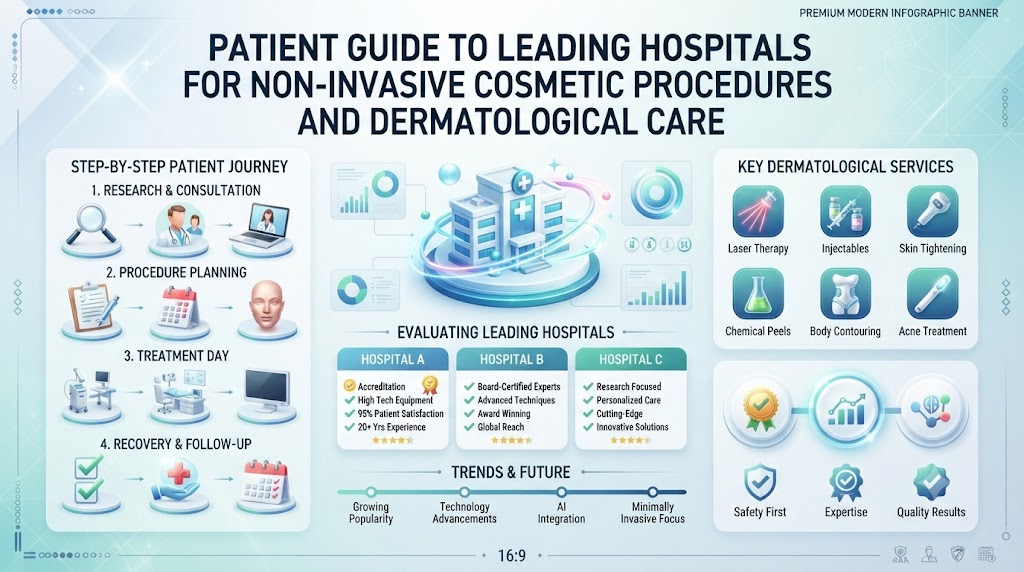
In recent years, interest in non-invasive cosmetic procedures has grown significantly as individuals seek ways to address aesthetic concerns without undergoing traditional surgery. Non-surgical options offer patients a variety of pathways to refresh their appearance, manage signs of aging, and target specific skin textures with minimal disruption to their daily routines. Common aesthetic goals often include improving skin rejuvenation, addressing uneven pigmentation, reducing the appearance of fine lines, managing acne scars, and exploring non-invasive body contouring.Patients exploring their options can find valuable educational resources and hospital insights through platforms like BestCosmeticHospitals, which helps individuals navigate aesthetic healthcare landscapes. Maintaining realistic expectations is equally essential, as cosmetic results vary widely between individuals. In this complete guide, readers will explore popular non-invasive treatments, safety considerations, hospital selection criteria, and practical tips for making informed aesthetic choices.
Understanding Non-Invasive Cosmetic Procedures
What Are Non-Invasive Cosmetic Procedures?
Non-invasive cosmetic procedures refer to aesthetic treatments designed to improve the appearance of the skin or body without surgical incisions, general anesthesia, or extensive recovery periods. These treatments typically utilize advanced technologies—such as lasers, light-based devices, radiofrequency, ultrasound, or chemical solutions—to target specific layers of the skin or localized fat deposits externally.
Non-Invasive vs. Minimally Invasive Procedures
While non-invasive procedures operate entirely on the surface or through targeted energy delivery without breaking the skin barrier in a surgical sense, minimally invasive procedures may involve minor injections, micro-needling, or small punctures. Both categories differ from traditional plastic surgery, though recovery times, sensations, and potential side effects vary depending on the specific technique used.
Why People Consider Non-Invasive Cosmetic Treatments
Individuals seek aesthetic treatments for diverse personal reasons, addressing concerns such as:
- Fine lines and early signs of facial aging.
- Uneven skin tone and rough texture.
- Stubborn pigmentation and sun spots.
- Post-acne textural scarring.
- Unwanted body hair.
- Mild to moderate skin laxity.
- Localized body contouring challenges.
Realistic Expectations
Understanding that aesthetic improvements occur gradually is vital. Results depend on multiple factors, including natural skin type, chronological age, specific treatment modalities chosen, individual biological responses, the total number of sessions completed, provider expertise, and diligent post-treatment aftercare.
Popular Types of Non-Invasive Cosmetic Procedures
Laser Skin Treatments
Laser technologies use concentrated beams of light to target specific skin components, helping to stimulate collagen production, improve texture, and address superficial flaws.
Chemical Peels
Chemical solutions are applied to the skin to exfoliate outer layers gently, promoting smoother skin texture and a more even complexion for selected skin concerns.
Laser Hair Removal
This procedure uses targeted light energy to disable hair follicles, reducing unwanted hair growth over a series of scheduled sessions.
Non-Invasive Skin Tightening
Energy-based devices utilizing radiofrequency or ultrasound technology stimulate deep tissue remodeling to help firm areas experiencing mild skin laxity.
Non-Invasive Body Contouring
Specialized technologies target localized fat cells or muscle tissue externally, offering body shaping options without surgical intervention.
Photofacial Treatments
Intense pulsed light (IPL) therapies target redness, broken capillaries, and sun damage to enhance overall skin clarity.
Treatments for Acne Scars
Dermatological specialists employ laser resurfacing, peels, or energy devices to soften the appearance of textural acne scars progressively.
Pigmentation Treatments
Targeted light or chemical therapies address uneven melanin distribution, though professional diagnosis is required to rule out underlying skin conditions.
Facial Rejuvenation
Comprehensive non-surgical approaches combine various modalities to restore a refreshed, vibrant appearance to the facial skin.
Anti-Aging Treatments
Procedures aimed at mitigating visible signs of aging by improving skin elasticity, firmness, and overall textural health.
MANDATORY COSMETIC PROCEDURE TABLE
| Procedure | Common Cosmetic Concern | General Purpose | Important Consideration |
| Laser Skin Treatment | Fine lines, texture, sun damage | Stimulate collagen and resurface outer skin layers. | Requires sun protection and tailored skin-type matching. |
| Chemical Peel | Dullness, uneven tone, mild scars | Exfoliate outer skin layers to reveal fresher tissue. | Depth of peel dictates recovery time and sensitivity. |
| Laser Hair Removal | Unwanted body or facial hair | Target hair follicles to reduce long-term growth. | Multiple sessions are necessary for optimal hair cycles. |
| Non-Invasive Skin Tightening | Mild facial or body skin laxity | Deliver thermal energy to stimulate deep tissue firming. | Results develop gradually over several months. |
| Non-Invasive Body Contouring | Stubborn localized fat deposits | Reduce fat cells externally using specialized energy. | Not a substitute for weight loss or lifestyle management. |
| Photofacial (IPL) | Redness, sun spots, broken veins | Target vascular and pigmented lesions with light pulses. | Avoid sun exposure before and after treatment sessions. |
| Acne Scar Treatment | Textural depressions and marks | Encourage skin remodeling and smooth uneven surfaces. | Scar types vary; combination therapies are common. |
| Pigmentation Treatment | Sun spots, melasma, uneven melanin | Balance skin tone and reduce hyperpigmentation. | Requires precise diagnosis to prevent worsening pigment. |
| Facial Rejuvenation | General aging and tired skin look | Revitalize overall facial complexion and texture. | Tailored to individual aging patterns and skin resilience. |
| Anti-Aging Treatment | Loss of firmness, wrinkles | Support structural skin integrity and youthful texture. | Maintenance sessions are often required over time. |
Treatment selection must never be generalized. Choosing the right procedure depends entirely on an individual’s unique skin characteristics, medical background, personal aesthetic goals, and professional clinical evaluation.
Why Specialized Cosmetic Hospitals Matter
Even though non-invasive cosmetic procedures do not involve major surgery, performing them safely and effectively requires institutional excellence and professional oversight. Specialized cosmetic hospitals provide critical advantages:
- Qualified cosmetic dermatologists and plastic surgeons with extensive aesthetic training.
- Comprehensive dermatology and aesthetic sub-specialty expertise.
- Advanced, medical-grade treatment technology and calibrated equipment.
- Rigorous patient assessment protocols to identify contraindications.
- Accurate skin type evaluation (using Fitzpatrick typing scales).
- Strict safety and sterilization standards to prevent infections.
- Preparedness to manage rare adverse reactions or complications.
- Tailored treatment planning aligned with individual biological responses.
- Structured follow-up care ensuring proper healing and monitoring.
A clinical environment ensures that patient safety remains the highest priority throughout every phase of aesthetic care.
How a Cosmetic Consultation Works
A thorough consultation is the foundational step of any safe cosmetic journey. It should cover:
- Understanding the patient’s personal aesthetic goals and motivations.
- Reviewing comprehensive medical and dermatological history.
- Conducting a detailed clinical assessment of the skin and target areas.
- Identifying potential contraindications or skin sensitivities.
- Discussing suitable treatment options and alternative approaches.
- Explaining realistic potential risks, side effects, and limitations.
- Setting clear, achievable expectations regarding outcomes.
- Developing a customized, phased treatment plan.
- Establishing follow-up schedules and post-care guidance.
A quality consultation gives patients the opportunity to ask questions and make fully informed decisions.
Who May Consider Non-Invasive Cosmetic Procedures?
- Adults seeking to address specific, localized cosmetic concerns.
- Individuals interested in gradual aesthetic enhancements rather than dramatic surgical changes.
- People looking for treatments with minimal downtime.
- Patients who maintain realistic expectations about what non-surgical methods can achieve.
- Individuals willing to adhere strictly to pre- and post-treatment professional recommendations.
Conversely, individuals with active skin infections, certain systemic medical conditions, unrealistic expectations, or specific skin sensitivities may not be suitable candidates for certain procedures.
Factors That Affect Treatment Suitability
- Skin Type: Melanin concentration and skin thickness influence how energy-based treatments interact with tissue.
- Skin Sensitivity: Underlying conditions like rosacea or eczema alter treatment tolerance.
- Medical History: Autoimmune disorders, healing tendencies, and past scars impact safety.
- Current Medications: Photosensitizing drugs or blood thinners require careful clinical review.
- Pregnancy or Breastfeeding: Most elective cosmetic procedures are postponed during pregnancy and lactation.
- Existing Skin Conditions: Active acne, rashes, or cold sores must be resolved prior to treatment.
- Previous Cosmetic Procedures: Prior treatments or implants in the area affect procedural planning.
- Allergies or Reactions: History of contact dermatitis or adverse product reactions.
- Treatment Expectations: Alignment between desired outcomes and clinical reality.
Only a qualified medical professional can determine individual suitability through direct physical examination.
Safety and Potential Risks
Non-invasive does not mean risk-free. Potential side effects and risks, while generally milder than surgical complications, can still occur:
- Temporary redness, warmth, or localized swelling.
- Heightened skin sensitivity or mild discomfort during or after treatment.
- Temporary irritation or flaking, particularly following chemical peels.
- Unintended pigment changes (hyper- or hypopigmentation), especially in sensitive skin types.
- Rare burns, blistering, or scarring from improperly calibrated equipment.
- Allergic reactions to topical numbing agents or post-care products.
Professional assessment, properly maintained medical-grade equipment, trained clinical staff, and strict adherence to aftercare protocols minimize these risks significantly.
How to Choose Leading Hospitals for Non-Invasive Cosmetic Procedures
Evaluating aesthetic facilities requires looking beyond advertisements to focus on medical credentials, safety standards, and quality of care:
- Board-certified dermatologists or plastic surgeons leading the clinical team.
- Extensive clinical experience in non-invasive aesthetic dermatology.
- Comprehensive, unhurried patient consultation processes.
- State-of-the-art, FDA-cleared, or medically approved equipment.
- Strict adherence to medical hygiene and safety standards.
- Thorough skin assessment and testing protocols.
- Personalized treatment planning tailored to individual needs.
- Transparent explanation of potential risks and limitations.
- Clear, transparent pricing structures without hidden fees.
- Reliable follow-up support and post-procedure care.
- Objective patient testimonials used alongside professional credentials.
- Emergency medical support readiness if complications arise.
Promotional claims and low pricing should never take precedence over clinical safety and professional expertise.
MANDATORY HOSPITAL SELECTION TABLE
| Hospital Selection Factor | What to Look For | Why It Matters |
| Specialist Expertise | Board-certified dermatologists and aesthetic specialists. | Ensures accurate diagnosis, safe procedure execution, and complication management. |
| Cosmetic Services | Comprehensive range of non-invasive face and body treatments. | Allows access to multi-modality solutions tailored to specific needs. |
| Consultation Process | Detailed, personalized evaluations rather than sales pitches. | Establishes realistic expectations and identifies medical contraindications. |
| Technology & Equipment | Modern, medically approved lasers and energy devices. | Delivers precise, effective treatments while minimizing tissue risk. |
| Safety Standards | Strict sterilization, hygiene, and emergency protocols. | Protects patients from infections and manages rare adverse reactions safely. |
| Skin Assessment | Professional diagnostic tools and Fitzpatrick skin typing. | Prevents adverse pigment reactions and tailored energy settings. |
| Treatment Planning | Customized, phased treatment schedules based on biology. | Avoids one-size-fits-all approaches and promotes gradual, safe results. |
| Qualified Support Staff | Licensed nurses, aestheticians, and medical technicians. | Ensures competent assistance and proper day-to-day patient care. |
| Follow-Up Care | Scheduled post-procedure check-ins and recovery monitoring. | Guarantees proper healing and addresses any unexpected concerns promptly. |
| Transparent Communication | Clear disclosure of risks, recovery, and total costs. | Empowers patients to make confident, fully informed healthcare choices. |
Patients should evaluate the overall standard of clinical care rather than choosing a provider based solely on promotional discounts or low costs.
Cost Considerations
Cosmetic treatment costs vary widely depending on several factors:
- The specific type and complexity of the procedure performed.
- The total number of sessions required to achieve desired goals.
- The brand, quality, and technological sophistication of the equipment used.
- The professional expertise and reputation of the treating specialist.
- The clinical standards and geographical location of the facility.
- Necessary post-treatment care products or follow-up visits.
The cheapest option is rarely the most appropriate choice when health, skin safety, and aesthetic outcomes are at stake.
Preparing for a Cosmetic Procedure
General preparation considerations managed alongside your clinician include:
- Completing an in-depth professional consultation.
- Disclosing your complete medical history and past cosmetic treatments.
- Reporting all current medications, vitamins, and herbal supplements.
- Asking detailed questions about realistic expectations and recovery.
- Understanding potential side effects and temporary downtime.
- Following specific pre-treatment instructions (such as avoiding sun exposure or certain skincare acids).
- Refraining from unapproved DIY cosmetic products before your appointment.
- Scheduling recommended follow-up appointments in advance.
Precise pre-treatment instructions must always come directly from the treating medical professional.
Aftercare and Follow-Up
- Following Professional Instructions: Adhering strictly to post-care guidelines provided by your clinical team.
- Protecting Treated Skin: Applying broad-spectrum sunscreen and avoiding direct UV exposure as directed.
- Watching for Unexpected Reactions: Monitoring the skin for unusual redness, blistering, or swelling.
- Attending Follow-Up Appointments: Returning for scheduled clinical evaluations to review healing progress.
- Avoiding Unapproved Products: Refraining from using active skincare ingredients (like retinoids or acids) until cleared by your specialist.
- Understanding Recovery: Recognizing that temporary side effects are a normal part of the skin’s healing process.
Aftercare protocols vary significantly depending on whether the procedure involved lasers, peels, or body contouring technology.
Real-Life Patient Scenarios
Scenario 1: Uneven Skin Tone
Hypothetical Patient Example: A 36-year-old individual notices persistent sun spots and uneven pigmentation on their cheeks. Seeking professional guidance, they schedule a consultation with a cosmetic dermatologist. Following a thorough skin assessment, a series of tailored photofacial sessions combined with strict sun protection is recommended, resulting in gradual, even skin clarity.
Scenario 2: Acne Scarring
Hypothetical Patient Example: A 29-year-old patient struggles with textural rolling scars left from adolescent acne. A specialist evaluates their scar depth and skin type, explaining that a combination of micro-needling and fractional laser treatments can help remodel collagen over several months, improving overall skin smoothness safely.
Scenario 3: Unwanted Hair
Hypothetical Patient Example: A 32-year-old seeks a long-term solution for unwanted facial hair. During a clinical consultation, the practitioner reviews their hair and skin characteristics, outlining a customized laser hair removal schedule spanning multiple sessions timed to hair growth cycles for optimal reduction.
Scenario 4: Skin Laxity
Hypothetical Patient Example: A 48-year-old notices mild sagging along their jawline and neck. After discussing realistic expectations with a cosmetic specialist, they explore non-invasive ultrasound skin tightening. The clinician outlines a gradual collagen-stimulation timeline, emphasizing that results develop slowly over several months without surgery.
Common Mistakes Patients Make
- Choosing a provider solely based on the cheapest price available.
- Expecting instant, flawless, or permanent transformation from a single session.
- Skipping the professional consultation and rushing into treatments.
- Selecting procedures based on viral social media trends rather than medical advice.
- Hiding medical history, smoking status, or recent sun exposure from the clinician.
- Using unverified home remedies or aggressive DIY treatments to correct side effects.
- Ignoring post-treatment aftercare and sun protection guidelines.
- Underestimating temporary side effects and downtime.
- Comparing personal healing and results unrealistically with other people.
Approaching aesthetic care with patience, honesty, and professional guidance helps prevent these common pitfalls.
Benefits and Limitations of Non-Invasive Cosmetic Procedures
Potential Benefits
- Non-surgical approach avoiding general anesthesia and surgical scars.
- Minimal disruption to daily routines for many procedures.
- Treatment flexibility tailored to specific, localized aesthetic concerns.
- Gradual, natural-looking aesthetic improvements over time.
Important Limitations
- Results vary widely from person to person based on biology.
- Multiple treatment sessions are frequently required to achieve goals.
- Outcomes are rarely permanent and may require periodic maintenance.
- Advanced structural aging or severe laxity may ultimately require surgical intervention.
- Side effects and temporary downtime can still occur despite non-invasive methods.
The Future of Non-Invasive Cosmetic Medicine
Aesthetic medicine continues to evolve through technological innovation. Emerging developments include higher-precision energy devices, artificial intelligence-assisted skin analysis and imaging tools, personalized multi-modality treatment planning, digital remote consultations, improved real-time skin monitoring, and advanced regenerative aesthetic research. While these innovations expand treatment possibilities, established clinical expertise and rigorous safety protocols remain the essential foundation of quality care.
Frequently Asked Questions (FAQ)
1. What are non-invasive cosmetic procedures?
Non-invasive cosmetic procedures are aesthetic treatments that improve skin appearance or body contours without surgical incisions, general anesthesia, or extensive recovery periods. They utilize external technologies such as lasers, light devices, radiofrequency, ultrasound, or chemical solutions to target specific tissue layers.
2. Are non-invasive cosmetic procedures safer than surgery?
Generally, non-invasive procedures carry a lower risk profile compared to traditional invasive surgeries because they avoid general anesthesia and surgical incisions. However, they are not entirely risk-free and can still cause side effects or complications if not performed by qualified professionals using proper equipment.
3. What are the most common non-invasive cosmetic treatments?
Common treatments include laser skin resurfacing, chemical peels, laser hair removal, non-invasive skin tightening, non-invasive body contouring, photofacials (IPL), and specialized therapies for acne scars and hyperpigmentation.
4. Can non-invasive treatments improve skin texture?
Yes, many non-invasive treatments—such as fractional lasers, chemical peels, and energy-based devices—are specifically designed to stimulate collagen production and cellular turnover, helping to smooth rough skin texture and refine surface irregularities over time.
5. Can laser treatments help with pigmentation?
Laser and light-based treatments can effectively target and break down excess melanin and sun spots, helping to clear uneven pigmentation. However, proper professional diagnosis is vital, as certain pigment conditions like melasma require specialized management to prevent worsening.
6. How does non-invasive skin tightening work?
Non-invasive skin tightening devices deliver thermal energy (such as radiofrequency or focused ultrasound) deep into the dermal layers. This controlled heat stimulates the body’s natural healing response, encouraging new collagen production to firm skin laxity gradually over several months.
7. Are non-invasive body contouring treatments suitable for everyone?
No, body contouring treatments are designed for localized fat pockets or mild contouring, not as a solution for significant weight loss or generalized obesity. Suitability depends on body composition, skin elasticity, and a thorough clinical evaluation by a specialist.
8. How many treatment sessions may be required?
The number of sessions varies widely depending on the procedure, the technology used, and the patient’s individual goals. While some treatments show effects quickly, others—such as laser hair removal or body contouring—require a series of spaced sessions for optimal outcomes.
9. Do non-invasive cosmetic treatments have side effects?
Yes, common side effects include temporary redness, swelling, mild tenderness, skin sensitivity, or temporary pigment changes. These effects are usually mild and resolve on their own, though rare risks like blistering or burns can occur if equipment is mishandled.
10. How should I choose a cosmetic hospital?
Patients should choose a hospital based on specialist board certification, clinical experience, safety standards, transparent consultation processes, modern technology, and structured follow-up care rather than focusing solely on promotional pricing or advertisements.
11. Should I consult a dermatologist before cosmetic treatment?
Yes, consulting a board-certified dermatologist or qualified cosmetic specialist is essential. They evaluate your skin type, medical history, and specific concerns to recommend safe treatments and rule out underlying dermatological conditions.
12. Are cosmetic treatment results permanent?
Most non-invasive cosmetic results are not permanent. Because natural aging, sun exposure, and lifestyle factors continue over time, maintenance sessions or ongoing skincare regimens are frequently recommended to sustain desired outcomes.
13. How much do non-invasive cosmetic procedures cost?
Costs vary significantly based on the type of procedure, number of sessions, technology used, specialist expertise, and geographic location of the facility. A detailed cost breakdown should always be provided during your initial consultation.
14. Can people with sensitive skin have cosmetic treatments?
Individuals with sensitive skin can often receive cosmetic treatments, but procedures and product strengths must be carefully customized by a specialist. Patch testing and gentle modalities are frequently utilized to prevent adverse reactions.
15. What should I ask during a cosmetic treatment consultation?
Key questions include: What are my realistic expected outcomes? How many sessions will I need? What are the potential side effects and downtime? What credentials do the operators have? How are rare complications managed? What is the total cost?
Final Thoughts
Non-invasive cosmetic procedures offer a versatile, modern approach to aesthetic care, allowing individuals to address skin rejuvenation, texture, and body contouring without the commitment of traditional surgery. However, achieving safe and satisfying results requires recognizing that aesthetic medicine is a branch of healthcare, not a simple consumer service. Professional clinical assessment, accurate skin typing, and customized treatment planning are vital to ensure that every procedure aligns safely with an individual’s unique biological profile.Emphasizing patient safety, realistic expectations, and clinical expertise over promotional pricing or quick fixes protects long-term skin health. Specialized cosmetic hospitals provide the expert guidance, advanced technology, and supportive environments necessary to navigate aesthetic treatments responsibly.