
Brazil Cosmetic Surgery Guide | Top Medical Tourism Destination 2025
Discover why Brazil is the world's top cosmetic surgery destination with 25 JCI-accredited hospitals, board-certified SBCP surgeons, and 40-80% cost savings. Safe, affordable plastic surgery in Brazil.


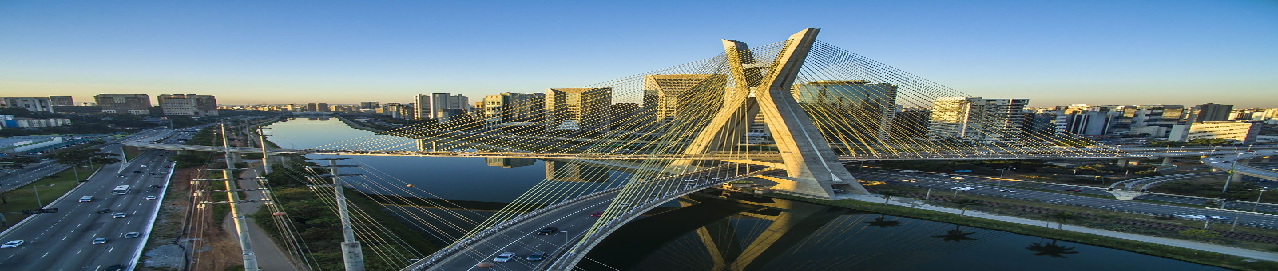

Brazil stands as the undisputed world leader in cosmetic surgery, performing more surgical aesthetic procedures annually than any other country. According to the International Society of Aesthetic Plastic Surgery (ISAPS), Brazil ranked #1 worldwide for surgical cosmetic procedures in 2023, with over 2.18 million surgical procedures performed by highly trained plastic surgeons.
International patients choose Brazil for its exceptional combination of world-class surgical expertise, cutting-edge medical facilities, and significantly more affordable pricing compared to the United States and Europe. Brazil’s 25 Joint Commission International (JCI)-accredited hospitals—the largest number in Latin America—demonstrate the country’s commitment to maintaining the highest international standards of patient safety and care quality.
Why Choose Brazil for Cosmetic Surgery?
Brazil’s dominance in cosmetic surgery stems from decades of innovation, rigorous training standards, and a cultural emphasis on aesthetic excellence. The country’s plastic surgeons are globally renowned for their artistic approach, technical precision, and ability to deliver natural-looking results that enhance each patient’s unique beauty.
World-Class Surgical Expertise
The Brazilian Society of Plastic Surgery (SBCP) represents approximately 6,700 board-certified plastic surgeons, making it one of the largest and most prestigious plastic surgery organizations globally. Every legitimate plastic surgeon in Brazil should be an SBCP member, which ensures they meet rigorous standards for:
- Medical education and specialized training in accredited plastic surgery residency programs
- Ethical practice and adherence to strict professional guidelines
- Clinical excellence through continuous education and peer review
You can verify surgeon membership directly on the SBCP website, providing essential protection against unqualified practitioners.
International Hospital Accreditation
Brazil’s 25 JCI-accredited hospitals demonstrate compliance with the world’s most demanding healthcare standards. Notable internationally accredited facilities include:
- Hospital Israelita Albert Einstein (São Paulo) — consistently ranked among Latin America’s premier medical centers
- Hospital Sírio-Libanês (São Paulo) — excellence in surgical outcomes and patient care
- Hospital Samaritano (São Paulo and Rio de Janeiro) — over 100 years of medical excellence, JCI-accredited
- Hospital Alemão Oswaldo Cruz (São Paulo) — ranked #3 in Newsweek’s World’s Best Hospitals 2024
- Hospital Moinhos de Vento (Porto Alegre) — ranked #4 in Newsweek’s World’s Best Hospitals 2024
JCI accreditation ensures these hospitals maintain strict protocols for patient safety, surgical excellence, infection control, and emergency preparedness—providing international patients with the same level of care they would expect from top-tier hospitals in the United States or Europe.
Unbeatable Value Without Compromising Quality
Brazil offers 40-80% cost savings on cosmetic procedures compared to the United States, while maintaining equivalent or superior surgical outcomes. This dramatic price advantage stems from:
- Lower labor and operational costs
- A highly competitive medical tourism market
- Government support for healthcare tourism development
- Efficient surgical facilities with optimized workflows
Despite significantly lower prices, Brazil’s top surgeons use the same FDA-approved implants, cutting-edge surgical techniques, and state-of-the-art technology as their counterparts in New York, London, or Los Angeles.
Innovation and Leadership in Aesthetic Surgery
Brazilian surgeons have pioneered numerous cosmetic surgery innovations, most notably the Brazilian Butt Lift (BBL)—a fat transfer technique that has become one of the most requested procedures globally. The country’s leadership in body contouring, facial rejuvenation, and breast surgery reflects its deep commitment to advancing aesthetic medicine through research, training, and technique refinement.
According to market research projections, Brazil’s cosmetic surgery market will grow from $3.06 billion in 2024 to $6.56 billion by 2035 (7.17% CAGR), reflecting sustained global confidence in Brazilian surgical expertise.
Popular Cosmetic Surgery Procedures in Brazil

Brazilian plastic surgeons excel across the full spectrum of cosmetic procedures. The country’s high procedure volume enables surgeons to develop exceptional expertise and consistently refine their techniques.
Brazilian Butt Lift (BBL)
The Brazilian Butt Lift remains Brazil’s signature procedure, combining liposuction with fat transfer to create naturally curvier buttock contours. As the technique’s country of origin, Brazil offers unparalleled BBL expertise.
Safety advancements: BBL mortality rates have improved dramatically from 1 in 3,448 (2017) to 1 in 14,921 (current)—a more than fourfold safety improvement—thanks to refined surgical techniques and enhanced safety protocols established by the American Society of Plastic Surgeons and international task forces.
Cost comparison:
- Brazil: $2,890 - $4,500
- USA: $8,000 - $15,000+
- Savings: 60-80% less than U.S. prices
Liposuction and Body Contouring
Brazil ranks among the world’s leading destinations for advanced liposuction techniques, including VASER-assisted, laser-assisted, and power-assisted liposuction. Brazilian surgeons specialize in creating harmonious body proportions by strategically removing excess fat while emphasizing natural contours.
Cost comparison:
- Brazil: $1,487 - $3,000
- USA: $5,800 - $8,400
- Europe: From €900 (~$975)
- Savings: 50-75% less than U.S. prices
Learn more about liposuction procedures and techniques.
Breast Augmentation and Breast Surgery
Brazil performs approximately 15% of all cosmetic breast surgery procedures in Latin America, reflecting exceptional expertise in breast augmentation, reduction, lifts, and revision surgery. Brazilian surgeons offer comprehensive options including silicone implants, saline implants, and fat transfer augmentation.
Cost comparison:
- Brazil: $3,300 - $4,500
- USA: $4,875 - $12,000+
- Europe: €4,000 - €7,000 (~$4,300-$7,500)
- Savings: 40-65% less than U.S. prices
Tummy Tuck (Abdominoplasty)
Brazilian plastic surgeons have refined abdominoplasty techniques to deliver outstanding contouring results with minimized scarring and faster recovery times. The country’s expertise in body sculpting makes it a premier destination for patients seeking comprehensive abdominal rejuvenation.
Cost comparison:
- Brazil: $2,900 - $4,000
- USA: $6,000 - $12,000
- Europe: €5,500 - €7,500 (~$6,000-$8,000)
- Savings: 60-75% less than U.S. prices
Facelift and Facial Rejuvenation
Brazil combines surgical expertise with artistic vision to deliver natural-looking facelift results that restore youthfulness without creating an overly “tight” or artificial appearance. Techniques range from traditional full facelifts to minimally invasive mini-facelifts and neck lifts.
Cost comparison:
- Brazil: $4,000 - $10,000
- USA: $7,000 - $15,000+
- Europe: From €4,750 (~$5,100)
- Savings: 40-60% less than U.S. prices
Non-Surgical Treatments
Brazil’s medical aesthetics sector offers comprehensive non-surgical options including:
- Botox and neuromodulators for wrinkle reduction
- Dermal fillers (hyaluronic acid, Sculptra, Radiesse) for volume restoration
- Chemical peels and laser skin resurfacing for texture and tone improvement
- Microneedling and platelet-rich plasma (PRP) therapy
These treatments provide excellent results with minimal downtime, often at 50-70% savings compared to U.S. pricing.
Explore non-surgical cosmetic treatments available in Brazil.
Top Medical Tourism Cities in Brazil
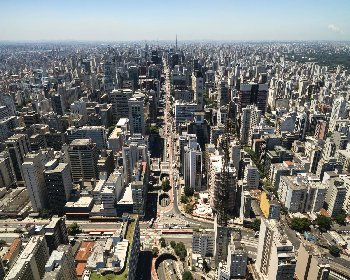
Brazil’s medical tourism infrastructure is concentrated in major metropolitan areas with international airports, luxury accommodations, and world-class medical facilities. Each city offers unique advantages for international patients.
São Paulo — Brazil’s Medical Capital
As South America’s largest city and economic hub, São Paulo boasts the highest concentration of JCI-accredited hospitals and board-certified plastic surgeons in Brazil. The city offers:
- Hospital Israelita Albert Einstein — internationally renowned for surgical excellence
- Hospital Sírio-Libanês — exceptional outcomes in cosmetic and reconstructive procedures
- Hospital Alemão Oswaldo Cruz — ranked among the world’s best hospitals
- Guarulhos International Airport (GRU) — direct flights from major global cities
- Luxury recovery accommodations in neighborhoods like Jardins, Itaim Bibi, and Morumbi
- Exceptional post-operative care with specialized nursing services
Rio de Janeiro — Medical Care in Paradise
Rio combines world-class medical facilities with iconic natural beauty, making it ideal for patients seeking a recovery experience in a tropical paradise. Medical highlights include:
- Hospital Samaritano — JCI-accredited with over a century of medical excellence
- INCA (National Cancer Institute) — specialized reconstructive surgery expertise
- Copacabana and Ipanema — beachfront luxury hotels ideal for recovery
- Galeão International Airport (GIG) — convenient access from North America and Europe
Other Notable Medical Cities
- Belo Horizonte — emerging medical tourism hub with competitive pricing
- Curitiba — renowned for patient safety and surgical quality
- Porto Alegre — home to Hospital Moinhos de Vento (Newsweek #4 ranking)
- Brasília — capital city with modern medical infrastructure
- Campinas — university town with excellent surgical centers
- Recife — coastal city with growing medical tourism sector
Hospital Accreditation and Safety Standards

Brazil’s commitment to patient safety is demonstrated through rigorous accreditation systems and professional standards.
Joint Commission International (JCI) Accreditation
Brazil’s 25 JCI-accredited hospitals undergo comprehensive evaluation covering:
- Patient assessment and treatment protocols
- Infection prevention and control measures
- Facility management and safety systems
- Staff qualifications and training
- Emergency preparedness and response
JCI accreditation provides international patients with assurance that these hospitals meet or exceed U.S. hospital standards. A full list of JCI-accredited Brazilian hospitals is available on the Joint Commission International website.
Brazilian Society of Plastic Surgery (SBCP) Certification
The SBCP maintains Brazil’s highest standards for plastic surgery practice through:
- Residency program accreditation for plastic surgery training
- Ethical guidelines enforced through peer review and disciplinary processes
- Continuing education requirements ensuring surgeons stay current with advances
- Public verification system allowing patients to confirm surgeon credentials
Always verify that your chosen surgeon is an active SBCP member by checking their credentials on the official society website.
Enhanced Safety Protocols for High-Risk Procedures
Following global concerns about BBL safety, Brazilian surgeons have implemented enhanced protocols including:
- Ultrasound-guided fat injection to avoid deep vascular injection
- Strict cannula selection preventing inadvertent intravascular penetration
- Comprehensive pre-operative screening including BMI and health assessment
- Extended post-operative monitoring for early complication detection
These protocols have contributed to the dramatic improvement in BBL safety outcomes documented in international studies.
Travel and Visa Requirements

Understanding Brazil’s entry requirements is essential for planning your medical tourism journey.
Visa Requirements (2025 Update)
Important change: As of April 10, 2025, Brazil reinstated visa requirements for citizens of the United States, Canada, Australia, and Mexico. These nationals must obtain an e-visa (electronic visa) before traveling.
Official e-visa portal: https://brazil.vfsevisa.com/ — the only authorized website for e-visa applications
E-visa details:
- Cost: Approximately $81 USD
- Processing time: Apply at least 2-4 weeks before travel
- Validity: Typically 90 days for tourism/medical tourism purposes
- Requirements: Valid passport (valid on entry date), recent photograph, proof of sufficient funds
Medical tourists should additionally consider:
- Carrying medical appointment confirmations or clinic letters
- Obtaining travel medical insurance that covers medical complications
- Verifying visa requirements with the Brazilian embassy or consulate
- Checking if any medical-specific documentation is required
Passports from Other Countries
Citizens from the European Union, United Kingdom, and many other countries can typically enter Brazil visa-free for tourism periods (usually 90 days). Always verify current requirements with the Brazilian Ministry of Foreign Affairs or your nearest Brazilian consulate.
Flight Connections
Brazil’s major international airports offer direct connections from global hubs:
- São Paulo (GRU) — Direct flights from New York, Miami, Atlanta, London, Paris, Frankfurt, Rome, Madrid, Dubai, Doha, and other major cities
- Rio de Janeiro (GIG) — Direct flights from North America, Europe, and Latin America
- Brasília (BSB) — Increasing international connections
- Recife (REC) and Porto Alegre (POA) — Regional international airports
Pre-Travel Planning Recommendations
- Book flights and accommodations well in advance, especially during peak season (December-February)
- Allow sufficient recovery time — minimum 7-14 days post-surgery before flying home
- Arrange airport transfers and local transportation through your clinic or hotel
- Consider recovery accommodations with nursing support or medical proximity
- Purchase comprehensive travel insurance covering medical complications and trip interruption
Tips for Medical Tourists in Brazil

Maximize your safety and satisfaction by following these evidence-based recommendations for medical tourism in Brazil.
Pre-Travel Preparation
Research thoroughly:
- Verify your surgeon’s SBCP membership status on the official society website
- Confirm hospital JCI accreditation or equivalent international certification
- Request detailed procedure information including techniques, anesthesia, and facility
- Read authentic patient reviews on independent platforms (not clinic websites only)
- Obtain written cost estimates including all fees (surgeon, facility, anesthesia, aftercare)
Health screening:
- Complete required pre-operative tests (blood work, EKG, mammogram as indicated)
- Optimize BMI to safe levels (many surgeons require BMI under 30-35 for procedures like BBL)
- Control chronic medical conditions (diabetes, hypertension) before surgery
- Discontinue blood thinners, smoking, and certain medications per surgeon instructions
- Arrange medical records transfer if you have relevant health history
Financial planning:
- Understand total costs including procedure, facility, anesthesia, medications, and accommodations
- Budget for complication management (additional procedures if needed)
- Bring multiple payment methods (international credit cards, some cash)
- Clarify refund policies for cancellations or complications
Selecting Your Surgeon and Facility
Essential questions to ask:
- Are you an active SBCP member in good standing?
- How many of this specific procedure have you performed? (Ask for annual volume)
- What accreditation does your surgical facility hold? (JCI preferred)
- What anesthesia protocol do you use? (Board-certified anesthesiologist required)
- What complication rate do you experience with this procedure?
- Can you provide 10-20 before/after photos of your actual patients?
- What is your revision policy if results require adjustment?
- Which hospital will perform the surgery? (Verify accreditation)
Red flags to avoid:
- Surgeons unable to provide SBCP verification
- Facilities without international accreditation
- Prices dramatically lower than market rates (often indicates hidden costs or reduced safety)
- Pressure tactics or limited-time offers
- Refusal to provide detailed written information
- No board-certified anesthesiologist involved
During Your Stay
Pre-operative phase:
- Arrive 2-3 days before surgery for consultation, pre-op testing, and facility orientation
- Bring a companion or caregiver if possible (recommended for safety and support)
- Confirm post-operative accommodation arrangements and nursing support
- Purchase recommended supplies (compression garments, medications, wound care)
- Maintain clear communication with surgical team about concerns or questions
Immediate post-operative period:
- Follow all post-operative instructions meticulously
- Attend scheduled follow-up appointments before returning home
- Contact your surgeon immediately for concerning symptoms (fever, excessive pain, wound changes)
- Stay in Brazil for recommended duration (typically 7-14 days minimum)
- Avoid strenuous activities, sun exposure, and substances that impair healing
Departure planning:
- Obtain complete medical records including operative reports and discharge summaries
- Request medication prescriptions for post-travel care
- Arrange follow-up communication with Brazilian surgeon for remote assessment
- Plan for medical follow-up in your home country after returning
- Keep surgeon contact information accessible for post-travel questions
Recovery and Aftercare
Recovery accommodations:
- Choose hotels or recovery retreats with medical support if available
- Select accommodations with comfortable bedding, accessibility, and quiet environment
- Consider location proximity to your surgical facility for easy follow-up visits
- Verify internet access for communication with family and medical providers
Recovery activities:
- Rest adequately and avoid strenuous exercise during initial recovery
- Stay well-hydrated and maintain proper nutrition
- Attend all follow-up appointments before leaving Brazil
- Take prescribed medications exactly as directed
- Avoid sun exposure to surgical areas (critical for preventing scarring and pigmentation issues)
Post-return care:
- Schedule prompt follow-up with a local physician upon returning home
- Provide your Brazilian medical records to your home physician
- Monitor for delayed complications (infection, wound healing problems)
- Continue wound care and compression as directed
- Maintain communication with Brazilian surgeon for any concerns
Frequently Asked Questions (FAQ)
Is cosmetic surgery in Brazil safe?
Yes, when performed by qualified SBCP-member surgeons in JCI-accredited facilities, cosmetic surgery in Brazil meets or exceeds international safety standards. Brazil’s 25 JCI-accredited hospitals and rigorous professional standards ensure patient safety. The country has dramatically improved outcomes for high-risk procedures like BBL through enhanced safety protocols. Always verify surgeon credentials and facility accreditation before proceeding.
How much can I save by having cosmetic surgery in Brazil?
Patients typically save 40-80% compared to U.S. prices and 40-60% compared to Western European prices. For example:
- Breast augmentation: $3,300-$4,500 in Brazil vs. $4,875-$12,000+ in the U.S.
- BBL: $2,890-$4,500 in Brazil vs. $8,000-$15,000+ in the U.S.
- Tummy tuck: $2,900-$4,000 in Brazil vs. $6,000-$12,000 in the U.S.
How long should I stay in Brazil after surgery?
Plan to stay in Brazil for 7-14 days minimum after most surgical procedures. This allows for:
- Immediate post-operative monitoring and complication management
- At least one follow-up appointment before travel
- Adequate initial healing before air travel (which increases clotting risks)
- Adjustment period for medications, compression garments, and recovery routines
Your surgeon may recommend longer stays for extensive procedures or if complications occur.
Do I need to speak Portuguese to have surgery in Brazil?
No, Brazil’s top medical tourism facilities typically have English-speaking staff and translators. Many surgeons, anesthesiologists, and nurses in major hospitals speak English fluently due to international training. Professional translation services are also available. However, learning basic Portuguese phrases can enhance your experience.
What if I have complications after returning home?
Contact your Brazilian surgeon immediately for guidance. Many international complications can be managed through remote consultation with your original surgeon. For urgent concerns, seek care from a local plastic surgeon and provide your complete Brazilian medical records. Your surgeon may recommend returning to Brazil for revision surgery if needed, which is typically less expensive than initial revision procedures in other countries.
Does insurance cover cosmetic surgery in Brazil?
Most U.S. and international health insurance plans do not cover elective cosmetic surgery abroad. However, some travel insurance policies may cover complications or emergency care related to medical procedures. Verify coverage with your insurance provider before traveling. Medical tourism financing options are available through some companies and clinics.
How do I verify a surgeon’s credentials?
Verify surgeon credentials through:
- SBCP website: Check active membership status
- Hospital affiliation: Confirm admitting privileges at JCI-accredited hospitals
- Professional references: Request patient testimonials and before/after photos
- Direct consultation: Ask detailed questions about training, experience, and outcomes
What is the best time of year to visit Brazil for surgery?
Brazil’s climate varies by region:
- December-March: Summer season (warm, humid) — popular but more expensive
- April-June: Autumn (mild, pleasant) — excellent recovery weather
- July-September: Winter (cooler, drier in southern regions) — ideal for surgery
- October-November: Spring (warming, beautiful) — good combination of weather and value
Avoid rainy season in your chosen region, as humidity can affect healing comfort. Consider avoiding peak holiday periods (December-February) when accommodations and facilities are crowded.
Can I combine multiple procedures in one trip?
Yes, combining procedures (e.g., liposuction with BBL, breast augmentation with lift, tummy tuck with liposuction) is common and can significantly reduce overall costs and recovery time. However:
- Longer operative times increase anesthesia risks
- Combined procedures require longer recovery (often 14+ days in Brazil)
- Not all combinations are safe for every patient (BMI and health factors apply)
- Additional procedures typically cost 20-30% more than single procedures
Discuss combination safety and pricing thoroughly with your surgeon during consultation.
Are there any restrictions on who can have cosmetic surgery in Brazil?
Brazilian surgeons follow international guidelines requiring patients to:
- Be at least 18 years old (with parental consent for some procedures 16-18)
- Have stable BMI under 30-35 for many procedures (especially BBL)
- Be in good general health without uncontrolled chronic conditions
- Have realistic expectations about outcomes
- Be non-smokers or willing to quit for adequate perioperative periods
- Have adequate time for recovery and follow-up
Surgeons may refuse or postpone procedures for patients with risk factors that compromise safety.
Important Disclaimer
The information provided in this guide is for educational purposes only and does not constitute medical advice. Cosmetic surgery involves significant risks including bleeding, infection, scarring, anesthesia complications, and unsatisfactory results. Individual outcomes vary based on numerous factors including surgeon skill, patient health, and adherence to post-operative instructions.
Always consult with qualified, licensed medical professionals regarding your specific situation, medical history, and treatment options. Verify all credentials, accreditation, and facility standards independently. This guide does not endorse specific surgeons, hospitals, or clinics.
Patients considering medical tourism should:
- Consult with their primary care physician before traveling
- Verify surgeon credentials through official medical boards
- Understand that complications may require additional treatment
- Be aware that legal recourse may be limited across international borders
- Purchase appropriate travel and medical insurance
The costs, statistics, and information presented are based on available data as of 2025 and may change. Always verify current requirements, regulations, and recommendations directly with official sources and healthcare providers.