
Laser Skin Resurfacing Guide | Treatment, Cost & Recovery
Laser skin resurfacing reduces wrinkles, scars, and sun damage. Learn about CO2, erbium, and fractional laser treatments, costs, recovery, and candidacy.

Overview & How Laser Skin Resurfacing Works
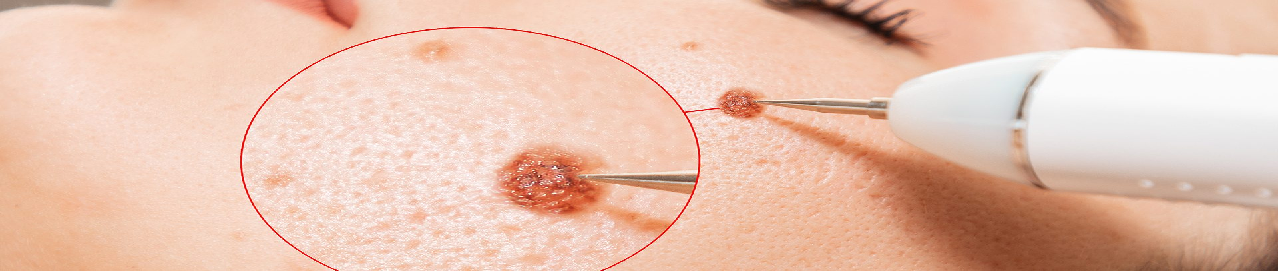
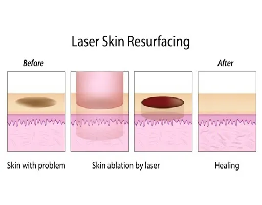
Laser skin resurfacing is a cosmetic procedure that uses focused laser beams to improve skin texture, reduce wrinkles, and minimize scars, sun damage, and pigmentation irregularities. The treatment works by removing damaged outer skin layers (epidermis) while heating the underlying dermis to stimulate collagen production—the protein responsible for skin firmness and elasticity1.
As the treated area heals, new skin forms that is smoother and tighter. This process effectively addresses fine lines, wrinkles, acne scars, age spots, uneven skin tone, and textural irregularities2.
Types of Laser Resurfacing
Ablative Lasers (CO2 and Erbium:YAG) remove the outer layer of skin and are most effective for deeper wrinkles, significant sun damage, and acne scarring. CO2 laser resurfacing has longer-lasting results but requires more downtime1. Erbium:YAG lasers offer faster healing with reduced risk of pigmentation changes compared to CO26.
Non-ablative Lasers heat the underlying skin tissue without removing the surface layer, resulting in minimal downtime but more gradual improvement. These are gentler and better suited for mild to moderate skin concerns6.
Fractional Lasers divide the laser energy into thousands of microscopic treatment zones, leaving surrounding healthy tissue intact to accelerate healing. This approach bridges the gap between effectiveness and recovery time1.
Ideal Candidates for Laser Skin Resurfacing
Good candidates for laser skin resurfacing are individuals in overall good health with realistic expectations about outcomes. Ideal candidates have3:
- Fine lines and wrinkles around the eyes, mouth, or forehead
- Acne scars or other surgical scars
- Sun damage, age spots, or uneven pigmentation
- Rough or uneven skin texture
- Mild to moderate skin laxity
Who should avoid or postpone treatment:
- Patients with active acne breakouts (treatment should wait until acne is under control)3
- Individuals with very dark skin tones (higher risk of hyperpigmentation or hypopigmentation)3
- Those with deep wrinkles, excessive sagging skin, or severe scarring (surgical options like facelift surgery may be more appropriate)
- Pregnant or breastfeeding women
- People with certain medical conditions or taking photosensitizing medications
A thorough consultation with a board-certified dermatologist or plastic surgeon is essential to determine candidacy and select the appropriate laser type for your skin concerns.
Laser Skin Resurfacing Treatment Process
1. Pre-Treatment Preparation
Before undergoing laser resurfacing, patients typically need to1:
- Avoid sun exposure and tanning for 4-6 weeks prior
- Discontinue certain skincare products (retinoids, exfoliants) 1-2 weeks before
- Inform the provider about all medications and supplements
- May be prescribed antiviral medication (if prone to cold sores)
- Avoid smoking to promote optimal healing
Your provider may recommend pretreatment with skin-lightening agents if you have a history of pigmentation issues.

2. The Procedure
On treatment day, the target area is thoroughly cleansed and a topical anesthetic or local anesthesia is applied for comfort. For extensive treatments, sedation or general anesthesia may be used1.
The procedure itself typically takes 30 minutes to 2 hours depending on treatment area and laser type. During the session:
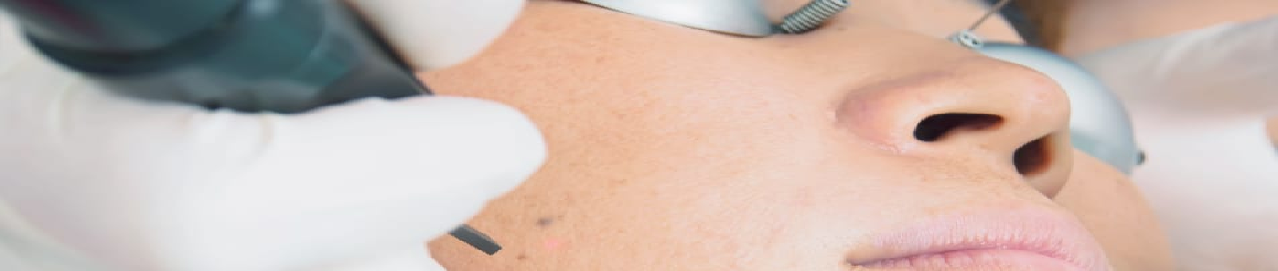
- Protective eyewear is worn for both patient and provider
- The laser handpiece is passed precisely over targeted areas
- You may feel warmth or snapping sensations similar to rubber band snaps
- Cooling systems or cold air may be used to minimize discomfort
- The provider monitors skin response and adjusts settings accordingly
3. Post-Treatment Care
Immediate aftercare varies by laser type:
Ablative laser recovery (up to 2 weeks):
- Ointment and dressings applied to treated areas
- Skin weeps fluid for first 24-48 hours as new skin forms
- Redness and swelling are normal and may persist for 3-14 days
- Strict sun avoidance is critical during healing1
Non-ablative/fractional recovery (3-7 days):
- Mild redness and swelling (usually resolves within hours to days)
- No ointment or dressings typically required
- Most patients return to normal activities within 24-48 hours5

Results & Long-Term Maintenance
What Results to Expect
Improvement continues for 6-12 months as collagen remodeling progresses. Many patients notice smoother skin texture and reduced pigmentation after the first treatment, with optimal results requiring multiple sessions1. Common outcomes include:
- 50-80% improvement in fine lines and wrinkles (depending on laser type and severity)
- Noticeable fading of acne scars and age spots
- More even skin tone and texture
- Pore size reduction
- Enhanced skin radiance and firmness
Results are long-lasting but not permanent. Aging, sun exposure, and lifestyle factors continue to affect skin after treatment. Maintenance treatments every 1-2 years can help sustain results2.
Maintenance Recommendations
To maintain results and protect your investment:
- Apply broad-spectrum sunscreen SPF 30+ daily (non-negotiable)
- Use gentle, physician-recommended skincare products
- Avoid smoking and excessive alcohol consumption
- Maintain a healthy diet and stay hydrated
- Consider maintenance treatments as recommended by your provider
- Combine with other treatments like chemical peels or microneedling for enhanced results

Risks & Side Effects
Laser skin resurfacing is generally safe when performed by qualified, experienced professionals using FDA-cleared devices5. However, all medical procedures carry some risk.
Common Temporary Side Effects
- Redness and mild swelling (resolves within days to weeks)
- Sensation similar to sunburn
- Minor skin peeling or flaking
- Temporary changes in skin color (hypo- or hyperpigmentation)
- Mild discomfort or tightness1
Potential Complications (Rare)
- Scarring or permanent textural changes
- Persistent pigmentation changes (more common in darker skin tones)
- Infection (bacterial, viral, or fungal)
- Reactivation of herpes simplex virus (cold sores)
- Eye injury if protective eyewear is not used
Risk factors for complications include history of keloid scarring, recent isotretinoin (Accutane) use, and certain autoimmune conditions. Choosing a board-certified provider with extensive laser experience significantly minimizes these risks1.
Cost of Laser Skin Resurfacing
The cost of laser skin resurfacing varies widely depending on:
- Type of laser used (ablative vs. non-ablative vs. fractional)
- Size and number of treatment areas
- Geographic location and provider expertise
- Number of sessions required
- Facility and anesthesia fees (if applicable)
Average Cost Ranges
According to the American Society of Plastic Surgeons, the average cost of laser skin resurfacing is approximately $1,829 for a single treatment4. More specific estimates include:
| Treatment Type | Average Cost Range |
|---|---|
| Full-face CO2 ablative laser | $2,000 - $5,000+ |
| Fractional laser resurfacing | $1,000 - $3,500 |
| Non-ablative laser (per session) | $400 - $1,500 |
| Targeted area (per region) | $500 - $2,000 |
Most patients require 1-3 sessions for optimal results, and costs are typically not covered by insurance when performed for cosmetic purposes. Some practices offer package pricing for multiple treatments or combined procedures.
Medical tourism considerations: Many patients travel to destinations like Thailand, India, or Mexico for laser treatments at significantly reduced costs—often 40-60% less than U.S. prices. However, thorough research into provider qualifications and facility accreditation is essential when seeking treatment abroad.
Frequently Asked Questions
1. Is laser skin resurfacing painful?
Discomfort levels vary by laser type. Ablative treatments may cause significant discomfort during recovery (often managed with pain medication), while non-ablative and fractional lasers cause mild sensation similar to sunburn. Topical anesthetics and cooling devices improve comfort during the procedure itself1.
2. How many treatments will I need?
Most patients see noticeable improvement after a single ablative or fractional laser treatment. However, optimal results typically require 2-4 sessions spaced 4-6 weeks apart for non-ablative treatments. Maintenance sessions every 12-18 months help sustain results2.
3. Can laser resurfacing be combined with other procedures?
Yes, laser resurfacing is often combined with facelift surgery, blepharoplasty, chemical peels, or dermal fillers for comprehensive facial rejuvenation. Your provider will recommend safe combinations and timing based on your goals.
4. When will I see results?
Some improvement is visible within 2-4 weeks as initial swelling subsides and early healing occurs. However, full results develop over 3-6 months as collagen production peaks and skin remodeling completes. Results continue to improve for up to 12 months post-treatment1.
5. Are the results permanent?
Results are long-lasting but not permanent. The procedure treats existing damage but cannot stop the natural aging process. Sun protection, proper skincare, and periodic maintenance treatments help prolong results. Most patients enjoy noticeable improvement for 5+ years with proper maintenance2.
6. Which laser type is best for my skin concerns?
The optimal laser depends on your specific concerns, skin type, and downtime tolerance:
- Ablative CO2: Best for deep wrinkles, severe sun damage, acne scarring (longer downtime)
- Erbium:YAG: Good alternative to CO2 with faster healing and lower pigmentation risk
- Fractional: Balanced option for moderate concerns with reduced recovery
- Non-ablative: Ideal for maintenance and mild concerns with minimal downtime
A board-certified dermatologist or plastic surgeon can evaluate your skin and recommend the most appropriate treatment approach.
Important Disclaimer
This content is for informational purposes only and does not constitute medical advice, diagnosis, or treatment. Laser skin resurfacing is a medical procedure that should only be performed by qualified, licensed healthcare professionals. Individual results vary, and not all patients are suitable candidates. Always consult with a board-certified dermatologist or plastic surgeon to discuss potential risks, benefits, and alternatives based on your specific medical history and skin condition. The costs and recovery times provided are general estimates—actual experiences may differ. Mention of specific hospitals, destinations, or medical tourism options does not constitute endorsement. Verify all credentials, facility accreditations, and regulatory standards before pursuing treatment.