
IPL Photorejuvenation Treatment Guide
IPL photorejuvenation uses broad-spectrum light to treat sun damage, age spots, rosacea, and uneven skin tone. Learn about costs, recovery, and results.
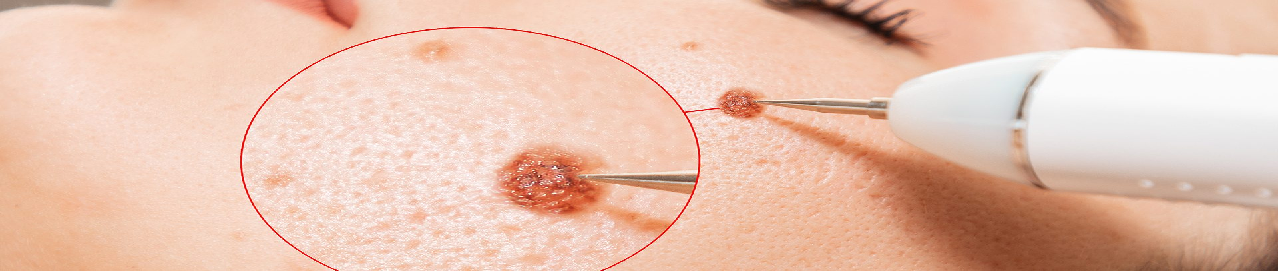
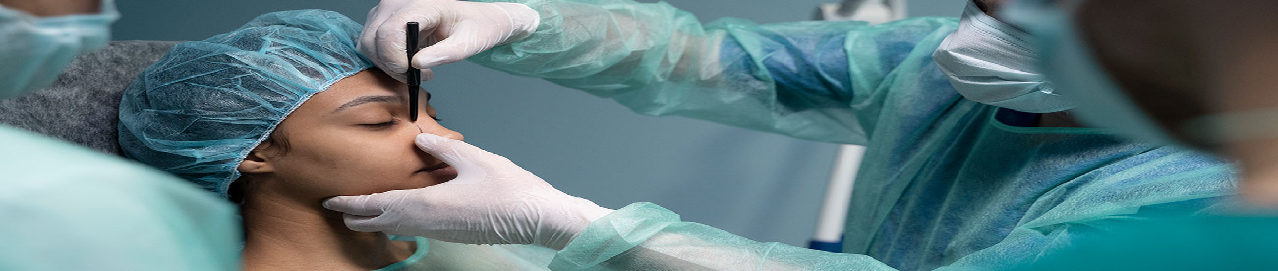
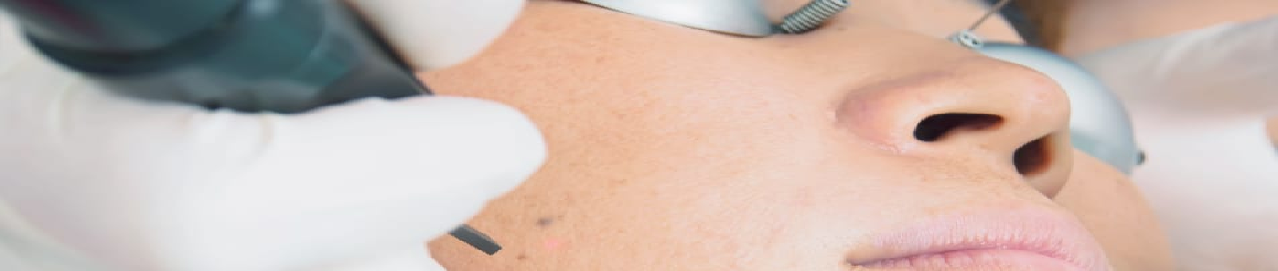

Intense Pulsed Light (IPL) therapy, also known as photorejuvenation or photofacial, is a non-invasive skin treatment that uses broad-spectrum light to improve skin color and texture. Unlike laser treatments that use a single wavelength, IPL delivers multiple wavelengths of light (400-1200 nm) to target various skin concerns simultaneously, including sun damage, age spots, rosacea, broken capillaries, and uneven pigmentation. The treatment works through selective photothermolysis, targeting chromophores like melanin and hemoglobin without damaging surrounding tissue.
How IPL Photorejuvenation Works
IPL devices emit polychromatic, non-coherent light in high-intensity pulses. The light energy is absorbed by specific targets in the skin:
- Melanin: Targets brown spots, sun damage, age spots, and freckles
- Hemoglobin: Targets blood vessels, redness, rosacea, and broken capillaries
- Collagen stimulation: Indirectly boosts collagen production for improved texture
The underlying mechanism involves four crucial parameters: wavelength, pulse duration, fluence (energy density), and spot size. These settings are customized based on your skin type, concerns, and treatment goals. The broad wavelength range allows IPL to address multiple skin concerns in a single session, making it more versatile than single-wavelength lasers.
Ideal Candidates for IPL Treatment
Best candidates for IPL photorejuvenation include:
- Individuals with fair to medium skin tones (Fitzpatrick skin types I-III)
- Those experiencing sun damage, photoaging, or uneven pigmentation
- People with age spots, freckles, or brown patches
- Patients with rosacea, facial redness, or visible broken capillaries
- Those seeking improvement in overall skin tone and texture
IPL may not be suitable for:
- Individuals with deep skin tones (Fitzpatrick types IV-VI) due to risk of pigmentation irregularities
- Patients with active infections, open wounds, or inflammatory skin conditions in treatment areas
- Those with a history of keloid scarring or poor wound healing
- Pregnant or breastfeeding women (insufficient safety data)
- People taking photosensitizing medications
- Patients with hormonal brown spots (melasma), as IPL may trigger flare-ups
The IPL Treatment Process
1. Consultation and Skin Assessment
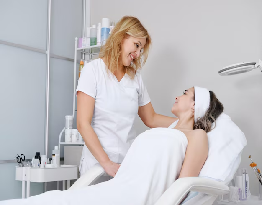
Before treatment, a qualified dermatologist or licensed skincare professional will evaluate your skin type, concerns, and medical history. They will determine appropriate IPL settings and discuss expected outcomes, potential risks, and the number of treatments needed. A patch test may be performed to assess your skin’s response.
2. Treatment Preparation
- Treatment areas are thoroughly cleansed
- Protective eyewear is placed to shield your eyes from the bright light pulses
- A cool gel may be applied to the treatment area to enhance light transmission and protect the skin
- The IPL device is calibrated based on your specific needs
3. The IPL Procedure
The handheld IPL device is pressed against your skin, delivering pulses of light. You may feel a sensation similar to a rubber band snap or mild warmth. Treatment time typically ranges from 15-30 minutes for the face, depending on the treatment area. The device’s cooling feature helps minimize discomfort.
4. Post-Treatment Care
Immediately after treatment, you may experience:
- Mild redness (similar to sunburn)
- Slight swelling
- Darkening of pigmented spots (they will flake off within 1-2 weeks)
- Sensitivity in treated areas
Recovery and Downtime
One of IPL’s key advantages is minimal downtime. Most patients return to normal activities immediately, though you may want to avoid social engagements for 1-3 days if redness is noticeable.
Recovery timeline:
- Immediately after: Redness, warmth, possible swelling (feels like mild sunburn)
- 24-48 hours: Redness subsides; pigmented spots darken
- 3-7 days: Darkened spots flake off; skin returns to normal appearance
- 2-4 weeks: Continued improvement as collagen remodeling progresses
Post-treatment care instructions:
- Apply gentle moisturizer and sunscreen (SPF 30+) daily
- Avoid direct sun exposure for 2 weeks
- Skip exfoliants, retinoids, and harsh skincare products for 5-7 days
- Use cool compresses if discomfort occurs
- Avoid hot showers, saunas, and vigorous exercise for 24-48 hours
- Do not pick or scrub flaking pigmented spots
Results and Expected Outcomes
IPL photorejuvenation delivers gradual improvements over a series of treatments. While some patients notice changes after a single session, optimal results typically require 3-4 treatments spaced 4-6 weeks apart.
Expected results include:
- More even skin tone: Faded sun spots, age spots, and brown patches
- Reduced redness: Decreased facial redness, rosacea symptoms, and visible blood vessels
- Improved texture: Smoother skin with refined pore appearance
- Brighter complexion: Enhanced overall radiance and clarity
- Youthful glow: Rejuvenated appearance with continued collagen stimulation
Full results are typically visible 6 weeks after the final treatment, with ongoing improvement as collagen production increases. Results can last 1-2 years or longer with proper sun protection and maintenance treatments.
Risks and Side Effects
IPL is considered safe when performed by trained professionals using appropriate settings. Most side effects are mild and temporary.
Common side effects (hours to days):
- Redness and swelling
- Mild discomfort or stinging
- Temporary darkening of treated pigmented areas
- Dryness or flaking
Less common side effects:
- Blistering or crusting
- Hyperpigmentation (darkening) or hypopigmentation (lightening) of skin
- Scar formation (rare)
- Infection (extremely rare with proper care)
- Flare-up of melasma or hormonal pigmentation
Risk factors: Deeper skin tones, recent sun exposure, certain medications, and improper device settings increase complication risks. Choosing an experienced provider and following pre/post-treatment instructions minimizes these risks.
IPL Treatment Cost
IPL photorejuvenation costs vary based on:
- Geographic location and provider expertise
- Treatment area size (face, neck, chest, hands)
- Number of sessions required
- Facility type (medical spa vs. dermatology clinic)
Average pricing (USD):
- Per session: $250-$600
- Full face series (3-4 treatments): $750-$2,400
- Package pricing: Many providers offer discounted treatment packages
Medical insurance typically does not cover IPL for cosmetic purposes. However, if used for medically necessary conditions like certain vascular lesions, insurance may provide coverage—check with your provider.
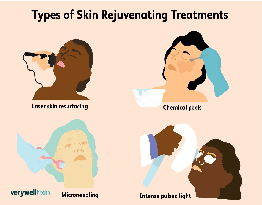
IPL vs. Other Skin Rejuvenation Treatments
| Treatment | Best For | Downtime | Sessions Needed |
|---|---|---|---|
| IPL | Pigmentation, redness, overall tone | Minimal (1-3 days) | 3-4 |
| Laser Resurfacing | Deep wrinkles, scars | 1-2 weeks | 1-2 |
| Microneedling | Texture, scars, fine lines | 1-3 days | 3-6 |
| Chemical Peels | Surface texture, pigmentation | 3-7 days | 3-6 |
| BBL (BroadBand Light) | Similar to IPL with newer technology | Minimal | 3-4 |
IPL’s advantage is its versatility—addressing multiple concerns with minimal discomfort and no recovery time. However, for deep wrinkles or severe scarring, laser resurfacing or microneedling may be more effective.
Frequently Asked Questions
Is IPL treatment painful?
Most patients describe IPL sensations as mild—similar to a rubber band snap or warm pinprick. The treatment is generally well-tolerated without anesthesia. A cooling gel and device tip minimize discomfort. If you have low pain tolerance, numbing cream can be applied 30-60 minutes before treatment.
How long do IPL results last?
Results typically last 1-2 years with proper sun protection. Maintenance treatments every 6-12 months can prolong outcomes. However, new sun damage, aging, and hormonal changes can create new pigmentation or redness over time. Consistent sunscreen use (SPF 30+) is essential for maintaining results.
Can IPL be combined with other treatments?
Yes, IPL is often combined with:
- Microneedling: For texture and scarring concerns
- Chemical peels: For enhanced exfoliation and pigmentation removal
- Topical skincare: Retinoids, vitamin C, and hydroquinone between treatments
- Neurotoxins/fillers: For comprehensive facial rejuvenation
Your provider will recommend a personalized treatment plan and appropriate sequencing to avoid irritation or complications.
When will I see results?
Some improvement is visible within 2-4 weeks as pigmented spots darken and flake off. Redness and vascular lesions typically improve within 4-6 weeks. Optimal results develop gradually over the full treatment course, with final outcomes assessed 6 weeks after your last session.
Are IPL results permanent?
IPL removes existing sun damage and pigmentation, but it cannot prevent new damage from forming. Sun exposure will create new age spots and photoaging over time. Think of IPL as resetting the clock—you’ll need ongoing sun protection and periodic maintenance treatments to maintain your results.
Can IPL treat active acne?
IPL primarily targets pigmentation and vascular concerns, not active acne. However, it can help with acne-related issues like post-inflammatory hyperpigmentation (PIH), red marks, and mild inflammation. For active acne, other treatments like blue light therapy, chemical peels, or prescription medications are more appropriate. Your dermatologist can create a combined treatment plan addressing both active acne and its aftermath.
Choosing a Qualified IPL Provider
Selecting an experienced, licensed provider is crucial for safe, effective IPL treatment. Consider:
- Credentials: Board-certified dermatologists or plastic surgeons with IPL training
- Experience: Ask how many IPL treatments they perform monthly
- Technology: Current-generation IPL devices with proper maintenance
- Consultation: Thorough skin assessment and realistic outcome discussion
- Photos: Before/after photos of actual patients with similar concerns
- Reviews: Patient testimonials and independent ratings
Medical tourism destinations like India, Thailand, Mexico, and Turkey offer IPL treatments at significantly lower costs than the US or Europe—often 40-60% less. However, thoroughly research providers’ qualifications and facility standards before traveling for treatment. Many international hospitals have JCI accreditation and US-trained dermatologists.
Important Disclaimer
This content is for informational purposes only and does not constitute medical advice, diagnosis, or treatment. IPL photorejuvenation is a medical procedure that should only be performed by qualified, licensed healthcare professionals. Individual results vary based on skin type, condition severity, adherence to pre/post-treatment care, and other factors. Always consult with a board-certified dermatologist or qualified healthcare provider to determine if IPL is appropriate for your specific situation. Discuss potential risks, benefits, costs, and alternatives before proceeding with any treatment. The pricing information provided is approximate and varies by location and provider. This information does not replace professional medical evaluation or care.