
Laser Acne Removal Treatment Guide | How It Works & What to Expect
Laser acne removal effectively treats active acne and scars using light therapy. Learn about costs, risks, results, and recovery from board-certified dermatologists.
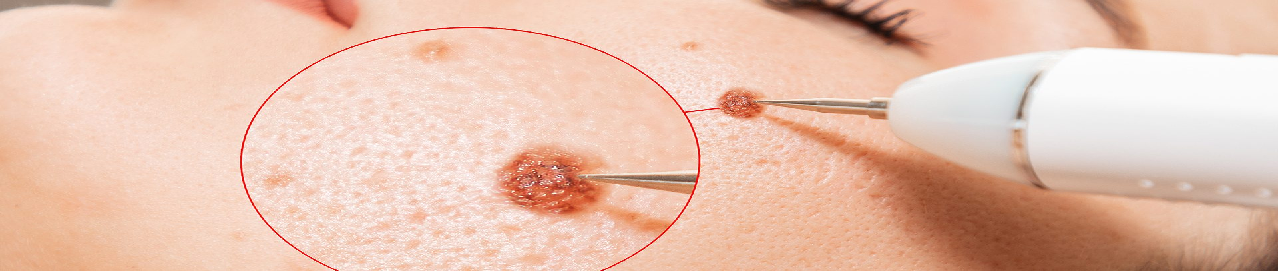
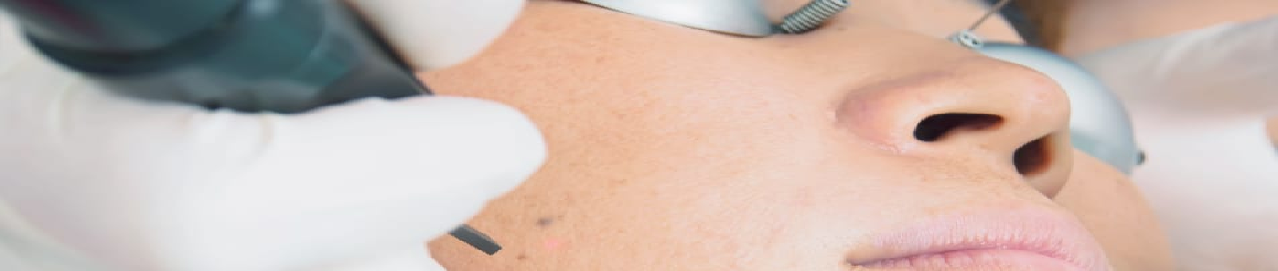

Laser acne removal is an advanced light-based treatment that targets both active acne breakouts and the scars they leave behind. Using focused light energy, this therapy reduces oil production, eliminates acne-causing bacteria, and stimulates collagen production to improve skin texture. Studies show that lasers and light therapies can significantly reduce acne when used as part of a comprehensive treatment plan, though they are rarely effective as standalone treatments.
Overview & How Laser Acne Removal Works
Laser acne removal employs various light-based technologies to address acne at its source. The treatment works through several mechanisms:
How Lasers Treat Acne
- Targets sebaceous glands: The laser heats and shrinks oil-producing glands, reducing excess sebum that contributes to acne formation
- Kills bacteria: Light energy destroys C. acnes bacteria (formerly P. acnes) that cause inflammation and breakouts
- Reduces inflammation: Thermal energy calms active acne lesions and prevents future breakouts
- Stimulates collagen: For acne scars, lasers penetrate deep into the dermis to trigger new collagen production, filling in pitted scars and smoothing texture
According to the Mayo Clinic, laser resurfacing works by damaging collagen beneath the skin’s surface, which stimulates the growth of new, healthier collagen fibers. This process helps make scars less noticeable without damaging the outer skin layer.
Types of Lasers Used
Different laser technologies are used depending on your skin type and concerns:
- Ablative lasers (CO2, Erbium): Remove outer skin layers; more effective for deep scars but require longer recovery
- Non-ablative lasers (Nd:YAG): Heat dermis without removing skin; safer for darker skin tones, minimal downtime
- Fractional lasers: Create microscopic treatment zones; balance effectiveness with recovery time
- Intense Pulsed Light (IPL): Broad-spectrum light; primarily for pigmentation and mild acne
- Photodynamic therapy (PDT): Combines light-activated medication with laser energy
The American Academy of Dermatology (AAD) notes that different lasers work better for different concerns—some target active acne while others focus on scarring.
Ideal Candidates for Laser Acne Treatment
Who Benefits Most
You may be a good candidate for laser acne removal if you:
- Have persistent acne that hasn’t responded to topical treatments, oral medications, or antibiotics
- Experience acne scarring including atrophic (pitted), hypertrophic (raised), or pigmented marks
- Have large pores and oily skin that contribute to frequent breakouts
- Struggle with uneven skin texture and discoloration from past acne
- Are looking for long-term results rather than temporary fixes
Skin Type Considerations
Modern laser technology can safely treat all skin types (Fitzpatrick scale I-VI), though the appropriate device must be selected:
- Lighter skin (Types I-III): Can benefit from stronger ablative lasers like CO2 for dramatic scar improvement
- Medium skin (Types III-IV): Require careful energy calibration; fractional lasers are often recommended
- Darker skin (Types V-VI): Safer with non-ablative options like Nd:YAG lasers to avoid pigmentation changes
The FDA emphasizes that using FDA-cleared devices appropriate for your skin type is essential for safety.
When to Consider Alternatives
Lasers may not be the first choice if you:
- Have active cystic acne or severe inflammation (may require oral isotretinoin first)
- Are pregnant or breastfeeding (hormonal acne often resolves postpartum)
- Have certain medical conditions like autoimmune disorders or connective tissue diseases
- Are taking photosensitizing medications that increase light sensitivity
For comprehensive acne treatment options, consult a board-certified dermatologist who can evaluate whether laser therapy is appropriate for your specific condition.
The Laser Acne Removal Treatment Process
Phase 1: Consultation and Assessment
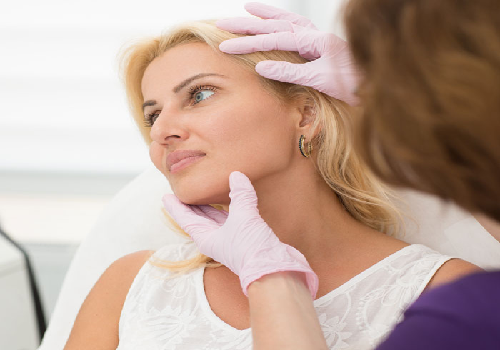
Before treatment, you’ll meet with a dermatologist or licensed skincare professional to:
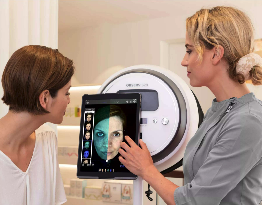
- Evaluate your acne severity and scar type (rolling, boxcar, ice pick, etc.)
- Determine your skin type and Fitzpatrick scale classification
- Review your medical history, current medications, and previous acne treatments
- Discuss treatment goals and realistic expectations
- Create a personalized treatment plan including number of sessions and laser type
This comprehensive assessment ensures the chosen laser technology matches your specific needs and minimizes risks.
Phase 2: Treatment Session
What happens during laser acne removal:
- Preparation: Skin is cleansed and a topical numbing cream may be applied 30-60 minutes beforehand
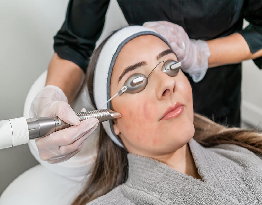
- Eye protection: You’ll wear protective goggles to shield your eyes from the laser light
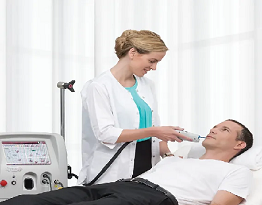
- Laser application: The handheld device is passed over treatment areas, delivering controlled pulses of light energy
- Sensation: Most patients describe the feeling as warm rubber band snaps or mild heating; discomfort is generally tolerable
- Cooling: A cooling device or gel may be used to soothe the skin during treatment
Session length varies from 15-60 minutes depending on treatment area size (face, chest, back, or combination areas).
Phase 3: Post-Treatment Care
Immediately after treatment, common side effects include:
- Redness and swelling (similar to mild sunburn)
- Warm or tight sensation in treated areas
- Mild peeling or flaking (3-7 days post-treatment for ablative lasers)
- Temporary darkening of pigmented spots before they fade
Your provider will give you specific aftercare instructions, which typically include:
- Gentle cleansing with non-irritating, fragrance-free products
- Moisturizing frequently to support healing
- Strict sun avoidance and broad-spectrum SPF 30+ sunscreen
- Avoiding harsh products (retinoids, AHAs, scrubs) for 1-2 weeks
- No picking or scratching at treated skin
Most patients can return to normal activities within 2-5 days, depending on laser type. Non-ablative treatments typically have minimal downtime, while ablative procedures may require 7-14 days for full recovery.
Results & Long-Term Maintenance
Expected Timeline
Laser acne removal produces gradual improvements over multiple sessions:
- After 2-4 weeks: Initial reduction in active acne and inflammation
- After 4-6 weeks: Noticeable improvement in skin texture and pore size
- After 3-6 months: Significant scar remodeling and continued collagen production
Most treatment plans require 3-6 sessions spaced 4-6 weeks apart for optimal results. The AAD reports that multiple treatments are typically needed, and it can take months to see full results.
Typical Outcomes
With proper treatment and aftercare, patients experience:
- Reduced acne breakouts (50-75% improvement in many cases)
- Smoother skin texture and diminished scar appearance
- Smaller, less visible pores and refined complexion
- More even skin tone with decreased pigmentation
- Improved confidence in skin appearance
However, it’s important to maintain realistic expectations. Laser therapy rarely eliminates acne completely—most experts recommend combining lasers with conventional acne treatments like topical retinoids, oral antibiotics, or hormonal therapy for comprehensive management.
Maintenance and Longevity
Results can last 6-12 months or longer, but maintenance may be needed because:
- Hormonal fluctuations (puberty, menstrual cycles, pregnancy, stress) can trigger new breakouts
- Natural aging affects collagen production over time
- Sun exposure can reverse improvements and cause new damage
- Underlying causes (genetics, hormones, diet) persist
To maintain results:
- Continue a consistent skincare routine with medical-grade products
- Use sunscreen daily to protect treated skin
- Consider maintenance sessions every 6-12 months
- Address lifestyle factors (diet, stress, sleep) that affect acne
- Follow up with your dermatologist for ongoing assessment
Risks & Side Effects
While laser acne removal is generally safe when performed by trained professionals, it carries real risks that should be carefully weighed against benefits.
Common Temporary Side Effects
These typically resolve within days to weeks:
- Redness, swelling, and warmth at treatment sites (most common)
- Mild discomfort or stinging during and after treatment
- Dryness and peeling (especially with ablative lasers)
- Temporary acne flare as impurities are purged from pores
- Sensitivity to skincare products for several days post-treatment
More Serious Risks
The FDA warns that improper device use can lead to:
- Burns and blisters from excessive heat or incorrect settings
- Permanent scarring (rare but serious)
- Pigmentation changes:
- Hyperpigmentation: Darkening of treated areas (more common in darker skin)
- Hypopigmentation: Lightening or loss of skin color
- Infection if post-treatment care instructions aren’t followed
- Eye damage if proper protective eyewear isn’t used (extremely rare in professional settings)
Minimizing Your Risk
To ensure safe treatment:
- Choose qualified providers: Board-certified dermatologists or plastic surgeons with specific laser training
- Verify FDA-cleared devices: Ask about the specific laser technology and its FDA clearance status
- Disclose complete medical history: Including medications, conditions, and previous treatments
- Follow pre/post-care instructions: Avoid sun exposure, certain products, and activities as directed
- Report adverse reactions: Contact your provider immediately if you experience unusual pain, blistering, or signs of infection
The AAD emphasizes that provider experience and proper device selection are the most important factors in achieving safe, effective results.
Cost of Laser Acne Removal
Price Range
According to GoodRx Health, laser acne treatment typically costs:
- $200-$1,500 per session for non-ablative lasers
- $1,000-$3,000 per session for ablative fractional lasers
- $600-$2,000 per session for combination treatments
A full treatment course (3-6 sessions) can range from $600-$9,000 depending on laser type, treatment area, and geographic location.
Factors Affecting Cost
Several variables influence the final price:
- Laser technology: Ablative lasers are more expensive than non-ablative options
- Treatment area: Face-only costs less than face, chest, and back combined
- Number of sessions: More severe acne/scarring requires additional treatments
- Provider expertise: Board-certified dermatologists typically charge more than spas or clinics
- Geographic location: Major metropolitan areas generally have higher prices
- Package pricing: Many providers offer discounts for purchasing multiple sessions upfront
Insurance Coverage
The AAD notes that insurance typically does not cover laser acne treatments because they’re considered cosmetic procedures. However, coverage may be possible if:
- Treatment is deemed medically necessary for severe acne scarring
- Your plan includes specific dermatology benefits
- You have documentation of failed conventional treatments
Contact your insurance provider to understand your specific coverage and potential out-of-pocket costs.
For patients seeking more affordable options, medical tourism destinations like India, Thailand, and Mexico offer significant cost savings—often 40-60% less than U.S. prices—while maintaining high standards of care at JCI-accredited facilities.
Frequently Asked Questions
Is laser acne removal painful?
Most patients describe the sensation as mild to moderate discomfort, similar to rubber band snaps snapped against the skin. Topical numbing cream is typically applied before treatment to minimize pain. Non-ablative lasers are generally less painful than ablative options. After treatment, skin may feel warm or tight for a few hours, which is typically managed with cool compresses and gentle moisturizer.
How many laser sessions do I need?
Most patients require 3-6 treatments spaced 4-6 weeks apart for optimal results. Severe acne scarring may need 6-8 sessions or more. Your dermatologist will create a personalized treatment plan based on your specific condition, response to initial treatments, and goals. Maintenance sessions every 6-12 months may help sustain results.
Can laser acne removal completely cure my acne?
No single treatment eliminates acne completely. The AAD states that lasers rarely clear acne on their own—they work best as adjunctive therapy combined with traditional treatments like topical retinoids, benzoyl peroxide, oral antibiotics, or hormonal medications. Expect 50-75% improvement rather than 100% clearance.
How long do results last?
Improvement typically lasts 6-12 months or longer, but individual results vary significantly. Factors like hormones, stress, diet, sun exposure, and genetics can trigger new breakouts. Most patients benefit from maintenance treatments and a consistent skincare routine to prolong results. Combining laser therapy with medical-grade skincare and lifestyle management yields the longest-lasting improvements.
Is laser treatment safe for dark skin?
Yes, modern lasers can be safe for all skin types when the appropriate technology is selected. Nd:YAG lasers (1064nm) are generally recommended for darker skin tones (Fitzpatrick types IV-VI) because they bypass melanin in the outer skin layer. However, incorrect device selection or settings can cause permanent hyperpigmentation or hypopigmentation. Always choose providers experienced in treating darker skin types and ask specifically about their experience with your skin type.
What’s the difference between laser and light therapies for acne?
Lasers use a single wavelength of light to target specific structures (sebaceous glands, bacteria, or scar tissue). Light therapies like IPL (Intense Pulsed Light) and blue light use multiple wavelengths for broader treatment. Lasers are generally more powerful and precise, making them better for scar remodeling, while light therapies are milder and often used for active acne and pigmentation. Your dermatologist will recommend the best option based on whether your primary concern is active breakouts, scarring, or both.
Can I have laser treatment if I’m taking acne medications?
It depends on the specific medication. Topical treatments (retinoids, benzoyl peroxide, salicylic acid) usually need to be stopped 3-5 days before laser treatment to reduce irritation risk. Oral antibiotics typically don’t interfere with lasers. Oral isotretinoin (Accutane) must be discontinued for 6-12 months before ablative laser procedures due to increased scarring risk. Always provide your complete medication list during consultation.
Important Disclaimer
This content is for informational purposes only and does not constitute medical advice, diagnosis, or treatment. Laser acne removal is a medical procedure that carries risks and should only be performed by qualified, licensed healthcare professionals. Individual results vary significantly based on skin type, acne severity, laser technology, and adherence to aftercare protocols.
Always consult with a board-certified dermatologist or licensed medical provider to determine whether laser acne treatment is appropriate for your specific condition. Discuss all potential risks, benefits, costs, and alternatives before proceeding with any treatment. The information provided here is not a substitute for professional medical evaluation and care.
Providers and treatment facilities mentioned on this website are not endorsed or verified by this platform. Patients should thoroughly research qualifications, credentials, and facility accreditation before undergoing any procedure. Emergency care should be sought immediately for any adverse reactions or complications following treatment.