
Cheek Implants Guide | Malar Augmentation Procedure, Recovery & Costs
Cheek implants (malar augmentation) enhance facial contours with permanent results. Learn about the procedure, recovery timeline, risks, costs, and candidacy requirements from authoritative medical sources.
Cheek implants, medically known as malar augmentation, are a permanent surgical solution designed to enhance facial contours by adding volume and projection to the cheekbones. This procedure addresses flat cheekbones, age-related volume loss, or facial asymmetry, creating a more balanced and youthful appearance. According to the American Society of Plastic Surgeons (ASPS), cheek augmentation aims to add volume or lift to the cheeks through surgical options including fat grafting or cheek implants[^1].
Overview of Cheek Implants
Cheek implants are small, biocompatible devices surgically positioned over the malar (cheekbone) area to restore or improve facial volume[^2]. Unlike temporary dermal fillers that last 1-2 years, surgical implants provide permanent enhancement. The procedure has grown significantly in popularity—ASPS reports that cheek implants saw an 80% increase among men since 2019, making it one of the fastest-growing facial cosmetic procedures[^3].
The implants are typically made from FDA-approved materials including medical-grade silicone and porous polyethylene (Medpor®), both of which have been used safely in facial surgery for many years[^4]. These materials are biocompatible, meaning they integrate well with facial tissues and rarely cause adverse reactions.
Patients choose cheek implants for various reasons: to correct congenital flat cheekbones, restore volume lost through aging, improve facial symmetry, or achieve a more sculpted appearance. The results are permanent, making implants a cost-effective long-term solution compared to repeated filler treatments.
Alternative Options
Before proceeding with surgical implants, patients should consider all available cheek augmentation options, comparing temporary dermal fillers versus permanent surgical solutions:
- Dermal fillers (JUVÉDERM VOLUMA, Restylance): Temporary, lasting 12-24 months, costing $500-$1,500 per session[^4]
- Fat grafting: Longer-lasting than fillers, more significant results, but variable absorption rates, costing $5,000-$7,000 per session[^5]
- Cheek implants: Permanent solution, surgical procedure, costing $7,000-$11,000 in the United States[^5]
Each option has distinct advantages regarding longevity, cost, and recovery. A board-certified plastic surgeon can recommend the most appropriate approach based on your anatomy, goals, and medical history.
Candidacy: Who Are Good Candidates?
Ideal candidates for cheek implants are individuals in good overall health who have realistic expectations about surgical outcomes. According to the American Board of Cosmetic Surgery, suitable candidates include[^6]:
- Healthy non-smokers: Smoking impairs healing and increases complication risk
- Stable weight: Significant weight fluctuations can affect implant positioning and facial aesthetics
- Flat or hollow cheeks: Individuals with naturally low cheekbone projection or age-related volume loss
- Good facial skin elasticity: Helps ensure proper healing and natural-looking results
- Realistic expectations: Understanding that implants enhance, not transform, facial appearance
Patients should be free from active medical conditions that could impair healing, such as uncontrolled diabetes, autoimmune disorders, or chronic infections. Those seeking subtle, temporary improvement may prefer dermal fillers, while individuals wanting permanent enhancement benefit most from implants.
Contraindications that may exclude candidacy include:
- Active skin infections in the treatment area
- Bleeding disorders or blood-thinning medications that cannot be safely discontinued
- Severe medical conditions making anesthesia high-risk
- Unrealistic expectations about surgical outcomes
A thorough consultation with a qualified plastic surgeon is essential to determine candidacy based on individual anatomy, medical history, and aesthetic goals.
The Cheek Implant Procedure: Steps & Anesthesia
Pre-Operative Consultation
The process begins with a comprehensive consultation where the surgeon evaluates facial structure, bone architecture, and skin quality. This assessment includes:
- Physical examination of cheek prominence and facial symmetry
- Discussion of aesthetic goals and expected outcomes
- Review of medical history, medications, and allergies
- Photographic documentation for surgical planning
- Selection of implant type (silicone vs. porous polyethylene) and size
The surgeon may use computer imaging or trial sizers to help visualize potential results. Patients should disclose all medical conditions, medications (including blood thinners), and previous facial procedures to ensure safety.
Anesthesia Options
Cheek implant surgery is typically performed under[^7]:
- General anesthesia: Patient completely asleep; most common for implant surgery
- Local anesthesia with sedation: Patient relaxed but conscious; may be used for less complex cases
The anesthesia choice depends on procedure complexity, patient preference, and surgeon recommendation. Anesthesia is administered by a board-certified anesthesiologist to ensure safety throughout the procedure.
Surgical Steps
The actual procedure typically takes 1-2 hours and follows these steps[^1][^7]:
-
Incision placement: The surgeon creates small incisions in one of three locations:
- Inside the mouth (intraoral approach): Incision made 0.5 to 1.0 cm above the gingival margin, most common technique[^8]
- Under the lower eyelid (transconjunctival approach): Hidden within the natural eyelid crease
- External incision: Rare, placed in natural skin folds when other approaches aren’t feasible
-
Pocket creation: The surgeon carefully creates a precise tissue pocket over the cheekbone (malar area) to house the implant. This pocket must be sized correctly—too tight causes implant displacement, too loose leads to migration[^2].
-
Implant insertion: The selected implant is positioned in the pocket and secured. Some implants are sutured in place for stability, while others rely on precise pocket fit.
-
Closure: Incisions are closed with dissolvable sutures. Intraoral incisions heal without visible scarring; eyelid incisions fade into natural creases.
-
Dressing application: A light compression dressing may be applied to minimize swelling and support implant position during initial healing.
Throughout the procedure, the surgeon maintains meticulous technique to minimize bleeding, tissue trauma, and nerve injury. Most patients return home the same day with detailed post-operative instructions.

Consultation is critical for surgical planning
Recovery Timeline: What to Expect
Recovery from cheek implant surgery follows a predictable timeline, though individual healing varies. According to Cleveland Clinic, most patients return to work and normal activities within one week[^7].
Immediate Post-Operative Period (Days 1-3)
- Swelling and bruising: Peak swelling occurs within 48-72 hours, potentially extending to the eyes and lower face
- Discomfort: Mild to moderate pain managed with prescription medication
- Diet: Soft foods required if intraoral incisions used; avoid hot foods and straws that can disturb healing
- Activity: Rest with head elevated (30-45 degrees) to minimize swelling; avoid lying flat
First Week (Days 4-7)
- Swelling reduction: Noticeable improvement by day 5-7, though mild puffiness persists
- Incision care: Keep intraoral incisions clean with gentle rinsing; avoid pulling on lips
- Activity gradual increase: Light activities permitted; no strenuous exercise, bending, or heavy lifting
- Return to work: Many patients with sedentary jobs return to work within 7-10 days[^7]
Weeks 2-4
- Swelling resolution: Most visible swelling subsided; subtle contour refinement continues
- Activity progression: Non-contact exercise resumed; avoid contact sports and facial trauma
- Sensory changes: Temporary numbness common; sensation gradually returns over weeks
- Final results emergence: Early results visible; continued refinement over 3-6 months as swelling fully resolves
Long-Term Healing (3-6 Months)
- Complete settling: Implants fully integrated with tissues; final aesthetic result achieved
- Scar maturation: Incisions fade to nearly invisible; intraoral scars hidden inside mouth
- Sensory normalization: Most sensation returns, though some areas may have slight permanent numbness
- Maintenance: No special maintenance required; implants remain in place permanently
Recovery Tips for Optimal Healing

Keep head elevated during sleep and rest for the first week to minimize fluid accumulation and swelling[^7].

Apply cold compresses gently to the cheeks for 10-15 minutes at a time during the first 48 hours to reduce swelling and discomfort. Avoid direct ice contact with skin.

Avoid strenuous activities, vigorous exercise, and contact sports for 4-6 weeks to prevent implant displacement or injury. Light walking is encouraged to promote circulation.

Stay hydrated and consume soft foods if intraoral incisions were used. Avoid hot liquids, spicy foods, and drinking through straws, which can stress incisions.
Follow all post-operative instructions precisely and attend all follow-up appointments to ensure proper healing and optimal results.
Risks & Complications
As with any surgical procedure, cheek implants carry potential risks. While complications are relatively rare when performed by qualified surgeons, patients should understand all possibilities before proceeding. According to medical studies, the most common complications include[^9]:
Common Risks
- Infection (most common, occurring in 46% of reported complications): Usually treated with antibiotics; may require implant removal if severe. Proper sterile technique and post-operative care minimize this risk.
- Implant migration/displacement (23% of complications): Implants may shift from original position, requiring corrective surgery. Precise pocket creation and secure implant placement reduce this risk.
- Swelling (18% of complications): Expected post-operatively but prolonged swelling may indicate healing problems. Most resolves within weeks.
- Implant extrusion (10% of complications): Implant may protrude through skin or mucosa, requiring removal or revision. More common with improper sizing or placement.
Less Common but Serious Risks
- Nerve damage: Temporary or permanent numbness in cheek, upper lip, or teeth. Most temporary numbness resolves within weeks to months; permanent sensation changes are rare but possible[^7].
- Hematoma: Collection of blood under the skin requiring drainage. Minimized by controlling blood pressure and avoiding blood-thinning medications.
- Poor scarring: While most incisions heal inconspicuously, some patients develop raised, pigmented, or widened scars. More common with external incisions.
- Asymmetry: Minor facial asymmetry is normal; significant unevenness may require revision surgery.
- Anesthesia complications: Including pneumonia, blood clots, and rarely, death. Risk minimized by using board-certified anesthesiologists and proper pre-operative screening[^10].
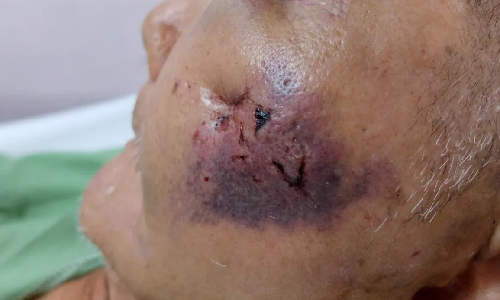
Infection is the most common complication but can usually be managed with antibiotics if caught early.
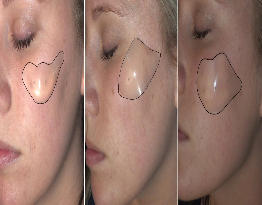
Implant migration may require corrective surgery if displacement is significant.
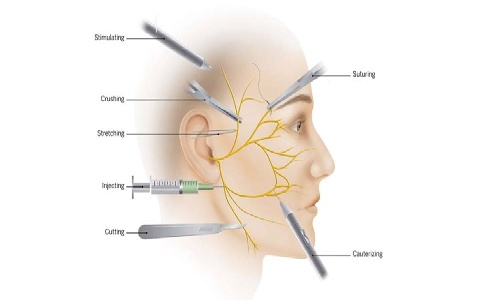
Nerve damage typically resolves spontaneously but may result in permanent sensation changes in rare cases.
Choosing a board-certified plastic surgeon with extensive facial implant experience significantly reduces complication risk. During consultation, discuss all risks thoroughly and ensure you understand warning signs requiring prompt medical attention.
Cost of Cheek Implants
The cost of cheek implant surgery varies significantly based on geographic location, surgeon expertise, implant type, and facility fees. According to current market data[^5]:
United States Costs
- Surgeon’s fee: $3,000-$5,000
- Anesthesia fees: $500-$1,500
- Facility fees: $1,000-$2,500
- Implant cost: $500-$1,000
- Total range: $7,000-$11,000 for most cases
Custom implants (designed specifically for your anatomy) cost more than standard pre-sized implants, potentially increasing the total to $12,000-$15,000.
International Medical Tourism Costs
Patients seeking more affordable options often travel to countries with lower healthcare costs:
- Mexico: $2,500-$2,900 (significant savings, but careful surgeon vetting is essential)[^5]
- Thailand, India, Costa Rica: Similar pricing ranges, varying by facility and surgeon credentials
Medical tourism carries additional considerations including travel costs, accommodation, and accessibility for follow-up care. Thorough research and surgeon qualification verification are critical when considering international options.
Cost Comparison to Alternatives
While implants require higher upfront investment than temporary options, they offer superior long-term value:
- Dermal fillers: $500-$1,500 per session, repeated every 12-24 years = $2,500-$7,500 over 5 years[^4]
- Fat grafting: $5,000-$7,000 per session, may require multiple sessions = $10,000-$15,000+ over time[^5]
- Cheek implants: $7,000-$11,000 one-time cost = most economical permanent solution
Insurance typically does not cover cosmetic cheek augmentation. However, if implants are needed for reconstructive purposes (trauma, congenital defects), partial coverage may be available.
Expected Results & Long-Term Outcomes
Cheek implants provide permanent enhancement of cheekbone projection, creating improved facial contours that last a lifetime. The results become fully visible once swelling resolves, typically 3-6 months post-surgery.
Aesthetic Improvements
Patients can expect[^1][^7]:
- Enhanced cheekbone definition: More prominent, sculpted malar eminences
- Improved facial balance: Better proportion between upper, mid, and lower face
- Restored volume: Correction of age-related hollowing or congenital flatness
- Youthful appearance: Rejuvenated mid-face with reduced sagging appearance
- Increased symmetry: Correction of noticeable facial asymmetry
Results are permanent—the implants do not degrade or absorb over time. However, natural facial aging continues, with skin laxity and volume loss potentially altering the aesthetic outcome 15-20 years post-surgery. Some patients choose complementary procedures (facelift, additional fat grafting) later to maintain optimal results.
Realistic Expectations
Implants enhance, not transform, facial appearance. Suitable patients have realistic expectations:
- Subtle enhancement: Noticeable improvement without looking “overdone” or artificial
- Improved contours: Better definition without dramatically changing facial character
- Permanent solution: Long-lasting results but not immune to natural aging processes
Patients seeking dramatic transformation may require combined procedures or may have unrealistic expectations. A thorough consultation should clarify achievable outcomes.
Long-Term Considerations
Implants are designed to remain permanently, but removal or revision is possible if needed:
- Implant removal: Can be performed if dissatisfaction occurs, though revision carries higher complication risk
- Size adjustment: Larger or smaller implants can replace existing implants
- Replacement: Rarely needed unless complications occur
- Aging effects: Natural facial changes continue; some patients pursue additional procedures over time
Most patients are satisfied with their long-term results and appreciate the permanent enhancement without need for ongoing maintenance.
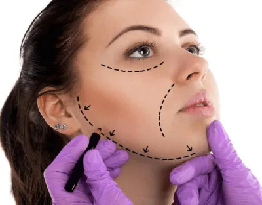
Cheek implants create permanent facial enhancement
Frequently Asked Questions (FAQ)
Are cheek implants permanent?
Yes, surgical cheek implants are permanent. Unlike dermal fillers that last 12-24 months, implants do not degrade or absorb over time[^1]. They remain in place indefinitely unless surgically removed or replaced. This permanence makes implants more cost-effective than repeated filler treatments for patients seeking long-term enhancement.
What is the difference between cheek implants and fillers?
Cheek implants are solid surgical devices made of silicone or porous polyethylene, providing permanent volume enhancement through a surgical procedure[^4][^5]. Dermal fillers are injectable gel substances (hyaluronic acid, calcium hydroxylapatite) that temporarily add volume, lasting 12-24 months before requiring retreatment. Implants require surgery and recovery but offer permanent results; fillers are non-surgical with immediate results but temporary duration.
How long does recovery take after cheek implant surgery?
Most patients return to work and normal activities within 1 week, though strenuous exercise should be avoided for 4-6 weeks[^7]. Swelling improves significantly by day 7-10, with subtle refinement continuing for 3-6 months as final results emerge. Pain is usually mild to moderate and well-controlled with prescription medication for the first few days.
Will cheek implants look unnatural?
When performed by an experienced surgeon, properly sized and positioned implants create subtle, natural-looking enhancement. The goal is improved facial contours without appearing “overdone” or artificial[^1]. Computer imaging during consultation helps set realistic expectations. Choosing an experienced facial plastic surgeon and communicating aesthetic goals clearly reduces the risk of unsatisfactory outcomes.
What are the risks of cheek implant surgery?
Common risks include infection (46% of complications), implant migration (23%), swelling (18%), and implant extrusion (10%)[^9]. Less common but serious risks include nerve damage, hematoma, poor scarring, asymmetry, and anesthesia complications. Selecting a board-certified plastic surgeon with facial implant experience significantly reduces these risks.
How much do cheek implants cost?
In the United States, cheek implants cost $7,000-$11,000 including surgeon fees, anesthesia, facility fees, and implant costs[^5]. Custom implants cost more. International options range from $2,500-$3,000 in countries like Mexico. Insurance typically does not cover cosmetic cheek augmentation, though reconstructive cases may qualify for partial coverage.
Can cheek implants be removed?
Yes, implants can be surgically removed if complications occur or dissatisfaction arises, though revision surgery carries higher complication risk than initial placement[^9]. Most patients keep their implants long-term due to satisfaction with results. Removal or replacement is performed through the same incisions used for placement.
Important Disclaimer
This content is for informational purposes only and does not constitute medical advice, diagnosis, or treatment. Cheek implant surgery is a medical procedure that carries risks and should only be performed by a qualified, licensed healthcare professional. Individual results vary based on anatomy, surgeon skill, and healing capacity. Always consult with a board-certified plastic surgeon to discuss your specific medical condition, treatment options, and expected outcomes. Do not rely solely on this information for medical decision-making.
The authors and publishers of this content are not responsible for any actions taken based on this information. Always seek direct advice from qualified medical professionals regarding any cosmetic procedure or medical treatment.