
Skin Treatments Guide - Chemical Peels, Laser & Microdermabrasion
Comprehensive guide to skin treatments including chemical peels, laser resurfacing, and microdermabrasion. Learn costs, risks, recovery, and find qualified providers.

Overview & How Skin Treatments Work
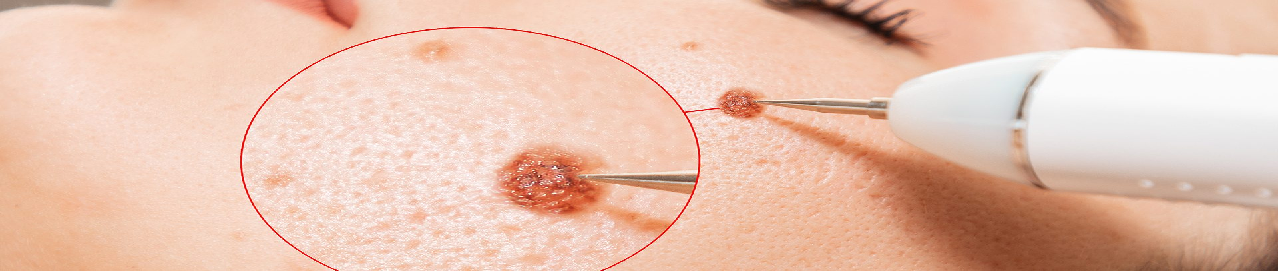
Skin treatments are non-surgical and minimally invasive procedures designed to improve skin health, texture, and appearance by removing damaged outer layers, stimulating collagen production, or targeting specific concerns like acne, pigmentation, and signs of aging. These treatments address conditions including wrinkles, acne scars, uneven skin tone, sun damage, and dullness through advanced technologies and scientifically formulated solutions.
According to the American Society of Plastic Surgeons (ASPS), skin resurfacing treatments (including chemical peels, laser resurfacing, and dermabrasion) were among the top five minimally invasive cosmetic procedures in 2024, with approximately 3.7 million procedures performed — reflecting a 6% increase from the previous year ASPS 2024 Statistics Report. This growth underscores the increasing demand for effective, non-surgical skin rejuvenation options.
The most common skin treatment categories include:
-
Chemical Peels: Chemical solutions applied to remove outer skin layers, revealing smoother regenerated skin underneath Mayo Clinic. Available in light (superficial), medium, and deep formulations targeting different skin concerns and depths.
-
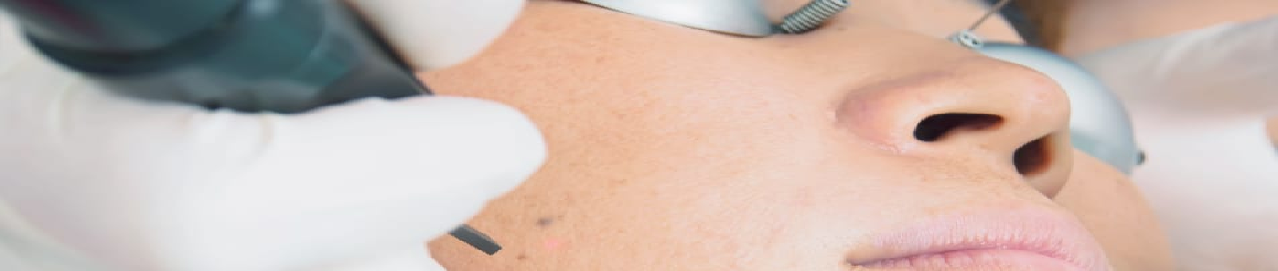
Laser Skin Resurfacing: Uses concentrated light beams to remove damaged skin and stimulate collagen production. Types include CO2 lasers, erbium lasers, and fractionated CO2 lasers, each with varying depths and recovery times Cleveland Clinic.
-
Microdermabrasion: Mechanical exfoliation using fine crystals or diamond-tip wands to gently remove dead skin cells, promoting new cell growth with minimal downtime.
-
Microneedling: Creates controlled micro-injuries in the skin using tiny needles, triggering the body’s natural collagen and elastin production response.
-
LED Light Therapy: Uses specific wavelengths of light (typically red, blue, or near-infrared) to target acne-causing bacteria, reduce inflammation, and stimulate cellular repair.
Skin treatments work through three primary mechanisms: exfoliation (removing dead/damaged cells), stimulation (triggering collagen and elastin production), and targeted therapy (addressing specific concerns like pigmentation or acne). The treatment choice depends on your skin type, concerns, budget, and recovery timeline.
Ideal Candidates for Skin Treatments
Good candidates for skin treatments are individuals in overall good health seeking to improve specific skin concerns without undergoing surgery. According to Mayo Clinic guidelines, ideal candidates typically Mayo Clinic:
- Have realistic expectations about results and understand that multiple treatments may be needed
- Do not have active skin infections, open wounds, or inflammatory conditions in treatment areas
- Are not pregnant or breastfeeding (especially for deep chemical peels)
- Have not used isotretinoin (Accutane) within the past six months
- Do not have a history of keloid scarring or abnormal wound healing
- Are committed to following pre- and post-treatment care protocols, including strict sun protection
Specific considerations by skin type:
- Fair to light skin tones: Generally respond well to all treatment types with lower risk of pigmentation changes
- Medium to olive skin tones: May benefit from erbium laser resurfacing rather than CO2 lasers to reduce hyperpigmentation risk Cleveland Clinic
- Darker skin tones: Require careful provider selection and may be better candidates for lighter chemical peels, specific laser types, or non-ablative treatments to minimize pigmentation risks
Certain medical conditions may require clearance from your primary care physician or dermatologist before proceeding, including autoimmune disorders, diabetes, history of herpes outbreaks, or bleeding disorders. Always disclose your complete medical history and all medications/supplements during consultation.
The Skin Treatment Process
Consultation and Assessment
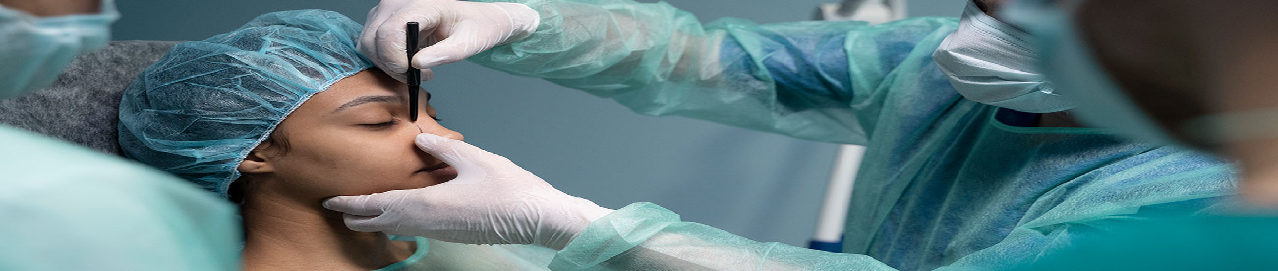
Your journey begins with a comprehensive evaluation with a board-certified dermatologist or plastic surgeon. During this consultation, your provider will Mayo Clinic:
- Review your medical history, medications, and previous cosmetic procedures
- Assess your skin type, concerns, and treatment goals
- Determine the most appropriate treatment type and depth for your needs
- Discuss realistic expectations, potential risks, and required recovery time
- Provide pre-treatment instructions (typically 2-4 weeks before treatment)
Pre-Treatment Preparation (2-4 Weeks Before)
Preparation is critical for safety and optimal results. Common pre-treatment protocols include Cleveland Clinic:
- Stop tanning and use broad-spectrum sunscreen daily (SPF 30+) for at least four weeks before treatment
- Avoid deep facial peels, laser resurfacing, or dermabrasion for four weeks prior
- Discontinue photosensitizing medications (doxycycline, minocycline) 72 hours before treatment
- Apply topical retinoids (tretinoin/Retin-A) for about four weeks before to enhance healing
- Begin antiviral medication (valacyclovir/acyclovir) two days before and continue three days after if you have herpes history
- Avoid hair removal treatments (electrolysis, depilatories) one week before treatment
- Arrange transportation home if sedation will be used during medium/deep peels
During the Treatment
The procedure varies significantly by treatment type:
Light Chemical Peel (30-45 minutes) Mayo Clinic:
- Treatment area cleaned and protected
- Chemical solution (glycolic/salicylic acid) applied with brush/cotton ball
- Skin begins to whiten; mild stinging sensation occurs
- Neutralizing solution applied to remove chemical
- Protective ointment (petroleum jelly) may be applied
Medium/Deep Chemical Peel (60-90 minutes) Mayo Clinic:
- Sedation and pain medication administered
- Trichloroacetic acid (medium) or phenol (deep) applied
- Stronger stinging/burning sensation (up to 20 minutes)
- Cool compresses and handheld fans provided for comfort
- Vital signs monitored closely during deep peels (phenol can affect heart rhythm)
Laser Resurfacing (30 minutes to 2 hours) Cleveland Clinic:
- Local anesthesia with oral/IV sedation (general anesthesia for full-face treatments)
- Treatment area numbed and thoroughly cleaned
- Laser device delivers precise light energy to remove damaged skin layers
- Cooling systems protect surrounding tissue
- Nonstick dressing applied post-treatment for 24 hours
Post-Treatment Care and Recovery
Recovery timelines vary dramatically by treatment depth:
Light Chemical Peel / Microdermabrasion Mayo Clinic:
- Downtime: 1-7 days
- Immediate effects: Mild redness, dryness, irritation
- Aftercare: Cleanse 2-5 times daily with saline/diluted vinegar; apply moisturizing ointment (Vaseline/Aquaphor)
- Makeup: Can typically be worn the next day
- Sun protection: Strict daily SPF 30+ use mandatory
- Results: Visible improvement after one treatment; cumulative results with repeated sessions
Medium Chemical Peel / Fractional Laser Mayo Clinic Cleveland Clinic:
- Downtime: 7-14 days
- Immediate effects: Significant redness, swelling, stinging, crusting
- Aftercare: Soaking and ointment application multiple times daily; ice packs for discomfort; OTC pain relievers
- Follow-up: Several checkups to monitor healing
- Makeup: Can be used after 5-7 days to camouflage redness
- Sun protection: Strict daily SPF 30+ for several months
- Results: Noticeably smoother skin; redness may persist 2-3 months (up to 6-12 months in some cases)
Deep Chemical Peel / CO2 Laser Mayo Clinic Cleveland Clinic:
- Downtime: 14-21 days (full recovery up to 6 months)
- Immediate effects: Severe redness, swelling, burning, throbbing; eyelids may swell shut temporarily
- Aftercare: Surgical dressing; prescription painkillers; soaking and ointment regimen for 2+ weeks
- Follow-up: Multiple monitoring visits during healing
- Makeup: Can be used after ~2 weeks when new skin fully covers area
- Sun protection: Daily SPF 30+ indefinitely; treated skin may lose tanning ability
- Results: Dramatic improvement; long-lasting but not permanent due to aging and ongoing sun exposure
Results and Maintenance
Expected Outcomes
Results vary by treatment type, skin condition, and individual healing response:
- Light treatments produce subtle improvements in texture and tone, with results building over multiple sessions
- Medium treatments deliver noticeable smoothing of wrinkles and scars
- Deep treatments provide dramatic improvement for deep wrinkles, extensive sun damage, and precancerous growths
According to ASPS data, skin resurfacing treatments have high patient satisfaction rates due to their ability to “zap dull, damaged skin to reveal a fresh, radiant layer beneath” while improving tone, texture, and reducing signs of aging ASPS.
Results are not permanent — age, genetics, lifestyle factors, and ongoing sun exposure will continue to affect skin over time. Maintenance treatments every 6-12 months (for light peels/laser) or every few years (for deeper treatments) can help sustain results.
Long-Term Skin Care
Maximizing and maintaining results requires:
- Strict Daily Sun Protection: Broad-spectrum SPF 30+ sunscreen year-round, protective clothing, and avoiding peak sun hours (10 AM - 4 PM)
- Gentle Skincare Routine: Mild cleanser, moisturizer, and non-irritating products; avoid harsh scrubs, acids, or retinoids until fully healed
- Healthy Lifestyle: Adequate hydration, balanced diet rich in antioxidants, avoiding smoking (which accelerates skin aging)
- Follow-Up Treatments: Periodic maintenance treatments as recommended by your provider
- Monitoring Skin Changes: Regular dermatology checkups to monitor healing, pigmentation changes, or any concerning developments
Risks and Side Effects
All medical procedures carry risks. Common side effects and potential complications include Mayo Clinic Cleveland Clinic:
Common and Expected Side Effects
- Redness, swelling, and irritation: Normal part of healing; duration depends on treatment depth (days for light treatments, months for deeper treatments)
- Dryness and peeling: Expected as outer skin layers shed
- Sensitivity: Treated skin more sensitive to products and sun exposure
- Crusting and scabbing: Particularly with medium/deep treatments; do NOT pick or scratch
More Serious Risks (Rare but Possible)
- Scarring: Rare but can occur, particularly on lower face; more common with deep peels or improper technique
- Pigmentation changes: Hyperpigmentation (darker skin) or hypopigmentation (lighter skin); more common in darker skin tones; can sometimes be permanent
- Infection: Bacterial, fungal, or viral (including herpes flare-up); preventive antibiotics/antivirals often prescribed
- Heart, kidney, or liver damage: Specific risk with deep phenol peels due to carbolic acid absorption; heart monitoring required during procedure
- Eye damage: Risk if protective eyewear not used during laser treatments
- Adverse reactions to anesthesia: Sedation risks for deeper treatments
Contraindications
Certain conditions make skin treatments inadvisable Mayo Clinic:
- Recent isotretinoin (Accutane) use within past six months
- History of keloid or hypertrophic scarring
- Pregnancy or breastfeeding
- Active cold sores, herpes, or skin infections in treatment area
- autoimmune disorders affecting healing
- Uncontrolled diabetes
- Radiation therapy in treatment area
Minimizing risks requires choosing a board-certified dermatologist or plastic surgeon with extensive experience in your specific treatment type, following all pre- and post-treatment instructions precisely, and communicating any concerning symptoms promptly.
Cost of Skin Treatments
Treatment costs vary widely based on geographic location, provider expertise, treatment type, and number of sessions required. According to ASPS 2024 statistics, skin resurfacing remains popular because it offers “little downtime, few side effects and almost immediate results at an affordable price point” compared to surgical alternatives ASPS.
Typical price ranges (per treatment):
- Light Chemical Peel: $150 - $300 per session; typically requires multiple sessions (series of 3-6)
- Medium Chemical Peel: $1,000 - $3,000 per treatment; may require repeat procedures
- Deep Chemical Peel: $2,500 - $6,000 (full face); dramatic results in single treatment
- Laser Resurfacing (Fractional): $1,000 - $5,000 per treatment; results build over multiple sessions
- Laser Resurfacing (Full CO2): $2,500 - $7,000 per treatment; comprehensive results in 1-2 sessions
- Microdermabrasion: $75 - $200 per session; requires ongoing treatments (monthly)
- Microneedling: $200 - $700 per session; series of 3-6 treatments recommended
Cost factors include:
- Geographic location: Urban/metropolitan areas typically have higher prices
- Provider expertise: Board-certified dermatologists and plastic surgeons charge more than aestheticians
- Treatment area size: Full-face treatments cost more than spot treatments
- Number of sessions: Most light-medium treatments require multiple sessions for optimal results
- Facility fees: Outpatient surgical centers add fees for deeper treatments requiring sedation
Medical tourism considerations: Traveling to countries like India, Thailand, or Mexico for treatment may reduce costs by 40-70%, but requires careful planning (including accounting for travel, accommodation, and necessary follow-up care). Always verify provider credentials, facility accreditation, and ensure thorough post-treatment protocols can be followed from home.
Insurance rarely covers cosmetic skin treatments, but may partially cover treatments for precancerous growths or certain medical conditions. Discuss payment plans and financing options with your provider’s office.
Frequently Asked Questions
1. How many skin treatment sessions will I need?
The number of sessions depends on treatment depth and your goals. Light chemical peels and microdermabrasion typically require a series of 4-6 treatments spaced 2-4 weeks apart for cumulative results. Medium peels and fractional laser treatments often show improvement after 1-2 sessions. Deep chemical peels and full CO2 laser resurfacing usually achieve significant results in a single comprehensive treatment, though some patients opt for a second session after full healing (6-12 months) for additional refinement Mayo Clinic.
2. Are skin treatments painful?
Pain levels vary significantly by treatment depth. Light chemical peels and microdermabrasion cause mild stinging or tingling sensations. Medium treatments produce stronger stinging and burning sensations during application (typically 5-20 minutes). Deep chemical peels and CO2 laser resurfacing involve significant discomfort, requiring sedation and pain medication during the procedure, with post-procedure pain managed with prescription painkillers for several days Mayo Clinic. Your provider will ensure your comfort through appropriate anesthesia and pain management.
3. How long do skin treatment results last?
Results longevity varies by treatment type and individual factors (genetics, aging, sun exposure, lifestyle). Light treatments produce temporary improvements lasting 1-3 months. Medium treatments typically last 6-12 months. Deep treatments can provide results lasting several years but are not permanent — ongoing aging and sun damage will continue to affect skin Mayo Clinic. Maintenance treatments every 6-12 months (for light peels/laser) or every few years (for deeper treatments) help sustain results. Strict daily sun protection is essential for maintaining outcomes.
4. Can skin treatments be combined with other procedures?
Yes, skin treatments are often combined with other cosmetic procedures for comprehensive rejuvenation. Common combinations include: Mayo Clinic chemical peels or laser resurfacing combined with injectable treatments (Botox, dermal fillers), facelift surgery for combined surface tightening and deeper structural lifting, or eyelid surgery to address both skin quality and excess skin around eyes. However, combining treatments requires careful timing — most providers recommend waiting 3-6 months between major procedures to ensure proper healing. Never combine multiple resurfacing treatments (chemical peel + laser) simultaneously, as this dramatically increases complication risks.
5. What should I look for when choosing a skin treatment provider?
Provider selection is critical for safety and results. Choose a board-certified dermatologist or plastic surgeon with specific training and extensive experience in your desired treatment type Mayo Clinic. Verify credentials through medical boards (American Board of Dermatology, American Board of Plastic Surgery). Request before-and-after photos of patients with similar skin types and concerns. Ensure the facility is accredited for deeper treatments requiring sedation. Discuss the provider’s complication rate and how they handle adverse outcomes. Avoid bargain pricing from non-medical providers or aestheticians performing treatments beyond their training — complications from improperly performed treatments can be permanent and disfiguring.
6. When will I see results after my skin treatment?
Visible improvement timeline depends on treatment depth. Light treatments may show immediate glow and smoothness, with full results developing as redness fades over 1-2 weeks. Medium treatments show noticeable improvement as skin heals over 2-4 weeks, with continued refinement over several months as collagen production increases. Deep treatments require patience — initial healing takes 2-3 weeks, but full results aren’t apparent until redness completely resolves (3-6 months, sometimes up to a year) Mayo Clinic Cleveland Clinic. The treated skin will remain pink/red during this healing period, which can be camouflaged with makeup after the initial healing phase. Follow all post-treatment instructions to optimize healing and results.
Important Disclaimer
This content is for informational purposes only and does not constitute medical advice, diagnosis, or treatment. Always seek the advice of your physician or other qualified health provider with any questions you may have regarding a medical condition or cosmetic procedure. Never disregard professional medical advice or delay in seeking it because of something you have read on this website.
Skin treatments are medical procedures that carry risks and potential complications. Individual results vary based on factors including skin type, age, medical history, and adherence to pre- and post-treatment protocols. What works for one person may not be appropriate for another.
Before undergoing any cosmetic treatment, consult with a board-certified dermatologist or plastic surgeon who can evaluate your specific situation, discuss realistic expectations, and recommend appropriate treatment options. Verify all provider credentials, facility accreditations, and understand all risks, benefits, and costs before proceeding.
The information provided herein is current to the best of our knowledge as of July 2026 but medical practices, technologies, and guidelines evolve. We make no representation or warranty regarding the accuracy, reliability, completeness, or timeliness of the content.