
Mesotherapy Treatment Guide | Non-Surgical Skin & Hair Rejuvenation
Mesotherapy is a non-surgical cosmetic treatment using microinjections of vitamins, minerals, and plant extracts to rejuvenate skin, treat hair loss, and reduce cellulite. Learn about benefits, risks, costs, and what to expect from this minimally invasive procedure.
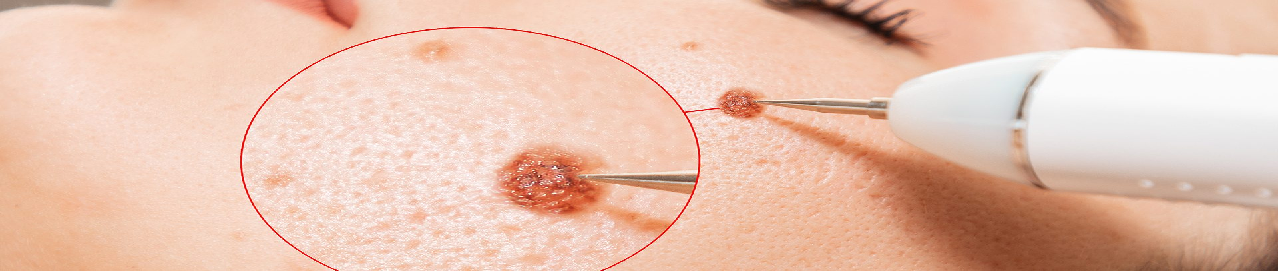
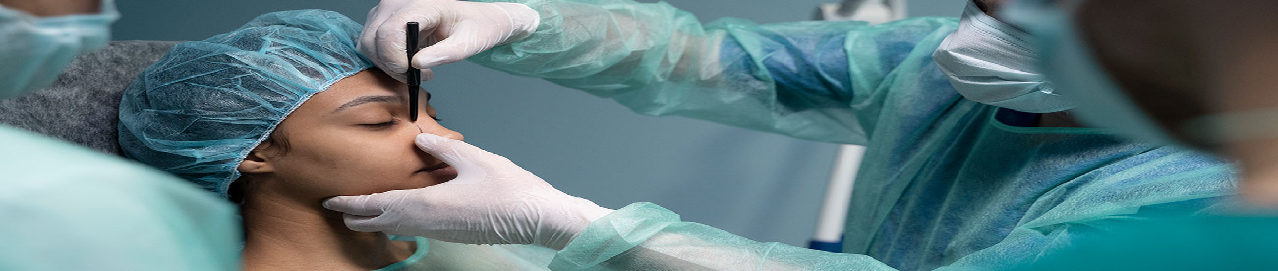
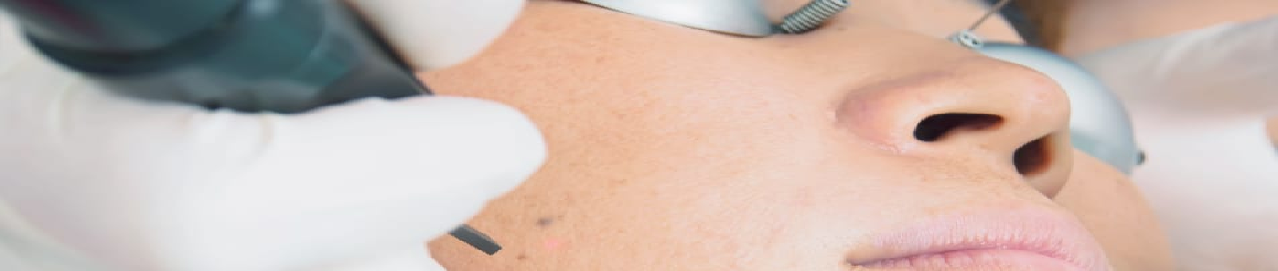

Mesotherapy is a minimally invasive cosmetic procedure that delivers customized blends of vitamins, enzymes, hormones, plant extracts, and sometimes medications directly into the mesoderm (middle layer) of the skin. Originally developed in France in the 1950s, this treatment has gained popularity for addressing diverse concerns including skin rejuvenation, hair loss, localized fat reduction, and cellulite improvement. The targeted delivery system aims to nourish and stimulate treated areas from within, offering a non-surgical alternative for patients seeking aesthetic improvements without extensive downtime.
Overview & How Mesotherapy Works

Mesotherapy works through microinjections that introduce active ingredients directly into the skin’s middle layer (mesoderm), bypassing the digestive system and topical barriers that can limit absorption. This targeted approach allows higher concentrations of nutrients to reach the specific areas requiring treatment.
The “cocktail” injected during mesotherapy is customized based on the treatment goal and may include:
- Vitamins and minerals (such as vitamin C, B-complex vitamins)
- Amino acids to support collagen production
- Plant extracts with antioxidant properties
- Enzymes to help break down fat
- Hormones such as biotin for hair health
- Medications like minoxidil or finasteride for hair loss
- Peptides to stimulate cellular regeneration
- Hyaluronic acid for hydration and volume
The treatment is commonly used for:
- Facial skin rejuvenation and anti-aging
- Hair loss treatment and scalp health
- Cellulite reduction
- Localized fat deposits (particularly on thighs, abdomen, and arms)
- Stretch mark improvement
- Scar revision
- Hyperpigmentation treatment
Candidates for Mesotherapy
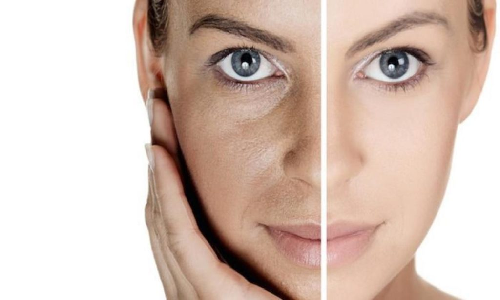
Ideal candidates for mesotherapy are individuals looking for non-surgical solutions to cosmetic concerns who are in generally good health. Suitable candidates typically:
For Skin Rejuvenation:
- Have mild to moderate skin aging concerns (fine lines, dullness, dehydration)
- Want to improve skin texture, tone, and elasticity without surgery
- Are seeking minimal downtime treatments
- Have realistic expectations about the gradual nature of results
For Hair Loss:
- Experiencing early to moderate hair thinning or hair loss
- Have sufficient hair follicles capable of regeneration
- Want to stimulate existing hair growth rather than replace lost hair
- Are not candidates for or prefer not to undergo surgical hair transplantation
For Body Contouring:
- Have localized fat deposits resistant to diet and exercise
- Are at or near their ideal body weight (not seeking significant weight loss)
- Want to improve cellulite appearance without invasive procedures
- Understand that mesotherapy works best as part of a comprehensive approach including healthy lifestyle habits
You may NOT be a suitable candidate if you:
- Are pregnant or breastfeeding
- Have active skin infections or inflammation in treatment areas
- Have certain chronic conditions (uncontrolled diabetes, autoimmune diseases)
- Are taking blood-thinning medications
- Have a history of poor wound healing or keloid scarring
- Have unrealistic expectations about treatment outcomes
The Treatment Process
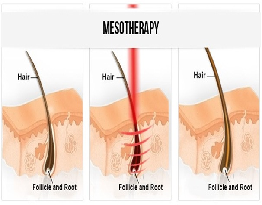
A typical mesotherapy treatment follows a structured process designed to maximize safety and effectiveness:
Initial Consultation
Your journey begins with a comprehensive consultation where a qualified provider evaluates:
- Your medical history and current health status
- Specific concerns and treatment goals
- Skin condition, hair loss pattern, or body composition
- Previous treatments and their outcomes
- Expectations and realistic treatment possibilities
This assessment helps determine whether mesotherapy is appropriate and allows the provider to design a customized treatment plan, including the specific ingredients to be used.
Procedure Steps
During the treatment session:
-
Preparation: The treatment area is cleansed thoroughly. A topical numbing cream may be applied 30-45 minutes beforehand to enhance comfort.
-
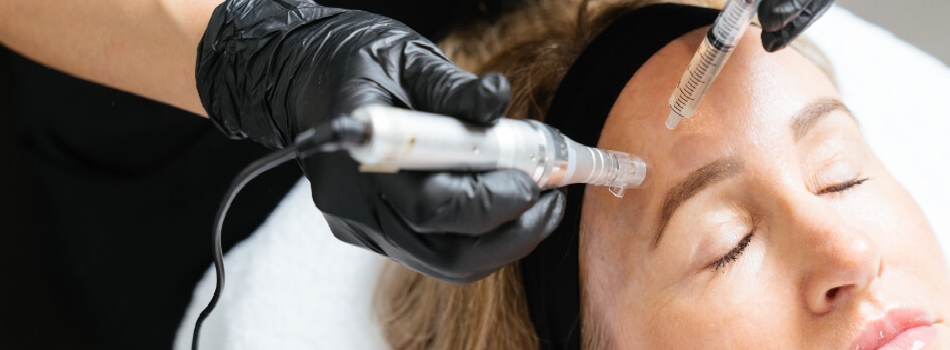
Injection Technique: Using very fine needles (typically 4-6mm), the provider administers a series of microinjections into the mesoderm layer. Two main techniques are used:
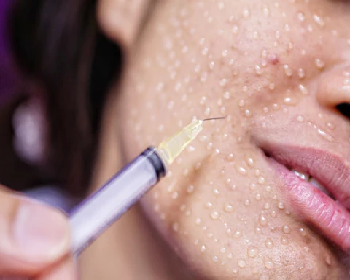
- Manual injection (Nappage technique): Creates a series of small papules (bumps) that indicate proper placement
- Mesotherapy gun: A mechanical device that delivers consistent, rapid injections
-
Treatment Duration: Sessions typically last 30-60 minutes, depending on the treatment area size.
-
Sensations: Most patients describe the sensation as mild stinging, tingling, or a slight pinching feeling. The numbing cream significantly reduces discomfort.
Recommended Treatment Course
Optimal results require multiple sessions rather than a single treatment:
- Standard protocol: 6-12 sessions spaced 1-2 weeks apart
- Maintenance: Follow-up treatments every 1-3 months to maintain results
- Total duration: Most treatment courses span 3-6 months including initial and maintenance sessions
The exact number of sessions depends on the concern being addressed, individual response, and the treatment area.
Results & Maintenance
Treatment results develop gradually and cumulatively over the course of treatment sessions.
Expected Timeline:
- Initial improvements: Often noticeable after 3-4 sessions
- Optimal results: Typically achieved after completing the full treatment course (6-12 sessions)
- Continued improvement: Some benefits continue for weeks after the final session as collagen production increases
Common Results Include:
For Skin:
- Improved hydration and radiance
- Enhanced skin texture and smoothness
- Reduced appearance of fine lines
- More even skin tone
- Decreased pore size
- Enhanced firmness and elasticity
For Hair:
- Reduced hair shedding
- Thicker, stronger hair strands
- Improved hair density
- Better scalp health
- Stimulated new hair growth in some cases
For Body Contouring:
- Reduced appearance of cellulite
- Improved contour in treated areas
- Smoother skin texture
- Circumference reduction in some cases (though evidence varies)
Maintenance and Longevity:
Results are not permanent, but maintenance treatments can extend benefits significantly:
- Maintenance schedule: Usually every 2-3 months after completing initial course
- Longevity: Varies by individual, metabolism, and lifestyle factors
- Combination approach: Results best maintained alongside healthy diet, regular exercise, proper skincare, and stress management
The treatment works by stimulating natural processes (collagen production, circulation, cellular turnover), so maintaining overall health helps sustain results.
Risks & Side Effects
While mesotherapy is generally considered safe when performed by qualified practitioners, it’s important to understand potential risks and side effects.
Common, Temporary Side Effects:
These typically resolve within hours to a few days:
- Mild redness and swelling at injection sites
- Bruising (ecchymosis), particularly in facial treatments
- Tenderness or soreness in treated areas
- Itching or sensitivity around injection points
- Small bumps or papules (from manual injection technique)
- Mild headache (occasionally reported)
- Temporary fatigue
Less Common Side Effects:
- Nausea (usually mild and short-lived)
- Sweating during or immediately after treatment
- Numbness or tingling sensation
- Rash or urticaria (hives)
- Koebner phenomenon (skin lesions at trauma sites in predisposed individuals)
Serious Complications (Rare):
More severe adverse effects have been reported, particularly with inexperienced providers or non-standard formulations:
- Skin necrosis (tissue death)
- Atypical mycobacterial infections
- Skin atrophy (thinning)
- Psoriasis exacerbation in those with the condition
- Facial or scalp complications
Important Safety Considerations:
FDA Status: The FDA has not approved any medications specifically for use in mesotherapy or body contouring. While individual ingredients (like vitamins or minoxidil) may be FDA-approved for other uses, the specific combinations and injection techniques used in mesotherapy have not undergone FDA evaluation for these cosmetic applications.
ASPS Position: The American Society of Plastic Surgeons has expressed concerns about mesotherapy, noting that side effects can occur and that the safety profile of mesotherapy solutions remains unclear due to lack of standardization.
Standardization Issues: Because there is no standardized formulation or protocol, results and safety profiles vary significantly between providers and clinics. The “cocktail” composition, injection depth, technique, and treatment frequency all affect outcomes.
Provider Qualification: Choosing a qualified, experienced provider is crucial for safety. Look for:
- Board-certified dermatologists or plastic surgeons
- Licensed medical professionals with specific mesotherapy training
- Providers who use high-quality, pharmaceutical-grade ingredients
- Clinics with proper sterilization protocols
Treatment Cost
The cost of mesotherapy varies significantly based on treatment type, geographic location, provider expertise, and the number of sessions required.
Price Ranges by Treatment:
Hair Mesotherapy:
- United States: $250-$600 per session
- Europe: €150-350 per session
- United Kingdom: ~£150 per session
- India: More affordable options available, prices vary by clinic
Face/Body Mesotherapy:
- Similar pricing structure, typically $200-$500 per session in most markets
- Larger treatment areas (thighs, abdomen) cost more than smaller areas (face, neck)
Combination Treatments:
- Mesotherapy + PRP (Platelet-Rich Plasma): $600-$1,400 per session
- Mesotherapy + other therapies: Pricing varies based on combined treatments
Total Treatment Course Costs:
- Initial course (6-12 sessions): $1,500-$7,200+ depending on location and treatment area
- Annual maintenance (3-4 sessions): $750-$2,400+
Factors Influencing Cost:
- Geographic location: Major cities and upscale clinics typically charge more
- Provider expertise: Board-certified specialists command higher fees
- Treatment area size: Larger areas require more product and time
- Number of sessions: Most clinics offer package discounts for multiple sessions
- Ingredient quality: Pharmaceutical-grade compounds cost more than generic versions
- Combination protocols: Additional therapies increase total cost
Insurance Coverage:
Mesotherapy is considered a cosmetic procedure and is not covered by medical insurance in most countries. However, some flexible spending accounts (FSAs) or health savings accounts (HSAs) may allow reimbursement if the treatment is deemed medically necessary (rare).
Frequently Asked Questions
Q: Is mesotherapy painful?
A: Most patients describe mesotherapy as mildly uncomfortable rather than painful. The use of very fine needles and optional numbing cream significantly reduces sensation. The treatment feels like tiny pinpricks or a mild stinging sensation. Pain tolerance varies, but most people tolerate the procedure well.
Q: How soon will I see results?
A: Results develop gradually over the treatment course. Some patients notice subtle improvements after 3-4 sessions, but optimal results typically require completing the full 6-12 session protocol. Skin treatments may show initial improvement in hydration and radiance within 2-4 weeks, while hair loss treatments often require 3-6 months to see regrowth.
Q: Are results permanent?
A: No, mesotherapy results are not permanent. The treatment stimulates natural processes that continue to age and change over time. Most patients require maintenance treatments every 2-3 months to sustain results. Longevity varies by individual based on age, genetics, lifestyle, and the specific concern treated.
Q: How long does each session take?
A: Treatment sessions typically last 30-60 minutes depending on the treatment area size. Facial treatments are generally quicker (30-40 minutes), while body contouring on larger areas (thighs, abdomen) may take 45-60 minutes. The injection portion itself usually takes 15-30 minutes.
Q: Can I return to normal activities after treatment?
A: Yes, one of mesotherapy’s advantages is minimal downtime. Most patients return to work and normal activities immediately after treatment. However, you should avoid:
- Intense exercise for 24-48 hours
- Sun exposure and heat (saunas, hot showers) for 2-3 days
- Applying makeup or skincare products to treated areas for 12-24 hours
- Alcohol consumption for 24 hours (may increase bruising)
Q: What makes mesotherapy different from other injectable treatments?
A: Unlike neuromodulators (Botox) or fillers that target specific muscles or add volume, mesotherapy delivers nutrients to improve overall skin quality, circulation, and cellular function. It treats the “soil” (skin environment) rather than targeting specific “plants” (individual wrinkles or lines). Additionally, mesotherapy treats larger surface areas rather than isolated points.
Q: Is mesotherapy scientifically proven to work?
A: The scientific evidence is mixed. Some studies show positive results, particularly for skin rejuvenation and hair loss. However, research on fat reduction and cellulite shows limited evidence of effectiveness, with some studies explicitly stating mesotherapy is not effective for body contouring. Small sample sizes and lack of standardization in existing research limit definitive conclusions. More rigorous clinical trials are needed.
Q: Can mesotherapy replace surgical procedures like liposuction or facelifts?
A: No. Mesotherapy is a non-surgical treatment best suited for mild to moderate concerns and patients seeking minimal downtime. It cannot achieve the dramatic results possible with surgical procedures. However, it may serve as a complementary therapy or maintenance treatment between surgical procedures, or for patients not ready for surgery.
Important Disclaimer
This content is for informational purposes only and does not constitute medical advice, diagnosis, or treatment. Mesotherapy is a medical procedure that should only be performed by qualified, licensed healthcare professionals in appropriate medical settings. Individual results vary significantly based on multiple factors including age, genetics, lifestyle, health status, and provider expertise.
The FDA has not approved medications specifically for mesotherapy, and the American Society of Plastic Surgeons has expressed concerns about safety and efficacy due to lack of standardization. Risks, side effects, and results vary between providers and formulations.
Always consult with a board-certified dermatologist, plastic surgeon, or qualified medical professional to determine if mesotherapy is appropriate for your specific situation. Discuss potential risks, benefits, alternatives, and costs thoroughly before proceeding with any treatment. The information presented here is current as of the publication date but medical science and regulatory positions may change.
Verify all information with qualified healthcare providers and check current regulatory guidelines in your region before making treatment decisions.