
Non-Surgical Cosmetic Procedures Guide
Comprehensive guide to non-surgical cosmetic procedures including Botox, dermal fillers, laser treatments, and body contouring. Learn costs, recovery, risks, and results from authoritative sources.
Non-surgical cosmetic procedures have revolutionized the aesthetic medicine landscape, offering patients effective alternatives to traditional surgery with minimal downtime and natural-looking results. According to the American Society of Plastic Surgeons, minimally invasive procedures continue to dominate the cosmetic market, with over 30 million procedures performed globally in 2024 alone[^1]. From neuromodulators like Botox to advanced laser technologies and non-invasive body contouring, these treatments provide accessible options for individuals seeking aesthetic enhancement without the commitment of surgery.
Overview
Non-surgical cosmetic procedures encompass a diverse range of minimally invasive treatments designed to enhance facial and body aesthetics without incisions or general anesthesia. The most popular categories include:
- Neuromodulators (Botox, Dysport, Xeomin, Jeuveau, Daxxify): Injectable treatments that temporarily relax facial muscles to reduce dynamic wrinkles
- Dermal Fillers (Hyaluronic Acid, Juvederm, Restylane, RHA): Injectables that restore volume, smooth lines, and contour facial features
- Laser and Light Therapies: Include ablative and non-ablative laser resurfacing, intense pulsed light (IPL), and laser hair removal
- Chemical Peels: Acid-based solutions that exfoliate damaged skin layers to improve texture and tone
- Microneedling: Collagen induction therapy using tiny needles to stimulate skin renewal
- Non-Surgical Body Contouring (CoolSculpting, Sculptra, Ultrasound Therapy): Technologies that eliminate fat cells or tighten skin without surgery
- Radiofrequency (RF) Skin Tightening: Heat-based treatments that stimulate collagen production for firming effects
According to ISAPS Global Survey 2024, botulinum toxin remains the most performed non-surgical procedure worldwide, with 7.8 million treatments globally, representing a 4% year-over-year increase[^2]. Hyaluronic acid fillers rank as the second most popular category with 5.2% growth, reflecting the growing demand for minimally invasive aesthetic solutions[^2].
Candidacy
Ideal candidates for non-surgical cosmetic procedures are individuals in good overall health seeking subtle to moderate aesthetic improvements without surgical intervention. According to Cleveland Clinic, suitable candidates typically meet the following criteria[^3]:
Physical Requirements
- Good skin elasticity and tone
- Realistic expectations about outcomes
- Specific, isolated concerns rather than extensive aging or volume loss
- No active skin infections or inflammation in treatment areas
Medical Considerations
While non-surgical procedures generally have fewer contraindications than surgery, certain conditions may affect candidacy or require medical clearance:
- Diabetes mellitus: May affect healing and increase infection risk
- Cardiac/heart disease: Requires medical clearance before certain procedures
- Bleeding disorders: Increased risk of bruising with injectables
- Chronic infections: Especially herpes simplex, as treatments may trigger outbreaks
- Serious allergies: Particularly to ingredients in fillers or peels
- Pregnancy and breastfeeding: Most cosmetic procedures are deferred during this period
- Autoimmune conditions: May affect treatment response and healing
Lifestyle Factors
Candidates should be willing to:
- Avoid alcohol and tobacco use before and after treatment
- Follow pre and post-treatment care instructions
- Commit to potential maintenance treatments (especially for injectables)
- Understand that results are gradual and cumulative
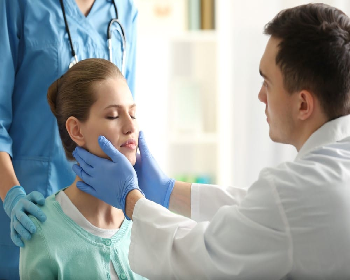
Individuals seeking dramatic, permanent transformations may be better candidates for surgical alternatives. A consultation with a qualified provider at top cosmetic hospitals can help determine the most appropriate treatment plan.
The Procedure
Non-surgical cosmetic procedures vary significantly in technique and complexity, but most follow a general pattern from consultation through treatment.
Consultation and Planning
Your journey begins with a comprehensive evaluation where the provider assesses your concerns, medical history, skin type, and aesthetic goals. This includes:
- Medical History Review: Discussion of health conditions, medications, allergies, and previous cosmetic treatments
- Physical Assessment: Examination of treatment areas, skin quality, and facial/bone structure
- Goal Setting: Clear communication about desired outcomes and realistic expectations
- Treatment Plan: Customized recommendation of procedures, number of sessions, and timeline
- Informed Consent: Review of benefits, risks, alternatives, and costs

Preparation
Pre-procedure instructions vary by treatment but commonly include:
- Avoid Blood Thinners: Discontinue aspirin, ibuprofen, fish oil, and vitamin E 7-10 days before injectables
- Sun Protection: Avoid excessive sun exposure and tanning for 2-4 weeks before laser treatments
- Skin Care: Discontinue retinoids, exfoliants, and active ingredients 3-7 days pre-treatment
- Hydration: Maintain good hydration and avoid alcohol 24-48 hours before treatment
- No Makeup: Arrive with clean, product-free skin for facial procedures
The Treatment Process
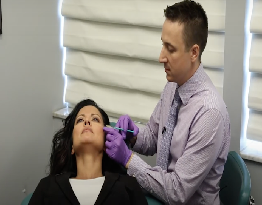
Most non-surgical procedures are performed in-office and take 15-90 minutes depending on the treatment extent:
Injectable Procedures (Botox, Fillers):
- Cleansing: Treatment area is cleaned with alcohol or antiseptic
- Topical Anesthesia: Numbing cream applied for 20-30 minutes (optional)
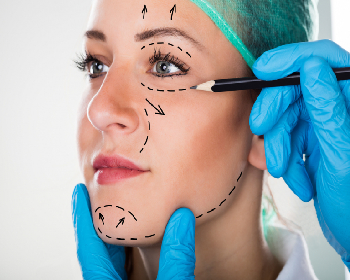
- Mapping: Provider marks injection points with a pen
- Injections: Fine needle or cannula injects product precisely (5-15 minutes)
- Ice Compression: Cold packs applied to reduce swelling
- Post-Treatment Assessment: Provider evaluates immediate results
Laser and Light Therapies:
- Cleansing: Remove all makeup, oils, and debris
- Numbing: Topical anesthetic applied for deeper treatments (30-60 minutes)
- Eye Protection: Safety glasses or shields placed
- Treatment: Handpiece delivers laser/light energy in pulses or scanning patterns (15-60 minutes)
- Cooling: Cold air or gel soothes treated areas
- Sunscreen: Applied immediately post-treatment
Chemical Peels:
- Degreasing: Skin cleansed thoroughly to remove oils
- Protection: Sensitive areas (eyes, lips, corners of mouth) protected with petroleum jelly
- Application: Acid solution applied in layers (1-4 coats, depending on depth)
- Timing: Solution left on skin for specific time (varies by acid strength)
- Neutralization: Peeling agent neutralized or washed off
- Soothing: Calming masks, serums, and sunscreen applied
Body Contouring (CoolSculpting, RF, Ultrasound):
- Marking: Treatment areas outlined
- Applicator Placement: Device positioned on targeted areas
- Treatment: Energy delivered (CoolSculpting: 35-60 minutes per area; RF/ultrasound: 20-60 minutes)
- Massage: Treated area massaged (CoolSculpting) or allowed to rest (RF/ultrasound)
- Compression: Garments applied for some RF treatments
Anesthesia and Comfort
One of the key advantages of non-surgical procedures is that they typically require minimal anesthesia:
- Topical Anesthetics: Numbing creams for injectables, superficial lasers, and peels
- Local Anesthesia: Used for deeper laser treatments or extensive filler placement
- No Anesthesia: Many treatments (Botox, light peels) require no anesthetic at all
- Cold Air/Cooling: Used during laser procedures to enhance comfort
- Oral Sedation: Available for anxious patients (rarely needed)
Recovery Timeline

Recovery from non-surgical cosmetic procedures is generally minimal compared to surgical alternatives, but varies by treatment type and intensity:
Immediate Recovery (0-24 Hours)
Common Experiences:
- Redness and Swelling: Mild to moderate, typically peaks within first few hours
- Tenderness: Slight discomfort at treatment sites
- Bruising: Possible with injectables, more likely in facial areas
- Tightness: Common after laser treatments and RF procedures
- Peeling: Begins 2-3 days after chemical peels
Immediate Care:
- Apply cold compresses to reduce swelling
- Sleep elevated (2-3 pillows) to minimize facial swelling
- Avoid touching or rubbing treated areas
- Use gentle cleansers and moisturizers
- Skip makeup for 24 hours (or until peeling complete)
Short-Term Recovery (Days 2-7)
Timeline by Procedure:
| Procedure | Day 2-3 | Day 4-7 | Day 7-14 |
|---|---|---|---|
| Botox | Mild redness resolves; no visible signs | Effects begin appearing (10-14% improvement) | Full results visible (day 14) |
| Dermal Fillers | Swelling subsides; true results visible | Minor bruising fades | Final result established |
| Superficial Peels | Light flaking begins | Peeling complete | Glowing skin visible |
| Medium/Deep Peels | Active peeling (day 3-5) | New skin emerges | Continued improvement |
| Laser Resurfacing | Crusting/scabbing (day 3-5) | Scabs fall off | Pinkness fades |
| Microneedling | Redness subsides (24-48 hours) | Skin texture improves | Collagen building continues |
| CoolSculpting | Numbness, tenderness, bruising | Normal sensation returns | Fat elimination begins (2-8 weeks) |
| RF Treatments | Mild swelling, redness | Skin feels tighter | Progressive firming (3-6 months) |
Long-Term Recovery and Maintenance
Duration of Results:
- Botox: 3-4 months before muscle action returns
- Hyaluronic Acid Fillers: 6-18 months depending on product, area, and metabolism
- Sculptra: Up to 2 years with maintenance treatments
- Laser Treatments: 1-5 years depending on laser type and skin condition
- Chemical Peels: 3-12 months depending on depth
- CoolSculpting: Permanent fat cell elimination (though remaining cells can expand)
- RF Treatments: 1-2 years with maintenance sessions
Maintenance Schedule:
- Botox: Every 3-4 months to maintain effect
- Lip Fillers: Every 6-9 months
- Cheek/Other Fillers: Every 12-18 months
- Laser Treatments: 1-3 initial sessions, then annually
- Chemical Peels: Every 4-8 weeks for superficial, 6-12 months for deep
- CoolSculpting: Additional sessions if new areas need treatment
- RF Treatments: Every 6-12 months for maintenance
Risks and Complications
While non-surgical cosmetic procedures are generally safe, Cleveland Clinic notes that all procedures carry potential risks, though serious complications are rare[^3]. According to a comprehensive NIH study on minimally invasive cosmetic procedures, adverse events occur in less than 1% of treatments when performed by qualified providers[^4].
Common Side Effects (Mild, Temporary)
These typically resolve within hours to days without intervention:
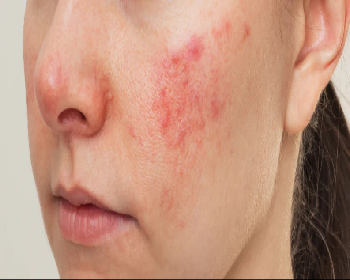
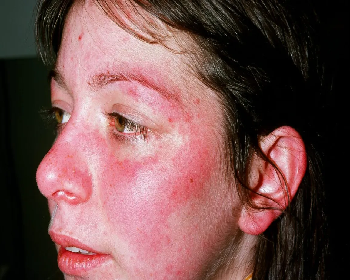
- Erythema (Redness): Occurs in virtually all laser and peel treatments; lasts 2 hours to 2 weeks
- Edema (Swelling): Common with injectables and deep peels; peaks 24-48 hours
- Bruising: More likely in facial areas with injectables; resolves in 5-10 days
- Tenderness: Mild discomfort at injection sites or treated areas
- Dryness/Flaking: Expected after peels and laser treatments
- Sensitivity: Temporary increased skin reactivity
Less Common Side Effects
- Asymmetry: Uneven results from injectables (correctable with massage or additional product)
- Tyndall Effect: Bluish tint from superficial filler placement (correctable with hyaluronidase)
- Vascular Occlusion: Rare filler complication blocking blood vessels (emergency treatment required)
- Allergic Reactions: Particularly to non-HA fillers and chemical peel ingredients
- Infection: Very rare; risk minimized with proper sterilization
- Hyperpigmentation/Hypopigmentation: Dark or light spots after laser/peels (more common in darker skin)
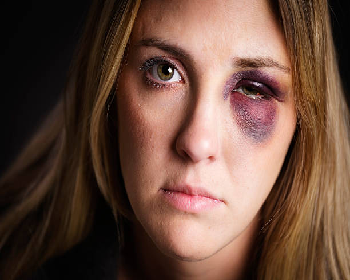
Rare but Serious Complications
The NIH study documents these severe but uncommon adverse events[^4]:
- Muscle Paralysis: From improperly placed botulinum toxin (temporary, resolves in 3-6 months)
- Granuloma Formation: Nodules from filler material (may require steroid injections or dissolution)
- Scarring: From overly aggressive chemical peels or laser treatments
- Vision Changes: From periocular filler migration (extremely rare, emergency treatment)
- Anaphylaxis: Severe allergic reaction (extremely rare, requires immediate emergency care)
Risk Minimization Strategies
Choosing a Qualified Provider:
- Board-certified dermatologist, plastic surgeon, or cosmetic physician
- Extensive experience with specific procedure
- Proper facility accreditation and emergency protocols
- Uses FDA-approved products and devices
Before Treatment:
- Complete medical disclosure
- Allergy testing when indicated
- Avoid blood thinners and alcohol
- Patch test for chemical peels if sensitive
After Treatment:
- Follow all post-care instructions precisely
- Watch for warning signs (severe pain, vision changes, tissue color changes)
- Report concerning symptoms immediately
- Attend follow-up appointments
Cost
Non-surgical cosmetic procedure costs vary widely based on geographic location, provider expertise, treatment extent, and product type. The following data represents American Society of Plastic Surgeons 2024 national averages and typical ranges[^5].
Injectable Neuroromodulators (Botox, Dysport, Xeomin, Jeuveau, Daxxify)
ASPS Average: $465 per treatment session (2024)[^5]
Typical Pricing Structure:
- Per Unit Cost: $10-$18 per unit (most U.S. markets) or $15-$25 per unit (premium cities)
- Typical Treatment: 30-40 units for full facial treatment
- Range: $300-$1,400 depending on units and provider
- Duration: Effects last 3-4 months
Cost Factors:
- Number of treatment areas
- Units required (depends on muscle strength and wrinkle depth)
- Provider experience and location
- Product brand (Botox typically most expensive)
Dermal Fillers (Hyaluronic Acid)
ASPS Average: $715 per syringe (2024)[^5]
Product-Specific Pricing:
- Juvederm Collection: $600-$1,400 per syringe (per official Juvederm site)[^6]
- Volbella XC (lips): $300-$700
- Voluma XC (cheeks): $400-$800
- Average treatment: ~$750
- Restylane Family: $300-$1,000 per syringe
- Restylane-L: ~$675
- Restylane Silk: $500-$700
- Restylane Lyft: $400-$1,000
- RHA Fillers: $500-$800 per syringe
- Non-HA Fillers: $901 average per syringe (ASPS)[^5]
Typical Treatment Cost:
- Lips: 1 syringe ($650-$800)
- Nasolabial Folds: 2 syringes ($1,300-$1,600)
- Cheeks: 2-3 syringes ($1,400-$2,400)
- Marionette Lines: 1-2 syringes ($700-$1,600)
Duration: 6-18 months depending on product, area, and metabolism
Laser Skin Resurfacing
ASPS Average: $1,829 per treatment (2024)[^5]
Price Ranges by Procedure Type:
- Fractional CO2 Laser (Full Face): $1,500-$3,000 per session
- Full Ablative CO2: $2,500-$4,500 per treatment
- Non-Ablative Laser: $1,000-$2,000 per session
- IPL Photofacial: $300-$600 per treatment
- Laser Hair Removal: $200-$400 per session (6-8 sessions typically needed)
RealSelf Average: $3,048 for laser resurfacing (based on patient reviews)[^7]
Non-Surgical Body Contouring
CoolSculpting (Cryolipolysis):
- ASPS Average: $1,157 per treatment area[^5]
- Typical Range: $700-$1,500 per area (BuzzRx)[^8]
- Official CoolSculpting Site: $2,000-$4,000 per area[^9]
- Full Treatment Plan: $3,200 average (often includes multiple visits)[^8]
Other Body Contouring:
- Sculptra (Biostimulatory Filler): $800-$1,200 per vial (2-4 vials typical)
- Radiofrequency Treatments: $300-$600 per session (3-6 sessions typical)
- Ultrasound Therapy: $1,500-$3,500 per treatment area
Chemical Peels
Price Ranges:
- Superficial Peel: $150-$300 per treatment
- Medium Peel: $500-$1,000 per treatment
- Deep Peel: $2,000-$4,000 per treatment
Package Deals: Many providers offer discounts for series (3-6 treatments)
Microneedling
Cost Range: $200-$800 per session depending on device and treatment area
PRP Therapy (Combined with Microneedling): Adds $200-$400 per session
Geographic Variation
Major Metropolitan Areas: Prices 20-50% higher than national average
- New York, Los Angeles, Miami: Premium pricing
- Mid-sized Cities: Near national average
- Rural Areas: May be 10-20% below average
Medical Tourism: Popular destinations like Thailand, Mexico, and Costa Rica offer 30-60% savings, but patients should carefully research provider qualifications and facility standards.
Cost Comparison: Non-Surgical vs. Surgical
| Concern | Non-Surgical Cost Range | Surgical Cost Range | Cost Advantage |
|---|---|---|---|
| Forehead Wrinkles | Botox: $300-$600 every 3-4 months ($900-$1,800/year) | Brow Lift: $4,000-$8,000 (one-time) | Surgery breaks even after 3-5 years |
| Lip Enhancement | Filler: $650-$800 every 9-12 months ($650-$1,600/year) | Lip Lift: $2,500-$5,000 (one-time) | Surgery breaks even after 2-4 years |
| Double Chin | CoolSculpting: $1,500-$3,000 | Neck Liposuction: $3,500-$6,000 | Surgery often more cost-effective long-term |
| Facial Volume Loss | Fillers: $1,400-$2,400 every 12-18 months | Fat Transfer: $3,500-$7,000 (one-time) | Surgery breaks even after 2-3 years |
Important Note: Non-surgical costs are recurring for maintenance, while surgical costs are one-time (though touch-up procedures may be needed). Individual value depends on aesthetic goals, budget, and treatment longevity preference.
Expected Results
Non-surgical cosmetic procedures deliver subtle to moderate improvements that enhance natural features without dramatically altering appearance. Managing expectations is crucial for satisfaction—these treatments refine and rejuvenate rather than transform.
Timeline for Results
Immediate Procedures (Visible Same Day):
- Dermal Fillers: Volume enhancement visible immediately; final result after swelling resolves (2-4 weeks)
- Lip Fillers: Instant plumping; settles over 2 weeks
- Chemical Peels: Skin appears glowing after superficial peels; deeper peels show results after peeling completes (7-14 days)
Gradual Procedures (Results Develop Over Weeks):
- Botox: First effects noticeable at 7-10 days; peak results at 14 days
- CoolSculpting: Early changes at 3 weeks; optimal results at 2-3 months; continued improvement for 6 months
- RF Treatments: Progressive firming over 3-6 months as collagen builds
- Sculptra: Gradual volume increase over 3-6 months as collagen stimulates
- Laser Resurfacing: Continued improvement for 6-12 months as collagen remodeling continues
Typical Results by Procedure
Botox and Neuromodulators:
- Outcome: 70-90% reduction in dynamic wrinkles (forehead, frown lines, crow’s feet)
- Appearance: Rested, smoother expression; frozen look only with overtreatment
- Longevity: 3-4 months before gradual return of muscle movement
Dermal Fillers:
- Lip Enhancement: 20-50% increase in volume; improved definition and symmetry
- Nasolabial Folds: 50-80% softening of deep lines
- Cheek Volumization: Lifted midface; reduced under-eye hollows
- Jawline Contouring: More defined, structured lower face appearance
- Overall: Natural restoration of youthful volume; “overfilled” look indicates poor technique
Laser Skin Resurfacing:
- Texture Improvement: 40-70% reduction in roughness, acne scars, and large pores
- Tone Enhancement: 50-80% fading of sun spots, age spots, and pigmentation
- Wrinkle Reduction: 20-50% softening of fine lines; minimal effect on deep wrinkles
- Tightening: Mild skin firming (more pronounced with RF devices)
Chemical Peels:
- Superficial: Brighter, smoother skin with improved radiance (temporary)
- Medium: Noticeable improvement in pigmentation, fine lines, and texture
- Deep: Significant wrinkle reduction and skin tightening (substantial recovery)
CoolSculpting and Body Contouring:
- Fat Reduction: 20-25% reduction in treated fat layer per treatment area
- Contouring: More sculpted appearance in treated areas
- Clothing Fit: Noticeable improvement in how clothes fit
- Scale Weight: Minimal change (fat loss is localized, not systemic)
Microneedling:
- Texture: 30-50% improvement in acne scars, large pores, and stretch marks
- Firmness: Mild skin tightening
- Product Penetration: Enhanced absorption of skincare products
Long-Term Outcomes
Cumulative Benefits:
- Collagen Stimulation: Laser, microneedling, RF, and Sculptra build collagen over time, with progressive improvement for 6-12 months
- Preventive Effects: Botox prevents deepening of dynamic wrinkles when used consistently
- Skin Quality: Regular treatments improve overall skin health, hydration, and resilience
Maintenance Requirements:
- Botox: Every 3-4 months to maintain wrinkle reduction
- Lip Fillers: Every 6-9 months for lip enhancement
- Deeper Fillers: Every 12-18 months for structural volume
- Laser/Peel Series: Initial 3-6 treatments, then annually for maintenance
- CoolSculpting: Additional sessions if new areas need treatment or remaining fat cells expand
Realistic Expectations
What Non-Surgical Procedures CAN Do:
- Refine and enhance existing features
- Restore youthful volume and contours
- Improve skin texture, tone, and clarity
- Reduce early signs of aging
- Provide subtle, natural-looking improvements
- Offer minimal downtime and lower risk than surgery
What Non-Surgical Procedures CANNOT Do:
- Replace surgical results (excess skin removal, significant reshaping)
- Provide permanent solutions (except CoolSculpting fat elimination)
- Transform fundamental facial structure
- Achieve dramatic changes in appearance
- Address age-related skeletal changes
Patient Satisfaction Factors:
- Realistic expectations aligned with procedure capabilities
- Clear communication about achievable outcomes
- Understanding that results are subtle and cumulative
- Acceptance of maintenance requirements
- Patience for gradual improvements (especially for collagen-stimulating treatments)
Choosing Between Non-Surgical and Surgical Options
Non-Surgical May Be Preferred If:
- Seeking subtle refinement rather than transformation
- Minimal downtime is essential
- Testing results before committing to surgery
- Budget is limited (though recurring costs add up)
- Health conditions contraindicate surgery
- Desiring flexibility to adjust or reverse treatments
Surgical Options May Be Better If:
- Excess skin needs removal (eyelids, face, neck, body)
- Fundamental reshaping is desired (nose, chin, jaw)
- Permanent results are preferred
- Significant aging changes require structural intervention
- Cost-effectiveness over time is a priority
Many patients combine both approaches—surgery for foundational changes and non-surgical treatments for maintenance and refinement. Visit best cosmetic hospitals to explore providers who offer comprehensive treatment planning.
FAQ
How long do non-surgical cosmetic procedures take?
Treatment times vary significantly by procedure and extent:
- Botox: 15-30 minutes
- Dermal Fillers: 30-60 minutes
- Laser Treatments: 15-90 minutes depending on treatment area
- Chemical Peels: 30-60 minutes
- CoolSculpting: 35-60 minutes per treatment area
- Microneedling: 30-45 minutes
Additional time should be allowed for consultation (30-60 minutes) and pre-treatment preparation (numbing, cleansing).
Are non-surgical cosmetic procedures painful?
Most non-surgical procedures involve minimal discomfort:
- Botox: Brief pinching sensation; rated 2-3/10 on pain scale
- Dermal Fillers: Slight stinging; rated 3-5/10 (less with cannulas)
- Laser Treatments: Rubber band snap sensation; rated 4-6/10 (reduced with numbing)
- Chemical Peels: Burning sensation during application (5-7/10 for deep peels)
- CoolSculpting: Intense cold initially, then numbness (minimal discomfort)
- Microneedling: Sandpaper-like sensation; rated 3-4/10
Topical anesthetics, cooling devices, and distraction techniques minimize discomfort for most patients.
How long do results last from non-surgical cosmetic procedures?
Duration varies by treatment type, product, and individual metabolism:
- Botox: 3-4 months
- Hyaluronic Acid Fillers (Lips): 6-9 months
- Hyaluronic Acid Fillers (Cheeks/Other Areas): 12-18 months
- Sculptra: Up to 2 years
- Laser Treatments: 1-5 years depending on laser type and skin condition
- CoolSculpting: Permanent fat elimination (though remaining cells can expand with weight gain)
- Chemical Peels: 3-12 months depending on depth
- RF Treatments: 1-2 years with maintenance
How many treatment sessions will I need?
The number of sessions varies by procedure and goals:
- Botox: Single treatment every 3-4 months
- Dermal Fillers: Single treatment, touch-ups every 6-18 months
- Laser Skin Resurfacing: 1-3 treatments for optimal results
- Laser Hair Removal: 6-8 sessions for permanent reduction
- Chemical Peels: Series of 3-6 for maximum improvement
- Microneedling: 3-6 sessions, then maintenance
- CoolSculpting: 1-3 sessions depending on areas and goals
- RF Treatments: 3-6 initial sessions, then maintenance
Your provider will recommend a personalized treatment plan during consultation.
What’s the difference between Botox and fillers?
Botox (Neuromodulators):
- Relaxes muscles that cause dynamic wrinkles
- Treats forehead lines, frown lines, crow’s feet
- Results appear in 7-14 days
- Lasts 3-4 months
Dermal Fillers:
- Add volume beneath the skin’s surface
- Treat static wrinkles, folds, hollows, and contour deficiencies
- Immediate results (final after swelling resolves)
- Last 6-18 months
Many patients combine both for comprehensive facial rejuvenation—Botox for movement-related wrinkles and fillers for volume loss.
Can non-surgical cosmetic procedures go wrong?
While complications are rare (less than 1% according to NIH studies[^4]), adverse events can occur, particularly with inexperienced providers or improper technique:
Common Issues (Correctable):
- Over-treatment resulting in frozen expression or overfilled areas
- Asymmetry from uneven product placement
- Tyndall effect (bluish tint) from superficial filler placement
- Suboptimal results from inadequate product or treatment
Serious Complications (Rare, Require Immediate Attention):
- Vascular occlusion (blocked blood vessel) from filler
- Severe allergic reaction
- Infection
- Vision changes from periocular filler migration
- Muscle paralysis from misplaced Botox
Risk Minimization:
- Choose board-certified, experienced providers
- Verify products and devices are FDA-approved
- Ensure proper facility with emergency protocols
- Follow pre and post-treatment instructions
- Report concerning symptoms immediately
Am I too young or too old for non-surgical cosmetic procedures?
Age is less important than individual concerns, health status, and goals:
Younger Patients (20s-30s):
- Often seek preventative treatments
- Good candidates for Botox to prevent wrinkle deepening
- Fillers for structural enhancement (cheeks, jawline)
- Acne treatments and scar revision
- Minimal treatments typically needed
Middle-Aged Patients (40s-50s):
- Address early signs of aging
- Combination treatments often optimal
- Focus on maintenance and prevention
- May require more extensive treatment plans
Older Patients (60+):
- Can still benefit significantly
- May require combination with surgical options for optimal results
- Addressing age-related bone loss and skin laxity
- Health status more important than chronological age
Contraindications at Any Age:
- Pregnancy and breastfeeding
- Active infections or inflammation in treatment areas
- Uncontrolled chronic health conditions
- Certain autoimmune disorders
- Severe allergies to treatment components
A qualified provider can assess individual candidacy regardless of age. Find experienced providers at top cosmetic surgery hospitals worldwide.
How do I choose a qualified provider for non-surgical cosmetic procedures?
Essential Qualifications:
- Board Certification: Dermatology, plastic surgery, or facial plastic surgery
- Extensive Experience: Specialization in specific procedures
- Facility Accreditation: Proper licensing and safety standards
- Product/Device Knowledge: Uses FDA-approved products and devices
- Before/After Photos: Demonstrates consistent results
- Patient Reviews: Positive feedback on results, communication, and care
Red Flags to Avoid:
- Suspiciously low prices (likely indicate inexperienced providers or counterfeit products)
- No facility accreditation or emergency protocols
- Pressure to purchase multiple treatments upfront
- Reluctance to show credentials or before/after photos
- Unrealistic promises or guarantees
Questions to Ask During Consultation:
- Are you board-certified, and in what specialty?
- How many of these specific procedures have you performed?
- What products/devices do you use, and are they FDA-approved?
- What are the potential risks and how are complications handled?
- Can I see before/after photos of your patients?
- What does the treatment plan and timeline look like for my goals?
Can non-surgical procedures be combined?
Yes, combination treatments are common and often provide superior results by addressing multiple concerns simultaneously:
Popular Combinations:
- Botox + Fillers: Comprehensive facial rejuvenation
- Laser + Microneedling: Enhanced collagen stimulation and texture improvement
- Chemical Peel + RF: Surface renewal plus deep tightening
- CoolSculpting Multiple Areas: Full body contouring in single session
- Fillers + Sculptra: Immediate volume plus long-term collagen building
Combination Benefits:
- Synergistic results addressing multiple aging signs
- Single recovery period
- Cost savings through bundled pricing
- Comprehensive transformation
Combination Considerations:
- Increased overall cost (though typically less than sum of individual treatments)
- Potentially longer recovery (depending on combination)
- Need for experienced provider who understands interactions
- May require staged treatments for optimal safety
Is medical tourism for non-surgical cosmetic procedures safe?
Medical tourism for non-surgical procedures carries both benefits and risks. While cost savings can be significant (30-60% less than U.S. prices), patients must carefully evaluate medical tourism destinations and providers.
Potential Advantages:
- Substantial cost savings
- Access to experienced providers
- Combined treatment with vacation/recovery
Key Considerations:
- Provider Qualifications: Verify board certifications and training
- Facility Standards: Ensure proper accreditation and emergency protocols
- Product Authenticity: Confirm FDA-approved or equivalent quality products
- Follow-up Care: Plan for post-treatment monitoring after returning home
- Emergency Protocols: Understand complication management plans
- Insurance Coverage: Most complications aren’t covered when traveling
Reputable Medical Tourism Destinations:
- Thailand - Highly developed medical tourism industry
- [South Korea] - Advanced aesthetic technology
- [Mexico] - Convenient for U.S. patients with quality providers
- [Costa Rica] - Excellent healthcare standards with JCI-accredited facilities
- [Turkey] - Growing aesthetic medicine sector with competitive pricing
Critical Questions to Ask:
- What are the provider’s credentials and experience?
- Is the facility accredited by an international organization (JCI, TEMOS)?
- What products and devices are used (verify they’re FDA-approved or equivalent)?
- How are complications managed, especially after I return home?
- What emergency protocols are in place?
- Can I speak with previous patients from my country?
Safety Checklist:
- ✓ Research provider credentials extensively
- ✓ Verify facility accreditation
- ✓ Confirm product/device authenticity
- ✓ Understand total costs including travel and follow-up
- ✓ Purchase medical tourism insurance
- ✓ Plan adequate recovery time before traveling home
- ✓ Schedule follow-up with local provider after return
Important Disclaimer
This content is for informational purposes only and does not constitute medical advice, diagnosis, or treatment. Non-surgical cosmetic procedures should only be performed by qualified, licensed healthcare professionals in appropriately accredited facilities. Individual results vary based on anatomy, health status, provider technique, and adherence to post-treatment care.
Always consult directly with board-certified providers—such as those at top cosmetic hospitals—to discuss your specific medical history, concerns, goals, and treatment options. The information provided herein is not a substitute for professional medical evaluation or guidance.
Risks, benefits, costs, and recovery times mentioned are based on available research and averages from authoritative sources like the American Society of Plastic Surgeons, but individual experiences may differ substantially. Prices cited are national averages and vary by geographic location, provider expertise, and treatment extent.
Any decision to undergo cosmetic procedures should be made only after thorough consultation with qualified healthcare providers who can assess your individual situation and provide personalized recommendations.