
Best Hospitals for Laser Hair Removal | Top Medical Tourism Destinations for Laser Hair Removal
Comprehensive guide to laser hair removal: how it works, costs, 6-8 session courses, side effects, and recovery. Compare top hospitals worldwide for FDA-cleared permanent hair reduction treatments.
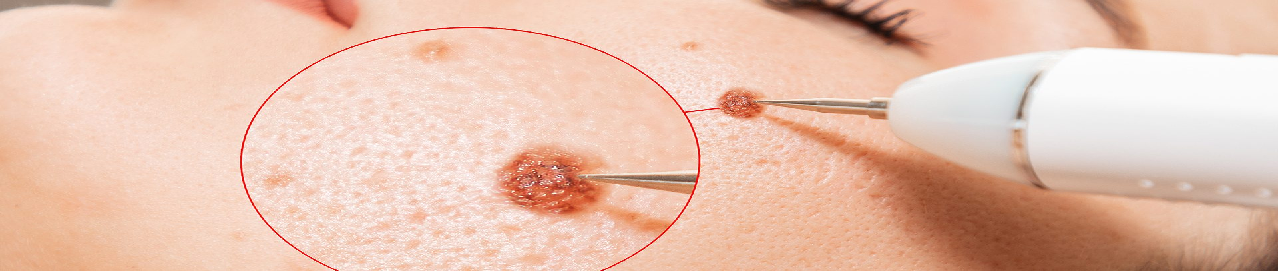
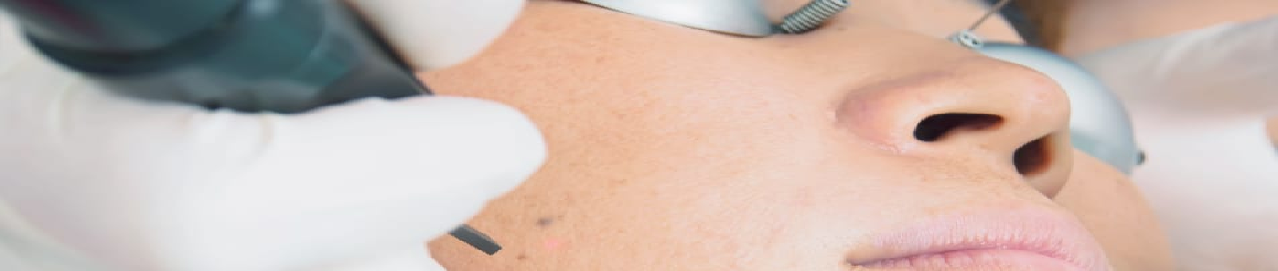

Unwanted body hair affects millions of people worldwide, impacting confidence and requiring constant maintenance through shaving, waxing, or plucking. Laser hair removal has emerged as one of the most sought-after cosmetic procedures, offering a long-term solution that significantly reduces hair growth by targeting hair follicles with concentrated light energy. At Best Cosmetic Hospitals, we connect patients with accredited facilities using FDA-cleared laser technology for safe, effective, and lasting hair reduction across all skin types.
Overview of Laser Hair Removal
Laser hair removal is a non-invasive medical procedure that uses concentrated beams of light (laser) to remove unwanted hair. The laser emits light that is absorbed by the pigment (melanin) in the hair, converting it into heat energy that damages the hair follicle and inhibits future hair growth. According to the American Academy of Dermatology (AAD), advances in laser technology have made the procedure safe and effective for most people, with treatment typically requiring six sessions or more for optimal results.
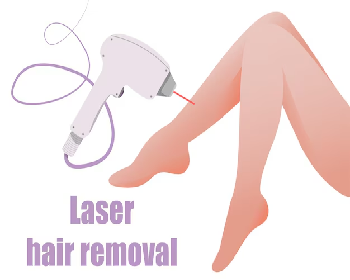
The procedure gained FDA approval in 1995 as a medical device for hair removal and has since become one of the most commonly performed cosmetic treatments globally. The FDA defines “permanent hair reduction” as long-term, stable reduction in hair regrowth when measured at 6, 9, and 12 months following treatment completion.
How Laser Hair Removal Works
Understanding the mechanism behind laser hair removal helps patients set realistic expectations and achieve better results.
The Science Behind the Treatment
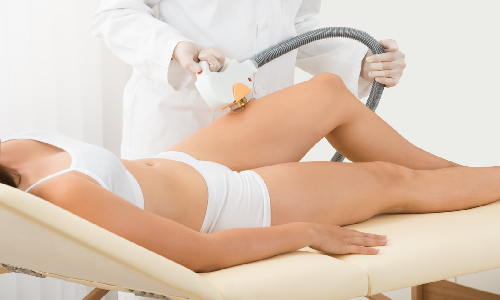
During treatment, a handheld laser device delivers precise pulses of light energy into the hair follicles. The dark pigment (melanin) in the hair absorbs this light energy, which converts to heat and travels down the hair shaft into the follicle. This heat damages the follicle’s ability to produce new hair, while leaving surrounding skin largely unaffected. Cleveland Clinic explains that because hair grows in cycles, multiple treatment sessions are necessary to target follicles during their active growth phase (anagen phase).
Hair Growth Cycles and Treatment Timing
Human hair progresses through three phases:
- Anagen (Growth Phase): Hair is actively growing; this is when laser treatment is most effective
- Catagen (Transition Phase): Hair growth slows and the follicle shrinks
- Telogen (Resting Phase): Hair is not growing; eventually sheds and is replaced
Since only hairs in the anagen phase contain sufficient melanin for effective laser targeting, multiple sessions spaced 4-8 weeks apart are required to treat hair follicles as they enter this active growth phase. The AAD states that most patients require 6-8 treatments for significant hair reduction.
Types of Lasers for Hair Removal
Different laser systems are designed to accommodate various skin types and hair characteristics. The choice of laser significantly impacts safety and effectiveness.
Alexandrite Laser (755 nm)
- Best For: Light to olive skin tones (Fitzpatrick I-III) with dark, coarse hair
- How It Works: Highly absorbed by melanin, making it extremely effective for lighter skin
- Treatment Speed: Large spot size enables faster treatment of body areas
- Limitations: Higher risk of side effects on darker or tanned skin
Diode Laser (800-810 nm)
- Best For: All skin types, including darker skin tones (Fitzpatrick I-VI)
- How It Works: Deeper penetration than Alexandrite lasers with strong melanin absorption
- Safety Profile: According to peer-reviewed research, diode lasers demonstrated superior safety for dark skin compared to Alexandrite lasers
- Versatility: Available in various configurations for different body areas
Nd:YAG Laser (1064 nm)
- Best For: All skin types, including the darkest skin tones (Fitzpatrick IV-VI)
- How It Works: Longest wavelength with minimal melanin absorption
- Safety Considerations: Safest option for very dark skin and tanned patients
- Effectiveness: May require more sessions compared to other laser types
Intense Pulsed Light (IPL)
- Best For: Light skin with dark hair
- How It Works: Broad-spectrum light rather than single laser wavelength
- Note: Technically not a laser; less precise for hair removal compared to dedicated laser systems
Good Candidates for Laser Hair Removal
Not everyone achieves equal results from laser hair removal. Several factors determine candidacy.
Ideal Candidates
According to the American Academy of Dermatology, laser hair removal works best for patients with:
- Light skin and dark hair: The contrast between skin pigment and hair pigment allows the laser to target hair without affecting surrounding skin
- Coarse, dark hair: Thicker hair contains more melanin for better laser absorption
- Realistic expectations: Understanding that “permanent reduction” means significant long-term decrease in hair density, not complete elimination
- Patience for the process: Willingness to complete a full treatment course and attend maintenance sessions
Skin Type Considerations
The Fitzpatrick Skin Type Scale classifies skin from Type I (pale, always burns) to Type VI (darkly pigmented, never burns). Modern laser technology can safely treat all skin types, but device selection varies:
- Types I-III: Alexandrite, Diode, and IPL lasers work well
- Types IV-VI: Nd:YAG and specific Diode lasers are preferred for safety
- Tanned skin: Treatment should be delayed until tan fades, or Nd:YAG laser should be used
Hair Color Limitations
Laser hair removal is least effective for:
- White, gray, blonde, or red hair: These hair colors lack sufficient melanin for laser targeting
- Fine vellus hair: The thin, peach-fuzz type hair doesn’t absorb enough energy
Medical Considerations
Certain conditions may affect candidacy or require medical consultation:
- Hormonal imbalances (PCOS, thyroid disorders)
- Active infections in treatment area
- History of keloid scarring
- Photosensitivity disorders
- Medications causing light sensitivity (certain antibiotics, isotretinoin)
The Laser Hair Removal Treatment Process
Understanding what happens before, during, and after treatment helps ensure optimal results and patient comfort.
Pre-Treatment Consultation
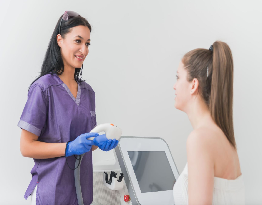
A thorough consultation is essential for safe and effective treatment. During this visit:
- Medical history review: Discuss medications, hormonal conditions, and previous treatments
- Skin type assessment: Determine Fitzpatrick skin type for appropriate laser selection
- Hair and skin evaluation: Assess hair density, color, and treatment areas
- Treatment plan discussion: Estimate number of sessions, costs, and expected outcomes
- Patch test: Perform a small test treatment to assess skin response
Pre-Treatment Preparation
Proper preparation significantly impacts treatment effectiveness and safety:
- Avoid sun exposure: Stay out of direct sunlight and stop tanning beds for 4-6 weeks before treatment
- Stop certain hair removal methods: Avoid waxing, plucking, or electrolysis for 4-6 weeks prior; shaving is permitted and often encouraged
- Discontinue photosensitizing medications: Only under physician guidance
- Shave treatment area: 24-48 hours before treatment to reduce surface hair while leaving the follicle intact
- Avoid skincare products: Skip retinoids, exfoliants, and irritants for several days before treatment
During the Procedure
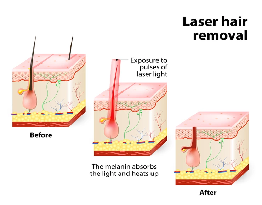
A typical treatment session follows this sequence:
- Cleansing: Treatment area is cleaned to remove lotions, oils, and debris
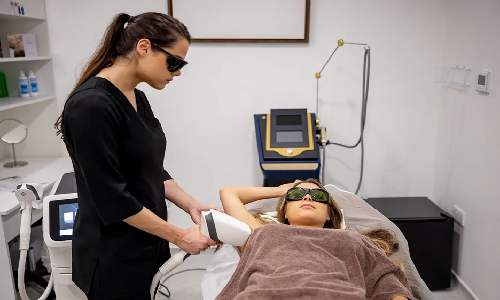
- Eye protection: Patient wears protective goggles or shields
- Cooling gel application: Most procedures use a cooling gel or contact-cooling handpiece
- Laser treatment: Handpiece delivers laser pulses; patients describe sensations as rubber band snaps or warm pinpricks
- Cooling and soothing: Post-treatment cooling with ice packs or aloe vera gel
- Sunscreen application: Physical sunscreen is applied before leaving
Treatment duration varies by area:
- Upper lip, chin: 5-10 minutes
- Underarms: 15-20 minutes
- Bikini area: 20-30 minutes
- Full legs: 60-90 minutes
- Full back: 60-90 minutes
Post-Treatment Care
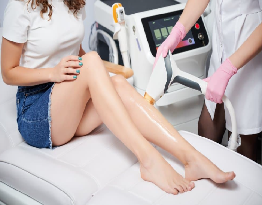
Proper aftercare minimizes side effects and optimizes results:
Immediate Effects (normal, temporary):
- Redness and swelling resembling mild sunburn
- Sensation of heat or tingling in treated area
- Perifollicular edema (tiny bumps around hair follicles)
Aftercare Instructions:
- Apply ice packs: For 10-15 minutes if discomfort occurs
- Use gentle skincare: Mild cleanser and fragrance-free moisturizer
- Apply broad-spectrum sunscreen: SPF 30+ daily, reapplying every 2 hours when outdoors
- Avoid heat exposure: No hot showers, saunas, or exercise for 24-48 hours
- Skip irritants: Avoid retinoids, acids, and scrubs for 1-2 weeks
- Shave only: Use electric razors or gentle shaving between sessions
Number of Sessions and Expected Results
Treatment requirements vary significantly between individuals based on anatomy, hormones, and treatment goals.
Standard Treatment Course
According to Cleveland Clinic and the AAD:
- Most patients need 6-8 treatments spaced 4-6 weeks apart
- Facial areas: May require 4-6 week intervals due to faster hair growth cycles
- Body areas: Typically treated every 6-8 weeks
- Full courses can span 6-12 months depending on treatment area and response
Treatment Progression
Patients typically observe this progression:
- After 2-3 treatments: Noticeable thinning and patchiness of hair growth
- After 4-5 treatments: Significant reduction in hair density; regrowth becomes finer and lighter
- After 6-8 treatments: Approximately 75-90% permanent hair reduction in treated areas
Factors Affecting Response
- Hormonal status: Conditions like PCOS may require additional treatments
- Treatment area: Facial hair often requires more sessions than body hair
- Hair density: Thicker hair may need additional sessions
- Individual variation: Some patients are “super-responders,” while others need extended treatment
Longevity of Results

The FDA defines permanent hair reduction as long-term, stable reduction in hair regrowth. Research indicates:
- Medical-grade lasers: Results typically last 1-2 years before maintenance is needed
- Most patients experience: 75-90% hair reduction that persists for years
- Maintenance treatments: Typically required once or twice per year
- Hormonal changes: Puberty, pregnancy, menopause, or medical conditions may stimulate new hair growth requiring additional treatment
Maintenance and Touch-Up Treatments
Even after completing an initial treatment course, maintenance sessions help sustain results.
When Maintenance Is Needed
- Annual touch-ups: Common for most patients to maintain hair-free results
- Hormonal fluctuations: Pregnancy, menopause, or starting/stopping medications
- New areas: Patients may choose to treat additional body areas after initial course completion
- Regression: Some follicles may recover function over time, especially in younger patients
Maintenance Schedule
- First maintenance: Typically 12 months after completing initial course
- Frequency thereafter: Once or twice yearly, depending on individual response
- Session duration: Usually shorter than initial treatments (15-30 minutes)
Risks, Side Effects, and Safety Considerations
While laser hair removal is generally safe when performed by trained professionals, understanding potential risks is essential.
Common Temporary Side Effects
According to Mayo Clinic and Cleveland Clinic:
- Skin redness (erythema): Usually resolves within hours to a few days
- Swelling (edema): Mild to moderate, particularly in sensitive areas
- Discomfort: Tingling, warmth, or sensitivity in treated area
- Crusting: Rare, usually from overtreatment; heal without scarring
Rare but Serious Side Effects
- Burns: Can occur if inappropriate laser settings or incorrect device selection for skin type
- Permanent pigmentation changes: Hyperpigmentation (darkening) or hypopigmentation (lightening) of skin
- Scarring: From burns, infection, or picking at crusted areas
- Blistering: Rare complication that increases infection risk
- Infection: If blisters or crusted areas are not properly cared for
- Eye injury: Without proper protective eyewear
Who Should Avoid Laser Hair Removal
- Pregnant women: Theoretical risk to fetus; most providers avoid treatment during pregnancy
- Active infections in treatment area: Including herpes simplex, bacterial, or fungal infections
- History of keloid scarring: Higher risk of scarring complications
- Certain medications: Photosensitizing drugs, isotretinoin (Accutane), anticoagulants
Safety Importance
The American Academy of Dermatology warns that laser hair removal “can be dangerous in inexperienced hands.” Choosing a qualified provider with appropriate training, FDA-cleared devices, and proper safety protocols significantly reduces risks.
Cost of Laser Hair Removal
Treatment costs vary widely based on geographic location, provider expertise, treatment area, and number of sessions required.
Average Pricing According to ASPS
According to the American Society of Plastic Surgeons, the average cost per laser hair removal session was $389 in 2020. However, prices typically range from $100-$500 per session depending on the treatment area.
Cost by Treatment Area
| Area | Price Range (Per Session) | Typical Sessions Needed |
|---|---|---|
| Upper lip | $50-$150 | 6-8 |
| Chin/jawline | $100-$250 | 6-8 |
| Underarms | $100-$200 | 6-8 |
| Bikini area | $150-$350 | 6-8 |
| Full arms | $250-$500 | 6-8 |
| Half legs | $200-$400 | 6-8 |
| Full legs | $400-$800 | 8-10 |
| Full back | $400-$800 | 8-10 |
Total Treatment Investment
Patients should expect to invest $700-$3,500+ for a complete treatment course, depending on areas treated and geographic location. Maintenance sessions cost approximately 50-75% of initial treatment prices.
Factors Influencing Cost
- Geographic location: Urban areas and high-cost regions typically charge more
- Provider expertise: Board-certified dermatologists and plastic surgeons generally charge more than med spas
- Technology level: Medical-grade equipment with cooling systems may cost more
- Treatment area size: Larger areas require more time and energy
- Package deals: Many providers offer discounts when purchasing multiple sessions upfront
Choosing a Laser Hair Removal Provider
Selecting a qualified provider significantly impacts safety and treatment outcomes.
Key Provider Qualifications
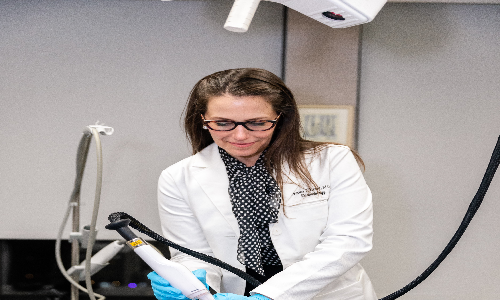
- Medical supervision: Procedures ideally performed or overseen by board-certified physicians
- Training and certification: Providers should have laser safety training and device-specific certification
- FDA-cleared devices: Facilities should use equipment that has received FDA clearance for hair removal
- Experience with your skin type: Ask for before-and-after photos of patients with similar characteristics
- Proper consultation: Thorough evaluation and realistic discussion of expected outcomes
Facility Standards
- Clean, professional environment: Sterile treatment rooms with proper infection control protocols
- Multiple laser options: Facilities offering various laser types can better accommodate different skin tones
- Emergency protocols: Established procedures for managing burns, adverse reactions, or complications
- Transparent pricing: Clear disclosure of all costs without hidden fees
Questions to Ask Prospective Providers
- What type of laser do you use, and is it FDA-cleared?
- Who performs the procedures, and what are their qualifications?
- How many treatments do you typically recommend for my skin/hair type?
- What are the risks and how are complications handled?
- Can I see before-and-after photos of patients with similar characteristics?
- What is the total cost for a complete treatment course?
Medical Tourism for Laser Hair Removal

Many patients travel abroad for laser hair removal to access affordable care without compromising quality. Popular medical tourism destinations offer advanced technology and experienced practitioners at significantly reduced costs.
Popular Destinations
- India: World-class cosmetic hospitals with FDA-approved technology at 40-60% lower costs
- Thailand: Modern facilities combining treatment with vacation opportunities
- Turkey: Growing cosmetic tourism sector with competitive pricing
- Mexico: Convenient for North American patients seeking cost-effective treatment
- Brazil: Experienced providers with extensive cosmetic procedure expertise
Medical Tourism Considerations
- Research providers thoroughly: Verify credentials, facility accreditation, and device certifications
- Plan treatment timeline: Ensure adequate time between sessions before returning home
- Follow-up accessibility: Plan for local follow-up care or establish remote monitoring with providers
- Understand total costs: Factor in travel, accommodation, and potential complications
Frequently Asked Questions
Is laser hair removal permanent?
Laser hair removal provides long-term hair reduction rather than permanent elimination. The FDA defines permanent hair reduction as “long-term, stable reduction in hair regrowth measured at 6, 9, and 12 months following treatment.” Most patients experience 75-90% reduction that persists for years, though some hair may eventually regrow and require maintenance treatments.
Does laser hair removal hurt?
Most patients describe laser hair removal as uncomfortable rather than painful, comparing the sensation to a rubber band snap or warm pinprick. Pain tolerance varies by individual, treatment area, and laser type. Facilities often offer numbing creams for sensitive areas or patients with low pain thresholds. Modern devices incorporate cooling technology to enhance comfort.
Can laser hair removal be performed on any body area?
Laser hair removal can treat almost any body area with unwanted hair, including the face, underarms, arms, legs, bikini area, back, chest, and abdomen. Areas with thinner skin (face, bikini line) may be more sensitive. Treatment should avoid areas very close to eyes unless using specialized eye protection.
How long do results last?
According to clinical studies and the AAD, results from a complete treatment course typically persist for 1-2 years or longer. Maintenance sessions once or twice yearly help sustain hair-free results. However, hormonal changes, aging, and medical conditions may stimulate new hair growth requiring additional treatment.
What’s the difference between laser and IPL hair removal?
Lasers emit a single, specific wavelength of light, allowing precise targeting of hair follicles. IPL (Intense Pulsed Light) uses broad-spectrum light filtered to target melanin but is less precise than lasers. For hair removal, dedicated lasers generally provide superior results, especially for darker skin types, though IPL can be effective for lighter skin with dark hair.
Are at-home laser devices effective?
At-home laser hair removal devices use lower energy levels than professional equipment, making them less effective for significant hair reduction. While they may provide some thinning of hair growth, most patients don’t achieve results comparable to professional treatments. The FDA has cleared certain home devices, but users should maintain realistic expectations and follow safety guidelines carefully.
Important Disclaimer
This article is for informational purposes only and does not constitute medical advice. Consult a qualified, licensed healthcare professional for diagnosis and treatment recommendations tailored to your individual medical needs, skin type, and health history. Laser hair removal should only be performed by trained professionals using FDA-cleared equipment in appropriate medical facilities.