
Penile Lengthening Surgery: Procedure, Risks, Cost & Results
Penile lengthening surgery (suspensory ligament release) increases visible flaccid length. Learn about risks, recovery, costs $10K-$20K, and realistic outcomes from medical experts.
Penile lengthening surgery, also known as phalloplasty or suspensory ligament release, is a cosmetic surgical procedure designed to increase the visible length of the penis in its flaccid state. According to the Mayo Clinic, this is the most widely used surgical approach for penile lengthening, though it’s important to understand that the procedure does not change the actual anatomical length of the penis—rather, it allows more of the penis to hang outside the body by releasing the suspensory ligament that attaches it to the pubic bone.
The International Society of Aesthetic Plastic Surgery (ISAPS) reports that over 1 million penile enlargement procedures were performed globally in 2024, making this one of the most popular male cosmetic surgery categories worldwide. However, major medical organizations urge caution, as studies indicate complication rates can reach 71.8% in some surgical enhancement techniques, with risks often outweighing modest benefits for purely cosmetic cases.
Overview
Penile lengthening surgery primarily involves cutting the suspensory ligament (ligamentolysis), which anchors the penis to the pubic bone. When this ligament is partially released, the portion of the penis normally hidden inside the body can descend outward, creating the appearance of increased length in the flaccid state. According to a peer-reviewed study in PubMed Central, this remains the simplest and most commonly used technique for penile elongation.
It’s crucial to understand the distinction between this procedure and phalloplasty for gender confirmation surgery, which is a far more complex reconstruction for transgender men. This guide focuses specifically on cosmetic penile lengthening for cisgender men seeking aesthetic enhancement.
Key limitations:
- Does not increase erect length
- Results vary significantly between individuals
- Some length may be lost if the ligament reattaches during healing
- Combination procedures (lengthening + girth enhancement) carry higher complication rates
Candidacy
Not everyone seeking penile enhancement is an appropriate candidate for surgical lengthening. According to the Cleveland Clinic, ideal candidates should meet specific criteria and have realistic expectations about outcomes.
Suitable candidates typically:
- Are in good overall physical health
- Have no uncontrolled medical conditions (diabetes must be well-managed)
- Do not smoke or are willing to quit at least 4-6 weeks before surgery
- Have realistic expectations about modest length gains (typically 1-2 cm)
- Understand that erect length will not change
- Are seeking improvement in flaccid appearance rather than dramatic size transformation
- Have good psychological stability and no body dysmorphic disorder
Red flags that may disqualify candidates:
- Uncontrolled diabetes or poor circulation
- Active smoking (significantly impairs healing)
- Unrealistic expectations (e.g., doubling penis size)
- History of poor wound healing or keloid scarring
- Certain anatomical limitations that may prevent optimal results
Board-certified plastic surgeons and urologists typically require a comprehensive psychological evaluation to ensure patients are seeking surgery for the right reasons and understand the limitations. For more information on finding qualified providers, explore our hospitals directory and doctor profiles.
The Procedure
Surgical Technique
Penile lengthening surgery is typically performed as an outpatient procedure under general anesthesia or local anesthesia with sedation. The surgery usually takes 1-2 hours depending on complexity and whether additional procedures (such as girth enhancement or pubic fat pad removal) are performed simultaneously.
Step-by-step process:
-
Anesthesia administration: General anesthesia is most common, though some surgeons use local anesthesia with sedation for shorter procedures.
-
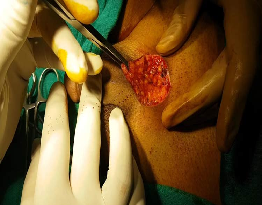
Incision placement: The surgeon makes a small, V-shaped or zigzag incision in the pubic area where the penis meets the scrotum. This placement helps conceal scarring in the natural pubic hair line.
-
Suspensory ligament release: The surgeon carefully cuts the suspensory ligament that attaches the penis to the pubic bone, allowing the internal portion of the penis to descend forward. According to Mayo Clinic experts, this releases approximately 1-2 cm of penile shaft that was previously hidden inside the body.
-
Optional supplementary procedures: Many surgeons combine lengthening with other techniques:
- Pubectomy: Removal of excess pubic fat pad that can bury the penile base
- Skin grafting: To cover the newly exposed penile shaft and prevent retraction
- Girth enhancement: Using fat transfer, dermal grafts, or FDA-cleared implants like Himplant (formerly Penuma)
-
Closure: The incision is closed with absorbable sutures, and a compression dressing or specialized post-surgical garment may be applied to support healing and minimize swelling.
Anesthesia Considerations
General anesthesia is typically preferred for patient comfort and surgeon control, though local anesthesia with sedation may be an option for isolated lengthening procedures. The anesthesia choice depends on:
- Extent of surgery (lengthening alone vs. combination procedures)
- Patient anxiety level
- Surgeon preference
- Facility protocols
Recovery Timeline

Recovery from penile lengthening surgery requires patience and strict adherence to post-operative instructions. According to the Cleveland Clinic and multiple urology sources, here’s what patients can expect:
Immediate Post-Operative Period (Days 1-7)
- Hospital stay: None required (outpatient procedure)
- Pain management: Prescription pain relievers for first 3-5 days
- Swelling: Peaks around day 2-3, gradually subsides over 1-2 weeks
- Activity: Bed rest for 24-48 hours, then limited walking
- Wound care: Keep incision clean and dry; dressing changes as directed
- Work: Most can return to sedentary jobs after 5-7 days
Early Recovery (Weeks 2-4)
- Swelling/bruising: Significantly improved by week 3-4
- Activity: Gradual return to normal daily activities
- Exercise: No strenuous activity, heavy lifting, or gym workouts
- Sexual activity: Absolutely prohibited—typically banned for 60 days
- Follow-up: First post-operative visit around week 2 to check healing
Intermediate Recovery (Weeks 5-8)
- Return to exercise: Light cardio approved around week 6
- Sexual activity: Usually permitted after 60-day restriction period
- Final results: Early visible results become apparent, though final healing continues
- Scar management: Scar softening and fading begins
Full Recovery (2-6 Months)
- Complete healing: Most tissues fully healed by 3-4 months
- Final results: Apparent by 6 months as all swelling resolves
- Scar maturation: Scars continue to fade and soften for up to 12 months
- Ligament reattachment risk: Highest in first 3 months; post-operative traction devices may help maintain gains
Critical recovery rules:
- NO sexual activity or masturbation for minimum 60 days
- NO strenuous exercise for 4-6 weeks
- Wear supportive underwear or compression garment as directed
- Avoid prolonged sitting that puts pressure on the surgical site
- Attend all follow-up appointments without fail
- Report any signs of infection immediately (fever, redness, discharge)
Risks & Complications
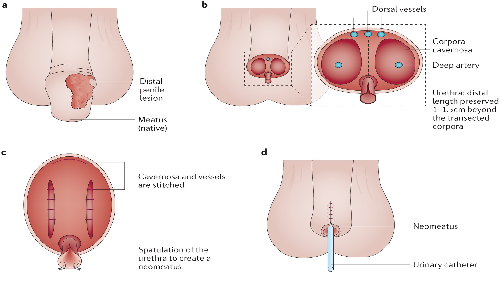
According to a comprehensive systematic review in the Journal of Clinical Medicine, penile enhancement surgeries carry a 71.8% overall complication rate—a statistic that demands serious consideration. The American Society of Plastic Surgeons (ASPS) also notes that complication rates vary significantly based on procedure type and patient selection.
Common Risks
Infection (2-10% of cases)
- Risk factors: Poor surgical technique, diabetes, smoking, poor post-op hygiene
- Prevention: Prophylactic antibiotics, strict wound care, smoking cessation
- Treatment: Oral antibiotics for mild cases; surgical washout for severe infections
Scarring
- All surgeries leave scars, but skilled surgeons place incisions in the pubic hair line for concealment
- Keloid or hypertrophic scarring occurs in approximately 3-5% of patients
- Scar revision may be needed if scars are prominent or cause functional issues
Altered sensation
- Temporary numbness or hypersensitivity is common in the first weeks/months
- Permanent sensation changes occur in 1-3% of cases
- Most sensation changes resolve within 6-12 months as nerves regenerate
Serious Complications
Suspensory ligament reattachment
- The cut ligament may partially or fully reattach during healing
- Can reduce or eliminate the visible length gain
- Rates vary widely (5-30%) depending on post-operative traction device use
Erectile dysfunction
- Temporary ED occurs in 5-10% of patients due to swelling, nerve trauma, or psychological factors
- Permanent ED is rare but documented in <1% of cases in large studies
- Risk is higher in complex combination procedures
Penile shortening
- Paradoxically, some patients may actually lose visible length due to scar contracture
- Occurs in approximately 5-15% of cases based on technique and healing
- More common when proper post-operative traction is not maintained
Poor cosmetic outcome
- Asymmetric or unsatisfactory appearance in 10-20% of cases
- Patient dissatisfaction rates range from 20-70% depending on expectations
- Revision surgery rates approach 15-25% in some studies
Other complications (from Cleveland Clinic):
- Bleeding or hematoma formation
- Adverse reaction to anesthesia
- Skin necrosis (tissue death) in rare cases
- Persistent swelling or lymphedema
- Psychological distress or regret
Cost

The cost of penile lengthening surgery varies significantly based on geographic location, surgeon expertise, facility fees, and whether additional procedures are performed simultaneously.
United States Pricing
According to multiple healthcare providers and patient education resources:
- Surgeon’s fee: $5,000 - $8,000
- Facility/anesthesia fees: $2,000 - $4,000
- Pre-op testing and consultations: $500 - $1,500
- Post-operative care and follow-up: $500 - $1,000
- Total cost: $10,000 - $20,000+ for isolated lengthening
Combination procedures (lengthening + girth enhancement) or complex revisions can cost $15,000 - $25,000+.
International Medical Tourism Pricing
For patients willing to travel, significant cost savings are available in countries with established medical tourism infrastructure:
- Mexico: $3,500 - $6,500
- Thailand: $4,000 - $7,000
- India: $3,000 - $5,500
- Turkey: $3,500 - $6,000
- South Korea: $5,000 - $8,000
Important cost considerations:
- Insurance rarely covers cosmetic penile surgery
- Travel costs must be added to international pricing
- Revision surgery (if needed) adds significant expense
- Post-operative complications can substantially increase total cost
- Package prices may not include all necessary follow-up care
Cost-effectiveness note: Given the high complication rates (71.8%) and revision surgery rates (15-25%), the true long-term cost can be significantly higher than the initial quote. Patients should budget for potential complications and revisions.
For guidance on selecting accredited facilities, review our destination guides for established medical tourism countries.
Expected Results
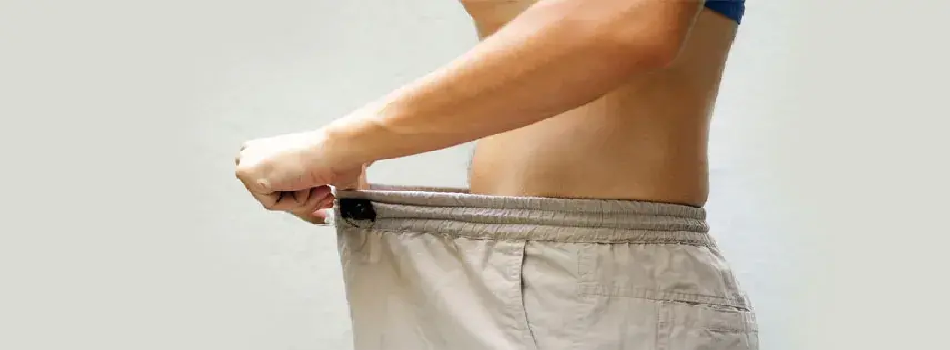
Setting realistic expectations is critical for patient satisfaction. According to Mayo Clinic specialists, penile lengthening surgery provides modest visible length gains—typically 1-2 centimeters (approximately 0.4-0.8 inches) in the flaccid state.
What to Expect
Visible length increase
- Average gain: 1-2 cm (0.4-0.8 inches) flaccid
- Best candidates may achieve up to 3 cm (1.2 inches)
- Erect length typically unchanged
- Gains may partially diminish if suspensory ligament reattaches
Timeline for results
- Initial results visible: 4-6 weeks post-op
- Early settling: 2-3 months as swelling resolves
- Final results: 6-12 months after surgery
- Maintenance may require traction devices in early healing
Patient satisfaction rates
- Range widely from 30-80% depending on study and procedure
- Higher satisfaction when combined with girth enhancement
- Lower satisfaction when expectations are unrealistic
- Three-piece inflatable penile implants show 76.2% satisfaction rates for functional restoration
Factors affecting results:
- Individual anatomy and healing capacity
- Surgical technique and surgeon skill
- Adherence to post-operative instructions (especially traction device use)
- Whether combination procedures are performed
- Realistic vs. unrealistic pre-operative expectations
Long-Term Outcomes
5-year data indicates:
- Most length gains are maintained if proper technique used
- Some gradual loss possible (10-20% of initial gain) due to scar contracture
- Revision rates approximately 15-25% for aesthetic refinements
- Patient satisfaction tends to improve over time as psychological adjustment occurs
10-year data is limited but suggests:
- Stable results in patients who maintain traction protocols
- Gradual appearance changes due to normal aging
- Low rates of late-onset complications after first 2 years
Frequently Asked Questions
Is penile lengthening surgery safe?
While the procedure is generally considered safe when performed by qualified surgeons, a systematic review published in the Journal of Clinical Medicine found a 71.8% overall complication rate across penile enhancement procedures. Major medical organizations, including the American Urological Association, caution that risks often outweigh benefits for purely cosmetic cases. The safest approach is to carefully select a board-certified plastic surgeon or urologist with specific experience in penile surgery.
How much length can I realistically gain?
According to Mayo Clinic experts, most patients gain 1-2 centimeters (0.4-0.8 inches) of visible flaccid length. Erect length typically does not change significantly. Claims of dramatic length increases (3+ inches) are unrealistic and should be viewed with skepticism. Combining lengthening with pubic fat pad removal may provide additional visible improvement in some patients.
Does penile lengthening surgery affect erectile function?
The surgery should not affect erectile function when performed correctly, as it does not involve the corpora cavernosa (erectile chambers). However, temporary erectile dysfunction can occur in 5-10% of patients due to swelling, nerve trauma, or psychological factors during recovery. Permanent ED is rare (<1% of cases) but represents a serious risk, particularly in complex combination procedures. Patients with pre-existing ED are generally not good candidates.
How long until I can resume sexual activity?
According to the Cleveland Clinic and most surgical protocols, patients must wait minimum 60 days before resuming any sexual activity, including masturbation. Premature sexual activity can disrupt healing, cause bleeding, increase infection risk, and potentially compromise results. Most surgeons clear patients for sexual activity at the 8-week post-operative mark, provided healing is progressing normally.
Are there non-surgical alternatives to penile lengthening?
Yes, though results are generally more modest. Medical literature indicates that penile traction devices (extenders) offer a favorable safety profile and can provide sustainable length gains of 1-2 cm with consistent use over several months. Unlike surgery, extenders carry minimal risk but require dedicated daily use for 4-8 hours. Other non-surgical options include vacuum pumps (temporary effects) and Penuma/Himplant silicone implants (FDA-cleared for girth enhancement). For men concerned about true micropenis (<2.5 SD below mean), medical evaluation for hormonal or genetic causes is recommended before cosmetic intervention.
What’s the difference between cosmetic lengthening and gender confirmation phalloplasty?
These are entirely different procedures. Cosmetic penile lengthening is a relatively minor 1-2 hour procedure for cisgender men seeking aesthetic enhancement. Gender confirmation phalloplasty is a complex, multi-stage reconstruction for transgender men involving creation of a neophallus using grafts from arm, thigh, or back tissue, requiring multiple surgeries over 1-2 years and costing $50,000-$100,000+. The two procedures share the name “phalloplasty” but have vastly different complexity, risk profiles, and outcomes. This guide addresses only cosmetic lengthening.
For additional cosmetic surgery options, explore our procedures directory or surgery guides.
Important Disclaimer
This content is for informational purposes only and does not constitute medical advice, diagnosis, or treatment. Penile lengthening surgery is a serious medical procedure with significant risks and potential complications. The information presented here is based on current medical literature and professional guidelines, but individual results vary widely based on anatomy, surgeon skill, healing capacity, and adherence to post-operative instructions.
Always consult with a qualified, board-certified plastic surgeon or urologist to discuss your specific situation, medical history, and realistic expectations. Do not undergo any surgical procedure based solely on information from websites, including this page. The authors and publishers of this content are not responsible for any decisions made based on this information.
Surgery carries risks including infection, scarring, nerve damage, erectile dysfunction, and unsatisfactory aesthetic outcomes. Complication rates for penile enhancement surgeries are significant (up to 71.8% in some studies). Carefully weigh benefits against risks and explore non-surgical alternatives before proceeding.