
Men's Cosmetic Procedures Guide | Gynecomastia, Hair Transplant & Body Contouring
Explore comprehensive guide to men's cosmetic procedures including gynecomastia surgery, hair transplantation, and male body contouring with costs, risks, and recovery.
Men’s cosmetic procedures have evolved significantly, with men now accounting for approximately 14% of all aesthetic procedures globally and over 750,000 cosmetic procedures performed in the United States alone in 2024 according to ASPS statistics. From facial rejuvenation and body sculpting to hair restoration, these procedures are specifically designed to address unique male aesthetic concerns while preserving natural masculine features.
Overview
Men’s cosmetic procedures encompass both surgical and non-surgical treatments tailored to male anatomy and aesthetic goals. Unlike procedures designed for women, men’s treatments focus on enhancing masculine characteristics—such as jawline definition, chest contour, and hair restoration—while maintaining subtle, natural-looking results.
The most popular surgical procedures for men include gynecomastia surgery (male breast reduction), hair transplantation, liposuction for body contouring, and facelifts. Minimally invasive options like Botox and dermal fillers have also gained tremendous popularity, with neuromodulator injections remaining the favored non-surgical treatment in 2024.

Global aesthetic procedures reached nearly 38 million in 2024, representing a 40% increase from 2020, indicating the growing acceptance and accessibility of cosmetic treatments for men across all demographics.
Candidacy
Ideal candidates for men’s cosmetic procedures should meet the following criteria:
- Good Physical Health: Candidates should be in good overall health without medical conditions that could impair healing or increase surgical risks
- Realistic Expectations: Understanding that procedures enhance rather than perfect appearance is essential for satisfaction
- Stable Weight: For body contouring procedures like liposuction, candidates should be at or near their ideal weight
- Non-Smokers: Smoking significantly increases surgical risks and impairs healing; many surgeons require patients to quit smoking before surgery
- Committed to Aftercare: Willingness to follow post-operative instructions and attend follow-up appointments is crucial
- Emotional Readiness: Candidates should pursue procedures for personal reasons, not external pressure or relationship issues
Specific procedures have additional requirements. For gynecomastia surgery, candidates should have persistent excess breast tissue despite diet and exercise. Hair transplantation candidates should have sufficient donor hair at the back or sides of the scalp.
The Procedure
Initial Consultation
Your journey begins with a comprehensive consultation where your surgeon will evaluate your anatomy, discuss your aesthetic goals, review your medical history, and recommend appropriate treatment options. This is the time to ask questions about the procedure, expected outcomes, recovery timeline, and costs.
The consultation typically includes:
- Physical examination of treatment areas
- Review of medical history and medications
- Discussion of surgical goals and expectations
- Photography for medical records
- Explanation of procedure details, anesthesia, and recovery
- Cost breakdown including surgical, facility, and anesthesia fees

Pre-Procedure Preparation
Preparation varies by procedure but generally includes:
- Medical Clearance: Laboratory tests and medical evaluation for surgical procedures
- Medication Adjustments: Stopping blood thinners, anti-inflammatory drugs, and supplements that increase bleeding risk
- Lifestyle Modifications: Quitting smoking 4-6 weeks before surgery, maintaining stable weight
- Arranging Recovery Support: Planning for transportation home and assistance during initial recovery
- Preparing Recovery Space: Setting up comfortable recovery area with necessary supplies
Anesthesia and Procedure Steps
Anesthesia choice depends on procedure complexity:
Local Anesthesia: Used for minor procedures like Botox, fillers, and small-area liposuction. You remain awake but the treatment area is numbed.
Conscious Sedation (Twilight Anesthesia): Used for medium-complexity procedures like some hair transplants and limited liposuction. You’re relaxed and drowsy but responsive.
General Anesthesia: Required for extensive procedures like gynecomastia surgery, full facelifts, and extensive body contouring. You’re completely asleep throughout the procedure.
Typical Procedure Steps by Type:
-
Gynecomastia Surgery (2-3 hours): Excision of excess glandular tissue and fat, liposuction for contouring, sometimes combined with areola reduction
-
Hair Transplantation (4-8 hours): Harvesting donor follicles (FUE or FUT method), creating recipient sites, transplanting grafts, and applying dressings
-
Male Liposuction (1-3 hours): Small incisions, tumescent fluid injection, fat removal via cannula, compression garment application
-
Facelift (3-5 hours): Incisions around ears and possibly under chin, tissue tightening, excess skin removal, incision closure
Recovery Timeline
Recovery varies significantly by procedure type and extent. Here’s what to expect:
Gynecomastia Surgery Recovery
- Days 1-3: Significant swelling, bruising, and discomfort; wear compression vest continuously
- Week 1: Return to light activities; most men return to desk jobs within 1 week
- Weeks 2-4: Gradual return to normal activities; swelling subsides significantly
- Weeks 4-6: Resume exercise and heavy lifting; final contour becomes visible
- 3-6 Months: Complete healing; final results fully apparent
Hair Transplantation Recovery
- Days 1-7: Scabs form around grafts; mild swelling possible; gentle washing begins
- Weeks 2-3: Transplanted hair sheds (shock loss); this is normal and temporary
- Months 3-5: New hair growth begins; thin, fine hair initially
- Months 6-12: Significant hair growth; hair thickens and matures
- 12-18 Months: Full results visible; final hair density achieved
Liposuction Recovery
- Days 1-7: Wear compression garment continuously; soreness and swelling expected
- Week 2: Return to work; swelling begins to subside
- Weeks 3-4: Light exercise resumed; compression garment worn part-time
- Weeks 6-8: Normal activities resumed; significant improvement visible
- 3-6 Months: Final results achieved; skin retracts fully
Facelift Recovery
- Days 1-7: Significant swelling, bruising; head elevated; drains possibly used
- Week 2: sutures removed; return to light activities; still noticeable swelling
- Weeks 3-4: Gradual return to social activities; bruising fades
- Weeks 6-8: Normal exercise resumed; final contour emerging
- 3-6 Months: Complete healing; natural, refreshed appearance

Risks & Complications
All surgical procedures carry inherent risks. Men’s cosmetic procedures generally have low major complication rates when performed by qualified surgeons, but understanding potential complications is essential.
General Surgical Risks
- Bleeding/Hematoma: Blood collection requiring drainage; more common in patients taking blood thinners
- Infection: Rare but serious; requires antibiotics and possible additional surgery
- Anesthesia Complications: Reaction to anesthesia, breathing difficulties, or cardiovascular issues
- Poor Wound Healing: Delayed healing, widened scars, or wound separation
- Numbness or Nerve Damage: Temporary or permanent sensation changes in treated areas
Procedure-Specific Risks
Gynecomastia Surgery:
- Contour irregularities or asymmetry
- Recurrence of breast tissue (uncommon but possible)
- Permanent nipple sensation changes
- Scarring (usually minimal and well-concealed)
Hair Transplantation:
- “Shock loss” of existing hair (usually temporary)
- Unnatural hair growth pattern if poorly placed
- Scarring in donor area (minimal with FUE technique)
- Follicle graft failure (rare with experienced surgeons)
Liposuction:
- Contour irregularities or uneven fat removal
- Fat necrosis (hardened areas)
- Skin looseness if skin elasticity is poor
- Fluid accumulation (seroma)
Facelift:
- Facial nerve injury (rare and usually temporary)
- Hairline distortion near incisions
- Earlobe shape changes
- Visible scarring (usually well-hidden)
Minimizing Risks
- Choose a board-certified plastic surgeon with extensive experience in men’s procedures
- Follow all pre-operative and post-operative instructions precisely
- Disclose complete medical history and medications
- Avoid smoking before and after surgery
- Attend all follow-up appointments
- Report any concerning symptoms promptly
Cost
Men’s cosmetic procedure costs vary widely based on geographic location, surgeon expertise, facility type, and procedure complexity. According to ASPS data, here are typical cost ranges:
Surgical Procedure Costs
| Procedure | Average Cost | Price Range |
|---|---|---|
| Gynecomastia Surgery | $5,587 | $6,000 - $12,000 |
| Hair Transplantation | $4,000 - $15,000 | $4,000 - $20,000+ |
| Male Liposuction | $3,500 - $7,000 | $3,000 - $10,000 |
| Facelift | $8,000 - $15,000 | $7,000 - $20,000 |
| Rhinoplasty | $5,500 - $8,000 | $5,000 - $15,000 |
| Eyelid Surgery (Blepharoplasty) | $4,000 - $5,500 | $3,500 - $7,000 |
Note: Costs include surgeon’s fee, anesthesia, operating room facilities, and other related expenses. Actual costs vary significantly by location and provider.
Non-Surgical Procedure Costs
| Procedure | Average Cost | Duration |
|---|---|---|
| Botox (per area) | $400 - $600 | 3-4 months |
| Dermal Fillers (per syringe) | $600 - $800 | 6-18 months |
| Kybella (double chin) | $1,500 - $2,500 | Permanent |
| Laser Skin Resurfacing | $1,000 - $3,000 | Varies |
| Chemical Peels | $300 - $1,000 | Varies |
Medical Tourism Considerations
Many men seek cosmetic procedures abroad for significant cost savings. Popular destinations like Thailand, India, Mexico, and Turkey offer procedures at 40-70% less than U.S. prices. However, thorough research into facility accreditation, surgeon credentials, and post-operative care planning is essential.
Consider additional costs when budgeting:
- Pre-operative medical tests
- Prescription medications
- Compression garments and supplies
- Post-operative appointments
- Possible revision surgery
- Travel expenses (for medical tourism)
Most health insurance plans consider cosmetic procedures elective and do not provide coverage. However, if a procedure addresses functional issues (such as gynecomastia causing pain or emotional distress), partial coverage might be available.
Expected Results
Results from men’s cosmetic procedures can be transformative when performed by skilled surgeons. Here’s what to expect from popular treatments:
Gynecomastia Surgery Results
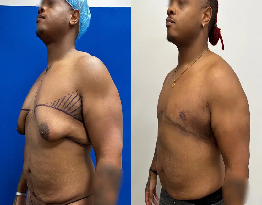
Men typically achieve a flatter, firmer, more masculine chest contour with gynecomastia surgery. Results are considered permanent, though significant weight gain or hormonal imbalances can cause recurrence. Most patients report significant improvement in self-confidence and comfort with shirtless activities.
The procedure removes excess glandular tissue and fat, creating a chest contour that appears natural and proportionate to the rest of the body. Scarring is typically minimal and well-concealed around the areola or in the natural chest crease.
Hair Transplantation Results
Full results from hair transplantation take 12-18 months to develop. The transplanted hair grows naturally, can be cut and styled normally, and is permanent because the transplanted follicles are resistant to the hormonal factors that cause hair loss.
The FUE (Follicular Unit Extraction) technique minimizes scarring, making it possible to wear hair very short without visible donor scars. Patients achieve a fuller, more youthful hairline and improved density in thinning areas.
Liposuction Results
Male liposuction permanently removes fat cells from treated areas. Once removed, these cells do not return. However, remaining fat cells can still expand with significant weight gain, so maintaining a stable weight is crucial for lasting results.
Men typically achieve a more defined, athletic appearance with enhanced muscle visibility in the abdomen, flanks, and chest areas. Skin typically retracts well in men without significant weight loss history.
Facelift Results
Modern male facelift techniques provide natural rejuvenation without the “operated” look. Results typically last 7-10 years, though the aging process continues. Men benefit from tighter facial contours, reduced jowling, and improved neck definition.
The key to natural male facelift results is preserving some masculine features while addressing specific aging concerns. Excessive tightening or over-correction can create an unnatural appearance, so choosing a surgeon experienced with male facial anatomy is crucial.
Injectable Treatment Results
Botox and fillers provide subtle but noticeable improvements. Results appear within days for neuromodulators and immediately for fillers. Maintenance treatments every 3-6 months are necessary for continued benefits.
These treatments enhance masculine features like jawline definition and can reduce dynamic wrinkles that make men appear angry or tired. Results are temporary but can be maintained indefinitely with regular treatments.

FAQ
Are cosmetic procedures for men different from women’s procedures?
Yes, men’s cosmetic procedures differ significantly in approach and goals. Men typically require more conservative treatment to maintain masculine features. For example, male facelifts avoid the overly tight look sometimes seen in women’s procedures, male rhinoplasty preserves a stronger nasal bridge, and male liposuction targets different areas (abdomen and flanks rather than hips and thighs). The anatomical differences—thicker skin, different fat distribution, and distinct hair growth patterns—require specialized surgical techniques.
How long do results from men’s cosmetic procedures last?
Longevity varies by procedure. Surgical procedures like gynecomastia surgery and hair transplantation provide permanent results. Liposuction permanently removes fat cells from treated areas, though weight gain can affect remaining fat cells. Facelifts typically last 7-10 years before aging progresses. Non-surgical treatments like Botox and fillers require maintenance every 3-6 months. Maintaining a stable weight, healthy lifestyle, and following post-operative care instructions helps maximize longevity.
Is it safe to travel abroad for men’s cosmetic procedures?
Medical tourism for cosmetic procedures can be safe with proper planning and research. Choose facilities with international accreditation (such as JCI), board-certified surgeons with significant experience, and comprehensive post-operative care protocols. Factor in additional recovery time before returning home (usually 7-14 days), and arrange follow-up care with a local physician. Cost savings can be substantial, but never compromise on surgeon qualifications or facility standards to reduce costs.
What should I look for when choosing a surgeon for men’s cosmetic procedures?
Choose a board-certified plastic surgeon with specific experience performing procedures on men. Review before-and-after photos of male patients, not general patient galleries. Check surgeon credentials with the American Society of Plastic Surgeons or your country’s equivalent board. Schedule consultations with multiple surgeons to compare approaches, costs, and comfort levels. Ensure the surgeon operates in accredited facilities and has hospital privileges. A surgeon who specializes in or frequently performs procedures on male patients will better understand masculine aesthetic goals.
Will men’s cosmetic procedures affect sensation?
Temporary sensation changes are common after most surgical procedures. Numbness, tingling, or hypersensitivity typically resolves within weeks to months as nerves heal. Permanent sensation changes are rare but possible, particularly with gynecomastia surgery (nipple area) and facelifts (ear and cheek area). Hair transplantation does not affect scalp sensation significantly. Injectable treatments rarely affect sensation. Your surgeon should discuss potential sensation changes specific to your planned procedure during consultation.
How soon can I return to work after men’s cosmetic procedures?
Return to work varies by procedure type and job demands. For desk jobs, most men return within 1-2 weeks after liposuction or hair transplantation, and 2-3 weeks after gynecomastia surgery or facelift. Physically demanding jobs requiring heavy lifting may require 4-6 weeks off. Injectable treatments typically allow immediate return to work. Plan for adequate recovery time before scheduling procedures, and arrange flexible work arrangements if possible. Your surgeon will provide specific guidance based on your procedure and occupation.
Important Disclaimer
The content provided in this guide is for informational purposes only and does not constitute medical advice, diagnosis, or treatment. Men’s cosmetic procedures are medical treatments that carry risks and potential complications. Individual results vary significantly based on anatomy, surgeon skill, adherence to post-operative instructions, and other factors.
Always consult with a qualified, board-certified plastic surgeon or licensed medical professional to discuss your specific situation, medical history, and aesthetic goals. The cost ranges, recovery timelines, and outcome descriptions provided are general estimates and should not be considered guarantees for your individual case.
This guide does not replace professional medical consultation, examination, or advice. Do not make medical decisions based solely on this information. Verify all information with qualified medical providers and carefully review all informed consent materials before proceeding with any cosmetic procedure.
Links to third-party websites are provided for convenience only. We do not endorse, control, or take responsibility for the content, accuracy, or practices of these external sites. Medical information changes rapidly; always verify current information with qualified healthcare providers.