
Face Lift Surgery | Rhytidectomy Guide
Face lift surgery (rhytidectomy) reduces facial aging by removing excess skin and tightening tissues. Learn about procedures, recovery, risks, costs, and results.




Overview
A face lift, or rhytidectomy, is a cosmetic surgical procedure designed to reduce visible signs of aging in the face and neck. During the procedure, excess loose skin is removed, underlying tissues are tightened, and the skin is re-draped for a smoother, more youthful appearance[1][2].
Face lift surgery addresses specific aging concerns including:
- Skin relaxation in the face and neck
- Deep folds from the nose to the corner of the mouth (nasolabial folds)
- Jowling - sagging jawline
- Loose skin and excess fatty deposits under the chin and jaw
- Loss of muscle tone in the lower face
While a face lift can significantly rejuvenate your appearance, it does not stop the aging process entirely. Many patients combine facelifts with other procedures like eyelid surgery or brow lifts for comprehensive facial rejuvenation.
Candidacy
Ideal candidates for face lift surgery meet specific criteria to ensure optimal results and safe healing[3]:
Good candidates typically:
- Are physically healthy with no medical conditions that impair healing
- Are non-smokers or willing to quit before and after surgery
- Have realistic expectations about what surgery can achieve
- Have good skin elasticity and underlying bone structure
- Are bothered by visible signs of facial aging
Age considerations: Most facelift patients are between 40 and 75 years old, though the procedure can be appropriate for younger patients with premature aging or older patients in excellent health[3].
You may NOT be a good candidate if you:
- Have serious medical conditions (heart disease, diabetes, bleeding disorders)
- Smoke or use tobacco products (significantly increases complication risk)
- Have unrealistic expectations about results
- Plan substantial weight loss
- Have very poor skin elasticity
The Surgery
Surgical Techniques
Traditional Face Lift involves:
- Incisions typically beginning at the temples, extending around the ear, and ending in the lower scalp
- Lifting and repositioning the skin
- Tightening or removing excess fat
- Securing tissues in their elevated position with sutures
- Redraping skin and removing excess
Deep Plane Face Lift is an advanced technique where:
- The surgeon lifts a composite flap of skin, muscle, and fat as a single unit
- Deeper tissues (SMAS - superficial musculoaponeurotic system) are repositioned
- Results are typically more durable, lasting 10-15 years or longer
- Often provides more natural-looking results with less tension on the skin[4]
Limited Incision (Mini) Face Lift:
- Shorter incisions around the ears
- Focuses on specific areas like jowls or neck
- Less invasive with faster recovery
- Suitable for patients with less advanced aging
Procedure Details
Anesthesia: Typically performed under general anesthesia or local anesthesia with sedation.
Duration: The procedure typically takes 2-4 hours depending on the extent of surgery and whether combined with other procedures[1].
Hospital Stay: Often performed as an outpatient procedure, though some patients may require an overnight stay for monitoring.
Recovery
Immediate Post-Operative Period (Days 1-7)
- Bandages wrapped around the face to minimize swelling and bruising
- Drainage tubes may be placed to remove excess fluid (usually removed within 1-2 days)
- Pain medication and antibiotics prescribed
- Head elevation required (sleep with head elevated on 2-3 pillows)
- Ice packs applied to reduce swelling
Short-Term Recovery (Weeks 1-2)
- Swelling and bruising typically peak at 48-72 hours, then gradually improve
- Sutures removed (usually 5-10 days post-surgery)
- Most patients return to light activities within 7-10 days
- Avoid strenuous exercise and heavy lifting for 2-3 weeks
- Some numbness in the skin is normal and temporary[5]
Medium-Term Recovery (Weeks 3-4)
- Visible swelling begins to descend from the face to neck area
- Bruising fades significantly
- Most normal activities can be gradually resumed
- Return to work typically within 2-3 weeks (depending on job requirements)
- Final results still developing - patience required
Long-Term Recovery (Months 2-3)
- Continued refinement of results
- Residual subtle swelling continues to resolve
- Incision lines mature and fade
- Final results typically visible around 6 months post-surgery
- Scars continue to improve for up to 1 year
Risks & Complications
Common Risks
All surgical procedures carry inherent risks. Face lift complications include[6][7]:
- Bleeding (hematoma) - most common complication, especially in men
- Infection at incision sites or beneath the skin
- Poor wound healing and skin loss
- Adverse reaction to anesthesia
- Fluid accumulation (seroma)
- Prolonged swelling
- Skin irregularities or contour asymmetry
- Skin discoloration that may be temporary or permanent
Nerve-Related Risks
- Facial nerve injury - can cause temporary or permanent facial weakness
- Numbness in facial skin - usually temporary but can be permanent
- Facial asymmetry due to uneven healing
- Temporary or permanent hair loss around incision sites
Serious but Rare Complications
- Deep vein thrombosis (DVT) - blood clots in legs
- Pulmonary embolism - clot travels to lungs
- Stroke or heart attack during surgery
- Need for blood transfusion
- Significant scarring requiring revision surgery
Risk Factors: Smoking, age, male gender, hypertension, and certain medications increase complication risk.
Cost
According to the American Society of Plastic Surgeons 2024 statistics, face lift surgery costs vary significantly based on:
- Geographic location - costs vary by region and country
- Surgeon’s experience and credentials
- Facility type (hospital vs. surgical center)
- Anesthesia fees
- Extent of procedure (full vs. mini facelift)
- Combined procedures (eyelids, brow, forehead lift)
ASPS 2024 data indicates surgeon fees for face lift procedures typically range from $8,000-$15,000+, with total costs (including anesthesia, facility fees, medical tests, prescriptions) potentially reaching $15,000-$25,000 or more[8].
Medical tourism considerations: Patients seeking cosmetic surgery abroad may find lower costs, but must carefully factor in travel expenses, accommodation, follow-up care requirements, and potential risks of having surgery far from home.
Insurance coverage: Face lifts are considered cosmetic procedures and are typically NOT covered by medical insurance. Some exceptions exist for medically necessary reconstructive procedures.
Results
Longevity of Results
Face lift results are long-lasting but not permanent. Most facelifts provide visible rejuvenation for 8-15 years depending on factors[9]:
Results typically last:
- 8-12 years for traditional techniques
- 10-15+ years for deep plane facelifts
- 5-8 years for mini or limited incision lifts
Influencing factors:
- Surgical technique used
- Individual anatomy and tissue quality
- Genetics and natural aging rate
- Sun exposure and skincare habits
- Smoking status
- Weight fluctuations
Expected Outcomes
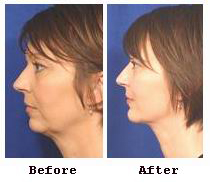
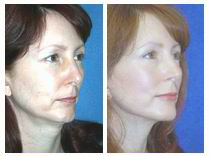
A successful facelift should:
- Create a more rested, rejuvenated appearance
- Reduce jowls and restore jawline definition
- Smooth deep folds and wrinkles
- Remove excess neck skin and fat
- Look natural - not “pulled” or artificial
Important: You will continue to age after surgery, but will always look younger than you would have without the procedure. Studies show 76% of patients still appear younger 5.5 years post-surgery compared to their pre-operative appearance[9].
Maintenance Procedures
Many patients choose secondary facelifts approximately 10 years after their initial procedure to maintain results. Secondary facelifts are generally successful and can provide continued rejuvenation[9].
FAQ
How long does a face lift last?
Most face lift results last 8-15 years depending on surgical technique, individual factors, and lifestyle. Deep plane facelifts tend to provide the longest-lasting results at 10-15+ years. Traditional facelifts typically last 8-12 years, while mini lifts may last 5-8 years[9].
Is a face lift painful?
Most patients report moderate discomfort rather than severe pain. Pain medication is prescribed for the first few days. By week 2, most patients only need over-the-counter pain relievers. The procedure is performed under anesthesia, so you feel nothing during surgery itself.
When can I return to work after a face lift?
Most patients return to work within 2 weeks. Those with sedentary jobs may return in 7-10 days. Jobs requiring physical activity or public interaction may require 3-4 weeks. Complete recovery and final results take 6 months, but you’ll be presentable in public much sooner[5].
Will I have visible scars after a face lift?
Incisions are strategically placed in natural creases, within the hairline, or around the ears to minimize visibility. Scars are permanent but typically fade significantly over 6-12 months. Most patients report scars are well-concealed and acceptable. Poor scarring is uncommon but possible.
Am I too old for a face lift?
There’s no upper age limit for facelift surgery if you’re in good health. Patients in their 70s and even early 80s can be good candidates if medically cleared. The determining factor is overall health rather than chronological age[3].
What’s the difference between a face lift and a neck lift?
A face lift addresses the entire face and neck, while a neck lift focuses only on the neck and jawline area. Many surgeons combine both procedures. Some patients with good facial skin but neck concerns may only need a neck lift. Discuss your specific concerns with a board-certified plastic surgeon.
Important Disclaimer
This content is for informational purposes only and does not constitute medical advice. Face lift surgery is a serious medical procedure that carries risks and requires careful consideration. Always consult with a qualified, board-certified plastic surgeon to discuss your individual circumstances, health status, and goals. Results vary significantly among individuals. The costs, techniques, and outcomes mentioned are general guidelines and may not apply to your specific situation. Verify all information with qualified healthcare providers and licensed facilities.