
Egypt Medical Tourism Guide | Cosmetic Surgery Costs & Top Hospitals 2025
Discover Egypt as a premier medical tourism destination for cosmetic surgery. Learn about costs, accredited hospitals, top procedures, and travel tips for international patients seeking quality affordable care.


Egypt has emerged as a leading destination for medical tourism, particularly in the field of cosmetic surgery. The country generated $204.52 million in revenue from cosmetic treatments in 2024, making it the largest segment in Egypt’s health tourism market. International patients are increasingly choosing Egypt for its combination of highly skilled surgeons, modern medical facilities, and significant cost savings—often 50-80% less than comparable procedures in the United States or Europe.
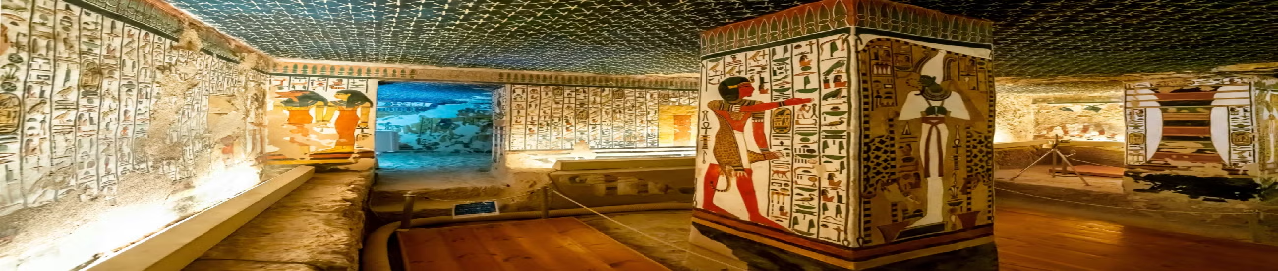
What sets Egypt apart is the unique ability to combine world-class medical care with an unforgettable cultural experience. Patients can undergo transformative cosmetic procedures and recover amidst some of the world’s most iconic historical sites, from the Pyramids of Giza to the tranquil Nile River. Egypt’s healthcare infrastructure has evolved to meet international standards, with several hospitals achieving prestigious accreditations and surgeons who trained and practiced at leading medical institutions worldwide.
Why Choose Egypt for Cosmetic Surgery?
Egypt has become a preferred destination for cosmetic surgery due to its unique combination of medical excellence, affordability, and rich cultural heritage. Here are the key factors that make Egypt stand out:
Expert Surgeons with International Credentials
Egypt’s cosmetic surgeons are highly qualified, with many having completed fellowships and training programs at renowned medical institutions across Europe, the United States, and the Middle East. The Egyptian government has launched the “In Egypt We Care” platform to showcase board-certified plastic surgeons who deliver exceptional aesthetic outcomes. Board certification signals specialized training and accountability beyond basic medical licensure, ensuring higher safety standards for international patients.
Internationally Accredited Medical Facilities
Egypt’s healthcare system includes hospitals with prestigious Joint Commission International (JCI) accreditation, recognized globally as the gold standard in healthcare quality. Notable JCI-accredited facilities include:
- Children’s Cancer Hospital 57357 - Received JCI accreditation for the 3rd consecutive time
- As-Salam International Hospital-Maadi - Achieved its fourth JCI accreditation, demonstrating sustained commitment to international quality standards
- Magrabi Hospital - Part of the Magrabi network, documented for quality improvements
Egypt has also introduced a “Sustainable Medical Tourism Label” that sets standards for quality care and environmental practices in healthcare facilities participating in medical tourism.
Exceptional Cost Savings
The most compelling advantage of choosing Egypt for cosmetic surgery is the significant cost savings. Patients can typically save 50-80% compared to prices in the United States and Europe, making high-quality cosmetic procedures accessible to a broader range of patients.
Personalized Patient-Centered Care
Egyptian medical facilities emphasize individualized treatment plans, with surgeons and medical staff working closely with patients throughout their journey. Medical tourism providers like EgyHealthGate help international patients compare accredited hospitals, coordinate treatment plans, and manage the entire process from initial consultation to post-operative follow-up.
Rich Cultural Recovery Experience
Patients can combine their cosmetic surgery journey with Egypt’s unparalleled historical and cultural attractions. The country’s year-round sun and dry climate provide ideal conditions for post-operative recovery, with opportunities to explore ancient monuments while recuperating in comfort.
Popular Cosmetic Surgery Procedures in Egypt
Egypt’s medical tourism facilities offer a comprehensive range of cosmetic procedures, from complex surgical transformations to minimally invasive treatments. According to global plastic surgery statistics, the most popular procedures among international patients include:
Rhinoplasty (Nose Surgery)
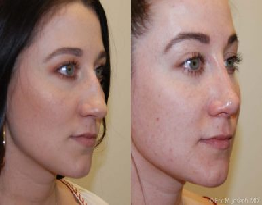
Rhinoplasty is one of the most sought-after cosmetic procedures in Egypt. Patients seek nose reshaping surgery for both aesthetic enhancement and functional improvement of breathing. Egyptian plastic surgeons specialize in creating natural-looking results that harmonize with each patient’s facial features.
Facelift and Facial Rejuvenation
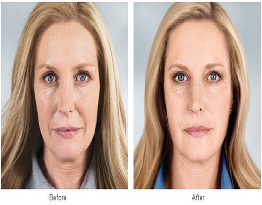
Facelift procedures are popular among patients seeking to restore a more youthful appearance. Egyptian surgeons employ advanced techniques including deep-plane facelifts, mini facelifts, and neck lifts to address sagging skin, wrinkles, and facial contours. These procedures can be combined with non-surgical treatments like Botox and dermal fillers for comprehensive facial rejuvenation.
Breast Surgery
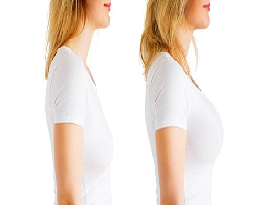
Breast augmentation, reduction, and lift (mastopexy) procedures are widely performed in Egypt. Patients can choose between saline and silicone implants, with surgeons customizing implant type, size, and placement to achieve natural-looking results. Breast reduction surgery is also available for patients seeking relief from physical discomfort caused by overly large breasts.
Body Contouring and Liposuction
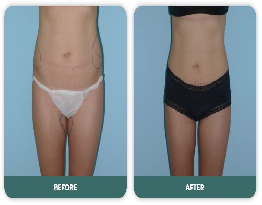
Liposuction remains one of the most popular cosmetic procedures globally, and Egypt is no exception. Surgeons utilize advanced techniques including VASER liposuction, laser-assisted liposuction, and tumescent liposuction to remove stubborn fat deposits and sculpt body contours. Tummy tucks (abdominoplasty) and arm lifts are also frequently requested procedures. Learn more about body contouring procedures available in Egypt.
Non-Invasive and Minimally Invasive Treatments
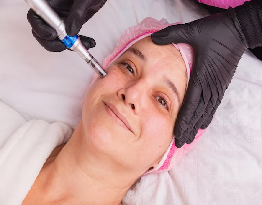
For patients seeking aesthetic improvements without surgery, Egypt’s clinics offer a wide range of non-invasive procedures:
- Botox and dermal fillers for wrinkle reduction and facial volume restoration
- Chemical peels for skin texture improvement
- Laser skin resurfacing for treating sun damage, acne scars, and pigmentation
- Laser hair removal for long-term hair reduction
Explore our complete guide to cosmetic procedures to learn about additional treatment options available in Egypt and internationally.
These treatments typically require minimal downtime, making them popular options for patients with busy schedules or those seeking subtle enhancements.
Estimated Cost Comparison
One of Egypt’s strongest advantages is the significant cost savings compared to Western countries. Here are typical price ranges for popular cosmetic procedures:
| Procedure | Egypt | United States | Europe (UK/EU) |
|---|---|---|---|
| Breast Augmentation | $2,200-$3,500 | $4,875-$10,000+ | €3,310-€5,000 (£3,310-£4,020) |
| Rhinoplasty | $1,000-$3,000 | $3,500-$9,000+ | €4,000-€8,495 (£5,995-£8,495) |
| Liposuction | $1,000-$2,500 | $3,637-$7,000+ | €450+ per area |
Note: Prices vary based on surgeon expertise, facility accreditation, procedure complexity, and geographic location within Egypt. The costs above reflect typical ranges and should be used for comparison purposes only. Always obtain personalized quotes from accredited facilities.
Why Are Costs Lower in Egypt?
Egypt’s ability to offer high-quality care at significantly lower prices is due to several factors:
- Lower operating and facility costs
- Reduced medical malpractice insurance expenses
- Favorable currency exchange rates
- Lower labor costs for medical staff
Despite these lower costs, Egypt’s accredited hospitals maintain international quality standards through JCI accreditation and board-certified surgeons, ensuring patients do not sacrifice quality for affordability.
Top Cities for Medical Tourism
Egypt’s medical tourism infrastructure is concentrated in several key cities, each offering unique advantages for international patients:
Cairo
As Egypt’s capital and largest city, Cairo hosts the highest concentration of JCI-accredited hospitals and internationally trained surgeons. Browse top hospitals in Egypt to compare facilities and read patient reviews. The city offers:
- Multiple JCI-accredited facilities
- Internationally trained plastic surgeons
- Wide range of accommodation options from luxury hotels to recovery centers
- Easy access to Cairo International Airport with global connections
- Proximity to the Pyramids of Giza for cultural experiences during recovery
Alexandria
Egypt’s second-largest city is known for reputable university hospitals and private clinics offering high-quality dental and cosmetic procedures. Alexandria provides:
- Historic Mediterranean coastal setting ideal for recovery
- Established medical facilities with experienced surgeons
- More relaxed pace compared to Cairo
- Access to cultural attractions and waterfront promenades
Luxor
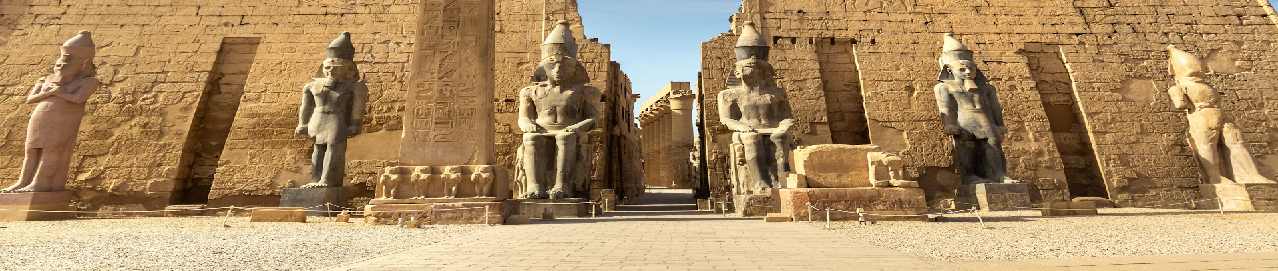
Famous for its ancient Egyptian monuments, Luxor offers medical tourism services alongside unparalleled historical attractions. Patients can combine treatment with visits to the Valley of the Kings and Temples of Karnak during recovery.
Sharm El Sheikh
Located on the Sinai Peninsula, Sharm El Sheikh features Sharm El Sheikh International Hospital with 24/7 emergency services. The city offers:
- Specialized trauma care and gynecological services
- Red Sea coastal environment ideal for restful recovery
- Diving and beach activities (when medically approved)
- Resort-style accommodations for post-operative recovery
Healthcare Accreditation and Quality Standards
Egypt has implemented rigorous quality standards for its medical tourism sector to ensure patient safety and international competitiveness.
JCI Accreditation
Joint Commission International (JCI) accreditation is recognized globally as the gold standard in hospital quality. Only a small percentage of hospitals worldwide achieve this certification. In Egypt, multiple facilities have earned and maintained JCI accreditation through rigorous evaluation processes that assess:
- Patient safety standards
- Quality improvement processes
- Infection control protocols
- Medical staff qualifications
- Facility infrastructure and equipment
Egyptian Quality Initiatives
The Egyptian government has introduced several quality assurance programs:
- “Sustainable Medical Tourism Label” - Sets standards for quality care and environmental practices
- “In Egypt We Care” platform - Official medical tourism initiative featuring board-certified surgeons
- Secretariat of Medical Tourism and Organ Transplant - Oversees quality standards for medical tourism hospitals
Verification for Patients
When selecting a facility in Egypt, international patients should verify:
- Hospital accreditation status (JCI or other recognized international bodies)
- Surgeon board certification and credentials
- Participation in official medical tourism programs
- Adherence to international quality and safety standards
Organizations like EgyHealthGate help international patients compare accredited hospitals and verify credentials before making treatment decisions.
Travel and Visa Requirements
Planning your medical tourism journey to Egypt requires understanding visa requirements and travel logistics.
Passport Requirements
- Validity: Passport must be valid for at least 6 months beyond your intended stay in Egypt
- Blank Pages: At least one empty visa page required for visa stamp
- Copies: May need to provide copies of passport information page
Visa Options
1. Visa on Arrival
- Available for many nationalities including U.S., UK, and EU citizens
- 30-day tourist visa typically issued upon arrival
- Fee must be paid in U.S. dollars cash (amount varies by nationality)
- Check with Egyptian embassy for current requirements specific to your nationality
2. E-Visa
- Can be obtained online before travel through official Egyptian government portal
- Recommended for smoother entry process
- Processing time typically 3-5 business days
- Same 30-day duration as visa on arrival
3. Sinai Only Visa
- Free visa allowing 14-day stay in Sinai Peninsula areas
- Limited to specific regions including Sharm El Sheikh
- Not suitable for medical tourism in Cairo or mainland Egypt
Medical Tourism Considerations
Standard tourist visas are typically sufficient for medical tourism purposes. However, patients should:
- Confirm visa requirements with Egyptian embassy/consulate before travel
- Ensure visa duration covers entire treatment and recovery period
- Carry documentation of medical appointments and hospital correspondence
- Check if any additional requirements apply for extended stays
Important: Visa requirements can change. Always verify current requirements with official Egyptian diplomatic missions close to your travel date.
Best Time to Visit
Egypt’s climate plays an important role in planning your medical tourism journey, particularly for post-surgical recovery.
Optimal Period: October to April
The most popular time to visit Egypt is during the cooler months from October to April, when temperatures are most comfortable:
- Winter (November-February): Cairo averages 66°F (19°C), Luxor averages 73°F (23°C)
- Spring (February-April) & Autumn (October-November): Pleasant weather with manageable crowds
- March and April: Particularly comfortable conditions for outdoor activities
Summer Season (June-August)
- High temperatures make extensive sightseeing challenging
- Better suited for indoor recovery and coastal areas
- Air-conditioned facilities provide comfortable environment for post-operative recovery
Recovery Considerations
- Egypt’s year-round sun and dry climate provide generally favorable conditions for post-operative healing
- Air conditioning is standard in hotels, hospitals, and recovery centers
- Plan light outdoor activities during cooler morning/evening hours
- Avoid direct sun exposure on surgical incisions during initial recovery
Travel Tips for Medical Tourists
Ensuring a safe and successful medical tourism experience requires careful planning and awareness of local conditions.
Health and Safety
- Traveler’s Health: Be aware of common health risks including traveler’s diarrhea, sunburn, dehydration, and insect bites. The U.S. State Department provides current travel advisories and safety information for Egypt.
- Water and Food Safety: Drink only bottled or purified water; avoid tap water even for brushing teeth. Choose well-cooked foods and peeled fruits.
- Medication: Bring sufficient supply of prescribed medications, along with copies of prescriptions.
- Insurance: Verify your health insurance coverage for international medical procedures; consider specialized medical tourism insurance.
Transportation
- Airport Transfers: Arrange airport pickup through your hospital or medical tourism facilitator for reliable transportation.
- Getting Around: Use reputable transportation services recommended by your hospital; avoid poorly lit areas alone at night.
- Recovery Transport: Plan transportation that accommodates your post-surgical mobility limitations.
Communication
- Language: Arabic is the official language, but English is widely spoken in medical facilities and tourist areas.
- Medical Coordination: Many medical tourism providers offer multilingual coordinators to assist international patients.
Cultural Considerations
- Egypt is generally safe for tourists in 2026, especially in major tourist areas like Cairo, Luxor, and Aswan
- Respect local customs and dress modestly in public areas
- Hospital and clinic staff are accustomed to international patients and provide culturally sensitive care
Pre-Travel Preparation
- Consult your local physician before traveling for surgery, especially if you have underlying health conditions
- Arrange post-operative care in your home country before departure
- Share your travel plans with family and keep copies of important documents
- Book accommodations that provide suitable recovery environment
Frequently Asked Questions
Is cosmetic surgery in Egypt safe?
Egypt has internationally accredited hospitals with JCI certification and board-certified surgeons who trained at leading institutions worldwide. The key is selecting accredited facilities and verifying surgeon credentials through platforms like EgyHealthGate.
How much can I save by having surgery in Egypt?
Patients typically save 50-80% compared to U.S. and European prices for equivalent procedures. For example, breast augmentation that costs $6,000-$12,000+ in the U.S. typically costs $2,200-$3,500 in Egypt.
What is the typical recovery time?
Recovery times vary by procedure but generally align with international standards: 1-2 weeks for initial recovery from most procedures, with full recovery taking 4-6 weeks. Your surgeon will provide specific timelines based on your procedure.
Can I combine surgery with sightseeing?
Light sightseeing is possible during recovery periods, but strenuous activities should be avoided. Many patients enjoy visiting the Pyramids or taking Nile cruises during later recovery stages, once medically approved.
What if complications arise after I return home?
Establish a clear follow-up plan with your Egyptian surgeon and coordinate with a local physician in your home country before departure. Many medical tourism providers can help arrange post-operative care coordination.
How do I choose the right hospital and surgeon?
- Verify JCI accreditation status
- Confirm surgeon board certification
- Review before/after photos of previous patients
- Check online reviews from international patients
- Consider working with reputable medical tourism facilitators like EgyHealthGate
Important Disclaimer
The content provided in this guide is for informational purposes only and does not constitute medical advice. Cosmetic surgery decisions should be made in consultation with qualified, licensed healthcare professionals who can assess your individual medical condition, needs, and suitability for specific procedures.
The cost estimates, procedure descriptions, and facility information presented are based on available data at the time of writing and may vary. Always obtain personalized quotes and verify credentials directly with accredited healthcare providers before making medical decisions.
International medical tourism carries inherent risks, including complications during travel, language barriers, differing medical standards, and challenges with follow-up care. Patients should carefully weigh these factors and consult with their local healthcare providers before pursuing treatment abroad.
This guide does not endorse any specific hospitals, surgeons, or medical tourism providers. Patients must conduct their own due diligence in selecting healthcare providers.