
Best Medical Tourism Destinations in India | Top Hospitals for Cosmetic Surgery
India offers world-class cosmetic surgery at 60-80% lower costs than Western countries, with 47+ JCI-accredited hospitals, English-speaking surgeons, and advanced medical facilities across Chennai, Mumbai, Delhi, and other top cities.
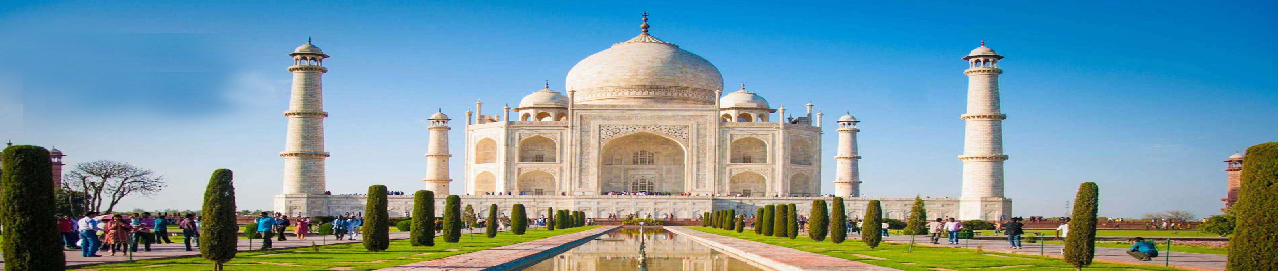



India has emerged as one of the world’s premier destinations for cosmetic surgery, attracting international patients with its unique combination of medical excellence, affordability, and rich cultural heritage. From the advanced healthcare hubs of Chennai and Mumbai to the wellness retreats of Kerala, India offers comprehensive cosmetic surgery options backed by internationally accredited facilities and highly trained surgeons.
The country’s medical tourism industry has experienced remarkable growth, with projections estimating the market will reach $65.1 billion by 2036, up from $20.4 billion in 2026, reflecting the increasing confidence international patients place in India’s healthcare system.
Why Choose India for Cosmetic Surgery?
India’s appeal as a cosmetic surgery destination stems from several compelling advantages that make it an attractive choice for medical tourists worldwide.
Exceptional Cost Savings
The most significant advantage is the substantial cost difference. Cosmetic procedures in India typically cost 60-80% less than identical treatments in the United States, without compromising on quality. For example, rhinoplasty that costs $8,000–$15,000 in the US may be available for approximately $3,000–$6,000 in India. Bundling multiple procedures (such as liposuction with other treatments) can reduce costs by an additional 20-30%, making comprehensive transformations more accessible.
These savings enable patients to combine their treatment with comfortable accommodation, recovery in wellness facilities, and even sightseeing—all while spending less than the procedure alone would cost in their home country.
Internationally Accredited Facilities
India’s commitment to healthcare quality is evidenced by its growing number of accredited facilities. As of 2024, the country boasts 47 JCI-accredited hospitals, many of which also hold NABH (National Accreditation Board for Hospitals & Healthcare Providers) certification. These accreditations ensure adherence to rigorous international standards for patient safety, surgical protocols, and post-operative care.
Prominent accredited facilities include the Apollo Hospitals network (with JCI-accredited centers in Delhi, Hyderabad, and Chennai) and Artemis Hospitals, which features specialized Centers of Excellence for plastic surgery.
Highly Qualified Surgeons
India’s cosmetic surgeons bring impressive credentials to their practice, with many having trained at prestigious institutions in Europe and the United States before returning to practice in India. This international training, combined with high patient volumes, produces surgeons who are both technically skilled and experienced in diverse aesthetic techniques.
Interestingly, India has historical significance in the field of plastic surgery. The ancient physician Sushruta’s treatise, written over 2,500 years ago, provided the first written record of rhinoplasty techniques using forehead flaps—a technique still used in modern nasal reconstruction.
English-Speaking Medical Staff
Language barriers are minimal for medical tourists in India. English is widely spoken throughout the healthcare system, from administrative staff to surgeons and nurses. This linguistic accessibility ensures clear communication about procedures, expectations, and post-operative care—critical factors for successful outcomes and patient peace of mind.
Comprehensive Medical Tourism Infrastructure
India’s medical tourism industry is mature and well-organized. Many hospitals offer comprehensive packages that include:
- Airport transfers and ground transportation
- Assistance with visa processing and documentation
- Luxury accommodation options
- Translation services for non-English speakers
- Dedicated international patient coordinators
- Post-operative follow-up via telemedicine
This turnkey approach allows patients to focus on their treatment and recovery while logistics are managed by experienced professionals.
Popular Cosmetic Surgery Procedures in India
India’s cosmetic surgery clinics offer the full spectrum of aesthetic procedures, with particular strength in the following treatments:
Facial Procedures
Rhinoplasty (Nose Surgery) Rhinoplasty is among the most popular facial procedures in India, sought for both aesthetic refinement and functional correction. Indian surgeons specialize in creating natural-looking results that enhance facial harmony while addressing breathing issues caused by deviated septums or other structural problems. The procedure is available across major cities, with costs typically ranging from $3,000–$6,000, compared to $8,000–$15,000 in Western countries.
Facelifts and Facial Rejuvenation Advanced facelift techniques, including deep-plane and SMAS facelifts, are widely available. Non-surgical options such as Botox, dermal fillers, and laser resurfacing are also commonly performed, offering patients choices based on their goals, budget, and recovery preferences.
Body Contouring
Liposuction and Body Sculpting Liposuction remains one of the most requested procedures, with Indian clinics offering advanced techniques including VASER liposuction, laser-assisted liposuction, and power-assisted liposuction. These methods allow precise fat removal with minimal downtime. Common treatment areas include the abdomen, thighs, arms, and chin.
Tummy Tuck (Abdominoplasty) For patients seeking significant abdominal contouring, full and mini tummy tucks are available, often combined with liposuction for comprehensive results.
Breast Surgery Both breast augmentation and reduction are frequently performed, using high-quality implants and advanced surgical techniques. Indian surgeons excel in achieving natural-looking results appropriate for each patient’s frame and aesthetic goals.
Hair Restoration
Hair Transplantation India has become a leading destination for hair transplantation, with clinics offering both FUE (Follicular Unit Extraction) and FUT (Follicular Unit Transplantation) techniques. The procedure is increasingly popular among women as well, with some clinics reporting that almost one in seven hair transplant patients is female. The high volume of hair restoration procedures performed in India has produced surgeons with exceptional expertise in creating natural, aesthetically pleasing hairlines.
Top Medical Tourism Cities for Cosmetic Surgery
India’s cosmetic surgery excellence is concentrated in several major cities, each offering unique advantages:
Chennai (South India’s Healthcare Hub)
Chennai has earned recognition as “The Healthcare Hub of South India,” particularly renowned for wellness tourism and cosmetic surgery. The city combines advanced medical facilities with a coastal climate and cultural attractions. Its accredited hospitals and specialized clinics attract patients from across Asia, Africa, and the Middle East.
Mumbai (Financial Capital with Premier Healthcare)
As India’s financial capital, Mumbai offers sophisticated healthcare infrastructure alongside world-class accommodation and dining options. The city’s cosmetic surgery centers are known for advanced techniques and luxurious recovery facilities, making it ideal for patients who prefer urban recovery environments.
Delhi-NCR (Capital City with World-Class Facilities)
The National Capital Region, encompassing Delhi and its satellite cities (Gurgaon, Noida), features some of India’s most advanced hospitals. The region combines excellent medical care with proximity to cultural attractions like the Taj Mahal and Rajasthan’s palaces—popular destinations for post-operative recovery travel.
Bengaluru/Bangalore
Known as the “Silicon Valley of India,” Bengaluru offers high-quality cosmetic surgery services in a city famous for its pleasant climate and green spaces. The city’s healthcare sector has grown rapidly, with several JCI-accredited facilities now operating.
Hyderabad
Hyderabad has emerged as a strong contender in medical tourism, combining excellent healthcare with a reputation for hospitality and affordable pricing. The city’s Apollo Hospitals facility is particularly well-regarded for cosmetic procedures.
Kochi and Kerala (Wellness Tourism)
For patients seeking holistic recovery, Kerala’s network of Ayurvedic wellness retreats offers an ideal post-operative environment. The state’s backwaters, tropical climate, and focus on traditional healing practices create a restorative setting for surgical recovery.
Healthcare Quality and Accreditation
India’s commitment to quality healthcare is demonstrated through its robust accreditation landscape:
JCI Accreditation
47 hospitals across India hold Joint Commission International accreditation, including major facilities in:
- Apollo Hospitals (Delhi, Hyderabad, Chennai)
- Artemis Hospitals (Gurgaon)
- Fortis Healthcare (multiple locations)
- Max Healthcare (Delhi-NCR)
JCI accreditation signifies adherence to international standards for patient safety, quality improvement, and infection control.
NABH Accreditation
The National Accreditation Board for Hospitals & Healthcare Providers (NABH) is India’s own quality standards body. Many top hospitals maintain both JCI and NABH certifications, demonstrating commitment to both international benchmarks and national standards.
Specialized Centers
Some hospitals feature dedicated Centers of Excellence for plastic and cosmetic surgery, offering focused expertise, specialized equipment, and multidisciplinary teams for complex cases.
Medical Visa and Travel Requirements
India offers a streamlined medical visa process for international patients:
e-Medical Visa
The e-Medical Visa is an electronic authorization available to citizens of most countries:
Key Features:
- Validity: Up to 60 days from date of issue
- Entries: Triple entry permitted during validity
- Cost: Approximately $80 USD (varies by nationality)
- Processing: Apply through the official portal: indianvisaonline.gov.in
Required Documents:
- Completed visa application form
- Valid passport with at least six months validity
- Recent passport-sized photograph
- Medical referral from home country physician
- Letter from Indian hospital indicating treatment plan and tentative admission date
- Proof of financial means to cover treatment costs
Important Notes:
- The visa is specifically for medical treatment; tourism activities are technically secondary but generally permitted
- Registration with local authorities is required if the visa validity exceeds 180 days
- Apply at least 4-7 days before planned travel to account for processing time
Medical Attendant Visa
Family members or companions accompanying patients can apply for a Medical Attendant Visa with similar requirements and validity terms.
Tips for Medical Travelers to India
Pre-Travel Preparation
-
Research Thoroughly: Verify hospital credentials, surgeon qualifications, and accreditation status. Request patient testimonials and before/after photos.
-
Consult Your Home Physician: Discuss your planned procedure with your local doctor, particularly if you have underlying health conditions.
-
Plan for Recovery Time: Allow adequate time for post-operative recovery before planning return travel (typically 7-14 days for most procedures).
-
Arrange Follow-Up Care: Establish a plan for post-operative follow-up, whether through the Indian hospital’s telemedicine services or with a local physician at home.
During Your Stay
-
Choose Accredited Facilities: Select JCI and/or NABH accredited hospitals for your procedure.
-
Verify All Costs: Confirm the total cost including surgeon fees, facility charges, anesthesia, medications, and post-operative care before proceeding.
-
Stay in Touch with Home: Maintain regular communication with family members and keep your home physician informed of your status.
-
Plan Realistic Activities: While sightseeing is appealing, prioritize rest and follow your surgeon’s activity restrictions during recovery.
Post-Return Considerations
-
Follow-Up Care: Establish care with a local physician for suture removal, wound checks, or any complications that may arise after return.
-
Document Your Experience: Keep all medical records, including operative reports and discharge summaries, for future reference.
-
Provide Feedback: Share your experience with your hospital and medical tourism facilitator to help future patients make informed decisions.
Frequently Asked Questions
Is cosmetic surgery in India safe?
Yes, particularly when performed at accredited facilities. JCI-accredited hospitals adhere to the same safety standards as top hospitals in Western countries. Research your surgeon and hospital credentials carefully before proceeding.
How much can I really save?
Savings of 60-80% compared to US prices are typical, though exact amounts vary by procedure and facility. For example, a $10,000 procedure in the US might cost $2,000–$4,000 in India, even including accommodation and travel expenses.
Will language be a problem?
No. English is widely spoken throughout India’s healthcare system, from administrative staff to surgeons and nurses. Communication is generally excellent for English-speaking medical tourists.
How long should I plan to stay?
Most procedures require 7-14 days in India for initial recovery before safe air travel. Your surgeon will provide specific guidance based on your procedure and individual healing progress.
Does insurance cover medical tourism?
Most US insurance plans do not cover elective cosmetic procedures abroad. However, some reconstructive procedures may be covered. Check with your insurance provider regarding your specific situation.
What if complications occur after I return home?
Reputable hospitals offer telemedicine follow-up and can coordinate with your local physicians if complications arise. Ensure you understand the post-operative support system before choosing your facility.
Important Disclaimer
This article is for informational purposes only. Costs, regulations, visa requirements, and medical protocols change frequently. Verify all information with providers, hospitals, and official government sources before making medical travel decisions. Always consult with qualified healthcare providers regarding your individual medical circumstances and treatment options.