
Singapore Medical Tourism Guide | Cosmetic Surgery & Healthcare
Discover Singapore's world-class cosmetic surgery and medical tourism industry. JCI-accredited hospitals, 646,000+ international patients annually, cutting-edge technology.

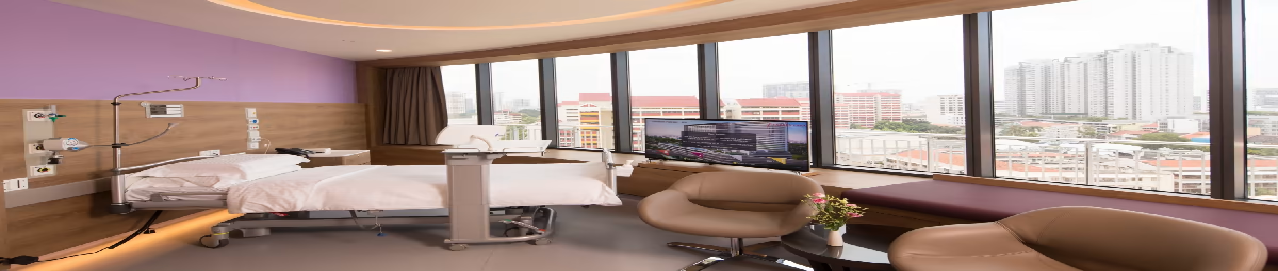

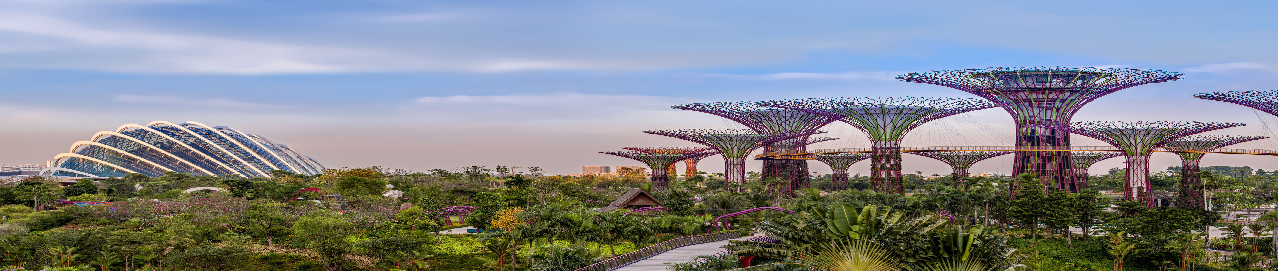
Singapore has emerged as one of the world’s premier destinations for medical tourism, combining world-class healthcare with state-of-the-art technology and internationally accredited facilities. In 2024 alone, the city-state welcomed approximately 646,000 international patients, generating an estimated US$270 million in medical tourism revenue. With its strategic location in Southeast Asia, English-speaking healthcare professionals, and reputation for medical excellence, Singapore offers cosmetic surgery patients a unique combination of advanced medical care, safety, and comfort.
Overview of Singapore’s Medical Tourism Industry
Singapore’s medical tourism sector represents one of the most sophisticated healthcare systems in Asia, built on decades of strategic investment and regulatory excellence. The country’s healthcare infrastructure combines public and private facilities, with approximately 2.6 doctors per 1,000 people—significantly higher than many regional competitors. This medical density ensures that international patients have access to specialized care across numerous disciplines, including cosmetic surgery, oncology, cardiology, and orthopedics.
The nation’s medical tourism success stems from deliberate government policies, including the 2003 launch of the “SingaporeMedicine” initiative—a multi-agency effort involving the Ministry of Health (MOH), Singapore Tourism Board (STB), and Economic Development Board (EDB) to position the country as a global medical hub. This strategic approach has resulted in steady growth, with medical tourism revenue increasing from US$220 million in 2020 to US$270 million in 2024, despite global challenges.
Why Choose Singapore for Cosmetic Surgery?
Singapore distinguishes itself as a cosmetic surgery destination through its exceptional combination of medical expertise, technological advancement, and patient-centered care. The country’s healthcare system consistently ranks among the best globally, with Singapore General Hospital regularly appearing in lists of the world’s top hospitals. For cosmetic surgery patients, this translates to access to board-certified plastic surgeons, many trained at prestigious institutions in the United States, United Kingdom, and Australia.
Beyond medical expertise, Singapore offers patients unmatched safety standards. The country’s healthcare system is tightly regulated by the Ministry of Health, ensuring that all medical facilities adhere to rigorous quality and safety protocols. This regulatory environment, combined with a strong medico-legal framework, provides international patients with peace of mind—particularly important for elective cosmetic procedures where trust and safety are paramount.
The city-state’s cosmopolitan nature and widespread English proficiency also eliminate language barriers that can complicate medical travel in other Asian destinations. Patients can communicate directly with their surgeons and healthcare teams, ensuring that expectations are clearly understood and outcomes are optimized.
Advanced Medical Technology and Innovation
Singapore’s healthcare sector leads in medical technology adoption, with a 53% AI deployment rate in healthcare—surpassing the global average. This technological advancement directly benefits cosmetic surgery patients through:
- Robot-assisted surgeries: Widely adopted systems like the da Vinci Surgical System enhance precision in complex procedures
- Advanced imaging: High-resolution MRI, CT, and ultrasound technologies enable detailed pre-operative planning
- Electronic Medical Records (EMRs): Over 90% of public healthcare institutions use the National Electronic Health Record (NEHR) system, ensuring seamless care coordination
- Telemedicine integration: 65% of international patients utilize teleconsultations before traveling, enabling preliminary assessments and treatment planning
Popular Cosmetic Surgery Procedures in Singapore
Singapore’s plastic surgeons offer comprehensive cosmetic and reconstructive procedures, with particular expertise in facial surgery, body contouring, and breast surgery. The country’s medical infrastructure supports both surgical and non-surgical aesthetic treatments, providing patients with a full spectrum of options under rigorous safety standards.
Facial Procedures
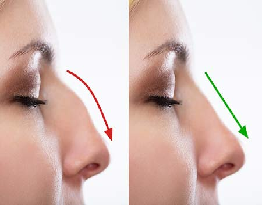
Rhinoplasty (Nose Surgery) stands as one of Singapore’s most frequently performed cosmetic procedures, with costs typically ranging from SGD 6,000 to SGD 20,000 depending on complexity and surgeon expertise. Singapore’s rhinoplasty specialists emphasize natural-looking results that complement each patient’s ethnic features and facial harmony. The procedure is frequently combined with functional corrections for breathing issues, particularly common among Southeast Asian patients.
Facelift surgery in Singapore utilizes advanced techniques including deep-plane facelifts and minimally invasive mini-facelifts. Surgeons employ modern approaches that reduce recovery time while achieving natural, refreshed results. The country’s specialists are particularly noted for their expertise in Asian facial anatomy, understanding how to address aging concerns while preserving ethnic identity.
Blepharoplasty (eyelid surgery) and brow lifts are also highly sought-after procedures, reflecting both aesthetic desires and functional needs common among Asian patients. Singapore’s surgeons have extensive experience with double eyelid surgery, a procedure that has cultural significance in many Asian communities.
Body Contouring Procedures
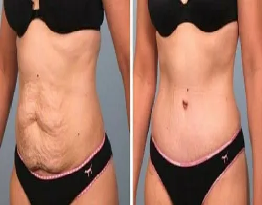
Liposuction and body contouring procedures rank among Singapore’s most popular cosmetic surgeries. The country’s specialists employ advanced techniques including VASER liposuction and laser-assisted methods, allowing for precise fat removal with reduced trauma to surrounding tissues. These procedures are frequently combined with tummy tucks (abdominoplasty) for comprehensive body reshaping, particularly common among post-pregnancy women and significant weight loss patients.
Body lift procedures following massive weight loss have grown in popularity, with Singapore’s surgeons skilled in addressing excess skin removal while maintaining natural contours. The country’s excellent post-surgical care infrastructure supports these more complex procedures, ensuring safe recovery and optimal outcomes.
Breast Surgery
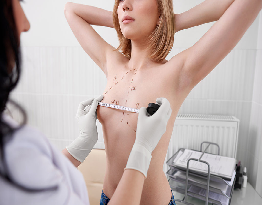
Breast augmentation remains one of Singapore’s cornerstone cosmetic procedures. The country’s surgeons offer both silicone and saline implants, as well as advanced fat transfer techniques for patients seeking more natural augmentation. Breast reduction surgery is also commonly performed, addressing both aesthetic concerns and physical discomfort from overly large breasts—a condition that can cause back pain, skin irritation, and posture problems.
Breast lift (mastopexy) procedures, often combined with augmentation or reduction, utilize modern techniques that minimize scarring while achieving youthful, natural contours. Singapore’s breast surgeons emphasize detailed consultations to ensure patients understand implant options, incision techniques, and expected outcomes.
Non-Invasive Aesthetic Treatments
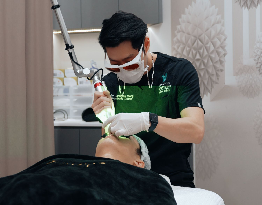
For patients seeking aesthetic improvements without surgery, Singapore’s clinics offer extensive non-invasive options including:
- Botox and dermal fillers: For wrinkle reduction and facial contouring
- Laser skin resurfacing: Advanced systems for skin rejuvenation and scar treatment
- Ultherapy: Ultrasound-based skin tightening without surgery
- Chemical peels and microdermabrasion: For skin texture and tone improvement
These minimally invasive procedures provide quick, effective results with minimal downtime, making them ideal for international patients with limited time for extended recovery.
Estimated Costs for Cosmetic Surgery in Singapore
Singapore’s healthcare costs are higher than many regional competitors like Thailand or Malaysia, reflecting the country’s premium healthcare infrastructure, surgeon expertise, and regulatory standards. However, prices remain significantly lower than comparable procedures in the United States, United Kingdom, or Australia.
Typical price ranges in Singapore (Singapore Dollars):
- Rhinoplasty: SGD 6,000 – SGD 20,000 (approximately US$4,400 – US$14,700)
- Breast augmentation: SGD 8,000 – SGD 15,000 (approximately US$5,900 – US$11,000)
- Facelift: SGD 10,000 – SGD 25,000 (approximately US$7,400 – US$18,400)
- Liposuction (per area): SGD 3,000 – SGD 8,000 (approximately US$2,200 – US$5,900)
- Tummy tuck: SGD 8,000 – SGD 15,000 (approximately US$5,900 – US$11,000)
Cost comparison with Western countries: Patients typically save 30-50% compared to equivalent procedures in the US or EU, even when accounting for travel expenses. However, it’s important to note that Singapore’s prices are higher than many regional competitors, reflecting the country’s premium healthcare standards and surgeon expertise.
Cost factors include surgeon expertise and reputation, facility accreditation, procedure complexity, implant type (for breast surgeries), anesthesia fees, and post-operative care packages. Many Singapore hospitals offer comprehensive medical tourism packages that bundle procedures, accommodation, and airport transfers.
Top Cities and Medical Areas in Singapore
Despite Singapore’s small geographic size, the country’s medical facilities are strategically distributed across several key areas, each offering specialized care and convenient access for international patients.
Central Singapore
The central region, including areas around Orchard Road, Novena, and Tanglin, houses several of Singapore’s premier private hospitals. Mount Elizabeth Hospital on Orchard Road has established itself as a flagship facility for international patients, particularly renowned for its plastic surgery, oncology, and cardiology departments. The hospital’s international patient center provides comprehensive support services including visa assistance, accommodation booking, and translation services.
Novena Medical Center represents a concentrated medical hub with multiple specialty clinics and diagnostic facilities. This area is particularly convenient for patients seeking multiple consultations or combined procedures, as various specialists are located within walking distance of each other.
Singapore General Hospital Campus
Located in Outram, the Singapore General Hospital (SGH) campus serves as Singapore’s largest public hospital and consistently ranks among the world’s best medical facilities. While primarily serving the local population, SGH also treats international patients, particularly for complex reconstructive surgeries, burns treatment, and specialized procedures that require multidisciplinary expertise. The campus environment, surrounded by other specialized centers like the National Heart Centre and National Cancer Centre, provides comprehensive care access.
Alexandra and Queenstown Areas
The Alexandra Hospital and surrounding medical facilities serve Singapore’s western regions, offering high-quality care with typically shorter waiting times than central locations. These facilities are particularly attractive for patients seeking more personalized care in a less congested environment, while still maintaining access to Singapore’s high medical standards.
Healthcare Accreditation and Quality Standards
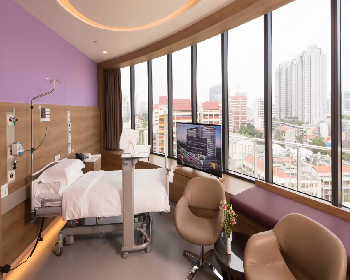
Singapore’s commitment to healthcare quality is evidenced by its extensive accreditation infrastructure and regulatory oversight. The country maintains one of Asia’s highest concentrations of internationally accredited medical facilities.
Joint Commission International (JCI) Accreditation
Singapore boasts 23 JCI-accredited hospitals and healthcare institutions, representing one of the highest concentrations per capita globally. Joint Commission International (JCI) accreditation is the gold standard for healthcare quality, measuring facilities against rigorous international standards for patient safety, quality improvement, and organizational performance.
JCI-accredited facilities in Singapore include major private hospitals like Mount Elizabeth, Gleneagles, and Parkway East Hospital, as well as specialized centers like the National Cancer Centre Singapore and National Skin Centre. This accreditation ensures that international patients receive care comparable to or exceeding standards in their home countries, regardless of whether they come from the US, Europe, or elsewhere in Asia.
Singapore Ministry of Health Regulation
The Ministry of Health maintains strict oversight of all healthcare facilities, implementing quality standards that apply to both public and private institutions. These regulations cover facility safety, medical equipment standards, pharmacist practices, and patient rights protections. The MOH also operates the Singapore Medical Council, which registers and regulates medical practitioners, ensuring that all practicing physicians meet continuing education requirements and ethical standards.
Healthcare Personnel Standards
Singapore maintains rigorous standards for medical professionals, with 93.1% of non-resident doctors trained overseas at accredited institutions. This international training brings diverse expertise and exposure to global best practices. The country’s plastic surgeons typically undergo specialized training in reputable programs, often gaining additional experience through fellowships in renowned centers before returning to Singapore.
Medical professionals must meet Singapore Medical Council requirements for registration, including verification of qualifications, English language proficiency, and good standing with regulatory bodies in their training countries. This vetting process ensures that international patients receive care from qualified, experienced practitioners.
Travel and Visa Information for Medical Tourists
Singapore’s efficient immigration systems and visa policies make medical travel relatively straightforward, though requirements vary depending on nationality.

Visa Requirements
Many nationalities do not require a visa to enter Singapore for short-term stays, including for medical treatment. Visa-free entry typically applies to citizens from the United States, United Kingdom, European Union countries, Australia, Japan, South Korea, and many Southeast Asian nations. These visa-exempt nationalities can generally stay for 30 to 90 days, sufficient for most medical treatments and recovery periods.
For nationalities requiring visas, Singapore uses a standard Visit Visa for medical purposes rather than a specialized “medical visa.” Required documents typically include:
- Valid passport (at least 6 months from arrival date)
- Doctor’s referral letter from home country
- Hospital appointment confirmation from Singapore
- Proof of sufficient funds for treatment and stay
- Return flight ticket
- Passport-sized photos
- Completed visa application form (Form 14A)
Visas can typically be processed within approximately 7 working days when submitted through proper channels. Many Singapore hospitals offer international patient coordinators who can assist with visa documentation letters and travel arrangements.
Medical Travel Support
Singapore’s major hospitals provide comprehensive international patient services, including:
- Airport pickup and drop-off services
- Accommodation booking assistance (often partnering with nearby hotels offering medical patient rates)
- Interpreter services for non-English speaking patients
- Currency exchange and financial counseling
- Local transportation arrangements
These services help international patients navigate logistics, allowing them to focus on their treatment and recovery rather than administrative challenges.
Tips for Medical Tourists in Singapore
Choosing the Right Hospital and Surgeon
Singapore’s medical excellence starts with proper provider selection. Key considerations include:
- Verify hospital accreditation: Prioritize JCI-accredited facilities for international quality standards
- Check surgeon credentials: Confirm board certification, training background, and specialization in your specific procedure
- Review before-and-after photos: Examine actual patient results from your chosen surgeon
- Request detailed cost estimates: Ensure quotes include all fees (surgeon, facility, anesthesia, implants, post-op care)
- Consider communication: Choose a surgeon you can communicate with comfortably; language should never be a barrier
Planning Your Stay
Duration requirements vary by procedure:
- Non-invasive treatments: 1-3 days (often possible as day trips)
- Simple liposuction or minor procedures: 5-7 days
- Major surgeries (facelift, breast surgery, tummy tuck): 10-14 days minimum
- Combined procedures: 2-3 weeks recommended
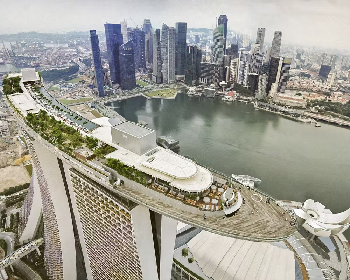
Accommodation options range from luxury hotels (Marina Bay Sands, Raffles Singapore, The Fullerton Hotel) to serviced apartments and hospital guest facilities. Many hospitals offer affiliated guest houses or partner hotels with medical patient rates, providing convenient access to follow-up care.
Pre-Travel Preparation
Medical preparation before departure:
- Complete all required pre-operative tests locally
- Obtain medical records and imaging studies
- Schedule teleconsultation with your Singapore surgeon
- Arrange follow-up care with local physician for after return home
- Stop smoking and avoid blood-thinning medications as directed
- Arrange travel insurance that covers medical complications
Financial planning considerations:
- Understand total cost breakdown
- Arrange payment methods (credit cards, wire transfers)
- Verify insurance coverage (if applicable)
- Plan for emergency funds in case of complications
- Consider currency exchange rates and transaction fees
During Your Stay
Maximize your medical tourism experience by:
- Attending all scheduled follow-up appointments
- Following post-operative instructions strictly
- Maintaining communication with your surgical team
- Knowing emergency contact procedures
- Balancing rest with gentle activity as approved
- Staying in Singapore until medically cleared for travel (particularly important for flights)
Post-Return Home
After returning home, proper care continues:
- Schedule follow-up with local physician
- Monitor for complications and contact Singapore surgeon if concerns arise
- Understand that final results may take months to fully manifest
- Maintain realistic expectations about healing timelines
- Keep all medical records from your Singapore treatment
Frequently Asked Questions
Is Singapore safe for cosmetic surgery?
Singapore maintains exceptionally high healthcare safety standards, ranking among the safest countries globally for medical procedures. The combination of JCI-accredited facilities, MOH regulation, and well-trained surgeons creates a safe environment for cosmetic surgery. The country’s low infection rates, advanced medical technology, and rigorous safety protocols further reduce surgical risks.
How much can I save by having cosmetic surgery in Singapore?
While exact savings depend on the specific procedure and home country, patients typically save 30-50% compared to US or EU prices, even after accounting for travel expenses. However, Singapore is generally more expensive than other Asian destinations like Thailand or Malaysia, reflecting its premium healthcare standards and surgeon expertise.
Do I need a medical visa for Singapore?
Many nationalities don’t require a visa for short-term stays in Singapore, including for medical treatment. Visa-exempt countries include the US, UK, EU nations, Australia, Japan, and South Korea. For nationalities requiring visas, Singapore uses a standard Visit Visa for medical purposes rather than a specialized medical visa.
How long should I stay in Singapore after surgery?
Recovery time varies by procedure: non-invasive treatments may require only 1-3 days, while major surgeries like facelifts or tummy tucks typically require 10-14 days. Combined procedures may necessitate 2-3 weeks. Your surgeon will provide specific guidance based on your procedure and individual healing rate.
Are Singapore’s plastic surgeons qualified?
Yes, Singapore’s plastic surgeons undergo rigorous training, with many completing fellowships at prestigious international institutions. The country requires all physicians to meet Singapore Medical Council registration standards, including verification of overseas qualifications. Singapore’s high concentration of trained specialists (2.6 doctors per 1,000 people) ensures access to qualified surgeons.
What if I have complications after returning home?
Singapore hospitals typically provide post-discharge support and can coordinate with local physicians in your home country. Maintain all medical records and contact information for your Singapore surgeon. In cases of significant complications, your travel insurance may cover return travel for follow-up care, depending on policy terms.
Is English widely spoken in Singaporean hospitals?
Yes, English is Singapore’s primary language of business, medicine, and education. All hospital staff, including surgeons and nurses, are fluent in English. This linguistic accessibility eliminates communication barriers that can complicate medical travel in non-English speaking countries.
What procedures are most popular in Singapore?
Singapore excels in facial procedures (rhinoplasty, facelifts, blepharoplasty), body contouring (liposuction, tummy tucks), breast surgery (augmentation, reduction, lifts), and non-invasive treatments (Botox, fillers, laser therapies). The country’s particular strength lies in understanding Asian facial anatomy and aesthetic preferences while maintaining international standards.
Important Disclaimer
This content is provided for informational purposes only and does not constitute medical advice. The information presented should not be relied upon as a substitute for professional medical consultation, diagnosis, or treatment. Always seek the advice of your physician or other qualified healthcare provider with any questions you may have regarding medical conditions or treatment options.
The cost estimates, procedure descriptions, and recovery timelines presented are general guidelines only. Individual experiences may vary significantly based on personal health factors, surgical techniques, surgeon expertise, and facility standards. We recommend consulting directly with qualified healthcare providers in Singapore to obtain personalized information specific to your medical needs and circumstances.
Medical tourism carries inherent risks including surgical complications, communication challenges, and difficulties obtaining follow-up care after returning home. Thorough research, careful provider selection, and appropriate travel insurance are essential for minimizing these risks. The decision to pursue medical treatment abroad should be made in consultation with your primary healthcare provider and based on your individual medical situation.