
Thailand Cosmetic Surgery Guide | Medical Tourism Costs & Top Hospitals
Discover why Thailand is a top medical tourism destination. Learn about cosmetic surgery costs, JCI-accredited hospitals, popular procedures, visa requirements, and recovery tips for 2024-2025.




Thailand has emerged as one of the world’s leading destinations for cosmetic surgery and medical tourism, combining internationally accredited healthcare facilities with the allure of a tropical paradise. Each year, approximately 3 million international patients travel to Thailand for medical treatments, with around 60% seeking cosmetic procedures[^1][^2]. The country’s medical tourism market was valued at USD $2.57 billion in 2023 and continues to experience double-digit growth, projected to expand significantly through 2034[^3][^4].
What sets Thailand apart is its unique combination of cost advantages (50-70% savings compared to Western countries) and quality healthcare infrastructure. The country boasts 37 Joint Commission International (JCI)-accredited hospitals—all private facilities equipped with state-of-the-art technology and staffed by surgeons trained at prestigious institutions across Europe, the United States, and Asia[^5][^6].
Overview of Thailand’s Medical Tourism Industry
Thailand’s reputation as a medical tourism hub is built on decades of investment in healthcare infrastructure and expertise. The country offers:
- Comprehensive Healthcare Ecosystem: From preventive care to complex surgical procedures, Thailand’s medical facilities provide a full spectrum of services with international standards
- Government Support: The Thai government actively promotes medical tourism through streamlined visa processes and healthcare infrastructure development
- Cultural Hospitality: Known as the “Land of Smiles,” Thailand’s culture of warm hospitality extends to healthcare, creating a supportive environment for international patients
- Strategic Location: Conveniently connected to major Asian, Middle Eastern, and Western markets with direct flights to Bangkok, Phuket, and Chiang Mai
The medical tourism industry generated approximately USD $9 billion in foreign exchange earnings in 2019 and continues to be a significant contributor to Thailand’s economy[^7].
Why Choose Thailand for Cosmetic Surgery?
Cost Advantages Without Compromising Quality
Thailand offers some of the most competitive pricing for cosmetic surgery globally while maintaining high standards of care:
- Rhinoplasty (Nose Job): Approximately 70% cheaper than in the US or Europe[^8]
- Breast Augmentation: $4,000-$6,000 in Thailand compared to $8,000-$12,000 in the US or Australia[^8][^9]
- Facelift: Starting around $10,000 in Thailand versus up to $50,000 in the US[^8]
- Liposuction & Body Contouring: 50-70% cost savings compared to Western prices[^8]
Important Note: The substantial savings allow patients to bundle their procedure costs with travel expenses, accommodation in luxury recovery resorts, and post-operative care—often still paying less than the procedure alone would cost in their home country.
World-Class Surgeons with International Training
Thailand’s cosmetic surgeons are among the most qualified in Asia, with many completing fellowships and residencies at renowned institutions in the US, UK, Japan, and South Korea. The medical community maintains strong ties with international organizations, ensuring continuous professional development and adherence to global best practices[^10].
Internationally Accredited Facilities
Thailand’s 37 JCI-accredited hospitals undergo rigorous quality assessments covering patient safety, surgical protocols, infection control, and emergency preparedness[^5]. Additionally, many facilities hold:
- Diamond-level Hospital Accreditation (HA) from Thailand’s Healthcare Accreditation Institute
- ISO certifications for quality management systems
- Specialized center accreditations for specific procedures (e.g., cardiac care, cosmetic surgery centers)
Bumrungrad International Hospital, Asia’s first hospital to receive JCI accreditation (2002), has been named “Best Hospital in Thailand” by Newsweek for five consecutive years[^11][^12].
Seamless Medical Tourism Services
Thailand’s medical tourism infrastructure is highly developed, offering:
- All-inclusive packages covering procedures, accommodation, airport transfers, and post-operative care
- Multilingual staff and professional interpreters at major hospitals
- Dedicated international patient departments handling logistics from initial consultation to discharge
- Partnerships with luxury hotels and wellness resorts for comfortable recovery stays

Popular Cosmetic Surgery Procedures in Thailand
Facial Rejuvenation Procedures
Facelift (Rhytidectomy)
Thailand’s facial plastic surgeons specialize in both traditional and minimally invasive facelift techniques. Popular approaches include:
- Deep-plane facelifts for comprehensive rejuvenation
- Mini facelifts (short-scar techniques) for younger patients
- Neck lifts combined with facial procedures
- Fat grafting to restore volume loss
Why Thailand?: Advanced facelift techniques in Thailand cost approximately 80% less than in the US, with surgeons using the same FDA-approved products and surgical methods[^8].
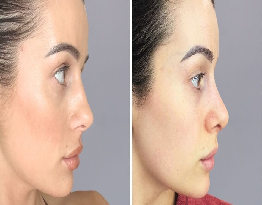
Rhinoplasty (Nose Surgery)
Rhinoplasty is among the most frequently performed cosmetic procedures in Thailand, with surgeons offering:
- Open and closed rhinoplasty techniques
- Ethnic rhinoplasty expertise (Asian, Middle Eastern, Caucasian)
- Functional rhinoplasty for breathing improvement (septoplasty, turbinate reduction)
- Revision rhinoplasty for correcting previous surgeries
Cost Advantage: Patients save approximately 70% compared to Western prices, with average costs ranging from $2,500-$4,500 in Thailand versus $8,000-$15,000 in the US[^8].
Breast Surgery Procedures
Breast Augmentation
Thailand is renowned for breast augmentation surgery, with options including:
- Silicone gel implants (FDA-approved brands: Mentor, Allergan, Sientra)
- Saline implants
- Fat transfer breast augmentation (natural augmentation)
- Breast lift with augmentation (mastopexy with implants)
- Custom implant selection based on anatomy and aesthetic goals
Procedure Costs: Approximately $4,000-$6,000 in Thailand compared to $8,000-$12,000 in Western countries[^8][^9].

Breast Reduction & Lift
- Breast reduction surgery (reduction mammoplasty) for physical relief and aesthetics
- Breast lift surgery (mastopexy) to address ptosis (sagging)
- Combined procedures for comprehensive breast contouring
- Male breast reduction (gynecomastia surgery)
Body Contouring Procedures
Liposuction & Body Sculpting
Thailand’s body contouring specialists offer advanced liposuction techniques:
- VASER liposuction (ultrasound-assisted)
- Laser-assisted liposuction (SmartLipo, LaserLipo)
- Power-assisted liposuction (PAL)
- Hi-Definition liposuction for athletic contouring
- Fat transfer (Brazilian butt lift, facial fat grafting)
Target Areas: Abdomen, flanks (love handles), thighs, arms, back, chin, and neck.

Tummy Tuck (Abdominoplasty)
- Full abdominoplasty for extensive skin removal
- Mini tummy tuck for below-the-navel concerns
- Circumferential tummy tuck (belt lipectomy) for post-bariatric patients
- Combined procedures (tummy tuck + liposuction + muscle repair)
Cost Savings: Patients typically save 50-70% compared to Western pricing[^8].
Non-Surgical Aesthetic Treatments
Thailand’s aesthetic clinics provide comprehensive non-surgical treatments:
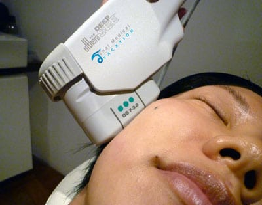
- Neuromodulators: Botox, Dysport, Xeomin for wrinkle reduction
- Dermal Fillers: Hyaluronic acid fillers (Juvederm, Restylane) for volume restoration
- Laser Treatments: Fractional CO2, IPL (Intense Pulsed Light), laser resurfacing
- Chemical Peels: Varying strengths for skin rejuvenation
- Microneedling: Collagen induction therapy
- Thread Lifts: Minimally invasive lifting procedures
Advantages: Minimal downtime, lower costs ($200-$800 per treatment versus $500-$2,000 in the US), and immediate availability of FDA-approved products[^13].
Estimated Cost Comparison: Thailand vs. Western Countries
The following table provides general cost ranges for popular cosmetic procedures. Note: These are estimates—actual costs vary based on surgeon expertise, facility accreditation, geographic location (Bangkok vs. Phuket vs. Chiang Mai), and individual surgical requirements.
| Procedure | United States/Europe | Thailand | Approximate Savings |
|---|---|---|---|
| Rhinoplasty | $8,000 - $15,000 | $2,500 - $4,500 | 70% |
| Facelift | $15,000 - $50,000 | $4,000 - $10,000 | 70-80% |
| Breast Augmentation | $8,000 - $12,000 | $4,000 - $6,000 | 50-66% |
| Liposuction (per area) | $3,500 - $7,500 | $1,200 - $2,500 | 60-70% |
| Tummy Tuck | $8,000 - $15,000 | $3,500 - $6,000 | 50-60% |
| Blepharoplasty (Eyelid) | $4,000 - $7,000 | $1,500 - $3,000 | 60% |
| Botox (per unit) | $12 - $20 | $4 - $8 | 60% |
| Dermal Fillers (per syringe) | $600 - $800 | $250 - $400 | 50-60% |
Important Considerations:
- Additional Costs: Factor in travel expenses (
$1,000-$2,500 for flights from Western countries), accommodation ($50-$200/night), and post-operative medications - Package Deals: Many hospitals offer all-inclusive packages that can provide additional savings
- Insurance Coverage: Cosmetic surgery is rarely covered by insurance, but some travel insurance policies may cover complications
Top Medical Tourism Destinations in Thailand
Bangkok: The Primary Medical Hub

Why Bangkok?
- Home to Thailand’s most prestigious hospitals: Bumrungrad International, Bangkok Hospital, Samitivej Hospitals
- Convenient international airport (Suvarnabhumi Airport) with direct flights globally
- Comprehensive infrastructure including luxury hotels, shopping malls, and entertainment
- Cultural attractions for pre- or post-operative recovery exploration
Top Accredited Hospitals in Bangkok:
- Bumrungrad International Hospital (Verified JCI-accredited) - Asia’s first JCI hospital (2002), named “Best Hospital in Thailand” by Newsweek (2020-2024)[^11][^12]
- Bangkok Hospital (JCI-accredited, part of the Bangkok Hospital Group network)
- Samitivej Hospitals (JCI-accredited, multiple locations)
Best For: Complex surgical procedures, specialized treatments, and patients seeking access to multiple specialist consultations.
Phuket: Tropical Island Recovery

Why Phuket?
- Bangkok Hospital Phuket (JCI-accredited) - The island’s largest private hospital with international patient services[^14]
- Beachfront luxury resorts ideal for post-surgery relaxation
- Direct international flights to Phuket International Airport
- Island-hopping opportunities for light recreational activities during recovery
Best For: Patients combining procedures with tropical recovery, particularly for cosmetic surgery requiring 1-2 weeks of initial healing.
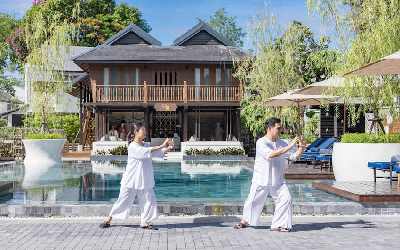
Chiang Mai: Mountain Wellness Retreat
Why Chiang Mai?
- Serene mountain environment perfect for stress-free recovery
- Wellness and detox centers offering holistic post-surgical care
- Lower cost of living compared to Bangkok (cheaper accommodation and meals)
- Cultural richness with ancient temples and traditional Northern Thai culture
Healthcare Facilities: Several private hospitals and clinics (many JCI-accredited or HA-accredited) cater to medical tourists.
Best For: Extended recovery stays, wellness tourism, patients seeking a quieter, more contemplative environment.
Koh Samui: Luxury Island Recovery

Why Koh Samui?
- Luxury beachfront villas and resorts with private nursing services
- Direct flights from Bangkok (1 hour) and international connections
- Ideal climate for year-round recovery
- Spa and wellness centers offering post-surgery massages and treatments
Best For: Patients seeking exclusive, private recovery in a tropical setting.
Hospital Accreditation & Quality Standards
Joint Commission International (JCI) Accreditation
JCI is the gold standard for international hospital accreditation. Thailand’s 37 JCI-accredited hospitals demonstrate:
- Rigorous quality standards covering patient care, surgery protocols, and facility safety
- Continuous quality improvement through regular surveys and reaccreditation processes
- International benchmarking against global best practices
- Patient-centered care models emphasizing safety, communication, and outcomes
How to Verify Accreditation:
- Check the hospital’s official website for accreditation badges and certificates
- Search the JCI accredited organization directory
- Look for additional certifications (HA Thailand, ISO)
Hospital Accreditation (HA) Thailand
Thailand’s national accreditation program, administered by the Healthcare Accreditation Institute, evaluates hospitals based on:
- Quality of care and patient safety
- Facility standards and infrastructure
- Clinical protocols and infection control
- Management systems and organizational performance
Hospitals achieving HA “Diamond” level (the highest tier) demonstrate excellence comparable to international standards.
Choosing the Right Hospital
Key Considerations:
- Accreditation Status: Verify JCI and HA certifications
- Specialty Expertise: Look for centers specializing in your procedure
- International Patient Services: Confirm availability of interpreters, coordinators, and tailored services
- Before-and-After Photos: Request to see previous patients’ results (with consent)
- Surgeon Credentials: Verify board certifications, training, and experience
- Communication: Ensure you can communicate effectively with your surgeon
Visa Requirements for Medical Tourists (2024-2025)

Thailand offers specific visa categories for medical tourists to facilitate extended stays for treatment and recovery.
Visa Types for Medical Treatment
1. Medical Treatment Visa (Non-Immigrant MT Visa)
- Purpose: For patients seeking medical treatment in Thailand
- Duration: Typically 90 days, extendable
- Eligibility: Patients with scheduled treatments or procedures at Thai hospitals
2. One-Year Medical Treatment Visa
- Purpose: For patients requiring continuous treatment over 90 days
- Duration: Up to 1 year
- Eligibility: Patients with documented treatment plans exceeding 90 days
- Requirements: Hospital must outline treatment duration and plan
3. Tourist Visa (Medical Tourism)
- Purpose: Alternative for shorter stays or minor procedures
- Duration: 15-60 days (depending on visa type)
- Note: Not ideal for major surgery requiring extended recovery
Required Documents
To apply for a medical treatment visa, you’ll typically need:
- Valid passport (minimum 6 months validity)
- Completed visa application form
- Recent passport-sized photographs
- Medical certificate or invitation letter from a certified Thai hospital
- Proof of sufficient funds (minimum THB 800,000 per person—approximately $23,000 USD)[^15]
- Health clearance certificate (especially for surgery patients)
- Flight confirmation/details
- Proof of accommodation (hotel booking or hospital confirmation)
Important: Financial requirements apply to both patients and accompanying family members.
Application Process
- Contact Thai Hospital First: Obtain a formal medical certificate and invitation letter
- Prepare Documentation: Gather all required documents (see above)
- Submit Application: At your nearest Thai Embassy, Consulate, or Visa Application Center
- Wait for Processing: Processing times vary (typically 2-4 weeks)
- Receive Visa: Travel to Thailand for treatment
Pro Tip: Start the visa application process at least 4-6 weeks before your planned travel date to account for processing delays.
Visa Extensions
- Visa extensions are possible for medical treatment if you provide documentation from your Thai hospital
- Overstay fines apply if you exceed your visa duration (500 THB per day)
- Immigration offices are located in major cities for in-person extension applications
Travel Tips for Medical Tourists
Before You Travel
Choose Accredited Hospitals
- Verify hospital accreditation (JCI, HA Thailand)
- Research surgeon credentials and patient reviews
- Request detailed cost estimates upfront
- Clarify what’s included (procedure, hospital stay, medications, follow-up)
Plan Your Itinerary
- Arrival: Arrive 2-3 days before surgery for consultation and pre-operative tests
- Recovery: Plan at least 7-14 days in Thailand post-surgery (depending on procedure)
- Follow-up: Schedule a final check-up before departure
- Activities: Plan light activities for recovery (avoid strenuous tourism)
Arrange Accommodation
- Near Hospital: Book hotels close to your medical facility for easy follow-up visits
- Recovery-Friendly: Choose accommodations with comfortable beds, room service, and quiet environments
- Accessibility: Ensure easy access for post-surgery mobility considerations
Financial Preparation
- Payment Methods: Confirm accepted payment methods (cash, credit cards, international wire transfers)
- Currency: Exchange some Thai Baht (THB) for initial expenses
- Budget for Unexpected Costs: Have emergency funds for complications or extended stays
Upon Arrival in Thailand
Initial Steps
- Hospital Registration: Complete admission paperwork at your chosen facility
- Pre-Operative Consultation: Meet your surgeon for final discussions and consent signing
- Medical Tests: Complete required blood work, imaging, or cardiac clearance
- Payment Settlement: Pay hospital deposits or full procedure costs
Recovery Planning
- Arrange Transportation: Book airport transfers and hospital-hotel transfers
- Post-Op Medications: Fill prescriptions and understand dosages
- Emergency Contacts: Obtain hospital emergency numbers and your embassy’s contact information
During Your Stay
Recovery Best Practices
- Follow Surgeon Instructions: Adhere strictly to wound care, activity restrictions, and medication schedules
- Stay Hydrated: Drink plenty of bottled water (avoid tap water)
- Wound Care: Keep incisions clean and dry; watch for infection signs
- Avoid Sun Exposure: UV rays can worsen scarring, especially for facial procedures
- No Alcohol: Avoid alcohol during recovery (interferes with anesthesia and medications)
Cultural Considerations
- Respect Thai Culture: Dress modestly in public (especially near temples)
- Bargaining: Not appropriate in hospitals or luxury establishments
- Tipping: Not customary in medical settings but appreciated in hotels
- Politeness: Thai people value courtesy—use “ka” (females) or “krub” (males) to end sentences
Language
- English Speakers: Major hospitals have fluent English-speaking staff
- Translation Services: Available for other languages at international hospitals
- Basic Thai Phrases: Learn simple phrases (hello, thank you) for cultural respect
Returning Home
Before Departure
- Final Check-Up: Schedule a post-operative appointment before leaving Thailand
- Medical Report: Request discharge summaries, operative reports, and photos (for follow-up)
- Medication Documentation: Obtain prescriptions and carry medications in original containers
- Follow-Up Plan: Confirm how to handle complications or questions after returning home
Travel Considerations
- Flight Duration: Long flights can increase swelling and clot risk—request aisle seats for mobility
- Compression Garments: Wear post-surgical compression garments during flights
- Hydration: Drink water frequently and avoid alcohol during flights
- Seat Selection: Choose extra legroom seats for comfort (especially for body procedures)

Post-Return Follow-Up
- Local Doctor Consultation: Schedule a follow-up with your home physician
- Complications: Know how to contact your Thai surgeon if issues arise
- Medication Continuation: Finish all prescribed medications as directed
- Scarring Management: Continue silicone sheets, massage, or scar treatments as recommended
Important Safety Considerations
Research Thoroughly
- Verify Surgeon Credentials: Check certifications, training, and experience
- Read Patient Reviews: Look for authentic feedback (not just testimonials)
- Ask About Complications: Understand risks and how emergencies are handled
- Second Opinions: Consider virtual consultations with multiple surgeons
Red Flags to Avoid
- Suspiciously Low Prices: If it sounds too good to be true, it probably is
- High-Pressure Sales: Reputable surgeons don’t use aggressive sales tactics
- Lack of Accreditation: Avoid unlicensed clinics or non-accredited facilities
- No Communication Channels: Ensure you can reach your surgeon post-operatively
Travel Insurance Considerations
- Medical Tourism Insurance: Specialized policies cover complications and additional treatments
- Trip Cancellation Insurance: Protects against pre-trip medical cancellations
- Regular Travel Insurance: Most policies exclude cosmetic surgery—verify coverage
- Medical Evacuation Insurance: Covers emergency transport home for serious complications
Frequently Asked Questions (FAQ)
Is cosmetic surgery in Thailand safe?
Yes, when performed at accredited hospitals by qualified surgeons. Thailand’s 37 JCI-accredited hospitals meet international standards for patient safety and surgical quality[^5]. Key factors to ensure safety:
- Choose JCI-accredited facilities (verified on the JCI website)
- Verify surgeon credentials and board certifications
- Request before-and-after photos from previous patients
- Ensure hospitals have emergency protocols and ICU facilities
- Avoid bargain clinics offering prices far below market rates
Safety Tip: Reputable hospitals allow patients to meet surgeons for consultations before committing to surgery.
How much can I save by having surgery in Thailand?
Patients typically save 50-70% compared to US and European prices[^8]. Examples:
- Rhinoplasty: Save ~70% ($8,000-$15,000 in US vs. $2,500-$4,500 in Thailand)
- Breast Augmentation: Save 50-66% ($8,000-$12,000 in US vs. $4,000-$6,000 in Thailand)
- Facelift: Save 70-80% ($15,000-$50,000 in US vs. $4,000-$10,000 in Thailand)
However, factor in travel costs ($1,000-$2,500 for flights, $50-$200/night for accommodation) to calculate net savings. Even with these expenses, most patients save significantly.
How long should I stay in Thailand after surgery?
Recovery time varies by procedure:
- Non-surgical treatments (Botox, fillers): 2-3 days
- Eyelid surgery (Blepharoplasty): 5-7 days
- Rhinoplasty: 7-10 days
- Breast augmentation: 7-14 days
- Liposuction: 7-14 days
- Tummy tuck: 10-14 days
- Facelift: 14-21 days
General Rule: Plan at least 10-14 days in Thailand to accommodate pre-operative consultations, surgery, initial recovery, and one post-operative check-up before flying home.
Will language barriers be a problem?
No, at accredited hospitals. Major facilities have:
- English-speaking staff in international patient departments
- Professional interpreters for other languages (Japanese, Korean, Chinese, Arabic, Russian)
- Translated medical documents and consent forms
- English-speaking surgeons (most trained internationally)
Outside medical settings: English is widely spoken in tourist areas, hotels, and restaurants. Download translation apps (Google Translate) as backup.
What if I have complications after returning home?
Prevention First: Choose accredited hospitals with emergency protocols. However, if complications arise:
- Contact Your Thai Surgeon Immediately: Most hospitals offer telemedicine follow-up
- Visit a Local Doctor: Bring your operative report and discharge summary
- Medical Tourism Insurance: Some policies cover revision surgery or complications
- Hospital Policies: Ask before surgery about complication warranties (some offer free revisions within a specific period)
Important: Understand that revision surgery in your home country may cost more than the original procedure in Thailand.
Does insurance cover cosmetic surgery abroad?
Generally No: Most health insurance plans exclude cosmetic surgery. However:
- Some plans cover reconstructive surgery (post-mastectomy, trauma, congenital defects)
- Flexible Spending Accounts (FSA): May qualify for eligible procedures
- Medical Tourism Insurance: Specialized policies cover complications and additional treatments
- Travel Insurance: Usually excludes cosmetic surgery but may cover trip cancellation
Always verify with your insurance provider before traveling.
What’s the best time of year to visit Thailand for surgery?
Cool Season (November-February): Ideal weather—cooler temperatures, less humidity, minimal rain. Perfect for recovery.
Hot Season (March-May): Temperatures reach 95°F (35°C). Avoid if sensitive to heat.
Rainy Season (June-October): Frequent showers, humidity spikes. Less ideal for outdoor recovery activities.
Pro Tip: Book surgery during November-February for the most comfortable recovery conditions.
Can I combine multiple procedures?
Yes, many patients combine procedures (e.g., tummy tuck + liposuction, facelift + eyelid surgery). Benefits:
- Lower total costs (anesthesia and facility fees combined)
- Single recovery period
- Surgical synergy (better overall results)
However:
- Longer surgery time (6-8+ hours) increases anesthesia risk
- Extended recovery (may require 3+ weeks in Thailand)
- Surgeon recommendation required (not all patients are candidates)
Consult your surgeon about combination appropriateness based on your health and goals.
How do I choose between Bangkok, Phuket, and Chiang Mai?
Choose Bangkok For:
- Complex surgeries requiring specialized facilities
- Access to multiple top-tier hospitals and specialists
- Urban amenities and international dining
- Convenient international airport connections
Choose Phuket For:
- Tropical beachfront recovery
- Combining surgery with vacation (post-recovery)
- Island-hopping and water activities
- More relaxed, slower-paced environment
Choose Chiang Mai For:
- Quieter, contemplative recovery
- Mountain and temple exploration (light activity)
- Lower accommodation costs
- Wellness and holistic healing centers
Choose Koh Samui For:
- Luxury private villa recovery
- Exclusive, secluded environment
- Beach and spa experiences
- Higher-end accommodation options
Important Disclaimer
This content is for informational purposes only and does not constitute medical advice. Every individual’s health situation is unique, and cosmetic surgery outcomes vary based on anatomy, health history, surgeon skill, and adherence to post-operative instructions.
Always consult with a qualified, licensed healthcare professional before undergoing any medical procedure. The information provided in this guide does not replace professional medical evaluation, diagnosis, or treatment.
Verify all information directly with accredited hospitals and healthcare providers, as medical practices, regulations, and pricing can change. Patients should:
- Conduct independent research on surgeons and facilities
- Request detailed pre-operative consultations
- Understand all risks and potential complications
- Verify accreditation and credentials directly
- Make decisions based on personal health needs and professional medical advice
The authors and publishers of this content are not responsible for any decisions made based on this information or any outcomes from medical procedures undertaken in Thailand or elsewhere.