
Turkey Medical Tourism for Cosmetic Surgery | Costs, Top Hospitals & Procedures
Discover Turkey as a leading destination for cosmetic surgery. Compare costs for hair transplants, rhinoplasty & breast augmentation at JCI-accredited hospitals.
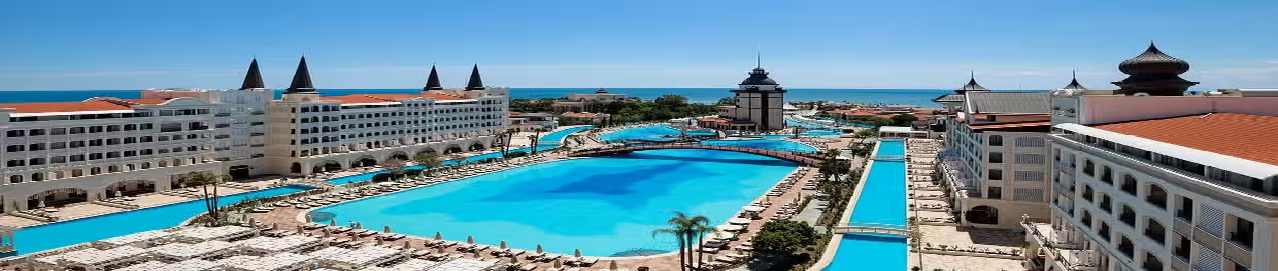
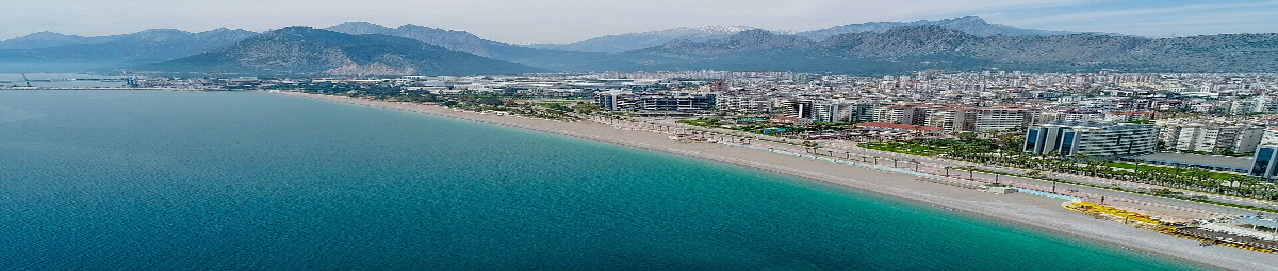


Turkey has emerged as one of the world’s premier destinations for cosmetic surgery, attracting over 1.2 million international patients annually who seek high-quality medical care at significantly reduced costs. According to the International Society of Aesthetic Plastic Surgery (ISAPS), Turkey ranks among the top countries worldwide for the highest proportion of foreign patients, with 470,875 cosmetic surgery operations performed in 2022 alone. Turkey combines world-class medical expertise, state-of-the-art facilities, and the unique opportunity to recover in a culturally rich, historically significant destination.
Overview of Turkey’s Medical Tourism Sector
Turkey’s position as a global leader in cosmetic surgery medical tourism is built on decades of investment in healthcare infrastructure. The country has strategically positioned itself at the intersection of European and Asian medical traditions, creating a healthcare system that meets rigorous international standards while remaining cost-competitive. According to market research, cosmetic and plastic surgery holds 38.54% of Turkey’s medical tourism market share (as of 2025), making it the dominant treatment category for international visitors.
The Turkish government has actively supported the growth of health tourism through the HealthTürkiye initiative (the Republic of Türkiye’s official health tourism portal) and the Turkish Healthcare Travel Council (THTC), which provides certification for healthcare providers and facilitators authorized by the Ministry of Health. This official oversight ensures that medical tourists receive care from qualified, accredited facilities.
The global cosmetic surgery market has seen remarkable growth, with ISAPS reporting a 39.2% increase in cosmetic surgical procedures worldwide from 2019 to 2023. Turkey has captured a significant portion of this growth, particularly in procedures such as hair transplantation, rhinoplasty, breast augmentation, and liposuction.
Why Choose Turkey for Cosmetic Surgery?
Highly Skilled, Internationally Trained Surgeons
Turkey’s cosmetic surgeons are renowned for their expertise, many having completed fellowships and training at prestigious institutions in Europe and the United States. The country’s medical education system emphasizes specialization in aesthetic procedures, and Turkish surgeons regularly contribute to international research and publications. According to ISAPS Global Survey data, Turkey consistently ranks among the top countries performing cosmetic procedures globally.
The high volume of procedures performed annually—particularly in hair transplantation and rhinoplasty—means Turkish surgeons have extensive practical experience. This specialization translates to refined techniques, natural-looking results, and lower complication rates when compared to less experienced surgeons in other countries.
Advanced Medical Technology and Accredited Facilities
Turkey’s medical infrastructure features cutting-edge technology comparable to leading hospitals in Western Europe and North America. The country maintains a dual-layer quality system comprising:
- Joint Commission International (JCI) accreditation: The “Gold Seal of Approval” certifying that hospitals meet rigorous international standards for patient safety and care quality
- Turkish Ministry of Health SAS standards: National Service Quality Standards that work alongside international certifications
Turkey has more than 50 JCI-accredited hospitals, one of the highest concentrations globally. These facilities must demonstrate excellence in patient safety goals, informed consent processes, infection control, and continuous quality improvement. The Joint Commission provides tools for patients to verify accredited organizations internationally.
Exceptional Value and Cost Savings
The most compelling advantage of choosing Turkey is the dramatic cost savings without compromising quality. Cosmetic procedures in Turkey typically cost 50-80% less than in the United States and Western Europe, while maintaining comparable safety standards and outcomes.
These savings are achieved through lower operational costs, favorable exchange rates, and a competitive healthcare market—not by cutting corners on patient care. Most Turkish clinics offer all-inclusive packages that encompass:
- Surgical fees and anesthesia
- Pre-operative medical testing
- Hospital or clinic facility charges
- Post-operative medications and garments
- Accommodation in luxury hotels (typically 5-7 nights)
- VIP airport/hospital transfers
- Translation services
- Follow-up consultations
Popular Cosmetic Surgery Procedures in Turkey
Hair Transplantation
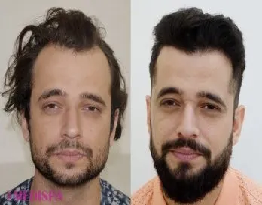
Turkey has established itself as the global hub for hair transplantation, performing more of these procedures annually than any other country. The country’s surgeons have perfected advanced techniques including:
- Follicular Unit Extraction (FUE): Individual follicular units are harvested and transplanted, minimizing scarring
- Direct Hair Implantation (DHI): A specialized FUE technique using a Choi implanter pen for precise placement
- Sapphire FUE: Uses sapphire blades for recipient site creation, enhancing precision
According to market data, Turkey performs approximately 64,600 hair transplant operations annually, making it the leading destination for this procedure. The country’s specialization in hair restoration has created an ecosystem of expertise, from dedicated technicians to specialized post-operative care protocols.
Cost Comparison:
- Turkey: $1,500-$5,000 (most common: $2,000-$3,000)
- USA: $10,000-$20,000
- Europe/UK: $10,000-$17,000
This represents 70-80% savings compared to Western prices, with Turkey offering a typical all-inclusive package for approximately $2,676 versus $13,610 in the United States.
Rhinoplasty (Nose Surgery)
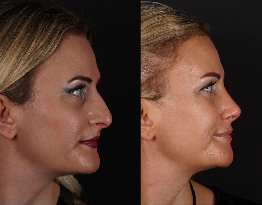
Rhinoplasty is one of Turkey’s most sought-after procedures, with approximately 56,700 operations performed annually. Turkish surgeons have particular expertise in ethnic rhinoplasty, understanding the diverse aesthetic preferences of patients from Middle Eastern, European, Asian, and African backgrounds. According to the American Society of Plastic Surgeons (ASPS), rhinoplasty requires both technical precision and artistic vision—qualities Turkish surgeons have cultivated through extensive experience.
Turkish rhinoplasty specialists excel in:
- Aesthetic rhinoplasty: Reshaping the nose for facial harmony
- Functional rhinoplasty: Correcting deviated septums and breathing difficulties
- Revision rhinoplasty: Correcting previous unsuccessful surgeries
- Ethnic rhinoplasty: Preserving cultural identity while achieving aesthetic goals
Cost Comparison:
- Turkey: $2,500-$6,500 (tip rhinoplasty: $2,700-$5,000; ethnic rhinoplasty: $4,000-$6,500)
- USA: $8,000-$18,000
- Europe: $6,000-$12,000
Patients choosing Turkey save approximately 60-70% compared to UK prices and 50-70% versus US prices.
Breast Augmentation and Breast Surgery
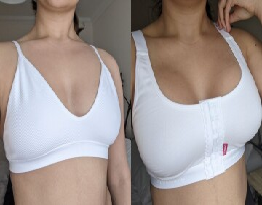
Breast augmentation remains one of the most popular cosmetic surgeries globally, and Turkey offers significant advantages for patients seeking breast procedures. According to ISAPS Global Survey data, there were 3.9 million breast procedures performed worldwide in 2023, and Turkey has captured a substantial portion of this market through competitive pricing and high-quality outcomes.
Turkish surgeons provide comprehensive breast surgery options including:
- Breast augmentation: Using silicone or saline implants, or autologous fat transfer
- Breast reduction: Addressing physical discomfort and aesthetic concerns
- Breast lift (mastopexy): Combining lifting techniques with augmentation when desired
- Implant revision: Replacing or removing previous implants
- Combination procedures: Pairing breast surgery with abdominoplasty (“mommy makeover”)
Turkish clinics offer extensive implant options from major manufacturers (Mentor, Allergan, Motiva), allowing patients to select optimal size, shape, and profile based on their anatomy and goals.
Cost Comparison:
- Turkey: $2,000-$5,000 (most common: $2,800-$4,200)
- USA: $6,500-$12,000
- Europe/UK: $6,000-$11,000
Combined Packages: Breast augmentation + rhinoplasty packages in Turkey range from $6,450-$7,500, and breast lift + implants + rhinoplasty packages cost approximately $7,500 (including 6-night hotel stay).
Liposuction and Body Contouring
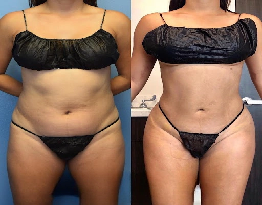
Liposuction is the most commonly performed cosmetic surgery in Turkey, with 64,600 operations annually according to recent statistics. Turkish body contouring specialists utilize advanced technologies to achieve precise, natural-looking results:
- VASER liposuction: Ultrasound-assisted fat emulsification for improved precision
- Laser-assisted liposuction: Laser energy for skin tightening
- Power-assisted liposuction (PAL): Mechanical movement for efficient fat removal
- Tumescent liposuction: Traditional technique with local anesthesia
Popular treatment areas include the abdomen, flanks, thighs, arms, and neck. Many patients combine liposuction with tummy tucks (abdominoplasty), body lifts, or fat grafting to the buttocks or breasts for comprehensive transformation.
Non-Surgical Cosmetic Treatments
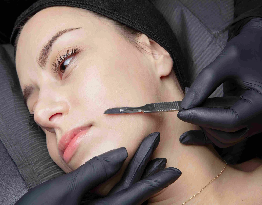
For patients seeking subtle enhancements without surgery, Turkey offers a comprehensive array of non-invasive treatments. According to ISAPS, approximately 20.5 million non-surgical procedures were performed globally in 2023, reflecting growing demand for minimally invasive options.
Popular non-surgical treatments in Turkey include:
- Botulinum toxin (Botox): Reducing dynamic wrinkles and fine lines
- Dermal fillers: Restoring volume, enhancing lips, and sculpting facial contours
- Laser skin resurfacing: Improving texture, pigmentation, and acne scarring
- Chemical peels: Exfoliating damaged skin layers for rejuvenation
- Platelet-rich plasma (PRP) therapy: Stimulating collagen and hair growth
- Microneedling: Enhancing product penetration and collagen production
These procedures offer minimal downtime, making them ideal for medical tourists with limited recovery time.
Estimated Costs: Turkey vs. USA and Europe
The following table summarizes average costs for major cosmetic procedures. Note that prices vary based on surgeon expertise, clinic location, technique, and individual patient requirements.
| Procedure | Turkey (USD) | USA (USD) | Europe (USD) | Savings with Turkey |
|---|---|---|---|---|
| Hair Transplant | $1,500-$5,000 | $10,000-$20,000 | $10,000-$17,000 | 70-80% |
| Rhinoplasty | $2,500-$6,500 | $8,000-$18,000 | $6,000-$12,000 | 60-70% |
| Breast Augmentation | $2,000-$5,000 | $6,500-$12,000 | $6,000-$11,000 | 50-65% |
| Liposuction | $1,500-$4,500 | $5,000-$10,000 | $4,500-$9,000 | 50-70% |
| Tummy Tuck | $2,500-$6,000 | $8,000-$15,000 | $6,000-$12,000 | 50-60% |
Important Note: While cost savings are substantial, patients should prioritize surgeon credentials, facility accreditation, and safety protocols over price alone. The lowest price does not always represent the best value.
Top Medical Tourism Cities in Turkey
Istanbul
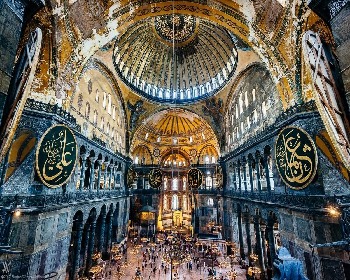
As Turkey’s largest city and primary medical tourism hub, Istanbul offers the widest selection of JCI-accredited hospitals and specialized clinics. The city’s strategic location between Europe and Asia makes it easily accessible via two international airports (Istanbul Airport and Sabiha Gökçen). Istanbul combines world-class medical facilities with iconic cultural landmarks including:
- Hagia Sophia: Byzantine architectural masterpiece
- Blue Mosque: Historic mosque with six minarets
- Grand Bazaar: One of the world’s oldest covered markets
- Bosphorus Strait: Scenic waterway separating Europe and Asia
Patients often choose Istanbul for its comprehensive medical infrastructure, numerous accommodation options, and the opportunity to recover in a historically significant setting.
Antalya
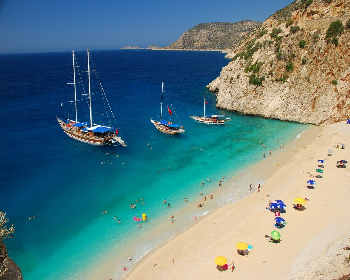
Located on Turkey’s stunning Mediterranean coast, Antalya offers a serene environment ideal for post-operative recovery. The city combines high-quality medical facilities with luxury beachfront resorts, providing patients with restful surroundings during healing. Antalya’s Mediterranean climate—with over 300 sunny days annually—makes it particularly attractive for patients seeking extended recovery stays.
Key attractions include:
- Kaleiçi (Old Town): Historic Ottoman-era district
- Düden Waterfalls: Scenic natural attractions
- Mediterranean beaches: Turquoise waters and luxury resorts
Izmir
As Turkey’s third-largest city, Izmir serves as an important medical tourism destination in the Aegean region. The city offers high-quality medical facilities with a more relaxed pace than Istanbul, making it ideal for patients seeking a quieter recovery environment. Izmir’s coastal location provides pleasant sea breezes and moderate temperatures year-round.
Other Notable Cities
Additional medical tourism destinations include:
- Ankara: Turkey’s capital with advanced medical facilities
- Bursa: Historic city near Istanbul with quality healthcare options
- Adana: Major city in southern Turkey with growing medical infrastructure
- Denizli: Near Pamukkale’s thermal springs, ideal for certain recovery types
- Erzurum: Eastern Turkey city with specialized medical centers
Hospital Accreditation and Quality Standards
Turkey maintains rigorous healthcare quality assurance through a dual accreditation system:
Joint Commission International (JCI)
The Joint Commission International (JCI) provides the most prestigious accreditation for international hospitals. Turkey has one of the highest concentrations of JCI-accredited facilities globally, with hospitals demonstrating excellence in:
- Patient safety and infection control
- Medical staff qualifications and training
- Facility management and safety
- Patient education and rights
- Quality improvement processes
The Joint Commission provides an official directory for verifying JCI-accredited organizations. Patients should prioritize JCI-accredited facilities when selecting a clinic or hospital in Turkey.
Turkish Ministry of Health Standards
All Turkish hospitals must comply with SAS (Service Quality Standards) established by the Turkish Ministry of Health. These national standards work alongside international accreditations to ensure:
- Emergency preparedness and response
- Surgical safety protocols
- Medication management systems
- Patient identification and medical record security
- Facility maintenance and equipment safety
Professional Society Membership
Reputable Turkish surgeons often belong to international professional organizations including:
- ISAPS (International Society of Aesthetic Plastic Surgery)
- ASAPS (American Society for Aesthetic Plastic Surgery)
- Turkish Society of Plastic, Reconstructive and Aesthetic Surgeons
Membership in these organizations indicates commitment to ongoing education, ethical practice, and adherence to international standards. The ASPS provides patient safety guidance for selecting qualified surgeons and accredited facilities.
Travel and Visa Requirements for Medical Tourists
Visa Requirements
Visa requirements for medical tourists vary by nationality:
Visa-Free Entry:
- Citizens of EU countries, United Kingdom, Russia, UAE, and many Latin American countries can enter Turkey without a visa for medical tourism purposes
e-Visa Available:
- U.S. and Canadian citizens can obtain an e-Visa online through the official Republic of Türkiye e-Visa portal
Traditional Visa Required:
- Some nationalities must apply through Turkish embassies/consulates
Required Documents for Medical Visa:
- Valid passport with minimum 6 months validity from entry date
- Completed visa application form
- Recent passport-sized photographs
- Official invitation letter/invoice from Turkish hospital or clinic confirming treatment
- Proof of sufficient financial means for the stay
- Travel medical insurance (recommended)
Patients should verify current requirements with the nearest Turkish embassy or consulate, as regulations may change. Many major hospital groups (including Acıbadem and Medicana) provide visa assistance services for international patients.
HealthTürkiye: Official Government Portal
The HealthTürkiye portal (healthturkiye.gov.tr) serves as the Republic of Türkiye’s official resource for health tourism. It provides:
- Directory of certified healthcare providers
- Lists of authorized medical facilitators
- Official health tourism regulations and guidelines
- Patient rights and protections information
Turkish Healthcare Travel Council (THTC)
The Turkish Healthcare Travel Council (thtdc.org) offers additional resources including:
- E-catalog of medical services
- Provider specializations (neurosurgery, orthopedics, IVF, organ transplantation)
- Quality standards and certification information
Practical Tips for Medical Tourists
Pre-Travel Preparation
Research and Verification:
- Verify surgeon credentials through professional society directories (ISAPS, ASPS)
- Confirm hospital JCI accreditation status via the Joint Commission directory
- Request detailed cost breakdowns in writing
- Read patient reviews from verified sources (not clinic-controlled platforms)
- Check surgeon’s before/after photo gallery for similar procedures
Consultation Process:
- Schedule virtual consultations with multiple surgeons
- Request specific information about techniques, anesthesia, and facility
- Ask about complication rates and revision policies
- Discuss post-operative care requirements and follow-up
Health Assessment:
- Complete required medical testing before travel
- Obtain medical clearance from your primary care physician
- Disclose all medications, supplements, and health conditions
- Stop smoking and alcohol consumption before surgery (as recommended)
During Your Stay
Recovery Accommodation:
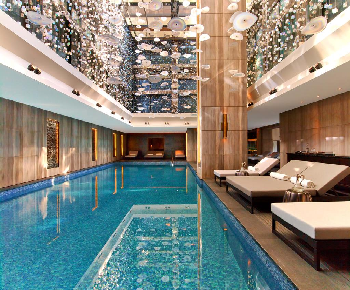
Many Turkish clinics partner with luxury hotels offering recovery-specific amenities:
- Private nursing services and on-site medical staff
- Accessible rooms with safety features
- In-room dining for post-operative dietary needs
- Airport/hospital VIP transportation
- Translation services
Patients should choose accommodations that support their specific recovery needs, considering mobility limitations, dietary restrictions, and proximity to the medical facility.
Cultural Considerations:
- Turkey is a secular Muslim country with moderate social customs
- Major cities are cosmopolitan and Western-friendly
- Respect local customs and dress modestly in public areas
- Learn basic Turkish phrases for enhanced communication
- Exchange currency at official exchange offices
Post-Operative Care and Follow-Up
Before Departure:
- Receive complete medical records and surgical reports
- Obtain prescriptions for post-operative medications
- Schedule virtual follow-up appointments
- Understand warning signs requiring immediate medical attention
- Arrange communication channels with your surgical team
After Return Home:
- Find a local physician familiar with your procedure for follow-up care
- Maintain communication with your Turkish surgeon regarding complications
- Adhere to post-operative activity restrictions
- Attend all scheduled follow-up appointments (virtual or in-person)
Important Safety Considerations
Understanding Risks
All surgical procedures carry risks, and medical tourism introduces additional considerations. According to the American Society of Plastic Surgeons, patients should carefully weigh risks and benefits. Common risks include:
- Anesthesia complications: Reaction to anesthesia, breathing difficulties
- Infection: Surgical site infections requiring treatment
- Poor wound healing: Delayed healing, excessive scarring
- Unsatisfactory results: Asymmetry, contour irregularities, need for revision
- Blood clots: Deep vein thrombosis (DVT) and pulmonary embolism risk
Medical tourism-specific risks include:
- Limited follow-up care: Distance complicates post-operative monitoring
- Communication barriers: Language differences affecting understanding
- Revision surgery challenges: Additional travel and costs for corrections
- Insurance coverage gaps: Many policies exclude complications from overseas procedures
Choosing a Qualified Surgeon
The ASPS patient safety guidelines recommend:
- Verify board certification in plastic surgery
- Confirm hospital privileges at accredited facilities
- Review before/after photos of similar procedures
- Request patient testimonials from your home country
- Ensure clear communication about expectations and risks
Avoid surgeons who:
- Offer prices dramatically below market rates without explanation
- Make unrealistic promises or guarantees
- Lack proper credentials or hospital affiliations
- Pressure you to decide quickly without adequate consultation
Insurance and Complications
Most health insurance policies do not cover complications from procedures performed abroad. Patients should:
- Purchase specialized medical tourism insurance
- Understand revision surgery policies and costs
- Plan financially for potential complications requiring additional treatment
- Arrange access to emergency funds if needed
Frequently Asked Questions
Is cosmetic surgery in Turkey safe?
Yes, when performed at JCI-accredited hospitals by qualified surgeons, cosmetic surgery in Turkey meets international safety standards. Turkey has more than 50 JCI-accredited hospitals and follows rigorous quality protocols. However, patients must research providers carefully, as standards can vary between facilities.
How much can I save by having surgery in Turkey?
Patients typically save 50-80% compared to US and European prices. For example, a hair transplant costing $2,000-$3,000 in Turkey would cost $10,000-$20,000 in the United States. These savings result from lower operational costs, not compromised quality.
How long should I stay in Turkey after surgery?
Recovery time varies by procedure: hair transplantation (2-3 days), rhinoplasty (5-7 days), breast augmentation (7-10 days), liposuction (5-7 days), tummy tuck (10-14 days). Most clinics include hotel stays in all-inclusive packages.
Will language barriers be a problem?
Most major hospitals and clinics employ English-speaking staff and provide translation services. Turkish doctors serving international patients typically communicate fluently in English. Verify language support before booking.
What happens if I experience complications after returning home?
This is a significant consideration in medical tourism. Discuss revision policies with your surgeon before traveling. Some clinics offer virtual follow-up and may cover revision costs within a specified timeframe. Many medical tourism insurance policies cover complications.
Are the results comparable to surgery in my home country?
When performed by qualified, experienced surgeons, results can be comparable or superior to those achieved elsewhere. Turkey’s high surgical volume provides extensive expertise. However, results depend on individual surgeon skill—research is essential.
Can I combine multiple procedures?
Yes, many patients combine procedures (e.g., breast augmentation with tummy tuck, rhinoplasty with chin augmentation). Combination procedures offer additional cost savings and single recovery periods but may increase surgical risks. Discuss safety with your surgeon.
How do I verify a surgeon’s qualifications?
Check credentials through:
- Turkish Society of Plastic, Reconstructive and Aesthetic Surgeons
- ISAPS member directory
- Hospital verification (JCI accreditation via Joint Commission directory)
- Professional references and patient reviews
Important Disclaimer
The content provided herein is for informational purposes only and does not constitute medical advice, diagnosis, or treatment. Cosmetic surgery involves risks and potential complications. All surgical decisions should be made in consultation with qualified, licensed healthcare professionals who can evaluate your individual medical history, health status, and aesthetic goals.
The costs, statistics, and information presented are based on available data at the time of writing and may vary by individual circumstances, surgeon, facility, and geographic location. Always verify current pricing, credentials, accreditation status, and regulations directly with healthcare providers and official government sources.
Best Cosmetic Hospitals does not provide medical services, referrals, or endorsements of specific surgeons or facilities. Patients must conduct their own due diligence, seek multiple professional opinions, and understand all risks before proceeding with any medical procedure, whether domestically or abroad.
The inclusion of external links and resources does not constitute endorsement. Patients should consult with licensed medical professionals and verify all information through official channels before making healthcare decisions.