
Accredited Cosmetic Surgery Clinics in Mexico | Complete Guide
Guide to JCI-accredited cosmetic surgery clinics in Mexico. Verify board-certified surgeons, understand safety protocols, and medical tourism guidelines.
Overview of Cosmetic Surgery in Mexico
Mexico has emerged as a leading destination for cosmetic surgery and medical tourism, attracting patients from the United States, Canada, and worldwide. The country offers significant cost savings—typically 50-80% less than comparable procedures in the U.S.—while maintaining quality care through accredited facilities and board-certified surgeons.
The global aesthetic medicine industry continues to expand, with ISAPS reporting nearly 38 million cosmetic procedures performed worldwide in 2024[^1]. Mexico combines accessibility, affordability, and modern healthcare infrastructure, making it particularly attractive for patients seeking cosmetic enhancements in border cities like Tijuana, as well as popular destinations including Cancun, Mexico City, and Guadalajara.
The Mexican healthcare system includes numerous JCI-accredited hospitals and facilities certified by international quality organizations, ensuring that patients receive care that meets rigorous global standards. These accreditations validate that hospitals maintain proper safety protocols, trained medical staff, and emergency response capabilities. The importance of choosing accredited facilities is highlighted by ASPS research showing that travel combined with surgery significantly increases complication risks[^2].
Why Patients Choose Mexico for Cosmetic Surgery
Cost Advantages: Lower operational costs—including malpractice insurance, facility fees, and staff salaries—allow Mexican clinics to offer procedures at 50-80% less than U.S. prices[^3]. A tummy tuck costing $12,000 in the U.S. might range from $4,000-$6,000 in Mexico, while an $8,000 facelift could cost $3,000-$5,000[^4].
Geographic Proximity: For U.S. and Canadian patients, Mexico offers convenient travel with short flight times (2-5 hours from major cities), direct flights to Mexican destinations, and same or adjacent time zones facilitating communication[^5].
Experienced Surgeons: Many Mexican plastic surgeons complete residency training in CMCPER-accredited Mexican programs, followed by fellowship training in the U.S., Europe, or South America. They maintain active memberships in prestigious international organizations like ISAPS (International Society of Aesthetic Plastic Surgery) and The Aesthetic Society[^6].
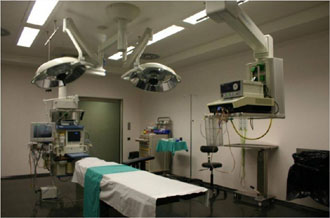
Advanced Technology: JCI-accredited hospitals feature modern operating rooms with advanced anesthesia equipment, on-site laboratory and imaging services, electronic medical records, and emergency response capabilities[^7].
Medical Tourism Infrastructure: Many facilities offer comprehensive packages including procedures, accommodation, transportation, and aftercare coordination, simplifying logistics for international patients.
Accreditation and Quality Standards
When choosing a cosmetic surgery provider in Mexico, understanding accreditation is critical for ensuring safety and quality outcomes.
International Accreditation: Joint Commission International (JCI)
JCI is the gold standard for international hospital accreditation. JCI-accredited facilities in Mexico undergo rigorous evaluation covering:
- Patient safety protocols and infection control measures
- Qualified medical staff with verified credentials
- Emergency preparedness and critical care capabilities
- Medication management and surgical safety checklists
- Facility infrastructure and medical equipment standards
Notable JCI-accredited facilities offering cosmetic surgery in Mexico include:
- Hospital CER Tijuana – Certified bariatric and plastic surgery center with board-certified surgeons[^8]
- Hospital CYNTAR – JCI-accredited multispecialty surgical hospital minutes from the San Diego/U.S. border[^9]
- Galenia Hospital – Full-service hospital with JCI accreditation and multiple international certifications[^10]
- Riviera Institute For Plastic Surgery (Cancún) – JCI-accredited clinic specializing in plastic surgery[^11]
- Christus Muguerza – Major hospital network with JCI-accredited facilities across Mexico[^12]
Patients should verify current accreditation status through the official Joint Commission International directory, as accreditations require renewal and can change[^13].
Mexican Board Certification: CMCPER
The Consejo Mexicano de Cirugía Plástica, Estética y Reconstructiva (CMCPER) serves as the primary board certification body for plastic surgeons in Mexico. As the only certifying organization for aesthetic and reconstructive plastic surgeons in Mexico, CMCPER is accredited by CONACEM (Comité Normativo Nacional de Consejos de Especialidades Médicas)[^14].
This credential indicates that a surgeon has:
- Completed specialized residency training in plastic, aesthetic, and reconstructive surgery
- Passed comprehensive written and oral examinations
- Demonstrated expertise in surgical safety and ethical practices
- Committed to ongoing medical education and skill development
How to Verify CMCPER Certification:
Patients should verify credentials through the official CMCPER directory (directorio.cmcper.mx), which contains over 2,000 certified plastic surgeons and allows searching by name, city, state, or certificate number[^15]. Additional verification steps include:
- Checking the surgeon’s professional license (cédula profesional) through the Mexican Ministry of Education
- Asking the surgeon directly for their CMCPER certification number
- Contacting CMCPER directly to verify certification validity
Caution: Some surgeons may list credentials that sound similar to board certification but are not equivalent. Only CMCPER certification confirms completion of a plastic surgery residency and passage of board examinations[^16].
Professional Society Memberships
While board certification (CMCPER) indicates baseline qualification, additional memberships reflect professional engagement and adherence to evolving standards:
- AMCPER (Asociación Mexicana de Cirugía Plástica, Estética y Reconstructiva) – Mexican professional association
- ISAPS (International Society of Aesthetic Plastic Surgery) – Global organization with safety guidelines
- The Aesthetic Society – Prestigious U.S.-based society emphasizing patient safety and education
- ASPS (American Society of Plastic Surgeons) – Leading organization requiring U.S. board certification
These memberships often require continuing education, ethical practice commitments, and peer review participation.
Surgical Facility Accreditation
Beyond hospital accreditation, surgical facilities should maintain proper certifications including:
- COFEPRIS approval – Mexican federal commission for health protection and regulation
- Operating room standards – Proper equipment, anesthesia capabilities, and sterilization protocols
- Emergency transfer agreements – Arrangements with nearby hospitals for complications
Verify that your chosen surgeon operates in an accredited facility rather than a non-certified office-based surgical suite.
Specialties and Common Procedures
Mexican cosmetic surgery clinics offer comprehensive services spanning surgical and non-surgical treatments. The most commonly sought procedures include:
Surgical Procedures
Body Contouring Surgery
- Liposuction – Fat removal using VASER, power-assisted, or laser techniques
- Tummy Tuck (Abdominoplasty) – Abdominal contouring with muscle tightening
- Brazilian Butt Lift – Fat transfer to enhance buttock shape and volume
- Body Lift – Comprehensive circumferential body contouring after weight loss
Breast Surgery
- Breast Augmentation – Implant placement (saline, silicone, gummy bear) or fat transfer
- Breast Lift (Mastopexy) – Repositioning and reshaping sagging breasts
- Breast Reduction – Reducing breast size for comfort and proportion
- Breast Reconstruction – Post-mastectomy restoration using implants or tissue transfer
Facial Plastic Surgery
- Rhinoplasty – Nasal reshaping for aesthetic or functional improvement
- Facelift (Rhytidectomy) – Lower face and neck rejuvenation
- Brow Lift – Forehead and eyebrow elevation
- Eyelid Surgery (Blepharoplasty) – Upper and/or lower eyelid rejuvenation
- Neck Lift – Eliminating excess skin and fat in the neck area
- Ear Surgery (Otoplasty) – Reshaping protruding or prominent ears
- Chin Implant – Enhancing jawline projection and definition
- Lip Lift – Shortening the upper lip for a more youthful appearance
Non-Surgical Treatments
- Botox and Neuromodulators – Reducing dynamic wrinkles and fine lines
- Dermal Fillers – Restoring volume in cheeks, lips, temples, and nasolabial folds
- Thread Lifts – Minimally invasive facial lifting using dissolvable sutures
- Chemical Peels – Improving skin texture and tone with medical-grade solutions
- Laser Skin Resurfacing – Ablative and non-ablative treatments for sun damage, scars, wrinkles
- Laser Hair Removal – Permanent hair reduction using advanced laser platforms
- Microneedling – Collagen induction therapy with or without radiofrequency
- Platelet-Rich Plasma (PRP) – Regenerative therapy for skin and hair restoration
Combination Procedures
Many patients choose multiple procedures in a single surgical session—often called a “mommy makeover” combining breast surgery with tummy tuck, or facial procedures performed together for comprehensive rejuvenation.
Combining surgeries can reduce overall costs and recovery time, but increases surgical duration and complexity. Only board-certified surgeons operating in accredited facilities with proper anesthesia support should perform combination procedures.
Key Locations for Cosmetic Surgery in Mexico
Tijuana
Tijuana is the most popular destination for U.S. patients seeking cosmetic surgery in Mexico, located just across the border from San Diego, California.
Advantages:
- Easy driving access from Southern California and Arizona
- High concentration of JCI-accredited facilities
- Many surgeons with U.S. training and bilingual staff
- Established medical tourism infrastructure
Notable Facilities:
- Hospital CER, Hospital BC, EvoClinic, Hospital CYNTAR—all JCI-accredited
- Specialize in body contouring, breast surgery, and facial procedures
Mexico City
As the capital, Mexico City offers sophisticated medical centers with academic affiliations and research programs.
Advantages:
- Top-tier hospitals with international accreditations
- Access to subspecialist surgeons for complex cases
- Advanced medical technology and clinical trials
Notable Facilities:
- Médica Sur – Newsweek-recognized as Mexico’s best hospital multiple years
- Hospital Angeles, ABC Medical Center – major private hospital networks
Cancun and Riviera Maya
Popular vacation destination combining cosmetic surgery with beach recovery.
Advantages:
- Resort-style recovery accommodations
- Specialized in medical tourism packages
- Excellent for patients desiring privacy and relaxation
Notable Facilities:
- Plastic Surgery Riviera – Board-certified surgeons with all-inclusive packages
- Various boutique clinics serving international clientele
Guadalajara
Mexico’s second-largest city with established medical infrastructure.
Advantages:
- Lower costs than border cities
- Traditional Mexican culture and hospitality
- Growing medical tourism sector
Other Notable Cities
- Monterrey – Industrial hub with modern hospitals
- San José del Cabo – Smaller medical tourism destination
- Puerto Vallarta – Coastal city with growing healthcare offerings
Why Choose Cosmetic Surgery in Mexico?
Cost Savings Without Compromising Quality
The primary advantage remains significant financial savings—50-80% less than U.S. pricing for comparable procedures. A $12,000 tummy tuck in the U.S. might cost $4,000-$6,000 in Mexico, while a $8,000 facelift could be $3,000-$5,000.
These savings result from lower operational costs—malpractice insurance, facility fees, and staff salaries—not from compromised quality or safety standards.
Accessibility and Convenience
For North American patients, Mexico offers:
- Short flight times (2-5 hours from major U.S. cities)
- Direct flights to major Mexican cities
- Same or adjacent time zones facilitating communication
- Easy ground transportation from border cities
Highly Qualified Surgeons
Many Mexican plastic surgeons complete:
- Residency training in Mexican programs accredited by CMCPER
- Fellowship training in the U.S., Europe, or South America
- Active participation in international organizations (ISAPS, The Aesthetic Society)
- Continuing education in advanced surgical techniques
Modern Facilities and Technology
JCI-accredited hospitals feature:
- Advanced operating rooms with modern anesthesia equipment
- On-site laboratory and imaging services
- Electronic medical records and telemedicine capabilities
- Private recovery rooms with bilingual nursing staff
- Emergency response capabilities and intensive care units
Personalized Care and Attention
Smaller patient volumes and lower overhead allow Mexican clinics to offer:
- Lengthy pre-operative consultations (unlike rushed U.S. appointments)
- Direct surgeon communication via WhatsApp and phone
- Personalized aftercare with accessible follow-up
- Comprehensive medical tourism coordination
How to Verify Your Surgeon and Facility
Researching and verifying credentials is the most critical step in ensuring safe cosmetic surgery in Mexico. Follow this comprehensive verification process:
Step 1: Verify Board Certification
Check CMCPER certification through the official Mexican Board of Plastic Surgery directory. Search by:
- Surgeon’s full name
- Medical license number (cedula profesional)
Look for: “Certificado por el Consejo Mexicano de Cirugía Plástica, Estética y Reconstructiva”
Caution: Some surgeons may list credentials that sound similar to board certification but are not equivalent. Only CMCPER certification confirms completion of a plastic surgery residency and passage of board examinations.
Step 2: Check Professional Memberships
Verify memberships in recognized organizations:
- ISAPS (International Society of Aesthetic Plastic Surgery)
- The Aesthetic Society (formerly ASAPS)
- AMCPER (Asociación Mexicana de Cirugía Plástica)
- ASPS (American Society of Plastic Surgeons)
While membership does not replace board certification, it indicates professional engagement and commitment to ongoing education.
Step 3: Verify Facility Accreditation
Confirm your surgical facility holds proper accreditation:
- JCI accreditation – Search the Joint Commission International directory
- COFEPRIS approval – Mexican health commission registration
- Hospital affiliation – Verify the facility is a licensed hospital, not just an office
Ask specifically: “Where will my surgery be performed? Is that facility JCI-accredited?”
Step 4: Research Online Reputation
Check multiple independent sources:
- Google Reviews – Look for patterns in feedback, not just star ratings
- RealSelf – Procedure-specific reviews with photos
- Social media – Instagram and Facebook for practice activity and patient testimonials
- Forums – Reddit and specialized medical tourism communities
Red flags:
- Numerous complaints about communication problems
- Reports of hidden fees or unexpected charges
- Patients describing complications with inadequate follow-up
- Refusal to provide references or connect with past patients
Step 5: Review Before-and-After Photos
Request to see:
- Photos of patients with similar anatomy and goals
- Multiple angles of the same result
- Photos taken at least 6-12 months post-op (final results)
- Unretouched photos without filters
Be cautious if a surgeon only shows their “best” results or refuses to show anything but highly selected cases.
Step 6: Verify Communication and Accessibility
Test responsiveness before committing:
- Send specific questions via email or WhatsApp
- Note response time and thoroughness
- Request a video consultation before booking
- Confirm English proficiency if you’re not fluent in Spanish
Poor pre-operative communication often predicts problems post-operatively.
Step 7: Request Transparent Pricing
Obtain detailed written quotes including:
- Surgeon’s fee
- Anesthesia fees
- Operating room/facility fees
- Pre-operative testing (labs, imaging)
- Post-operative garments and medications
- Follow-up appointments
- Revision policy (if complications occur)
Avoid: Packages that seem “too good to be true” or pricing that lacks itemized breakdowns.
Safety Considerations and Preparation
Understanding the Risks
All surgery carries risk regardless of location. ASPS research demonstrates that travel combined with surgery significantly increases complication risks[^17]. Common surgical risks include:
- Bleeding and hematoma – Blood accumulation requiring drainage
- Infection – Surgical site infections needing antibiotics or treatment
- Anesthesia complications – Adverse reactions to anesthesia medications
- Poor wound healing – Delayed healing, visible scarring, or wound separation
- Unsatisfactory results – Asymmetry, contour irregularities, or need for revision
Medical tourism research has identified these complications:
- Local surgical complications: Seroma (fluid accumulation), hematoma, infection, wound breakdown, and implant loss[^18]
- Systemic complications: Deep vein thrombosis (DVT), pulmonary embolism, and other clotting issues
- Post-travel complications: Difficulty accessing follow-up care when returning home, communication barriers, and challenges with legal recourse due to different malpractice laws and regulations
Academic studies emphasize that complications from plastic surgery tourism can be “expensive to treat and strain hospital resources” when patients return home with problems[^19].
Minimizing Your Risk
Choose accredited providers: Only select surgeons and facilities meeting the verification criteria outlined above.
Plan adequate recovery time: Stay in Mexico for at least 7-10 days post-surgery before flying. Longer stays allow for:
- Initial healing and drain removal
- Early detection of complications
- Direct surgeon access for concerns
Arrange appropriate accommodations: Book:
- Ground-floor rooms or elevators (avoid stairs after surgery)
- Comfortable seating with proper back support
- Access to pharmacies and medical supplies
- Nearby hospital in case of emergency
Understand your insurance coverage:
- Most U.S. health insurance does not cover complications from elective procedures performed abroad
- Consider travel medical insurance with surgical coverage
- Clarify revision policies with your surgeon—what happens if you need additional surgery?
Pre-Operative Preparation
Medical clearance:
- Complete required lab tests and imaging (CBC, metabolic panel, EKG if indicated)
- Obtain medical clearance from your primary care physician if you have medical conditions
- Stop smoking at least 4-6 weeks before surgery (smoking impairs healing)
- Discontinue blood thinners and supplements as directed (aspirin, ibuprofen, fish oil, vitamin E)
Medication management:
- Provide complete medication list including supplements
- Discuss any history of anesthesia reactions or surgical complications
- Arrange for prescription medications to take post-operatively
Lifestyle preparation:
- Maintain stable weight for 3-6 months before body contouring surgery
- Optimize nutrition with adequate protein for healing
- Arrange for someone to accompany you or check on you regularly
Making Your Decision
Deciding to pursue cosmetic surgery in Mexico requires thorough research and careful consideration. Follow this decision-making framework:
Define Your Goals and Priorities
Clearly articulate what you hope to achieve:
- Specific concerns you want addressed
- Your ideal outcome (be realistic)
- Your budget constraints
- Your flexibility on timing and location
Research and Compare Options
Investigate multiple surgeons and facilities:
- Compare credentials and accreditation
- Review before-and-after photos from each provider
- Understand differences in surgical approach and technique
- Obtain detailed pricing from at least 2-3 providers
Communicate Openly
Ask your potential surgeon:
- “How many of these procedures have you performed?”
- “What are your complication rates for this surgery?”
- “What happens if I’m not satisfied with my result?”
- “Can I speak with former patients who had this procedure?”
- “Where will my surgery be performed—is it JCI-accredited?”
- “Who administers anesthesia—what are their credentials?”
Trust Your Instincts
If something feels wrong, it probably is. Red flags during consultation include:
- Pressure to make quick decisions or pay deposits immediately
- Refusal to provide specific answers or transparent pricing
- Promises of “guaranteed” results or “zero risk”
- Unwillingness to show credentials or facility accreditation
- Poor communication or language barriers despite claiming English fluency
Post-Operative Care and Follow-Up
Proper aftercare significantly impacts your final result and complication risk.
Immediate Post-Operative Period (First 48-72 Hours)
Location: Stay in Mexico for initial recovery
- Remain near your surgeon for at least 1 week post-op
- Have access to emergency contact information
- Understand signs of complications requiring immediate attention
Common post-op symptoms:
- Pain managed with prescribed medications
- Swelling and bruising peaking at 48-72 hours
- Limited mobility depending on procedure type
- Temporary numbness in surgical areas
Warning signs (contact surgeon immediately):
- Severe pain not controlled by medication
- Excessive bleeding or rapidly expanding bruising
- Fever over 101°F (38.3°C)
- Redness, warmth, or drainage at incision sites
- Shortness of breath or chest pain
Medium-Term Recovery (Weeks 2-6)
Wound care:
- Keep incisions clean and dry as directed
- Attend all scheduled follow-up appointments before leaving Mexico
- Understand suture removal timeline if non-dissolvable sutures used
- Begin scar management protocols (silicone sheets, massage)
Activity restrictions:
- Avoid strenuous exercise for 4-6 weeks
- No heavy lifting (over 10 pounds) until cleared
- Wear compression garments as directed (typically 4-6 weeks)
- Sleep elevated as recommended for facial procedures
Long-Term Recovery (Months 2-12)
Final results emerge:
- Swelling gradually resolves over 6-12 months
- Scars mature and fade over 12-18 months
- Sensation gradually returns to normal
- Final contour becomes apparent as tissues settle
Maintaining results:
- Stable weight maintenance (especially for body contouring)
- Sun protection for scars (avoid tanning beds)
- Healthy lifestyle with good nutrition and exercise
- Follow-up as needed for touch-up treatments
Internal Navigation Links
Explore related resources on our site:
- Popular Cosmetic Surgery Procedures
- Board-Certified Plastic Surgeons
- Top Medical Tourism Destinations
- Patient Safety Guidelines
- Hospital Accreditation Standards
Important Disclaimer
This content is provided for informational purposes only and does not constitute medical advice. Cosmetic surgery is a serious medical decision with potential risks and complications. Always consult with qualified, licensed healthcare professionals regarding any medical concerns or treatment decisions.
The information presented reflects general medical knowledge and should not replace professional medical evaluation, diagnosis, or treatment. Individual results vary depending on anatomy, surgeon skill, facility quality, and adherence to post-operative instructions.
Verify all surgeon credentials, facility accreditations, and licensing independently. This website does not endorse or recommend specific surgeons, hospitals, or clinics. Regulations, standards, and medical practices vary by location and change over time.
Exercise due diligence in researching and selecting healthcare providers. Do not base decisions solely on cost or convenience. Consider risks, benefits, alternatives, and your individual health circumstances before proceeding with any surgical or medical treatment.