
Best Hospitals in Thailand for Cosmetic Surgery and Medical Tourism
Thailand leads Asia in JCI-accredited hospitals, offering cosmetic surgery at 40-70% savings. Verify credentials, compare facilities, and ensure safe medical tourism.


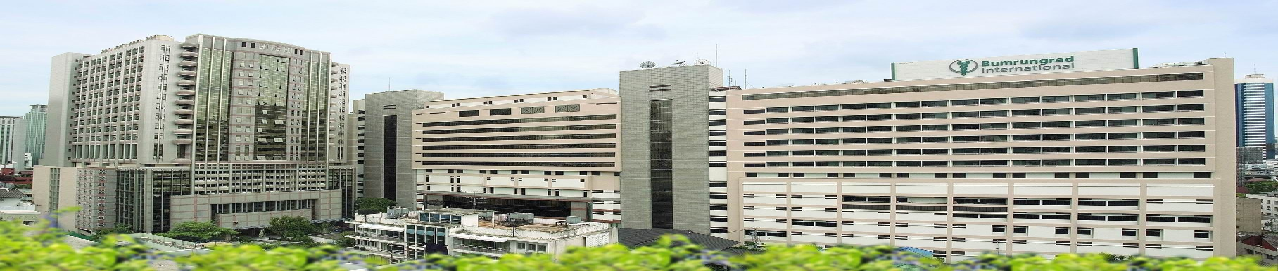

Thailand has emerged as one of the world’s premier medical tourism destinations, combining internationally accredited hospitals with costs 40-70% lower than comparable treatments in Western countries. With over 1.4 million international patients annually and a medical tourism market valued at USD 8.6 billion, Thailand offers JCI-accredited facilities, English-speaking medical staff, and a mature healthcare infrastructure that ranks among the top 3 global destinations for medical travelers according to Statista and IMARC Group market research.
Quick Answer
Thailand is one of the world’s best medical tourism destinations for cosmetic surgery because it offers the highest concentration of JCI-accredited hospitals in Southeast Asia, combined with costs 40-70% lower than the United States, United Kingdom, or Australia. The country receives over 1.4 million international patients annually, with major hospitals like Bumrungrad International, Bangkok Hospital, Samitivej, and Yanhee providing specialized cosmetic surgery services including breast augmentation, rhinoplasty, facelifts, tummy tucks, and gender reassignment surgery.
For most cosmetic surgery patients, Bangkok offers the best combination of JCI-accredited facilities, internationally trained surgeons, and comprehensive post-operative care. Phuket serves as an excellent alternative for those seeking resort-style recovery environments, while Chiang Mai provides budget-friendly options with quality care.
Cost advantages are significant: breast augmentation costs $3,000-$5,500 (versus $10,000-$15,000 in the US), rhinoplasty $2,500-$4,500 (versus $8,000-$15,000), facelifts $3,000-$6,000, tummy tucks $3,500-$6,000, and complete male-to-female sex reassignment surgery $13,500-$15,000 according to Bookimed and medical tourism pricing data.
Medical Tourism Snapshot
Thailand’s medical tourism industry represents a USD 8.6 billion market projected to reach USD 9.5 billion by 2025 according to Credence Research. The country currently welcomes over 1.4 million international patients annually, with year-on-year growth of 8% in medical-related searches according to IMARC Group market data. This positions Thailand as the world’s leading destination for medical tourism, recently reaching top 3 globally in international patient volume.
The industry serves a diverse patient population, with over 60% of international patients traveling specifically for medical treatment rather than combining care with leisure travel. The private hospital sector alone accounts for approximately USD 3 billion in value, driven by high-quality healthcare services, competitive pricing, advanced medical technology, and the integration of wellness tourism with medical procedures according to multiple market research firms.
Thailand’s medical tourism infrastructure benefits from over three decades of continuous development, with hospitals establishing dedicated international patient centers, comprehensive translation services, and specialized medical tourism coordination teams. The country’s strategic location in Southeast Asia provides convenient access from major Asian markets, while extensive flight connections make it accessible from Europe, Australia, and increasingly from North America.
Best Hospitals in Thailand at a Glance
Thailand leads Southeast Asia with the highest concentration of JCI-accredited hospitals, offering specialized cosmetic surgery centers across major cities. Bangkok serves as the primary medical hub with the greatest concentration of internationally accredited facilities, while Phuket and Chiang Mai provide regional alternatives with unique advantages for medical tourists.
Bumrungrad International Hospital (Bangkok) stands as Thailand’s flagship medical facility, achieving the distinction as the first hospital in Asia to receive JCI accreditation. The hospital treats over 1.1 million patients annually, including 520,000 international patients, with specialized centers for cosmetic surgery, breast surgery, and gender affirmation procedures. Their International Medical Center provides comprehensive coordination services for medical tourists.
Bangkok Hospital operates a network of facilities throughout Thailand, with their flagship Sukhumvit campus and specialized branches in Phuket, Chiang Mai, Pattaya, and Hua Hin. The network maintains JCI accreditation across multiple locations, offering standardized quality care with the convenience of choosing your preferred recovery environment from urban Bangkok to beach resorts in Phuket.
Samitivej Sukhumvit Hospital (Bangkok), part of the BDMS network, provides specialized cosmetic surgery services with a reputation for personalized patient care and modern facilities. Their international patient services include dedicated coordinators, translation support, and comprehensive medical tourism packages tailored to specific procedures.
Yanhee Hospital (Bangkok) has established particular expertise in gender reassignment surgery and comprehensive cosmetic procedures, serving international patients for over three decades. Their Gender Reassignment Surgery Center offers complete male-to-female and female-to-male procedures with extensive experience in complex gender affirmation surgeries.
Bangkok Hospital Phuket brings JCI-accredited care to Thailand’s premier beach destination, allowing patients to combine cosmetic surgery with resort recovery. The facility offers comprehensive cosmetic surgery services with the advantage of post-operative recovery in a relaxed tropical environment.
Kamol Cosmetic Hospital (Bangkok) specializes in aesthetic medicine and gender reassignment surgery, offering comprehensive SRS services with competitive pricing. Their focus on cosmetic and gender affirmation procedures has established them as a preferred choice for patients seeking these specialized treatments.
Detailed Hospital Profiles
Bumrungrad International Hospital
Bumrungrad International Hospital represents Thailand’s most prestigious medical facility, serving as a flagship institution for the country’s medical tourism industry. Founded in 1980, Bumrungrad became the first hospital in Asia to achieve JCI accreditation in 2002, setting the standard for international quality healthcare in the region. The hospital treats over 1.1 million patients annually, with international patients representing nearly half of this volume according to hospital data.
Their cosmetic surgery center offers comprehensive procedures including breast augmentation, lifts, and reduction, facial rejuvenation surgery, body contouring, and specialized gender reassignment surgery. The hospital maintains specialized centers for breast health, aesthetic surgery, and gender affirmation, providing integrated care from consultation through post-operative recovery.
Bumrungrad’s International Medical Center provides dedicated services for medical tourists, including visa assistance, airport pickup, accommodation coordination, interpreter services, and international insurance coordination. Their facility features modern operating rooms, advanced imaging technology, and intensive care capabilities for managing complications.
The hospital’s medical staff includes surgeons with international training from the United States, United Kingdom, Japan, and Australia. Many surgeons hold board certifications from both Thai and international specialty boards, with particular strength in plastic surgery, aesthetic medicine, and gender reassignment procedures.
Bangkok Hospital Network
Bangkok Hospital operates Thailand’s largest network of private hospitals, with JCI accreditation at their flagship Bangkok facility and multiple provincial locations. Established in 1972, Bangkok Hospital has served international patients for over five decades, developing comprehensive medical tourism programs that extend beyond their Bangkok headquarters to Phuket, Chiang Mai, Pattaya, Hua Hin, and Hat Yai.
Their Bangkok flagship hospital offers specialized cosmetic surgery centers for breast procedures, facial surgery, body contouring, and gender reassignment. The hospital maintains advanced surgical suites, comprehensive diagnostic capabilities, and dedicated international patient floors with English-speaking nursing staff.
Bangkok Hospital Phuket provides identical quality standards in a resort setting, allowing patients to recover in beach-front accommodations while maintaining access to JCI-accredited medical care. The Phuket facility offers comprehensive cosmetic surgery services with the advantage of combining treatment with vacation recovery.
The network’s medical tourism packages typically include airport transfers, hospital accommodation, interpreter services, procedure coordination, and post-operative follow-up. Their established international patient centers provide single-point coordination for all aspects of medical travel.
Samitivej Sukhumvit Hospital
Samitivej Sukhumvit Hospital, part of the Bangkok Dusit Medical Services (BDMS) network, provides personalized cosmetic surgery services in a modern facility designed for patient comfort. Located on Sukhumvit Road in Bangkok’s central district, Samitivej offers convenient access to international restaurants, hotels, and shopping areas that serve medical tourists.
Their cosmetic surgery department provides breast augmentation, lifts, and reconstruction, facial rejuvenation including facelifts and eyelid surgery, body contouring procedures, and comprehensive aesthetic medicine. The hospital maintains modern operating theaters and emphasizes personalized care with lower nurse-to-patient ratios than larger facilities.
Samitivej’s international patient services include dedicated coordinators, translation in multiple languages, accommodation assistance, and visa support. Their boutique approach appeals to patients seeking personalized attention and a quieter hospital environment compared to Bangkok’s larger medical centers.
The hospital’s medical staff includes board-certified plastic surgeons with international training, many of whom have completed fellowships in the United States, Europe, or Japan. The hospital maintains affiliations with international medical centers, enabling collaboration on complex cases.
Yanhee Hospital
Yanhospital has established particular expertise in gender reassignment surgery and comprehensive cosmetic procedures over three decades of serving international patients. Their Gender Reassignment Surgery Center offers complete male-to-female and female-to-male procedures, with surgeons performing hundreds of these operations annually according to hospital data.
Beyond gender surgery, Yanhee provides comprehensive cosmetic procedures including facial surgery, breast augmentation and reduction, body contouring, and aesthetic treatments. Their facility features dedicated operating suites for gender surgery, specialized post-operative recovery units, and experienced nursing staff familiar with the unique needs of SRS patients.
Yanhee’s international patient services include comprehensive SRS packages that cover procedure costs, hospital stays, medications, and post-operative care. Their long experience with gender surgery patients has established protocols for managing the physical and emotional aspects of gender affirmation procedures.
The hospital’s pricing is competitive compared to other Bangkok facilities, making gender reassignment surgery more accessible to international patients. Their focus on this specialty has established Yanhee as a referral center for complex gender surgery cases.
Bangkok Hospital Phuket
Bangkok Hospital Phuket brings JCI-accredited medical care to Thailand’s premier island destination, allowing patients to combine cosmetic surgery with resort recovery. The facility offers comprehensive medical services including specialized cosmetic surgery, emergency care, and diagnostic capabilities in a modern hospital setting.
Their cosmetic surgery services include breast augmentation, lifts, and reduction, facial rejuvenation procedures, body contouring including liposuction and tummy tucks, and non-surgical aesthetic treatments. The hospital maintains modern surgical facilities and intensive care capabilities for managing complications.
Phuket’s advantage lies in its environment—patients can recover in beach-front resorts with tropical views, fresh ocean air, and a relaxed pace that supports healing. The island offers extensive accommodation options from luxury resorts to budget hotels, all within easy reach of the hospital.
The facility’s international patient services provide coordination for medical tourists, including airport pickup from Phuket International Airport, accommodation recommendations, interpreter services, and post-operative follow-up. The hospital’s experience with international patients ensures smooth communication and comprehensive support throughout the treatment journey.
Compare Hospitals
Choosing between Thailand’s top hospitals requires understanding their relative strengths across key dimensions including accreditation, specialized expertise, pricing, location advantages, and support services for international patients.
Accreditation and Quality Standards: All major Bangkok hospitals (Bumrungrad, Bangkok Hospital, Samitivej, Yanhee) maintain JCI accreditation, ensuring adherence to international patient safety standards. Bangkok Hospital Phuket also holds JCI accreditation, bringing equivalent quality to a resort setting. Regional facilities in Chiang Mai, Pattaya, and Hua Hin typically maintain Thai hospital accreditation and may have international certifications like ISO 9001.
Specialized Expertise: Bumrungrad leads in comprehensive medical care with the widest range of specialties, making it ideal for patients with multiple health concerns. Bangkok Hospital offers consistent quality across their network, allowing treatment in Bangkok with recovery in provincial locations. Yanhee specializes in gender reassignment surgery with extensive experience in complex SRS procedures. Samitivej provides personalized care with boutique hospital appeal.
Pricing Considerations: Yanhee and Kamol Cosmetic Hospital typically offer the most competitive pricing for cosmetic surgery, particularly for gender reassignment procedures. Bangkok Hospital provides mid-range pricing with extensive network advantages. Bumrungrad and Samitivej generally position at premium price points, reflecting their facilities and service levels.
Location Advantages: Bangkok offers the highest concentration of JCI facilities and immediate access to multiple hospitals for second opinions or complications. Phuket combines JCI care with resort recovery environments. Chiang Mai provides lower costs and cultural attractions in a cooler climate. Pattaya and Hua Hin offer beach access with lower costs than Phuket.
International Patient Services: All major hospitals provide international coordinators, interpreter services, and medical tourism packages. Bumrungrad’s International Medical Center is particularly extensive, reflecting decades of experience with foreign patients. Bangkok Hospital’s network-wide coordination allows seamless transitions between locations for patients combining treatment with travel.
How We Selected the Hospitals
This guide evaluates Thailand hospitals based on objective quality standards rather than marketing claims or commercial rankings. Our selection methodology prioritizes accreditation, verifiable credentials, established international patient experience, and transparent safety practices.
Accreditation Verification: We include only hospitals with verifiable JCI accreditation or equivalent international certifications, confirmed through official accrediting body directories rather than hospital marketing materials. JCI accreditation represents the gold standard for hospital quality worldwide, requiring rigorous evaluation of patient safety, infection control, surgical protocols, and quality improvement systems according to Joint Commission International standards.
International Patient Experience: We prioritize hospitals with established international patient centers, dedicated medical tourism coordinators, and documented experience treating patients from your home country. Hospitals serving over 10,000 international patients annually demonstrate the infrastructure and protocols needed for safe medical tourism.
Specialized Expertise: We highlight hospitals with demonstrated expertise in specific procedures, particularly gender reassignment surgery, breast reconstruction, and complex facial procedures. Board certification in relevant specialties, procedural volume, and recognized specialty centers indicate focused expertise.
Transparent Pricing: We favor hospitals providing published pricing or all-inclusive packages rather than vague estimates. Transparent cost breakdowns for surgeon fees, hospital charges, anesthesia, and post-operative care enable informed decision-making and avoid unexpected expenses.
Safety Infrastructure: We consider hospital capabilities for managing complications, including intensive care units, emergency departments, blood banks, and established protocols for transferring patients to higher-level care if needed. JCI-accredited hospitals demonstrate these capabilities through their accreditation process.
Patient Feedback Patterns: While individual testimonials cannot be verified, we consider patterns in patient feedback across multiple independent platforms regarding communication, safety practices, and outcomes. Consistently positive feedback about safety and outcomes supports inclusion in our guide.
Hospital Accreditation and Licensing
Understanding Thailand’s hospital accreditation system is essential for selecting safe medical facilities. The country employs multiple accreditation frameworks that assess different aspects of hospital quality and patient safety.
Joint Commission International (JCI) Accreditation represents the most rigorous standard for hospital quality in Thailand and worldwide. JCI evaluates hospitals across approximately 300 standards covering patient safety, quality improvement, infection control, medication management, surgical safety, patient rights, facility management, and emergency preparedness. Thailand leads Southeast Asia with over 60 JCI-accredited facilities, the highest concentration in the region according to JCI official data.
Healthcare Accreditation Thailand (HA Thailand) operates as the national hospital accreditation body, assessing hospitals against Thai healthcare standards. HA Thailand accreditation indicates compliance with national quality requirements and serves as a baseline standard. Many JCI-accredited hospitals also maintain HA Thailand certification as part of their commitment to comprehensive quality standards.
ISO 9001 Certification demonstrates that a hospital has implemented international quality management systems covering organizational processes, documentation, and continuous improvement. While ISO 9001 is not healthcare-specific, it indicates systematic quality management practices that support patient safety.
International Certifications include Global Healthcare Accreditation (GHA), which specializes in medical tourism patient experience, and various disease-specific certifications from international societies. These certifications indicate specialized expertise in particular areas of care.
Licensing Requirements: All hospitals in Thailand must be licensed by the Thai Ministry of Public Health, meeting baseline requirements for facility standards, medical equipment, staffing ratios, and emergency capabilities. Ministry licensing represents the minimum legal requirement for operation, while accreditations indicate voluntary achievement of higher quality standards.
Verification Process: Always verify accreditation claims independently through official accrediting body websites. Hospital marketing materials may claim accreditations that have expired, apply only to specific facilities rather than entire hospital networks, or represent unsubstantiated claims. Official directories provide current, verified accreditation status.
What Accreditation Does and Does Not Mean
Hospital accreditation provides important quality assurances but has limitations that medical tourists should understand. Understanding what accreditation does and does not guarantee prevents unrealistic expectations and supports informed decision-making.
What Accreditation Does Mean: JCI accreditation indicates that a hospital meets rigorous international standards for patient safety, infection prevention, medication management, surgical protocols, quality improvement, and emergency preparedness. Accredited hospitals undergo thorough on-site surveys every three years, maintaining continuous compliance with evolving standards. Accredited facilities demonstrate commitment to transparent quality reporting and continuous improvement.
What Accreditation Does Not Mean: Accreditation does not guarantee specific surgical outcomes, eliminate all complication risks, ensure individual surgeon qualifications, or guarantee positive results. An excellent surgeon can practice in a poorly accredited hospital, and an average surgeon can work in an excellent hospital. Accreditation assesses hospital systems and infrastructure, not individual physician skill or procedure-specific outcomes.
Limitations of Hospital-Focused Accreditation: Current accreditation systems evaluate hospital infrastructure and processes but do not assess individual surgeon expertise, procedural volume, or specialty-specific outcomes. A hospital accredited for general excellence may have weak performance in specific surgical areas. Surgeon credentials and experience with your specific procedure matter more for outcomes than hospital accreditation alone.
Beyond Accreditation: Look for procedure-specific indicators like surgical fellowship training, board certification in relevant specialties, hospital departmental accreditations (such as breast center or bariatric surgery center designations), and high annual procedural volume. The best hospitals combine excellent infrastructure with specialized expertise in your specific procedure.
Verification Importance: Hospital marketing materials frequently reference accreditation without specifying which certifications apply to which facilities. Network hospitals may claim group accreditations that apply only to specific locations. Always verify the accreditation status of the specific facility where your procedure will occur through official accrediting directories.
How to Verify a Surgeon
Verifying surgeon qualifications independently is the most critical step in planning safe medical tourism. Hospital affiliation does not guarantee surgeon expertise, and marketing materials cannot substitute for direct verification of credentials, training, and experience.
Thai Medical License Verification: All physicians practicing in Thailand must hold licenses from the Thai Medical Council. Verify your surgeon’s license through the Thai Medical Council website or contact the council directly. Unlicensed practitioners represent a significant safety risk that can be avoided through basic verification.
Board Certification: Check whether your surgeon holds board certification in plastic surgery or relevant specialties through the Thai Board of Surgical Specialty or equivalent international boards. Board certification indicates completion of accredited residency training and passage of rigorous specialty examinations. General practitioners without surgical specialty training may perform cosmetic procedures in some settings—avoid these providers for surgical care.
Specialty Training: Determine whether your surgeon completed accredited residency training in plastic surgery or relevant specialties. Many Thai surgeons pursue additional fellowship training internationally—in the United States, Europe, Japan, or Australia—indicating advanced specialized expertise. Ask specifically about residency programs and fellowship training.
Procedural Volume: Ask how many of your specific procedure the surgeon performs annually. High-volume surgeons (performing 50+ procedures annually) demonstrate better outcomes than low-volume surgeons according to surgical safety research. Be cautious about surgeons who rarely perform your procedure but agree to do it anyway.
Professional Memberships: Look for membership in recognized international societies such as the International Society of Aesthetic Plastic Surgery (ISAPS), the American Society of Plastic Surgeons (ASPS), or equivalent Thai professional societies. Society membership requires meeting credential standards and indicates engagement with current specialty practice.
Hospital Privileges: Confirm that your surgeon has admitting and operating privileges at a JCI-accredited hospital for your specific procedure. Hospital credentialing processes verify surgeon qualifications before granting privileges, providing an additional quality check. Surgeons without hospital privileges may present safety risks.
Hospital Quality and Safety Indicators
Beyond accreditation, specific quality and safety indicators help distinguish excellent hospitals from adequate ones. Understanding these indicators supports informed hospital selection and realistic safety expectations.
Infection Control Programs: Excellent hospitals maintain comprehensive infection prevention programs including hand hygiene monitoring, surgical site infection surveillance, antibiotic stewardship protocols, and environmental cleaning standards. Ask about hospital infection rates for surgical procedures—top facilities track and publicly report this data.
Surgical Safety Protocols: JCI-accredited hospitals implement World Health Organization surgical safety checklists, pre-operative verification processes, site marking protocols, and anesthesia safety checks. These evidence-based practices reduce wrong-site surgery, anesthesia complications, and preventable surgical errors according to patient safety research.
Intensive Care Capabilities: Complications requiring critical care can occur after major surgery. Ensure hospitals maintain intensive or high-dependency care units with 24/7 physician coverage, ventilator support, hemodynamic monitoring, and emergency airway management capabilities. These resources provide critical safety nets if complications develop.
Emergency Department Access: Hospitals maintaining 24/7 emergency departments with physician and nursing coverage can manage urgent complications around the clock. On-site emergency departments provide faster response times than facilities that must transfer patients elsewhere for emergency care.
Blood Bank and Laboratory Services: Comprehensive on-site laboratory testing and blood banking support safe surgery by enabling rapid response to bleeding emergencies and intra-operative testing. Hospitals without these capabilities must transfuse or test off-site, creating delays that can compromise safety during emergencies.
Quality Improvement Programs: Top hospitals maintain active quality improvement programs that track outcomes, complications, patient satisfaction, and adherence to evidence-based protocols. These programs demonstrate commitment to continuous quality enhancement and transparency about performance.
Best Cosmetic Surgery Procedures in Thailand
Thailand’s reputation in medical tourism rests heavily on excellence in cosmetic surgery and aesthetic medicine. The country’s hospitals and surgeons have established particular expertise in procedures that international patients seek most frequently.
Sex Reassignment Surgery stands as Thailand’s signature procedure, with the country serving as a global leader in gender affirmation surgery. Hospitals like Yanhee, Kamol Cosmetic, and Bangkok Hospital have performed thousands of male-to-female and female-to-male reassignment surgeries over three decades. Complete male-to-female vaginoplasty costs $13,500-$15,000 according to Bookimed data, representing significant savings compared to Western facilities while maintaining high surgical standards.
Rhinoplasty (nose reshaping) ranks among Thailand’s most popular procedures, with costs ranging from $2,500-$4,500 for primary rhinoplasty according to Bookimed. Thai surgeons perform high volumes of rhinoplasty for both ethnic Asian patients seeking refinement and international patients seeking revision of previous surgeries. Various techniques including cartilage grafting, tip refinement, and dorsal augmentation are commonly performed.
Breast Augmentation represents a core procedure for Thai plastic surgeons, with pricing at $3,000-$5,500 according to multiple medical tourism sources. Both silicone and saline implants are available through brands like Mentor, Allergan, and Motiva. Combined augmentation with lift procedures and revision surgery for previous augmentation complications are commonly performed.
Facelift Surgery for facial rejuvenation costs $3,000-$6,000 in Thailand, representing significant savings compared to Western pricing. Thai surgeons perform traditional full facelifts, mini-facelifts with shorter incisions, and neck lifts combined with facial fat grafting for comprehensive rejuvenation according to hospital pricing data.
Tummy Tuck (Abdominoplasty) procedures cost $3,500-$6,000 according to Thailand pricing data, often combined with liposuction for comprehensive abdominal contouring. Both full tummy tucks and mini-procedures are available, with many patients combining abdominal surgery with other body contouring procedures.
Liposuction for body sculpting starts at $4,000+ according to Bookimed data, with pricing varying by treatment areas (full body vs. targeted areas). Advanced techniques including ultrasound-assisted, laser-assisted, and power-assisted liposuction are available alongside traditional methods.
Non-Surgical Procedures including Botox, dermal fillers, laser resurfacing, and chemical peels are widely available at lower costs than Western countries, often priced at 40-60% savings according to medical tourism cost comparisons.
Best Medical Cities and Hospital Hubs
Thailand’s medical tourism infrastructure extends beyond Bangkok to multiple cities, each offering unique advantages for medical travelers seeking different combinations of medical care, recovery environments, and travel experiences.
Bangkok serves as Thailand’s primary medical hub with the highest concentration of JCI-accredited hospitals in Southeast Asia. Major facilities including Bumrungrad International, Bangkok Hospital, Samitivej, Yanhee, and numerous others cluster along Sukhumvit Road, creating a comprehensive medical district. Bangkok offers advantages including immediate access to multiple hospitals for second opinions, the widest range of surgical sub-specialties, comprehensive diagnostic capabilities, extensive English-speaking medical staff, and established international patient centers. The city’s Suvarnabhumi Airport provides direct flights from major global cities, and the urban environment offers extensive accommodation, dining, and shopping options serving international visitors.
Phuket combines JCI-accredited medical care with Thailand’s premier beach resort environment, making it ideal for patients combining cosmetic surgery with vacation recovery. Bangkok Hospital Phuket provides JCI-accredited care equivalent to Bangkok facilities, while the island offers extensive beach-front resorts, tropical scenery, and a relaxed pace that supports healing. Phuket International Airport provides direct connections from Asian hubs and convenient connections via Bangkok. Lower costs than Bangkok and the mental health benefits of ocean views and fresh air make Phuket attractive for longer recovery periods.
Chiang Mai offers quality medical care with a more relaxed pace and lower costs than Bangkok. Bangkok Hospital Chiang Mai provides JCI-accredited care in northern Thailand’s largest city, complemented by quality university hospitals like McCormick Hospital. Chiang Mai’s advantages include cooler temperatures year-round, lower costs for accommodation and services, rich cultural environment with temples and northern Thai traditions, and a quieter pace ideal for extended recovery. The city serves as a base for exploring northern Thailand’s mountains and hill tribe regions during later recovery phases.
Pattaya and Hua Hin provide beach access with Bangkok Hospital network facilities, offering resort recovery environments closer to Bangkok. These cities serve as compromise options for patients wanting beach recovery without traveling as far as Phuket, with lower costs than Phuket’s premium resorts.
Hat Yai in southern Thailand provides Bangkok Hospital network care for patients from Malaysia and Singapore, offering convenient cross-border medical care access for regional medical tourists.
Cosmetic Surgery Costs in Thailand
Thailand’s primary advantage for medical tourists is significant cost savings without compromising quality. JCI-accredited hospitals offer procedures at 40-70% lower costs than equivalent treatments in Western countries according to multiple medical tourism research sources.
Breast Augmentation costs $3,000-$5,500 in Thailand compared to $10,000-$15,000 in the United States according to Bookimed and international pricing comparisons. This represents 60-70% savings while using the same implant brands (Mentor, Allergan, Motiva) available in Western countries. The procedure typically includes surgeon fees, operating room costs, anesthesia, implants, and post-operative care.
Rhinoplasty (nose job) costs $2,500-$4,500 in Thailand versus $8,000-$15,000 in Western countries according to Bookimed data, representing 50-70% savings. Thai surgeons perform high volumes of both primary rhinoplasty and complex revision surgery, with costs varying by technique complexity and grafting requirements.
Facelift Surgery costs $3,000-$6,000 in Thailand compared to $10,000-$15,000 in the United States according to hospital pricing data, representing 60-70% savings. Both traditional facelifts and mini-procedures are available, with pricing varying by extent of surgery and combination with additional procedures.
Tummy Tuck (Abdominoplasty) costs $3,500-$6,000 in Thailand versus $8,000-$15,000 in Western countries according to medical tourism cost comparisons, representing 50-65% savings. Combined procedures with liposuction or body lifts increase costs but still maintain significant price advantages.
Liposuction costs $4,000+ in Thailand according to Bookimed pricing, compared to $5,000-$10,000 in Western countries, representing 40-60% savings. Pricing varies by treatment areas (full body vs. targeted areas) and technique used (traditional vs. laser-assisted vs. ultrasound-assisted).
Gender Reassignment Surgery costs $13,500-$15,000 for complete male-to-female procedures in Thailand according to Bookimed, compared to $20,000-$30,000+ in Western countries, representing 50%+ savings. Female-to-male procedures cost $12,000-$22,000 depending on technique (metoidioplasty vs. phalloplasty) according to Thailand hospital data.
Non-Surgical Procedures including Botox, fillers, and laser treatments typically cost 40-60% less than Western prices, making combination treatments and maintenance procedures more affordable.
What Your Treatment Quote Should Include
Understanding what should be included in your treatment quote prevents unexpected expenses and enables accurate cost comparisons between hospitals. Comprehensive quotes should detail all anticipated costs associated with your procedure and recovery.
Surgeon Fees should be clearly specified as professional fees for performing the specific procedure. Some hospitals quote combined surgeon fees, while others itemize surgeon, assistant surgeon, and anesthesiologist fees separately. Understanding this breakdown prevents confusion about what is included.
Hospital Charges include facility fees for operating room use, recovery room time, hospital room charges (if overnight stay is required), nursing care, and hospital supplies. These charges typically represent 30-40% of total costs and should be itemized in your quote.
Anesthesia Costs include anesthesiologist professional fees and medications for general anesthesia or sedation. For procedures under local anesthesia, these costs may be minimal but should still be specified.
Implants and Medical Supplies should be specified by brand and model for breast augmentation and other procedures using implants (Mentor, Allergan, Motiva, etc.). Verify that implants are included rather than billed separately, as implants represent significant costs ($1,500-$2,500+ per pair).
Pre-Operative Assessments should include laboratory tests, imaging studies (mammograms, CT scans if needed), and medical clearance consultations. Some hospitals include these in package pricing while others bill separately.
Post-Operative Care typically includes immediate post-operative medications, compression garments, follow-up consultations during your stay, and sometimes post-operative therapies. Clarify how many follow-up visits are included and whether additional visits incur extra charges.
Accommodation and Services may be included in medical tourism packages, including airport pickup, hotel accommodation, hospital stay (if separate from hotel), interpreter services, and coordination assistance. These services add significant value but should be clearly itemized.
Exclusions to Clarify include additional procedures if complications require revision surgery, extended hospital stays beyond standard recovery, medications needed after discharge, and flights or travel costs. Understanding what is NOT included prevents budget overruns.
Insurance, Payments and Cancellation Policies
Understanding financial arrangements, insurance coverage, and cancellation policies before traveling prevents payment complications and ensures clear expectations about financial responsibilities.
Health Insurance Coverage typically excludes international medical treatment for most standard health insurance policies. Your domestic insurance likely does not cover procedures performed outside your home country, except in rare cases with specific international coverage riders. Verify your policy’s coverage for international treatment before assuming any reimbursement—most patients pay out-of-pocket for medical tourism.
Medical Tourism Insurance provides specialized coverage for complications, revision surgery, medical evacuation, and travel disruptions. These policies cost approximately 5-10% of your procedure cost according to medical tourism insurance providers and provide critical protection against complications requiring extended stays or emergency medical transport. Coverage amounts typically range from $50,000-$250,000 depending on policy limits.
Payment Terms vary by hospital, with most requiring full payment before surgery or 50% deposit with balance due before discharge. International patients typically pay via wire transfer, credit card, or cash. Credit card payments may incur foreign transaction fees of 2-3%. Wire transfers may have sender fees and intermediary bank charges that reduce the amount received.
Currency Exchange affects final costs—get exchange rate guarantees or confirm which day’s rate applies if paying in foreign currency. Hospitals quoting in USD may have different rates than those quoting in Thai Baht, and conversion differences can impact final costs.
Refund and Cancellation Policies vary significantly between hospitals. Standard policies typically include full refund for cancellations more than 2-4 weeks before surgery, 50% refund for cancellations 1-2 weeks before, and no refund for cancellations less than 1 week before surgery according to hospital policies. Some hospitals offer more flexible policies with medical documentation.
Complication Coverage is rarely included in base pricing. Most hospitals charge separately for managing complications that require additional surgery, extended hospital stays, or unexpected interventions. Clarify whether complication management is included or billed separately—this represents a significant potential expense.
Payment Documentation is essential for insurance claims and tax purposes. Request detailed receipts, procedure codes, and medical documentation that insurance companies or tax authorities may require for reimbursement or medical expense deductions.
Who Should Consider Thailand
Thailand serves as an excellent medical tourism destination for many patients but may not be ideal for everyone. Understanding who benefits most from Thailand’s medical tourism advantages supports realistic decision-making.
Ideal Candidates include patients seeking significant cost savings (40-70%) on elective cosmetic procedures without compromising quality, those desiring JCI-accredited facilities with internationally trained surgeons, individuals flexible enough to travel internationally for medical care, patients with adequate recovery time to accommodate travel and healing, and those comfortable navigating foreign healthcare systems with language differences.
Procedure-Specific Candidates benefit particularly from Thailand’s strengths. Patients seeking breast augmentation, rhinoplasty, facelifts, tummy tucks, liposuction, and especially gender reassignment surgery find excellent options in Thailand. The country’s high volumes in these procedures translate to experienced surgeons and refined techniques.
Budget-Conscious Patients benefit significantly from Thailand’s cost advantages. Patients unable to afford Western prices or seeking multiple procedures may find Thailand makes treatment financially feasible. Patients combining procedures (mommy makeovers, full facial rejuvenation, body contouring suites) maximize savings by bundling procedures.
Experienced Travelers adapt more easily to medical tourism requirements. Patients comfortable with international travel, language differences, foreign foods, and navigating unfamiliar environments have better experiences. First-time international travelers may find the experience more stressful despite hospital support services.
Recovery-Time Candidates benefit from Thailand’s environment. Patients combining treatment with vacation recovery particularly enjoy Phuket’s beach resorts or Chiang Mai’s cultural environment. Extended recovery periods feel less burdensome in pleasant environments than at home.
Less Ideal Candidates include patients requiring complex medical clearance or with significant comorbidities that may complicate surgery, those needing immediate access to home-country specialists for complications, patients uncomfortable with foreign healthcare systems or language barriers, individuals with limited time for extended travel and recovery, and patients with strict domestic insurance requiring in-network care.
Patients to Consider Alternatives include those needing extremely rare or highly specialized procedures not widely available in Thailand, patients requiring frequent post-operative imaging or testing by specific home-country providers, and patients with limited travel experience or support systems for navigating foreign medical care.
How to Choose the Right Hospital
Selecting the right hospital involves systematically evaluating multiple factors beyond just accreditation and pricing. A structured approach to hospital selection ensures comprehensive consideration of all relevant factors for your specific situation.
Start with Accreditation but don’t end there. Verify JCI accreditation for the specific facility where your procedure will occur, not just the hospital network generally. Then move beyond accreditation to evaluate procedure-specific expertise, surgical volume, and departmental resources relevant to your surgery.
Consider Location Strategy for optimal recovery. Bangkok provides the most comprehensive options and immediate access to multiple facilities if complications occur. Phuket offers JCI care with resort recovery. Chiang Mai provides budget-friendly options with cultural attractions. Your choice should balance medical needs with recovery environment preferences.
Evaluate Specialized Expertise in your specific procedure. For gender reassignment surgery, prioritize hospitals like Yanhee or Kamol Cosmetic with extensive SRS experience. For breast reconstruction, seek hospitals with dedicated breast centers. High-volume centers for your specific procedure typically demonstrate better outcomes than low-volume providers.
Assess International Patient Services comprehensively. Excellent hospitals provide dedicated coordinators speaking your language, comprehensive pre-operative communication, clear pricing with written quotes, assistance with visas and travel, accommodation recommendations, airport transfers, and post-operative follow-up support. Evaluate responsiveness during initial inquiries as an indicator of service quality.
Review Surgeon Options within hospitals. Many hospitals have multiple surgeons performing the same procedure. Compare surgeon credentials, experience with your specific procedure, before/after photos of similar cases, and communication style. You may choose a hospital based on a specific surgeon rather than the reverse.
Compare Total Costs transparently. Request detailed, written quotes from multiple hospitals including all components (surgeon fees, hospital charges, anesthesia, medications, accommodation if included). Be wary of unusually low prices that may indicate fewer inclusions or lower quality. Compare value, not just price—slightly higher costs may include superior accommodations, more experienced surgeons, or comprehensive support services.
Check Support Infrastructure including intensive care capabilities, emergency departments, blood banks, and diagnostic services. These resources provide critical safety nets if complications develop. Hospitals without these capabilities may need to transfer you elsewhere for emergency care.
Questions to Ask Before Treatment
Asking the right questions before committing to treatment ensures clear understanding of all aspects of your procedure, recovery, and potential complications. Document answers in writing for future reference.
Procedure-Specific Questions: How many of my specific procedure do you perform annually? What technique do you use and why is it best for my case? What are the potential complications and how do you manage them? Will I need blood transfusions or special medications? What type of anesthesia will be used? How long will the surgery take? What are the expected results and realistic outcomes?
Surgeon Qualification Questions: Are you board-certified in plastic surgery or relevant specialties? Where did you complete your residency and fellowship training? Do you have hospital admitting privileges for this procedure? Can I see before/after photos of patients with similar anatomy and procedures? What is your complication rate for this procedure? How do you manage complications if they occur?
Hospital Safety Questions: Is this hospital JCI-accredited for my specific procedure? Do you have intensive care capability if complications occur? What is your hospital’s surgical site infection rate? How do you handle surgical emergencies? What blood banking and laboratory services are available on-site? How do you monitor and improve quality?
Recovery and Follow-Up Questions: How long will I need to stay in Thailand after surgery? What are the post-operative activity restrictions? When can I return to normal activities, exercise, and work? What follow-up care is included during my stay? Who provides emergency follow-up after I return home? What are the warning signs of complications I should watch for?
Cost and Payment Questions: What is included in the quoted price? What additional costs might I incur? When is payment due? What payment methods do you accept? What are your refund and cancellation policies? What happens if complications require additional surgery—how is that billed?
Coordination and Support Questions: Who will coordinate my care and provide communication? Do you provide interpreter services? What assistance is available for accommodation, transportation, and travel arrangements? Who do I contact with questions or concerns before and after surgery? What support do you provide if complications develop after I return home?
Realistic Expectations Questions: What are the most likely outcomes for patients like me? What results are NOT achievable with this procedure? What limitations or asymmetries should I expect? How long before final results are visible? What maintenance or revision procedures might be needed in the future?
Red Flags and Warning Signs
Identifying warning signs before committing to medical treatment prevents serious complications and disappointing outcomes. Be particularly cautious about hospitals and surgeons displaying these red flags.
Credential Red Flags include refusal to provide surgeon credentials or board certification information, claims of credentials that cannot be verified through official sources, surgeons without hospital admitting privileges for your procedure, practitioners claiming expertise outside their specialty training, and facilities that cannot produce current JCI accreditation documentation when requested.
Pricing Red Flags include quotes significantly lower than market rates (typically indicating fewer inclusions or lower quality), vague pricing without detailed breakdowns, refusal to provide written cost estimates, unexpected charges that appear after treatment begins, hospitals demanding full payment before providing detailed quotes, and quotes that change between initial inquiry and arrival.
Communication Red Flags include delayed or unresponsive communication before treatment, language barriers that prevent clear understanding of treatment plans, refusal to answer questions about procedures or risks, pressure to make quick decisions without adequate time for consideration, and hospitals that discourage second opinions or questions.
Safety Red Flags include hospitals without intensive care units or emergency departments, facilities without blood banking or on-site laboratory services, hospitals unwilling to discuss complication rates or safety protocols, surgeons who dismiss concerns about risks or complications, and facilities that do not use standardized surgical safety checklists.
Marketing Red Flags include guaranteed results or promises of perfection, before/after photos that appear inconsistent or suspicious, claims of secret or exclusive techniques, excessive focus on price rather than quality or safety, testimonials that seem overly uniform or fabricated, and marketing that downplays risks or recovery challenges.
Pressure Red Flags include limited-time offers requiring immediate decisions, high-pressure sales tactics for additional procedures, refusal to allow adequate time for consideration, discouragement of consulting with other providers, and hospitals that make you feel uncomfortable asking questions.
Legitimate Concerns that warrant seeking alternative providers include any combination of these red flags, intuitive discomfort about the facility or surgeon, inconsistent information from different staff members, failure to provide clear written documentation, and any aspect of the interaction that feels unprofessional or unsafe.
Medical Travel Timeline
Planning medical travel requires careful attention to timing around your procedure, recovery, and travel logistics. Understanding the optimal timeline supports successful outcomes and minimizes complications.
Pre-Travel Planning should begin 3-6 months before your planned procedure date. This timeline allows for thorough research, hospital comparisons, surgeon selection, credential verification, financial planning, and coordination with home healthcare providers. Schedule initial consultations with Thailand hospitals 2-3 months before travel to allow adequate time for questions, quote comparisons, and decision-making without rushing.
Travel Arrangements should be booked 1-2 months before your procedure after selecting your hospital and confirming dates. Book flexible flight tickets allowing date changes in case of scheduling changes. Arrange accommodation for your expected stay plus buffer time for potential delays. Schedule airport pickup through the hospital or recommended services. Apply for medical visas if required for your nationality and planned stay duration.
Medical Preparation during the month before travel includes obtaining medical clearance from your home physician, scheduling necessary pre-operative tests, arranging time off work, stopping medications that increase surgical risk (aspirin, blood thinners, certain herbal supplements), and preparing medications you’ll need during travel and recovery.
Pre-Operative Period in Thailand typically includes 1-2 days before surgery for hospital admission, pre-operative assessments, final consultations with your surgeon, anesthesia evaluation, and medical history review. Use this time to confirm understanding of the procedure, recovery expectations, and post-operative instructions.
Immediate Post-Operative Recovery in Thailand should span at least 7-14 days for most cosmetic surgery procedures before flying. This period allows for initial healing, assessment of early results, management of immediate complications, and determination that you’re stable for air travel. Major procedures like tummy tucks, body lifts, and gender reassignment may require 2-3 weeks or longer before flying is safe.
Extended Stay Considerations include remaining in Thailand for your first post-operative follow-up visits, typically scheduled 1-2 weeks after surgery. These appointments assess healing, remove sutures or drains, and ensure no early complications are developing. Many patients benefit from staying 3-4 weeks total for comprehensive follow-up.
Return Travel Timing should avoid air travel for at least 2-3 weeks after major surgery to reduce deep vein thrombosis risk. Longer stays are better for extensive procedures. If you must fly earlier than recommended, discuss prophylactic measures with your surgeon including compression stockings, hydration, and potential blood thinners.
Post-Return Follow-Up should be scheduled with healthcare providers in your home country soon after return for continuity of care. Bring complete medical records, operative reports, and discharge summaries from Thailand to enable comprehensive follow-up.
Visa and Entry Requirements
Understanding visa requirements and entry regulations ensures smooth travel to Thailand for medical treatment without immigration complications.
Visa Exempt Entry allows citizens of 64 countries including the United States, United Kingdom, Canada, Australia, and most European nations to enter Thailand visa-free for 30-60 days depending on nationality. This suffices for minor procedures with short recovery periods but may be insufficient for major surgeries requiring longer stays.
Tourist Visa (Single Entry) provides 60-day stay extendable once for 30 additional days, totaling 90 days. This visa suits most cosmetic surgery patients requiring 2-4 weeks for surgery and initial recovery. Apply through Thai embassies or consulates in your home country, or use e-visa online applications in many countries.
Medical Visa (Non-Immigrant O-A) is specifically for medical treatment, typically providing 90-day stay with potential extensions. This visa requires hospital sponsorship letters, medical documentation, financial means verification, and background checks. Processing takes 2-4 weeks through Thai embassies or consulates.
Visa Extensions allow extending 60-day tourist visas by 30 days at Thai immigration offices for a fee of 1,900 Thai Baht. Medical grounds may justify further extensions with hospital documentation. Immigration offices in major cities including Bangkok, Phuket, and Chiang Mai process these extensions.
Documentation Requirements include passport valid at least 6 months beyond intended stay, confirmed return flight tickets, proof of sufficient funds (minimum 10,000 Thai Baht per person, 20,000 per family), accommodation details or hotel bookings, and medical appointment letters or hospital confirmation for medical visa applications.
Visa Run Considerations involve leaving and re-entering Thailand to obtain new visa periods. This strategy works for some patients but requires regional travel to neighboring countries (Laos, Cambodia, Malaysia) and immigration approval for re-entry. Medical patients with ongoing treatment should verify this is permissible under current immigration policies.
COVID-19 Requirements have largely been lifted but verify current entry requirements before travel, as regulations can change. Testing, vaccination documentation, or health insurance requirements may apply depending on current policies.
Overstay Penalties are strictly enforced—500 Thai Baht per day overstay up to maximum 20,000 Baht, plus potential deportation and entry bans. Plan visa duration carefully to avoid overstaying due to extended recovery or complications.
Travel, Accommodation and Accessibility
Practical travel logistics significantly impact your medical tourism experience. Planning transportation, accommodation, and accessibility supports comfortable recovery and reduces stress during your medical journey.
Flight Planning considerations include choosing airlines with flexible change policies in case of surgical delays, booking aisle seats for easier movement during recovery from lower body procedures, considering upgraded seating (business class or premium economy) for additional comfort during post-operative travel, and avoiding air travel for 2-3 weeks after major surgery to reduce blood clot risks.
Airport Transportation is typically provided through hospital international patient services, including pickup from Suvarnabhumi (Bangkok), Phuket International, or Chiang Mai International airports. Pre-arranged pickup is essential after surgery when you should not carry luggage. Hospitals typically provide this service free or for nominal fees as part of medical tourism packages.
Accommodation Options range from hospital-owned apartments and partner hotels to independent vacation rentals. Hospital-recommended accommodations understand medical tourism needs including easy bathroom access, ground-floor availability, proximity to facilities, and meal delivery options. For surgical patients, accommodations near hospitals simplify follow-up visits during initial recovery.
Recovery Accommodations should prioritize comfort and healing support. Look for rooms with comfortable seating for elevated positioning after facial surgery, easy bathroom access, air conditioning for Thailand’s humidity, proximity to hospital for follow-up visits, and quiet environments for rest. Bangkok’s Sukhumvit area, Phuket’s beach resorts, and Chiang Mai’s Old City provide established medical tourism accommodation options.
Accessibility Considerations are important post-surgery. Ground-floor rooms avoid stair climbing during early recovery. Hotels with elevators serve upper-floor locations. Proximity to hospitals reduces transportation needs during follow-up visits. Nearby pharmacies, restaurants with appropriate diets, and convenience stores support practical needs during longer stays.
Local Transportation includes ride-hailing apps (Grab, Bolt) widely available in Bangkok and major cities, metered taxis, tuk-tuks for short trips (not ideal post-surgery due to bumpy rides), and hospital shuttle services. Patients should avoid motorbike taxis after surgery due to safety risks and jarring movement.
Internet and Communication capabilities are essential—Thailand has excellent mobile coverage and WiFi. Purchase local SIM cards (AIS, TrueMove, DTAC) at airports for affordable data and calling. WhatsApp, LINE, and international messaging apps keep you connected with home and hospital coordinators.
Food and Dietary Needs are readily accommodated—international restaurants are abundant in medical tourism areas, hospitals provide dietary guidance post-surgery, and grocery stores offer familiar foods if you prefer preparing meals in accommodation with kitchen facilities.
Recovery and Follow-Up
Planning your recovery period and follow-up care is essential for successful outcomes. Understanding recovery timelines, support needs, and transition to home-country care prevents complications and ensures continuity.
Immediate Post-Operative Period (Days 1-7) requires staying in Thailand near your hospital or surgical facility. This period involves managing pain, swelling, and initial healing, attending drain removal and suture checks if needed, monitoring for early complications, receiving post-operative instructions, and beginning limited mobility as tolerated. Hospital-based recovery or adjacent hotels with nursing support are appropriate during this period.
Early Recovery (Weeks 1-4) typically continues in Thailand for optimal monitoring. Return to light activities gradually as healing permits, attend follow-up appointments for healing assessment, receive physical therapy or wound care if needed, and begin seeing early surgical results. Most patients stay in Thailand 2-4 weeks total before returning home, depending on procedure extent.
Transition to Home-Country Care occurs before departure from Thailand. Obtain complete medical records including operative reports, anesthesia records, discharge summaries, and implant identification cards for any devices used. Discuss warning signs requiring emergency care, receive medications needed post-discharge, and schedule follow-up with home-country physicians for continuity.
Home-Country Follow-Up should be arranged before returning. Provide your complete Thailand medical records to your home physician or surgeon, schedule initial follow-up within 1-2 weeks of return, establish clear communication channels with your Thailand surgeon for questions, and understand what complications require local versus Thailand-based care.
Long-Term Recovery extends over months as final results emerge. Scars mature and fade over 6-12 months, swelling gradually resolves, final contours become apparent as tissues settle, and most patients return to all normal activities within 6-8 weeks for minor procedures or 3-6 months for major surgery. Patience during this process yields optimal results.
Complications Management requires clear plans. Understand which complications Thailand surgeons will manage remotely versus requiring return to Thailand, know which complications require emergency local care, have contingency plans and funding for revision surgery if needed, and maintain communication with both Thailand and home-country providers.
Realistic Expectations about recovery speed and final outcomes prevent disappointment. Most patients feel 80-90% recovered by 6-8 weeks, but complete healing and final results require 6-12 months. Minor asymmetries, scars, and textural changes are normal even with excellent surgical technique. Revision rates of 5-15% are common in plastic surgery even with excellent surgeons.
Complications and Emergency Planning
Understanding potential complications and planning emergency responses provides critical safety nets if problems develop. Preparation prevents panic and ensures appropriate care if complications occur.
Common Surgical Complications include bleeding requiring transfusion or return to operating room, infection at incision sites or deep tissue infections, anesthesia reactions or adverse medication responses, blood clots in legs (DVT) or pulmonary emboli (lung clots), wound healing problems including opening incisions, and adverse scarring or keloid formation according to surgical safety literature.
Procedure-Specific Complications vary by surgery. Breast augmentation risks include capsular contracture, implant malposition, rupture, and infection requiring implant removal. Facelift risks include nerve injury causing facial weakness, skin necrosis, and visible scarring. Tummy tuck risks include wound healing problems, seroma fluid collections, and blood clots. Gender reassignment carries risks of vaginal stenosis, urethral complications, and tissue loss.
Hospital Management Capabilities determine complication outcomes. JCI-accredited hospitals maintain intensive care units for managing severe complications, emergency departments open 24/7, blood banks for transfusion needs, and on-site laboratory and imaging for rapid diagnosis. Hospitals without these resources may need to transfer you elsewhere for emergency care, potentially delaying treatment.
Surgeon Complication Management varies between providers. Ask specifically about complication rates, how commonly they manage complications, whether revision surgery is included or billed separately, and what protocols exist for transferring patients to higher-level care if needed. Experienced surgeons plan for complications rather than pretending they never occur.
Emergency Planning Steps before surgery include identifying the nearest emergency facility, saving emergency contact numbers, obtaining travel insurance covering medical evacuation, establishing communication plans with family and home physicians, understanding which symptoms require emergency care, and arranging immediate access to funds for emergency treatment.
Medical Evacuation Insurance provides critical coverage if you need emergency transport to higher-level care or return to your home country. Policies typically cover air ambulance transport (costing $25,000-$100,000+ without insurance), medical escorts during transport, coordination with receiving facilities, and family accommodation if extended stays are required.
Post-Return Complications require planning too. Identify local surgeons willing to provide follow-up care before returning home, establish communication with your Thailand surgeon for questions, understand which complications they will manage remotely versus requiring return to Thailand, and have funding available for revision procedures if needed.
Red Flags for Emergency Care include uncontrolled pain not relieved by prescribed medications, fever over 101°F (38.3°C), spreading redness or warmth around incisions, foul-smelling discharge or pus from wounds, shortness of breath or chest pain (possible pulmonary embolism), severe swelling that compromises breathing, and any symptom that feels dramatically worse than expected post-operative course.
Patient Rights and Complaints
Understanding your rights as a patient and procedures for addressing concerns protects your interests and provides recourse if problems occur during your medical tourism experience.
Patient Rights in Thailand include the right to informed consent before procedures, the right to know your surgeon’s qualifications, the right to clear information about procedures and risks, the right to refuse treatment or seek second opinions, the right to access your medical records, the right to privacy and confidentiality, and the right to file complaints about care according to Thai healthcare standards.
Informed Consent Requirements mean hospitals must provide comprehensive information about your procedure including indications for surgery, alternative treatment options, potential risks and complications, expected benefits and realistic outcomes, recovery process and timeline, and costs involved. Consent should be obtained voluntarily without pressure, with adequate time for questions and understanding.
Medical Records Access is your right under Thai healthcare regulations. You can obtain complete medical records including operative reports, anesthesia records, discharge summaries, laboratory results, and imaging studies. Hospitals may charge fees for copying records and translations. Request records before leaving Thailand to avoid complications obtaining them later.
Complaint Procedures typically start with hospital-specific channels. Most hospitals have patient relations departments or international patient coordinators who address concerns initially. Document your complaint in writing with specific dates, names, events, and desired resolution. If hospital resolution is unsatisfactory, complaints can be escalated to the Thai Medical Council for physician licensing issues or the Hospital Accreditation body for institutional concerns.
Medical Malpractice Considerations differ significantly from Western countries. Thailand’s malpractice legal system provides less generous compensation and longer processes than US or UK courts. Many hospitals include mandatory arbitration clauses in consent forms. Legal recourse is available but typically requires Thai legal representation and involves substantial costs without guaranteed outcomes.
Resolution Options for problems include direct negotiation with hospitals, mediation through hospital patient advocacy services, complaints to professional licensing boards (Thai Medical Council), complaints to accrediting bodies (JCI, HA Thailand), legal action through Thai courts, and negative reviews or complaints to medical tourism facilitators who arranged care.
Prevention is Better than Resolution—address potential issues before surgery by verifying credentials thoroughly, understanding all costs and inclusions, obtaining comprehensive informed consent, documenting communication in writing, asking about complication management protocols, and trusting your instincts if any aspect of care feels substandard.
Realistic Expectations about resolution processes are important. Hospital resolution typically takes weeks to months. Legal action takes months to years with uncertain outcomes. Compensation awards in Thai courts are typically lower than Western countries. Medical tourism facilitators may provide additional support channels but have limited authority over hospital decisions.
Medical Records Checklist
Obtaining comprehensive medical records before leaving Thailand ensures continuity of care when you return home and provides documentation for insurance claims, tax purposes, or any future medical needs.
Essential Documents to Obtain include operative reports detailing your surgical procedure, anesthesia records documenting medications and monitoring, discharge summaries from hospital stays, pathology or lab reports if specimens were analyzed, implant identification cards for any devices placed (breast implants, mesh, etc.), and medication lists for post-operative prescriptions.
Pre-Operative Records should include your initial consultation notes, pre-operative assessment findings, laboratory and imaging test results, cardiac clearance if required, and informed consent documents signed before surgery. These documents provide baseline information for home-country physicians.
Imaging Studies including X-rays, CT scans, MRIs, or ultrasounds should be obtained either as reports alone or with actual images on CD or digital format. Actual images are more valuable than reports alone if future questions arise about anatomy or surgical results.
Post-Operative Documentation should include immediate post-operative notes, daily progress notes from hospital stays, follow-up visit notes from appointments with your surgeon, therapy or rehabilitation notes if applicable, and any complication management documentation.
Translations and Formatting may be needed if records are in Thai language. Hospital international patient departments often provide English translations for key documents. Request translated versions of operative reports and discharge summaries specifically, as these contain the most critical information for continuity of care.
Digital Copies provide backup protection. Ask if hospitals provide electronic medical records via patient portals, email, or USB drives. Photograph paper documents with your phone as backup. Store multiple copies in different locations (cloud storage, physical copies with luggage, copies with family).
Insurance and Tax Documentation should include detailed receipts showing procedure costs, itemized billing breaking down all charges, procedure codes useful for insurance claims, and physician letters documenting medical necessity when applicable. These documents support health insurance claims, flexible spending account reimbursement, or medical expense tax deductions.
Contact Information for your Thailand care team enables future communication. Request your surgeon’s direct email or hospital contact, international patient coordinator contact, hospital department contacts, and emergency contact numbers. This information facilitates questions that arise after returning home.
Timeline for Requesting Records—initiate requests before discharge from Thailand. Hospitals process requests faster while you’re present than after you’ve returned home. Allow 1-2 weeks for complex record compilations. Provide contact information for mailing records if electronic delivery isn’t available.
Thailand Compared with Other Destinations
Understanding how Thailand compares to alternative medical tourism destinations supports informed decision-making about where to obtain medical care. Each destination offers unique advantages and considerations.
Thailand vs. India—Thailand offers more JCI-accredited hospitals per capita than India, with more established medical tourism infrastructure. India provides lower costs for some procedures (30-50% savings versus Thailand) but has greater variability in hospital quality and fewer JCI facilities. Thailand excels in cosmetic surgery and gender reassignment, while India leads in cardiac and orthopedic procedures. Thailand’s tourism infrastructure and beach resorts provide superior recovery environments.
Thailand vs. South Korea—Thailand offers 30-40% lower costs than South Korea for most procedures, with advantages in gender reassignment surgery and comprehensive cosmetic surgery. South Korea leads in facial procedures and advanced techniques, with superior outcomes for Asian facial aesthetics. Korea’s language barrier is greater for Western patients, while Thailand’s English-speaking medical staff facilitate easier communication. Thailand provides more diverse tourism options and recovery environments.
Thailand vs. Turkey—Thailand provides better value for cosmetic surgery, while Turkey excels in hair transplantation and bariatric surgery. Turkey offers slightly lower costs (10-20% less) but longer distances from North America and Australasia. Thailand provides superior hospital accreditation rates and more established medical tourism infrastructure. Thailand’s beach recovery environments contrast with Turkey’s cultural and historical tourism.
Thailand vs. Mexico—Thailand offers similar cost savings to Mexico (40-70% versus US prices) but with more JCI-accredited hospitals and more established medical tourism programs. Mexico provides geographic proximity to the United States enabling easier return for complications. Thailand offers superior tourism infrastructure and recovery environments, while Mexico provides easier access for North Americans. Both countries excel in different procedures—Thailand in gender reassignment, Mexico in bariatric surgery and dental work.
Thailand vs. Brazil—Thailand provides more consistent hospital quality with higher JCI accreditation rates, while Brazil offers world-renowned aesthetic surgeons but greater variability in facility standards. Thailand costs are 20-30% lower than Brazil for most procedures. Brazil provides closer geographic access to North America and Europe, while Thailand offers superior English-speaking medical staff and medical tourism support services.
Thailand vs. Western Countries—Primary advantages are cost savings of 40-70% for equivalent procedures using same implant brands and surgical techniques. JCI accreditation ensures comparable quality standards to Western hospitals. Thailand provides more personalized care with lower patient-to-nurse ratios and longer hospital stays included in pricing. Primary disadvantage is distance from home, complicating return visits for complications and follow-up care.
Unique Thailand Advantages include the highest concentration of JCI hospitals in Southeast Asia, global leadership in gender reassignment surgery with three decades of experience, excellent medical tourism infrastructure with established international patient centers, superior recovery environments (beach resorts, cultural destinations), and generally higher English proficiency among medical staff compared to other Asian destinations.
Frequently Asked Questions
Is cosmetic surgery in Thailand safe?
Yes, when performed at JCI-accredited hospitals by board-certified surgeons. Thailand leads Southeast Asia with over 60 JCI-accredited hospitals meeting rigorous international standards for patient safety, infection control, and surgical quality. Safety records at top Bangkok and Phuket hospitals compare favorably to Western facilities according to Joint Commission International data. However, safety requires thorough credential verification of both hospital and surgeon—facilities without proper accreditation may not meet equivalent safety standards.
How much can I save by having surgery in Thailand?
Most patients save 40-70% compared to US, UK, or Australian prices. Breast augmentation costs $3,000-$5,500 in Thailand versus $10,000-$15,000 in Western countries. Rhinoplasty costs $2,500-$4,500 versus $8,000-$15,000. Complete male-to-female gender reassignment costs $13,500-$15,000 versus $20,000-$30,000+ in Western countries according to Bookimed medical tourism data. Savings enable procedures that may be unaffordable at home.
How long do I need to stay in Thailand after surgery?
Most cosmetic surgery requires 2-4 weeks total in Thailand: 1-2 days pre-operative for assessment, surgery day, 7-14 days post-operative before flying safely, and additional time for follow-up visits. Major procedures like tummy tucks, body lifts, and gender reassignment typically require 3-4 weeks. Air travel should be avoided for at least 2-3 weeks after major surgery to reduce deep vein thrombosis risk according to surgical safety guidelines.
Will I be able to communicate with doctors and nurses?
Top hospitals in Bangkok, Phuket, and Chiang Mai employ English-speaking medical staff, and most surgeons trained internationally in English-speaking programs. Hospitals provide interpreter services for consultations and pre- and post-operative discussions. Written discharge instructions are typically available in English. However, some nursing staff may have limited English proficiency, so consider bringing a companion or using hospital interpreter services for important medical discussions.
What happens if I have complications after I return home?
Complications require planning before departure. Establish care with a home-country physician willing to provide follow-up before leaving Thailand. Understand which complications your Thailand surgeon will manage remotely versus requiring return to Thailand. Obtain comprehensive medical records before departure. Consider medical tourism insurance covering revision surgery or medical evacuation. Severe complications may require returning to Thailand for management by your original surgeon.
Are the implants and materials used in Thailand the same as in Western countries?
Yes—JCI-accredited hospitals use the same FDA-approved implant brands available in Western countries, including Mentor, Allergan, Motiva, and other major manufacturers. Hospitals avoid gray-market or unapproved implants. Request specific implant brands and models be documented in your medical records. This ensures accurate tracking if product recalls occur and provides peace of mind about material quality.
How do I verify a surgeon’s credentials?
Verify credentials through multiple sources: Thai Medical Council website for medical licensure, hospital websites for surgeon profiles and training, direct inquiry about board certification and specialty training, and professional society membership verification (ISAPS, Thai Society of Plastic Surgeons). Always verify that surgeons have hospital admitting privileges for your specific procedure at JCI-accredited facilities. Request documentation of credentials during consultation.
What’s included in the price—are there hidden costs?
Comprehensive quotes from reputable hospitals include surgeon fees, hospital charges, anesthesia costs, implants (for breast surgery), pre-operative assessments, hospital stay, post-operative medications, and follow-up visits during your stay. Medical tourism packages often include airport pickup, accommodation, and interpreter services. Clarify specifically what is NOT included, such as management of complications, extended stays for delayed healing, additional procedures if needed, and flights or travel costs.
Sources and Verification
This guide compiles information from multiple authoritative sources including Joint Commission International accreditation data, Thai Medical Council licensing records, hospital credential reports, published medical tourism market research from IMARC Group, Credence Research, and Statista, and cost data from Bookimed and hospital pricing information. Hospital selection prioritizes JCI accreditation verification through official directories rather than marketing claims. Pricing information reflects 2024-2025 market data from medical tourism providers and hospitals.
Procedure cost ranges represent published all-inclusive packages from Thailand hospitals compared to typical US pricing from American Society of Plastic Surgeons data. Medical tourism statistics derive from peer-reviewed market research and Thailand government tourism data. Hospital profiles incorporate information from official hospital websites, JCI accreditation reports, and established medical tourism resources.
Clinical information reflects evidence-based surgical practice standards from international plastic surgery societies. Safety recommendations follow World Health Organization surgical safety guidelines and Joint Commission International patient safety standards. Recovery timelines align with standard surgical practice and Thai hospital protocols.
This guide undergoes periodic review to ensure accuracy of accreditation status, pricing updates, and hospital information. Readers should verify current information directly with hospitals and accrediting bodies, as details can change. This content serves educational purposes and does not replace professional medical consultation or credential verification.
Medical Review and Disclaimer
This content provides educational information about Thailand medical tourism for informational purposes only and does not constitute medical advice, diagnosis, or treatment recommendations. Specific surgical decisions require direct consultation with qualified healthcare providers who can assess individual circumstances, medical history, and treatment needs.
Medical tourism carries inherent risks including surgical complications, anesthesia adverse reactions, infection, communication challenges with foreign healthcare providers, limited legal recourse compared to Western countries, and difficulties coordinating care between Thailand and home-country physicians. Outcomes vary significantly between individual patients, surgeons, and hospitals.
Hospital accreditations and surgeon credentials should be verified independently through official sources before treatment, as credentials can change over time and marketing claims may not reflect current status. This guide’s hospital and surgeon recommendations do not guarantee outcomes or eliminate surgical risks.
Readers should consult their home-country healthcare providers before pursuing international medical care to assess suitability for travel surgery, discuss procedure risks and benefits, and establish follow-up care plans. Professional medical consultation should supplement, not replace, the educational information provided here.
The authors and publishers disclaim any liability for adverse outcomes resulting from use of this information. Readers assume full responsibility for verifying medical provider credentials, understanding procedure risks, obtaining appropriate medical consultations, and making informed decisions about their healthcare. Specific medical decisions require professional guidance tailored to individual circumstances.