
Axillary Hyperhidrosis Surgery | Treatment Options & Recovery
Axillary hyperhidrosis surgery options include ETS, miraDry, and suction curettage. Compare success rates, recovery time, risks, costs, and results from expert surgeons.




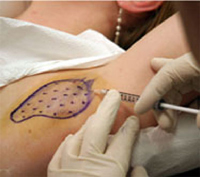
Overview
Axillary hyperhidrosis is a medical condition characterized by excessive, uncontrollable sweating in the underarm area that far exceeds the body’s physiological needs. The sweating is often severe enough to soak through clothing, causing noticeable wet marks, staining, and damage to fabrics. Many sufferers avoid certain colors and clothing styles to conceal the condition. This chronic condition can significantly impact quality of life, causing social embarrassment, emotional distress, and reduced self-confidence.
The condition results from overactivity of the sympathetic nervous system, which stimulates the sweat glands to produce perspiration disproportionate to environmental temperature or physical activity. While anxiety can trigger episodes, many people experience sweating even without emotional stressors. Primary hyperhidrosis typically begins in childhood or adolescence and affects approximately 1-3% of the population.
Treatment options range from topical antiperspirants and medications to minimally invasive procedures and surgery. For severe cases resistant to conservative treatments, surgical interventions provide effective, long-term relief with high success rates when performed by experienced specialists.
Candidacy
Ideal candidates for axillary hyperhidrosis surgery experience:
- Severe, daily sweating that interferes with work, social activities, or quality of life
- Failed conservative treatments including clinical-strength antiperspirants, prescription medications, iontophoresis, and botulinum toxin injections
- Good overall health without contraindications for anesthesia or surgery
- Realistic expectations about outcomes, potential side effects, and recovery
- Understanding of risks including compensatory sweating, the most common side effect of surgical treatments
A thorough medical evaluation is essential to determine primary hyperhidrosis versus secondary causes (thyroid disorders, medications, menopause, or other medical conditions). Candidates should discuss treatment goals with board-certified dermatologists or thoracic surgeons specializing in hyperhidrosis procedures.
Surgical Treatment Options
Endoscopic Thoracic Sympathectomy (ETS)
ETS is considered the most effective permanent treatment for severe axillary hyperhidrosis, particularly when combined with palmar (hand) sweating. This minimally invasive procedure involves cutting or clamping the sympathetic nerve chain that controls sweat gland stimulation.
The Procedure:
Performed under general anesthesia by thoracic surgeons, ETS uses 1-4 small incisions (5-10mm) below each armpit. A thoracoscope (camera) and specialized instruments are inserted to locate the sympathetic nerves along the ribs behind the chest cavity. The surgeon either cuts (excision) or applies titanium clamps to the specific nerve segments (T3-T4 ganglia for axillary sweating) to interrupt nerve signals to the sweat glands.
The bilateral procedure typically takes 30-60 minutes. Patients awaken in recovery, are monitored for several hours, and usually return home the same day as outpatient surgery. Most resume normal activities within 3-4 days.
Success Rates:
- 94-98% immediate success rate for axillary and palmar hyperhidrosis
- Long-term efficacy maintained even 20 years post-surgery in studies
- Low recurrence rate (0-4% at 1-year follow-up)
- Zero operative mortality in modern series with experienced surgeons
ETS is considered a last-resort treatment due to potential side effects, primarily compensatory sweating (increased sweating in other body areas such as the back, chest, thighs, or feet).
Suction Curettage
Suction curettage is a minimally invasive surgical alternative that directly removes underarm sweat glands through small incisions. Performed under local anesthesia with sedation, the surgeon uses specialized cannulas to suction and scrape away sweat glands from the subcutaneous fat layer.
Advantages:
- 82% initial success rate with significant sweat reduction
- Outpatient procedure with 2-3 day recovery
- Lower risk of compensatory sweating compared to ETS
- Can be repeated if results diminish over time
Procedure Details:
- Small incisions (3-5mm) in each underarm
- Tumescence anesthesia injected to numb area and separate tissue planes
- Curette scrapes sweat glands while suction removes them
- Compression bandages applied for 1-2 weeks
- Shower permitted day after procedure
Microwave Thermolysis (miraDry)
miraDry is an FDA-cleared, non-surgical treatment using microwave energy to permanently destroy underarm sweat glands. Unlike surgical options, miraDry targets glands without incisions or general anesthesia.
Procedure:
- Office-based treatment taking approximately 1 hour
- Local anesthesia to numb underarm area
- Microwave energy delivered through handheld device
- Custom cooling protects skin while heating sweat glands
- Two treatments spaced 3 months apart for optimal results
Efficacy & Safety:
- Histology confirms sweat gland necrosis at 11 days post-treatment
- Significant reduction in sweat glands observed at 6-month follow-up
- Common side effects include temporary swelling, bruising, numbness, and soreness lasting about one week
Rare but serious complications (documented in FDA adverse event reports) include permanent nerve injury, serious burns, and prolonged pain.
Non-Surgical Treatments
Before considering surgery, patients typically exhaust conservative options:
- Clinical-strength antiperspirants (20% aluminum chloride)
- Prescription anticholinergic medications (glycopyrrolate, oxybutynin)
- Iontophoresis (electrical current therapy)
- Botulinum toxin injections (temporary 6-9 month relief)
- Oral medications for anxiety-triggered sweating
These first-line treatments provide adequate symptom control for many people with mild-to-moderate hyperhidrosis.
Recovery
ETS Recovery Timeline
- Day of surgery: Same-day discharge, mild soreness at incision sites
- 1-3 days: Rest at home, avoid heavy lifting, shower carefully
- 3.9 days (average): Return to work or school
- 2 weeks: Full activity resumption, incision healing
- 1 month: Follow-up evaluation of results and compensatory sweating
Suction Curettage Recovery
- 1-2 days: Rest at home with compression bandages
- 2-3 days: Return to work (desk jobs)
- 1 week: Compression discontinued, normal activities resume
- 2-3 weeks: Full exercise and strenuous activities permitted
miraDry Recovery
- Same day: Return to normal activities immediately
- 3-7 days: Temporary swelling, bruising, and underarm tenderness
- 2 weeks: Complete resolution of side effects
- 3 months: Second treatment session for optimal results
Risks & Complications
ETS-Specific Risks
Compensatory Sweating (CS): The most common side effect, affecting 30-80% of patients. This new-onset sweating in untreated areas (back, chest, abdomen, groin, legs, feet) ranges from mild to severe. In comparative studies, CS resolved in 83.3% of two-stage procedure patients versus 33.35% of one-stage patients.
Other ETS Complications:
- Horner’s syndrome (droopy eyelid, constricted pupil) – rare (<1%)
- Pneumothorax (collapsed lung) – usually self-resolving
- Intercostal nerve pain (temporary)
- Gustatory sweating (sweating while eating)
- Bradycardia (slow heart rate) – temporary during surgery
Suction Curettage Risks
- Contour irregularities or underarm asymmetry
- Temporary or permanent numbness in underarm skin
- Hematoma or seroma (fluid collection)
- Infection (rare, <1% with sterile technique)
- Incomplete sweat gland removal requiring retreatment
miraDry Risks
Common Side Effects:
- Swelling, bruising, tenderness (1 week)
- Temporary numbness or altered sensation
- Small underarm nodules (rare)
Serious Complications (Rare):
- Permanent nerve injury (including brachial plexus injury documented in medical literature)
- Serious burns requiring medical intervention
- Prolonged or chronic pain syndrome
- Compensatory hyperhidrosis patterns
General Surgical Risks
All procedures carry standard surgical risks including anesthesia complications, bleeding, infection, and scarring. Board-certified surgeons in accredited facilities minimize these risks through proper patient selection, sterile technique, and postoperative monitoring.
Cost
Axillary hyperhidrosis surgery costs vary widely by procedure, geographic location, surgeon expertise, and facility fees:
- ETS surgery: $6,000-$15,000 (often partially covered by insurance as medically necessary)
- Suction curettage: $3,000-$7,000 (typically out-of-pocket cosmetic expense)
- miraDry treatment: $2,500-$3,500 per session (two sessions recommended; not covered by insurance)
Insurance coverage depends on medical necessity documentation, failed conservative treatments, and specific policy provisions. Consult providers for precise pricing and financing options.
Results
ETS Results
ETS provides immediate, dramatic improvement for axillary and palmar hyperhidrosis. The 20-year follow-up studies demonstrate durable results with patient satisfaction rates exceeding 95% for severe sweating. Most patients experience:
- Complete cessation of underarm dripping and visible sweat marks
- Improved clothing choices and confidence in social settings
- No need for antiperspirants in treated areas
- Permanent results with minimal recurrence
Compensatory sweating is the primary dissatisfaction source, though most patients report it as mild-to-moderate and preferable to original underarm symptoms.
Suction Curettage Results
- 82% initial success with significant sweat reduction
- 62% maintained success at 12-month follow-up
- Most patients report 70-90% reduction in underarm sweating
- Repeatable treatment if results diminish over time
Results are less permanent than ETS but avoid compensatory sweating risks.
miraDry Results
- Histology confirms permanent sweat gland destruction at treatment sites
- Average sweat reduction of 80-85% after two treatments
- Long-term results (5+ years) documented in clinical studies
- Non-surgical alternative for patients avoiding surgery
FAQ
Is hyperhidrosis surgery permanent?
ETS offers the most permanent results with 20-year data confirming sustained efficacy. Suction curettage and miraDry also provide long-term reduction, though some patients may require retreatment or adjunctive therapies over time.
Will insurance cover axillary hyperhidrosis surgery?
Many insurers cover ETS when documented as medically necessary after conservative treatments fail. Pre-authorization, physician letters, and treatment history are typically required. Cosmetic procedures like miraDry and suction curettage are rarely covered.
What is compensatory sweating?
Compensatory sweating (CS) is increased sweating in untreated body areas (back, chest, groin, legs, feet) resulting from surgical interruption of nerve signals. It’s the most common ETS side effect, occurring in 30-80% of patients, with severity ranging from barely noticeable to bothersome. Most patients consider CS preferable to original underarm sweating.
How painful is hyperhidrosis surgery?
All procedures involve discomfort rather than severe pain. ETS and suction curettage use general/local anesthesia respectively, with postoperative soreness managed with oral analgesics. miraDry causes tenderness for 3-7 days treated with ice and over-the-counter pain medications.
Can both underarms be treated simultaneously?
Yes, all procedures treat bilateral axillae in the same session for balanced results and single recovery period.
What if surgery doesn’t work?
Treatment failure rates are low (2-6% for ETS, 18% for suction curettage). Options include repeat procedures, alternative surgical methods, or adjunctive treatments (miraDry, Botox). Thorough preoperative evaluation minimizes disappointment.
Are there alternatives to surgery?
Multiple non-surgical options exist: prescription antiperspirants, oral medications, iontophoresis, Botox injections, and miraDry. Surgery is reserved for severe cases failing conservative management.
Important Disclaimer
This content is for informational purposes only and does not constitute medical advice, diagnosis, or treatment. Axillary hyperhidrosis surgery involves risks and potential complications; individual results vary. Consult qualified healthcare providers regarding personal medical conditions, treatment options, and suitability for specific procedures. Verify all information, including costs, success rates, and provider credentials, directly with licensed medical professionals and accredited facilities. Never delay seeking professional medical advice based on online content.