
Buttock Lift Surgery | Gluteal Lift Procedure & Recovery
Buttock lift surgery removes excess skin and reshapes the gluteal contour. Learn about gluteal lift techniques, recovery, risks, costs, and results from leading cosmetic surgery hospitals.




Overview
A buttock lift, also known as a gluteal lift, is a cosmetic surgery procedure designed to improve the appearance of the buttocks by removing excess skin and tightening the remaining tissue. The surgery specifically addresses sagging or drooping buttocks caused by aging, significant weight loss, or genetic factors, creating a smoother, more contoured lower body profile.
Unlike the Brazilian butt lift (BBL), which uses fat transfer to add volume, a traditional buttock lift focuses on removing loose skin and lifting the gluteal tissues to restore a youthful contour. According to the American Society of Plastic Surgeons, buttock lift procedures have grown significantly, with the 40-54 age demographic comprising 55% of patients in 2024¹.
The procedure typically takes 3-6 hours under general anesthesia and is performed on an outpatient basis. During the surgery, your plastic surgeon makes incisions in strategic locations to remove excess skin and fat, then lifts and tightens the remaining tissue for a more sculpted appearance.
Candidacy
Ideal candidates for buttock lift surgery are individuals who:
- Have excess, sagging skin in the buttock region due to significant weight loss (50+ pounds)
- Experience drooping or flattened buttock contours from aging or genetics
- Are at a stable, healthy weight with no plans for major weight fluctuations
- Have good skin elasticity and overall health
- Do not smoke or are willing to quit before and after surgery
- Have realistic expectations about surgical outcomes
Candidates should also have sufficient muscle tone in the gluteal region. The procedure is not recommended for individuals with chronic health conditions that impair healing, those who regularly take blood thinners, or women planning pregnancy in the near future, as significant weight changes can compromise results.
According to Cleveland Clinic, a thorough medical evaluation including lab tests and medication review is essential to determine candidacy and minimize surgical risks².
The Surgery: Techniques
Traditional Gluteal Lift (Excisional Lift)
The traditional buttock lift involves surgical removal of excess skin and fat through carefully placed incisions:
Incision Patterns:
- Crescent lift: A single incision along the upper buttock crease for mild sagging
- Full lift: Incisions across the top of the buttocks, sometimes extending around the sides (hip-to-hip) for more extensive correction
During the procedure, your surgeon removes crescent-shaped sections of skin and underlying fat, then lifts and sutures the remaining tissue to a higher position. The incisions are closed with absorbable sutures, and drainage tubes may be placed temporarily to prevent fluid accumulation.
This technique is ideal for patients with significant loose skin following massive weight loss, as it directly addresses excess tissue without relying on fat transfer.
Brazilian Butt Lift (Fat Transfer)
The Brazilian butt lift uses liposuction to harvest fat from donor areas (abdomen, thighs, back, or arms) and purifies it before reinjecting it into the buttocks to add volume and improve contour. According to Cleveland Clinic, this technique adds fullness but does not tighten loose skin³.
Key distinctions:
- BBL: Fat transfer adds volume and projection; best for patients with good skin tone who desire more fullness
- Traditional lift: Excisional approach removes excess skin; best for patients with significant sagging or loose skin
Important Safety Note: In 2018, the American Society of Plastic Surgeons issued a safety advisory after reports of fatalities from fat embolism—when injected fat enters large blood vessels. The risk is significantly reduced when fat is placed only in the subcutaneous tissue (above the muscle) by board-certified surgeons experienced in proper technique⁴.
Buttock Implants
For patients seeking augmentation who lack sufficient donor fat, solid silicone elastomer implants can be placed through a 2-3 inch incision in the gluteal crease. The implant is positioned between the gluteus maximus muscle and the overlying fascia to create a precise pocket matching the implant dimensions. This technique primarily adds projection rather than lifting sagging tissue.
Suture/Thread Lift Techniques
Minimally invasive “thread lift” procedures use barbed sutures placed through small incisions to suspend and lift the buttock tissues. These techniques offer less scarring and shorter recovery but provide more subtle results compared to surgical excision. They are best suited for patients with mild sagging and good skin elasticity.
Recovery
Immediate Post-Operative Period (Weeks 1-2)
- Hospital stay: Usually outpatient; some patients stay overnight for monitoring
- Activity: Rest with buttocks elevated; avoid sitting directly on incisions
- Compression garments: Worn continuously for 4-6 weeks to control swelling and support healing
- Drainage tubes: May be placed for 1-2 weeks to prevent seroma (fluid buildup)
- Pain management: Prescription pain medication for the first week, then over-the-counter options
Initial Recovery (Weeks 3-6)
Most patients return to desk jobs after 2 weeks, though plasticsurgery.org.au recommends taking at least two weeks off work⁵. Swelling and bruising typically subside within 4-6 weeks. Light walking is encouraged to promote circulation, but strenuous exercise and direct pressure on the buttocks (sitting) must be avoided for 6-8 weeks.
Long-Term Recovery (Months 2-6)
Full healing typically takes 4-6 months. Incision lines gradually fade over 12-18 months. Most patients can resume all normal activities, including exercise, by 8-12 weeks post-surgery. Final results are apparent once swelling completely resolves and the skin fully conforms to its new contours.
According to Mayo Clinic, following post-operative instructions—including proper wound care, avoiding smoking, and attending all follow-up appointments—is crucial for optimal healing and minimizing complications¹.
Risks & Complications
Buttock lift surgery is generally safe when performed by a qualified board-certified plastic surgeon, but all surgical procedures carry inherent risks:
Common Risks
- Seroma: Fluid accumulation under the skin (risk reduced by drainage tubes)
- Hematoma: Blood collection requiring drainage
- Infection: Treated with antibiotics; surgical washout rarely needed
- Scarring: Incision lines are permanent but strategically placed in natural creases
- Asymmetry: Minor differences in contour or shape between sides
Serious Complications
- Poor wound healing: More common in smokers or patients with diabetes
- Nerve injury: Temporary or permanent numbness in the surgical area
- Anesthesia complications: Reactions to general anesthesia
- Fat embolism (BBL-specific): Rare but life-threatening when fat enters blood vessels (risk reduced with proper subcutaneous injection technique)
- Unsatisfactory results: May require revision surgery
The Mayo Clinic reports that choosing a board-certified plastic surgeon accredited by an organization such as the American Board of Plastic Surgery significantly reduces complication risks¹. Patients should discuss all potential risks during their consultation.
Cost
The cost of buttock lift surgery varies widely based on geographic location, surgeon expertise, facility fees, anesthesia costs, and the extent of the procedure required:
| Region | Cost Range (USD) |
|---|---|
| United States | $6,000 - $15,000+ |
| Mexico | $4,500 - $6,100 |
| Colombia | < $3,000 |
| European Union | $4,000 - $4,700 |
These estimates typically include surgeon’s fees, facility costs, and anesthesia. Additional expenses may include:
- Pre-operative medical tests ($200-$500)
- Prescription medications ($100-$300)
- Compression garments ($50-$150)
- Follow-up appointments
Insurance generally does not cover cosmetic buttock lifts. However, if the procedure is deemed medically necessary (e.g., excess skin causing rashes or infections after massive weight loss), portion of the costs may be covered. Consult your insurance provider for specific coverage details.
Note: Price should never be the primary factor when selecting a surgeon. Prioritize board certification, hospital affiliations, before-and-after photos of real patients, and patient reviews over cost alone.
Results
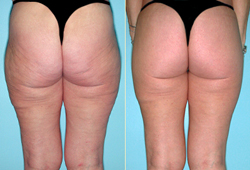
Buttock lift surgery produces long-lasting improvements in contour and silhouette. When performed by an experienced surgeon, results can be maintained for many years, though natural aging will continue gradually.
Expected improvements:
- Removal of excess, sagging skin
- Smoother, more lifted gluteal contour
- Better-proportioned lower body silhouette
- Enhanced fit in clothing
- Improved self-confidence
The ASPS 2024 statistics report indicates high patient satisfaction with buttock procedures, with lower body and thigh lifts showing the most growth among all cosmetic surgeries in 2024⁶.
Longevity of results:
- Weight-stable patients: Results typically last 10+ years
- Significant weight fluctuation: Can compromise outcomes
- Aging: Natural skin laxity continues gradually over time
Combination procedures: Many patients combine buttock lifts with tummy tucks (circumferential body lift) or liposuction for comprehensive body contouring after massive weight loss.
FAQ
How long does buttock lift surgery take?
The procedure typically takes 3-6 hours depending on the extent of tissue removal and whether additional procedures (liposuction, simultaneous abdominoplasty) are performed. Most surgeries are completed under general anesthesia on an outpatient basis.
Will I have visible scars?
Yes, all surgical buttock lifts produce scars. However, board-certified plastic surgeons place incisions in natural body creases (the gluteal fold, hip lines) where they are well-concealed. Scars appear red/purple for months but gradually fade to thin white lines over 12-18 months. Proper scar care (silicone sheets, massage, sun protection) improves final appearance.
Can I sit after a buttock lift?
Direct pressure on the surgical site must be minimized for 6-8 weeks. Most patients use a specialized donut-shaped cushion or sit on their thighs to avoid placing weight on the incisions. Your surgeon will provide specific sitting protocols based on your technique and healing progress.
How does a buttock lift differ from a Brazilian butt lift?
A traditional buttock lift removes excess skin to treat sagging, while a Brazilian butt lift transfers fat to add volume. If your primary concern is loose skin, an excisional lift is more appropriate. If you desire more fullness and projection but have good skin tone, a BBL may be better. Many patients benefit from combining both techniques.
Am I too old for a buttock lift?
Age alone is not a disqualifying factor. The ASPS reports that 55% of buttock lift patients are aged 40-54⁶, and healthy candidates in their 60s and 70s can safely undergo the procedure. More important than chronological age are overall health, skin quality, and realistic expectations. Your surgeon will assess cardiovascular health, healing capacity, and risk factors during consultation.
When can I return to exercise?
Light walking begins immediately after surgery to prevent blood clots. However, strenuous exercise—lower body workouts, running, cycling, swimming—is typically restricted for 8-12 weeks. Your surgeon will provide a graduated activity schedule based on your healing progress. Most patients return to full unrestricted exercise by month 3-4.
Important Disclaimer
This content is for informational purposes only and does not constitute medical advice. Buttock lift surgery is a major surgical procedure with real risks and potential complications. Only a qualified, board-certified plastic surgeon can determine whether you are an appropriate candidate and advise you on the safest technique for your anatomy and goals. Always consult with licensed healthcare providers and verify credentials with medical boards before proceeding with any cosmetic surgery. Results vary individually; before-and-after photos should represent realistic outcomes.