
Calf Implants | Surgery, Risks, Cost & Recovery Guide
Calf implants (calf augmentation) surgery explained by top plastic surgeons. Learn about silicone implants, recovery timeline, risks, $5,000+ costs, candidacy requirements and long-term results for cosmetic leg enhancement.

Overview
Calf implants, clinically known as calf augmentation, is a cosmetic surgical procedure that enhances the shape and size of the calf muscles using solid silicone implants. This procedure creates a more defined, muscular appearance in the lower legs and is particularly beneficial for individuals who cannot achieve desired calf development through exercise alone, or those who have experienced muscle loss due to injury, illness, or congenital conditions.
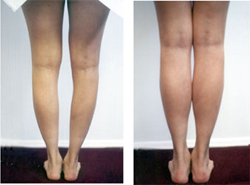
Unlike breast implants which may require replacement every 10-15 years, calf implants are made of solid silicone that does not degrade over time and is designed to be permanent. The procedure has a high satisfaction rate, with studies showing 81% of patients achieve good to excellent results, and overall implant satisfaction rates reaching 96.7%.
The surgery typically takes 45 minutes to 1 hour per leg and is performed under general anesthesia or local anesthesia with sedation, depending on the complexity and patient preference.
Candidacy
Ideal Candidates
Good candidates for calf implant surgery include individuals who meet the following criteria:
- Naturally thin or underdeveloped calves despite adequate exercise and strength training
- Imbalance between thighs and lower legs creating disproportionate lower body appearance
- Asymmetry between legs due to genetics, injury, trauma, or medical conditions (such as polio, clubfoot, or nerve damage)
- Realistic expectations about surgical outcomes and understanding of potential risks
- Good overall health without medical conditions that impair healing
- Fully developed adults with skeletally mature bones and muscles
- Non-smokers or willing to quit smoking before and after surgery (smoking significantly impairs healing)
Less Suitable Candidates
You may not be an ideal candidate if you:
- Have active infections or chronic health conditions affecting circulation (diabetes, peripheral arterial disease)
- Have ** unrealistic expectations** about perfection or symmetry
- Are pregnant or breastfeeding (surgery should be postponed)
- Have a history of poor wound healing or excessive scarring (keloids)
- Are unable to commit to post-operative recovery requirements
Pre-Operative Preparation
Before surgery, candidates must complete:
- Comprehensive medical evaluation including blood work and health assessment
- Complete medical history disclosure including previous surgeries, medications, allergies
- Smoking cessation (typically 4-6 weeks before and after surgery)
- Medication adjustments (stop blood thinners, aspirin, anti-inflammatory drugs 1-2 weeks prior)
- Arrange recovery support (transportation home, assistance for first few days)
The Surgery
Surgical Technique
Calf implant surgery is performed through the following technique:
-
Anesthesia Administration
- General anesthesia is most common for patient comfort and muscle relaxation
- Local anesthesia with deep sedation may be used for less complex cases
-
Incision Placement
- Incision made in the natural crease behind the knee (popliteal fossa)
- This location hides scars in the natural knee fold and minimizes visibility
-
Implant Pocket Creation
- Surgeon creates a precise pocket beneath the fascia (connective tissue covering) of the gastrocnemius muscle
- The pocket is carefully sized to match the implant dimensions
- Placement is typically in the subfascial plane (between muscle and its fascial covering)
-
Implant Insertion
- Solid silicone implants are inserted into the created pockets
- Implants come in various sizes and shapes (standard, anatomical, custom-designed)
- Custom implants may be fabricated for patients with specific needs due to trauma or congenital defects
-
Wound Closure
- Incisions closed with absorbable sutures
- Surgical tape or Steri-Strips applied for additional support
- Compression bandages applied to minimize swelling and support implant position
-
Recovery Initiation
- Patient transferred to recovery area for monitoring
- Most patients return home same day (outpatient procedure)
- Overnight hospital stay may be required for complex cases or medical monitoring
Anesthesia Options
The choice of anesthesia depends on procedure complexity and patient preference:
- General Anesthesia (most common): Completely unconscious, no pain awareness, muscle relaxation for optimal surgical conditions
- Local Anesthesia with Deep Sedation: Awake but deeply sedated, numb surgical area, faster initial recovery
- Local Anesthesia with Light Sedation: Mild sedation, numbing only, suitable for minor augmentations
Procedure Duration
- Single leg: 45 minutes to 1 hour
- Both legs: 1.5 to 2 hours (typically performed in same session)
- Additional time: Pre-operative preparation, anesthesia induction, and post-operative recovery monitoring add 2-3 hours to total surgical time
Recovery
Immediate Post-Operative Period (Week 1)
The first week after calf implant surgery involves significant discomfort and swelling:
- Pain and discomfort managed with prescription pain medication
- Swelling and tightness in lower legs; skin may appear shiny or stretched
- Bruising around incision sites and surrounding tissue
- Cramping sensations in legs for first 1-2 days (normal response to muscle manipulation)
- Limited mobility; difficulty walking normally due to calf tightness
- Elevation recommended when resting to reduce swelling and improve circulation
- Compression garments worn to support implants, minimize swelling, and improve contour
Activity Restrictions Week 1:
- No driving or operating machinery (due to pain medication)
- Walking limited to bathroom and essential movement only
- No stair climbing
- Legs elevated above heart level when resting
- No strenuous activity or exercise
- Keep incision areas dry and clean
Early Recovery (Weeks 2-4)
Gradual improvement in comfort and mobility:
- Swelling begins to subside though some tightness persists
- Incisions healing; sutures dissolve or are removed (if non-dissolvable)
- Gradual activity increase; normal walking possible by end of week 2-3
- Pain medication reduced to over-the-counter options (acetaminophen, ibuprofen)
- Compression garments continued for support and contour maintenance
Activity Restrictions Weeks 2-4:
- Light walking encouraged to promote circulation
- Return to sedentary work (desk job) possible after 1-2 weeks
- No heavy lifting or vigorous exercise
- No swimming or soaking incisions (showers permitted after 48 hours)
- Avoid activities that stretch or strain calf muscles
Full Recovery (Weeks 4-6)
Most patients achieve substantial recovery by 4-6 weeks:
- Swelling significantly reduced; final contours beginning to emerge
- Normal walking without discomfort or tightness
- Incisions fully healed (scars maturing and fading)
- Sensations returning to normal (temporary numbness resolves)
- Light exercise may resume with surgeon approval
Returning to Normal Activities:
- Sedentary work: 1-2 weeks
- Standing/walking work: 3-4 weeks
- Light exercise: 4-6 weeks
- Full athletic activity: 6-8 weeks or longer
- Contact sports: 8-12 weeks
Long-Term Healing (Months 3-6)
- Final results become apparent as all swelling resolves
- Scars mature and fade (generally 6-12 months for optimal scar appearance)
- Implant position stabilizes and feels natural
- Muscle adaptation occurs; legs feel balanced and proportional
Risks & Complications
Common Minor Complications
These side effects are expected and typically resolve without intervention:
- Swelling and bruising (resolves within 2-4 weeks)
- Temporary numbness or altered sensation around incisions (resolves within weeks to months)
- Tightness or discomfort when walking initially (improves as muscles adapt)
- Visible incision lines initially (fade and mature over 6-12 months)
Significant Surgical Risks
More serious complications occur in approximately 4.5-5.7% of cases (according to surgical studies):
- Infection: Bacterial contamination at incision or around implant; may require antibiotics or implant removal
- Bleeding or hematoma: Accumulation of blood beneath skin; may require drainage
- Implant displacement or migration: Implant shifts from original position; may require surgical correction
- Capsular contracture: Excessive scar tissue formation around implant causing hardening or distortion (rates lower in calf vs. breast implants due to solid silicone)
- Asymmetry: Uneven size, shape, or position between legs (may require revision surgery)
- Seroma: Fluid accumulation requiring drainage
- Poor scarring: Excessive scar tissue, widened scars, or keloid formation
- Nerve damage: Temporary or permanent numbness, tingling, or muscle weakness
- Blood clots: Deep vein thrombosis (DVT) risk, especially in leg surgeries; preventive measures include compression stockings and early ambulation
Anesthesia-Related Risks
- Adverse reaction to anesthesia (allergic response, respiratory issues)
- Nausea and vomiting post-operatively
- Sore throat from breathing tube
Long-Term Considerations
- Implant visibility: With significant muscle loss due to aging or weight loss, implant outlines may become visible
- Implant removal: Circulatory problems or changes in muscle mass may necessitate removal years later (though solid silicone implants are designed to be permanent)
- Revision surgery: May be needed for complications, aesthetic refinement, or implant size changes
Risk Minimization
Choosing a board-certified plastic surgeon with specific experience in calf augmentation significantly reduces complication risks. Following all pre- and post-operative instructions precisely also improves outcomes.
Cost
Average Cost Ranges
According to The Aesthetic Society, the average cost of calf implants is $5,026 (based on 2021 data). However, total expenses vary widely:
- Surgeon’s fee: $3,000 - $6,000 (primary cost component)
- Anesthesia fee: $500 - $1,500
- Operating room facility fee: $800 - $2,000
- Medical tests and prescriptions: $200 - $500
- Compression garments: $50 - $200
- Post-operative follow-up appointments: Included in surgeon fee or $100-$300 per visit
Total estimated cost: $4,500 - $10,000+ depending on geographic location, surgeon expertise, and procedure complexity
Factors Influencing Cost
- Geographic location: Higher costs in major metropolitan areas and coastal cities
- Surgeon experience and credentials: Board-certified surgeons with specialized expertise charge higher fees
- Procedure complexity: Custom implants, revisions, or combined procedures increase costs
- Anesthesia type: General anesthesia costs more than local with sedation
- Facility fees: Hospital-based surgery is more expensive than accredited surgery centers
Insurance Coverage
Calf implants are considered cosmetic procedures and are not covered by health insurance. However, coverage may be possible if the procedure is medically necessary for:
- Congenital defects (such as clubfoot correction)
- Trauma reconstruction (after accidents or injury)
- Muscle-wasting conditions (polio, nerve damage, disease-related muscle loss)
Pre-authorization with detailed medical documentation would be required for potential coverage.
Financing Options
Many plastic surgery practices offer:
- Monthly payment plans through healthcare financing companies (CareCredit, Alphaeon)
- In-house payment plans with extended terms
- Package discounts for multiple procedures
Results
Immediate Results
Results are immediately visible after surgery once initial swelling subsides. However, final outcomes require patience as:
- Swelling masks true contours for 4-8 weeks
- Implants settle into final position over 3-6 months
- Muscle adaptation occurs as body adjusts to new contours
- Skin tightening around implants improves appearance over time
Long-Term Outcomes
Studies demonstrate excellent long-term results:
- 81% of patients rated results as “good to excellent” based on surgeon evaluation
- 96.7% satisfaction rate reported among calf implant patients
- Solid silicone implants maintain shape and size permanently (do not require replacement like breast implants)
- Stable, permanent results once healing complete
- Natural appearance and feel as implants integrate with surrounding tissue
Expected Improvements
- Enhanced calf definition and muscular appearance
- Improved lower leg proportion balancing thighs and calves
- Correction of asymmetry between legs
- Restored contour after muscle loss from injury or illness
- Boosted self-confidence in shorts, swimwear, and athletic attire
Maintenance Considerations
- Implants are permanent and designed to last a lifetime
- Weight changes may affect appearance (significant weight gain may make implants less visible; weight loss may enhance implant definition)
- Aging muscle loss may make implants more visible over decades
- No special maintenance required beyond normal health and fitness
When Results May Be Unsatisfactory
- Unrealistic expectations about perfection or extreme muscle size
- Significant asymmetry requiring revision surgery
- Complications (infection, displacement, poor scarring)
- Poor implant choice (size, shape, or placement not matching patient anatomy)
Choosing an experienced, board-certified plastic surgeon with extensive calf implant expertise is crucial for optimal, natural-looking results.
FAQ
How long do calf implants last?
Calf implants are designed to be permanent and made of solid silicone that does not degrade, leak, or require replacement. Unlike breast implants, which may need replacement every 10-15 years, calf implants typically last a lifetime without intervention. However, removal may be necessary decades later if muscle atrophy due to aging makes implants visible, or if complications occur.
Are calf implants noticeable to touch?
Once fully healed (6-12 months), calf implants should feel natural and firm similar to well-developed muscle tissue. The implants are placed beneath the fascia covering the muscle, so they’re positioned deep within the leg structure. Most people cannot detect implants by touch or appearance after complete healing. However, initially during recovery, implants may feel firm and tight until surrounding tissue adapts.
Can I exercise after calf implant surgery?
Light walking is encouraged within the first week to promote circulation. Strenuous exercise must be avoided for 6-8 weeks to allow proper healing. Return to activity progresses gradually:
- Weeks 1-2: Walking only
- Weeks 3-4: Light activity, normal walking
- Weeks 5-6: Light exercise (walking, stationary cycling)
- Weeks 7-8: Moderate exercise
- Weeks 8-12: Full athletic activity
- 3+ months: Contact sports and high-impact activities
Your surgeon will provide specific guidance based on your healing progress.
What are the main risks specific to calf implants?
While generally safe, calf implant-specific risks include infection, implant displacement, asymmetry, and capsular contracture (excessive scar tissue around the implant). The overall complication rate is approximately 4.5-5.7% according to surgical studies. Nerve damage causing temporary or permanent numbness is also possible. Blood clots (DVT) are a concern due to leg surgery location, though preventative measures (compression stockings, early walking) significantly reduce this risk. Choosing a board-certified plastic surgeon experienced in calf augmentation minimizes these risks.
Will I have visible scars after calf implant surgery?
Incisions are placed in the natural crease behind the knee where they’re well-hidden. Scars are initially visible but fade significantly over 6-12 months. Proper scar care (sun protection, silicone scar sheets, massage) improves final appearance. Most patients report scars are minimally visible once fully healed and easily concealed. However, individual healing varies, and some patients may develop more noticeable scars (keloids, widened scars) requiring revision or treatment.
How do I know if I’m a good candidate for calf implants?
Ideal candidates are healthy adults with underdeveloped calf muscles, leg asymmetry, or muscle loss from injury/illness who have realistic expectations about surgical outcomes. You should be at or near your ideal weight, a non-smoker (or willing to quit), and committed to following post-operative recovery instructions. Poor candidates include those with unrealistic expectations, active infections, circulatory problems (diabetes, PAD), or inability to commit to recovery restrictions. A consultation with a board-certified plastic surgeon is necessary to evaluate your individual candidacy based on health history, anatomy, and goals.
Important Disclaimer
This content is for informational purposes only and does not constitute medical advice, diagnosis, or treatment. Calf implant surgery is a serious medical procedure with potential risks and complications. Individual results vary significantly based on anatomy, surgeon skill, adherence to post-operative instructions, and healing factors.
Always consult a qualified, board-certified plastic surgeon for personalized medical advice regarding your specific situation. The information provided herein is not a substitute for professional medical evaluation, diagnosis, or treatment.
Do not rely on this information as a complete guide to calf implant surgery. Only a licensed medical professional can determine if you are an appropriate candidate for this procedure and advise you on specific risks, benefits, alternatives, and expected outcomes based on your health history and physical examination.
The costs, recovery times, and outcome statistics cited are estimates based on available data and may not reflect your individual experience. Verify all information with qualified healthcare providers and specific surgical practices before making medical decisions.