
Breast Augmentation Surgery | Implants, Costs & Recovery Guide
Considering breast augmentation? Learn about saline vs. silicone implants, surgical techniques, recovery timeline, costs, risks, and results from leading plastic surgeons and FDA guidelines.




Overview
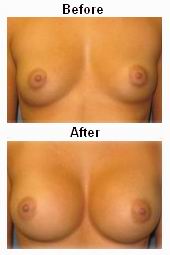
Breast augmentation, medically known as augmentation mammoplasty, is a surgical procedure designed to increase breast size, improve shape, and restore breast volume. According to the American Society of Plastic Surgeons (ASPS), breast augmentation remains one of the most popular cosmetic surgical procedures, with over 300,000 procedures performed in 2023.
The surgery involves placing breast implants under breast tissue or chest muscles to achieve the desired size and contour. Women choose breast augmentation for various reasons, including:
- Enhancing breast size and fullness
- Correcting asymmetry in breast size or shape
- Restoring breast volume after weight loss or pregnancy
- Reconstructing breasts following mastectomy or breast cancer surgery
- Improving self-confidence and body image
Candidacy
Ideal candidates for breast augmentation meet specific health and psychological criteria established by the American Society of Plastic Surgeons. You may be a good candidate if you meet these requirements:
Essential Requirements
- Physically healthy with no active infections or untreated medical conditions
- Not pregnant or breastfeeding (pregnancy can affect implant positioning and milk production)
- Have realistic expectations about surgical outcomes and limitations
- Stable body weight with no plans for significant weight loss
Additional Considerations
- Good overall fitness and balanced nutrition support optimal healing
- Fully understand the risks, benefits, and potential complications
- Have completed breast development (typically age 18 or older)
- Non-smokers or willing to quit before and after surgery (smoking increases complications)
The most reliable way to determine candidacy is through a comprehensive consultation with a board-certified plastic surgeon who can evaluate your individual anatomy, health status, and aesthetic goals.
The Surgery: Techniques and Implant Options
Breast augmentation surgery typically takes 1-2 hours and is performed under general anesthesia, though local anesthesia with sedation may be used in some cases. The specific technique depends on your anatomy, desired outcome, and surgeon’s recommendation.
Implant Types
Saline Implants
- Filled with sterile saltwater solution
- FDA-approved for women 18 and older
- Firmer feel compared to silicone
- Rupture is immediately noticeable as breast deflates
- Lower cost than silicone alternatives
Silicone Implants
- Filled with silicone gel that mimics human fat
- FDA-approved for women 22 and older (or any age for reconstruction)
- More natural look and feel, making them the most popular choice
- Require MRI screenings periodically to detect silent ruptures
- Slightly higher cost than saline
Gummy Bear Implants (Form-Stable)
- Highly cohesive silicone gel that holds shape
- Maintain form even if implant shell breaks
- Teardrop shape for more natural projection
- Require longer incisions for placement
- Higher cost due to advanced technology
Incision Options
Your surgeon will recommend one of four incision patterns based on implant type, size, and your anatomy:
- Inframammary (Under the Breast) - Most common approach; incision made in the natural crease beneath the breast, providing excellent access and hidden scarring
- Periareolar (Around the Nipple) - Incision around the areola’s edge; may affect nipple sensation or ability to breastfeed
- Transaxillary (Armpit) - Incision in the armpit; no breast scarring but more technically challenging
- Transumbilical (Naval) - Incision in the navel; limited to saline implants and less common technique
Implant Placement
Subglandular (Over the Muscle)
- Implant placed between breast tissue and chest muscle
- Shorter, less painful recovery
- More visible implant edges in women with little breast tissue
- Higher risk of capsular contracture
Submuscular (Under the Muscle)
- Implant placed beneath the chest (pectoral) muscle
- More natural appearance, especially in thin women
- Lower risk of capsular contracture and implant rippling
- Longer, more painful recovery period
- May cause temporary muscle distortion during chest muscle contraction
Recovery Timeline
Recovery from breast augmentation varies by individual, but Cleveland Clinic reports that full recovery typically takes 6-8 weeks. Here’s what to expect:
Immediate Post-Surgery (Days 1-3)
- Wear surgical bra or compression garment
- Experience swelling, bruising, and discomfort
- Take prescribed pain medication as needed
- Avoid lifting arms or strenuous activity
- Sleep elevated on back to reduce swelling
First Two Weeks
- Gradually reduce pain medication use
- Incision care with dressing changes
- Wear supportive bra 24/7 (except when showering)
- Light walking encouraged to prevent blood clots
- No driving while taking narcotic pain medication
Weeks 3-6
- Return to non-strenuous work (1-2 weeks typical)
- Gradually reintroduce light exercise
- Begin scar massage once incisions heal
- Implants begin to settle into natural position
- Sensation begins returning to nipples and skin
Weeks 7-8 (Full Recovery)
- Most normal activities resumed
- Final breast shape and position established
- Continue wearing supportive bra during exercise
- Scars fade and soften over 6-12 months
Most patients return to work within 1-2 weeks and resume exercise by 4-6 weeks. Follow your plastic surgeon’s specific post-operative instructions for optimal healing.
Risks and Complications
All surgeries carry risks, and breast augmentation is no exception. According to ASPS and FDA data, most complications are manageable but require prompt recognition and treatment.
Common Complications
Capsular Contracture (Most Frequent)
- Affects 2.4% to 18.9% of primary augmentation patients
- Body forms thick, tight scar tissue around implant
- Causes hardening, pain, and misshapen appearance
- More common following infection or hematoma
- Treated with implant removal or capsulotomy (scar tissue release)
Implant Rupture
- Saline implants deflate noticeably (sudden size change)
- Silicone ruptures are “silent” (detected via MRI)
- Occurs in approximately 1% of implants per year
- Requires surgical replacement
- Modern implants have improved rupture rates
Infection
- Affects 1-2% of patients
- Usually occurs within first few weeks post-surgery
- May require implant removal and antibiotics
- Risk reduced with proper surgical technique and antibiotics
Hematoma and Seroma
- Blood or fluid collection around implant
- More common in first 48 hours after surgery
- May require drainage procedure
- Increases risk of other complications including capsular contracture
Rare but Serious Complications
BIA-ALCL (Breast Implant-Associated Anaplastic Large Cell Lymphoma)
- Rare T-cell lymphoma linked to textured breast implants
- Risk is low but cancer is serious and potentially fatal if untreated
- More common with Biocell/Allergan textured implants (6-fold higher risk)
- Symptoms: swelling, fluid collection, breast mass years after surgery
- FDA and ASPS provide updated safety information and monitoring guidelines
Breast Implant Illness
- Controversial condition with systemic symptoms (fatigue, joint pain, brain fog)
- Not formally recognized as medical diagnosis
- Some patients report symptom improvement after implant removal
- Research ongoing; discuss concerns with surgeon
Other Risks
- Changes in nipple or breast sensation (temporary or permanent)
- Asymmetry requiring revision surgery
- Implant displacement or malposition
- Difficulty with mammography (special techniques needed)
- Psychological dissatisfaction with results
Choose a qualified cosmetic surgery hospital with board-certified surgeons to minimize risks.
Cost of Breast Augmentation
Breast augmentation costs vary significantly based on geographic location, surgeon expertise, implant type, facility fees, and anesthesia. According to 2024 data from Cleveland Clinic and ASPS sources:
Average Cost Ranges
National Average
- $3,600 - $9,000 for most U.S. markets
- $5,000 - $6,000 per Cleveland Clinic literature
- Higher costs in major metropolitan areas
Regional Examples
- Cleveland: $9,250 (range $6,500-$12,000)
- May be lower in rural areas, higher in coastal cities
Cost Breakdown
- Surgeon’s fee: Largest component, reflects expertise and training
- Anesthesia fee: $1,000-$1,500 typically
- Facility fee: Hospital or surgical center costs
- Implant cost: $1,000-$2,500+ per implant pair
- Pre-operative testing: Lab work, mammogram, MRI
- Post-operative garments: Surgical bras, compression dressings
- Medications: Pain medication, antibiotics
- Follow-up visits: Usually included in surgeon’s fee
Insurance Coverage
- Cosmetic breast augmentation rarely covered by insurance
- Breast reconstruction following mastectomy typically covered
- Revision surgery may be partially covered if medically necessary
- Payment plans and financing often available
- Health savings accounts (HSA) may be used
Cost should never be the primary factor—prioritize surgeon qualifications, facility accreditation, and implant safety.
Results and Long-Term Outcomes
Breast augmentation provides immediate volume increase, but final results develop over 3-6 months as swelling resolves and implants settle into position.
Expected Results
- Enhanced breast size with improved proportion to body
- Better symmetry in size and shape (some natural asymmetry persists)
- Improved clothing fit and self-confidence for most patients
- Long-lasting results (implants not lifetime devices—last 10-15+ years on average)
- Natural appearance when properly sized and placed
Long-Term Considerations
- Implants are not lifetime devices—revision or replacement likely needed
- MRI monitoring recommended for silicone implants (FDA guidelines)
- Mammography requires special technique (notify technologist about implants)
- Pregnancy and breastfeeding possible but may affect results
- Weight changes significantly impact breast appearance
- Aging continues naturally—breasts may sag over time (mastopexy may be needed)
Patient Satisfaction
According to ASPS data, most breast augmentation patients report high satisfaction rates with improved self-esteem and body image. Realistic expectations and clear communication with your surgeon about goals are critical for satisfaction.
Explore related procedures like breast lift (mastopexy) combined with augmentation for optimal results.
Frequently Asked Questions
How long do breast implants last?
Breast implants are not considered lifetime devices. On average, implants last 10-15 years, though many women have them longer without problems. The FDA recommends monitoring implants throughout your life and considering replacement at 10-15 years or if complications develop. Regular MRI screenings are recommended for silicone implants to detect silent ruptures.
Can I breastfeed after breast augmentation?
Most women can breastfeed after breast augmentation, though some may experience reduced milk production, especially with periareolar incisions. Submuscular implant placement has less impact on milk ducts than subglandular placement. Discuss pregnancy and breastfeeding plans with your surgeon before surgery to optimize technique.
Will breast augmentation affect mammogram accuracy?
Breast implants can obscure some breast tissue during mammography, but special techniques (implant displacement views) allow effective screening. Inform mammography technologists about your implants. Both saline and silicone implants are mammography-compatible. Additional views (Eklund displacement views) improve visualization.
What’s the difference between silicone and saline implants?
Silicone implants contain silicone gel that mimics human fat, providing more natural feel and appearance. They’re the most popular choice but require MRI monitoring for silent ruptures. Saline implants contain sterile saltwater, are FDA-approved for younger women (18+), and deflate noticeably if ruptured. Saline implants feel firmer and cost less but show more rippling. Discuss both options with your surgeon to determine the best choice for your anatomy and goals.
How painful is breast augmentation recovery?
Pain levels vary by individual and implant placement (submuscular more painful than subglandular). Most patients describe recovery as moderate discomfort rather than severe pain. Prescription pain medication is typically needed for the first 3-7 days, transitioning to over-the-counter pain relievers. Most women return to work within 1-2 weeks and resume normal activities by 6 weeks. Proper pain management and following post-operative instructions optimize comfort.
Will I have visible scars?
All breast augmentation techniques create scars, but skilled surgeons place incisions in discreet locations that fade over time. Inframammary (under-breast) incisions are most common and well-hidden in the breast crease. Periareolar scars blend with the areola border but may be more visible. Transaxillary (armpit) scars avoid breast scarring but are more visible in swimsuits. Proper scar care and sun protection minimize visibility. Most scars fade significantly within 6-12 months.
Can breast augmentation correct sagging breasts?
Breast augmentation adds volume but does not significantly lift sagging breasts (ptosis). For mild sagging, implants alone may provide adequate improvement. For moderate to severe sagging, a breast lift (mastopexy) combined with augmentation provides optimal results. Many women undergo both procedures simultaneously—your surgeon can recommend the best approach based on your breast anatomy and goals.
Consider treatment options for combined procedures and comprehensive body contouring.
Important Disclaimer
This content is for informational purposes only and does not constitute medical advice, diagnosis, or treatment. Breast augmentation is a major surgical procedure with significant risks and potential complications. Only a qualified, board-certified plastic surgeon can evaluate your individual circumstances, recommend appropriate treatment, and discuss specific risks and benefits.
Always consult directly with a licensed healthcare provider regarding any medical condition or treatment decisions. The information provided here is current as of July 2026 but medical knowledge and guidelines evolve—verify all information with your surgeon and current medical resources.
Results vary significantly by individual—no specific outcome can be guaranteed. Discuss realistic expectations, all risks, alternatives, and costs thoroughly with your plastic surgeon before proceeding with any surgical procedure.
For the most current safety information, consult FDA breast implant resources and ASPS patient safety guidelines.