
Breast Reconstruction Surgery | Techniques, Recovery & Results
Comprehensive guide to breast reconstruction surgery after mastectomy. Learn about implant-based and flap reconstruction techniques, recovery timeline, risks, costs, and results from ASPS statistics.




Overview
Breast reconstruction is a surgical procedure that restores the shape, appearance, and size of a breast following mastectomy (removal of the breast due to cancer or other conditions). According to the American Society of Plastic Surgeons (ASPS), approximately 162,579 breast reconstruction procedures were performed in 2024, representing a 3% increase from the previous year. This upward trend reflects both advances in reconstructive techniques and growing patient awareness of reconstruction options.
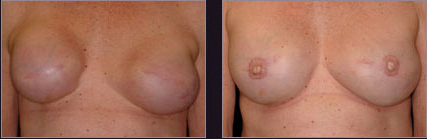
The goal of breast reconstruction is to recreate a breast mound that closely resembles the natural breast in shape and appearance. This can be achieved through two primary approaches:
- Implant-based reconstruction — Using breast implants (saline or silicone) to rebuild the breast
- Autologous (flap) reconstruction — Using the patient’s own tissue from areas such as the abdomen, back, or buttocks
Many women choose breast reconstruction after mastectomy for breast cancer treatment, but it may also be performed for:
- Risk reduction in women with high genetic risk (BRCA mutations)
- Trauma or injury to the breast
- Congenital abnormalities
- Previous failed reconstructions
Candidacy
Ideal candidates for breast reconstruction are women who:
- Have undergone or will undergo mastectomy
- Are in good overall health without serious medical conditions that impair healing
- Do not smoke or are willing to quit smoking (smoking significantly increases complication risks)
- Have a positive outlook and realistic expectations about the results
- Have completed or are completing cancer treatment (chemotherapy and/or radiation)
Timing of Reconstruction
Breast reconstruction can be performed at different times depending on individual circumstances:
Immediate Reconstruction
- Performed at the same time as mastectomy
- Generally produces superior aesthetic results
- Psychosocial benefits — fewer surgeries, faster emotional recovery
- Requires careful coordination between breast surgeon and plastic surgeon
- May not be appropriate if post-mastectomy radiation therapy is likely needed
Delayed Reconstruction
- Performed months or years after mastectomy
- Allows time to complete cancer treatments (chemotherapy, radiation)
- Gives patients more time to consider options and make informed decisions
- May be recommended for patients with:
- Significant medical comorbidities
- Obesity
- Smoking history
- Inflammatory breast cancer
- Uncertain need for post-mastectomy radiation
Delayed-Immediate Reconstruction
- A hybrid approach placing a tissue expander at mastectomy
- Final reconstruction completed after radiation therapy if needed
- Optimizes outcomes for patients who may require radiation
The Surgery: Reconstruction Techniques
Implant-Based Reconstruction
This approach uses breast implants to reconstruct the breast mound and generally involves shorter operative times and faster recovery compared to flap procedures.
Tissue Expansion Technique
- A tissue expander is placed beneath the chest muscle or skin
- Over 4-6 months, the expander is gradually filled with saline through an internal port
- Once the skin has adequately stretched, the expander is replaced with a permanent implant
- Requires multiple office visits but avoids donor site surgery
Direct-to-Implant (One-Step)
- A permanent implant is placed at the time of mastectomy
- Possible when sufficient chest skin remains after mastectomy
- Fewer surgeries but requires careful patient selection
- Often uses acellular dermal matrix (ADM) to support the implant
Pre-Pectororal Reconstruction
- A newer technique placing implants over the chest muscle rather than under it
- Reduced postoperative pain and faster recovery
- Not suitable for all patients, especially those with thin skin or prior radiation
Implant Options
- Saline implants — Silicone shell filled with sterile saltwater
- Silicone gel implants — Filled with cohesive silicone gel; feel more natural than saline
- Structured implants — Combine features of both for more natural feel
Flap (Autologous) Reconstruction
Flap reconstruction uses the patient’s own tissue to create the breast, typically resulting in a more natural-looking and feeling breast. It’s more complex surgery with a longer initial recovery but avoids implant-related complications.
DIEP Flap (Deep Inferior Epigastric Perforator)
- Uses skin and fat from the lower abdomen (like a tummy tuck)
- Preserves the abdominal muscles (unlike TRAM flap)
- Gold standard for autologous reconstruction
- Microsurgical technique connecting blood vessels
- Natural-looking and feeling breast with abdominal contour improvement
TRAM Flap (Transverse Rectus Abdominis Myocutaneous)
- Uses abdominal muscle, skin, and fat
- Either remains attached to original blood supply (pedicled) or is completely detached (free flap)
- More invasive than DIEP with longer recovery
- Can weaken abdominal wall
Latissimus Dorsi Flap
- Uses muscle, skin, and fat from the back
- Often combined with an implant for additional volume
- Reliable blood supply with good complication rate
- Creates a scar on the back
Other Flap Options
- Gluteal flap — Uses tissue from the buttocks
- Inner thigh flap — Uses tissue from the upper thigh
- Stacked flaps — Combining two smaller flaps for adequate volume
Nipple and Areola Reconstruction
Performed 3-6 months after breast reconstruction once healing is complete:
Nipple Reconstruction
- Local flaps from breast skin
- Tattooing for pigmentation
- Nipple sharing (using tissue from opposite nipple)
Areola Reconstruction
- Tattooing most common
- Skin grafts from groin or inner thigh
Recovery
The recovery timeline varies significantly based on reconstruction type:
Implant-Based Reconstruction
- Hospital stay — Usually outpatient or 1 night
- Return to normal activities — 2-4 weeks
- Full recovery — 6-8 weeks
- Driving — When off narcotic pain medications (usually 1-2 weeks)
Flap Reconstruction
- Hospital stay — 3-5 days
- Return to normal activities — 6-8 weeks
- Full recovery — 3-6 months
- Driving — Typically 4-6 weeks
Post-Operative Care
Immediate Post-Op (First 24-48 Hours)
- Gauze or bandages applied to incisions
- Surgical drains placed to remove fluid (removed in 1-3 weeks)
- Pain managed with prescription medications
- Antibiotics to prevent infection
First Few Weeks
- Wear compression garment or supportive bra
- No lifting over 5-10 pounds
- No strenuous exercise or upper body movement
- Keep incisions clean and dry
- Attend follow-up appointments for drain removal and monitoring
Long-Term Recovery
- Gradual return to normal activities over 6-12 weeks
- Scar maturation continues for 12-18 months
- Regular monitoring for complications
- Possible revision procedures for aesthetic refinement
Risks and Complications
All surgical procedures carry risks. According to Mayo Clinic, specific risks for breast reconstruction include:
General Surgical Risks
- Bleeding (hematoma) — Collection of blood requiring drainage
- Infection — May require antibiotics or surgical intervention
- Poor wound healing — Especially in smokers or after radiation
- Anesthesia risks — Reaction to anesthesia medications
Implant-Specific Risks
- Capsular contracture — Hardening of scar tissue around the implant (most common complication)
- Implant rupture or deflation — Requires replacement surgery
- Implant malposition — Implant shifts from proper position
- Rippling — Visible or palpable edges of implant
Flap-Specific Risks
- Flap loss — Partial or complete death of transferred tissue (rare but serious)
- Blood vessel complications — Clotting within the first 24 hours (most common with DIEP flap)
- Donor site complications — Hernia, weakness, or scarring at tissue harvest site
- Fat necrosis — Firm lumps from dead fat cells
Long-Term Risks
- Permanent scarring — Scars at breast and donor sites
- Changes in breast sensation — Numbness or hypersensitivity (often permanent)
- Asymmetry — Differences in size, shape, or position between breasts
- Lymphedema — Arm swelling, especially with lymph node removal
- Need for revision surgery — Additional procedures to address complications or improve appearance
Risk Reduction Strategies:
- Choose a board-certified plastic surgeon with extensive breast reconstruction experience
- Quit smoking at least 4-6 weeks before and after surgery
- Maintain stable weight
- Follow all pre- and post-operative instructions carefully
- Attend all follow-up appointments
Cost and Insurance
Implant-Based Reconstruction Costs
- According to surgical cost data, implant-based reconstruction typically ranges from $15,000 to $35,000 per breast
Flap Reconstruction Costs
- Autologous flap procedures are generally more complex and expensive
- May range from $25,000 to $50,000+ per breast depending on technique
Insurance Coverage
Under the Women’s Health and Cancer Rights Act (WHCRA) of 1998, most health insurance plans that cover mastectomy must also cover:
- Breast reconstruction
- Reconstruction of the opposite breast to achieve symmetry
- Breast prostheses
- Treatment of complications from reconstruction
What Insurance Typically Covers:
- Reconstruction following mastectomy for cancer
- Revision surgery for complications
- Symmetry procedures on the opposite breast
- Nipple and areola reconstruction
What Insurance May Not Cover:
- Cosmetic breast surgery unrelated to reconstruction
- Procedures performed primarily for aesthetic reasons
- Reconstruction for congenital abnormalities (varies by plan)
Cash Costs Without Insurance:
- Breast reconstruction with flap surgery can range from $3,280 to $4,664+ depending on facility and location
- Total out-of-pocket costs can exceed $50,000 per breast for complex autologous reconstruction
Financing Options:
- Many hospitals offer payment plans
- CareCredit and other healthcare financing programs
- Non-profit organizations providing financial assistance
- Hospital charity care programs for qualifying patients
Results
Breast reconstruction can provide significant physical and emotional benefits for women who have lost a breast. Results vary based on:
- Type of reconstruction chosen
- Individual healing capabilities
- Skill and experience of the surgeon
- Whether radiation therapy was performed
Aesthetic Results
Implant-Based Reconstruction
- More symmetrical and predictable shape
- Shorter recovery but less natural feel
- May require future replacement surgeries (implants typically last 10-15 years)
- Possible rippling or palpability issues
Flap Reconstruction
- More natural look and feel
- Behaves like natural breast (changes with weight fluctuations)
- Longer initial recovery but more durable results
- Donor site scar and potential weakness
Emotional and Psychological Benefits
Studies consistently show that breast reconstruction provides significant psychosocial benefits:
- Improved body image and self-esteem
- Reduced anxiety and depression
- Better sexual function and satisfaction
- Easier return to normal clothing and activities
- Sense of “wholeness” and femininity
Long-Term Considerations
Ongoing Monitoring:
- Regular breast examinations for cancer surveillance
- Mammograms or MRI screening (for flap reconstructions)
- Implant monitoring for rupture or complications
- Annual follow-up with plastic surgeon
Future Surgeries:
- Implants typically require replacement every 10-15 years
- Revision surgery for aesthetic refinement or complications
- Nipple reconstruction revision
- Symmetry procedures on opposite breast
Most women report high satisfaction with their reconstruction decisions, though expectations must be realistic. The goal is improvement, not perfection, and reconstructed breasts will not look or feel exactly like natural breasts.
FAQ
How long does breast reconstruction surgery take?
Implant-based: 1-2 hours (expander placement) or 2-4 hours (direct-to-implant)
Flap reconstruction: 4-8 hours depending on technique (DIEP flap typically longest due to microsurgery)
Additional procedures: Nipple reconstruction usually takes 1-2 hours
Will I have sensation in my reconstructed breast?
Most women experience some degree of permanent numbness in the breast and nipple area. Some sensation may return over 12-24 months but is rarely as complete as in a natural breast. Flap reconstructions typically provide better return of sensation than implant-based reconstructions.
Can I breastfeed after breast reconstruction?
Generally, no. Most reconstruction techniques involve removing or sacrificing breast tissue and ducts necessary for lactation. However, the opposite breast can typically still produce milk if desired.
How many surgeries will I need?
This varies by approach:
Implant-based: Usually 2-3 surgeries (expander placement, expander-to-implant exchange, possible revisions)
Flap reconstruction: Usually 1-2 surgeries (initial flap reconstruction, possible revisions including nipple reconstruction)
Most women undergo at least 2-3 surgeries total to achieve optimal results
When can I return to work?
- Desk job: 2-4 weeks (implant) or 4-6 weeks (flap)
- Physical job: 6-8 weeks (implant) or 8-12+ weeks (flap)
Actual return depends on individual healing and job requirements. Your surgeon will provide specific guidance based on your recovery progress.
Does breast reconstruction affect cancer detection or recurrence?
No — reconstruction does not hide cancer recurrence. Flap reconstructions can be monitored with breast examinations and MRI. Implant reconstructions can be monitored with mammograms, though additional views may be needed. Cancer recurrence rates are the same with or without reconstruction.
Can I have reconstruction if I’ve had radiation therapy?
Yes, but radiation complicates reconstruction. Implant-based reconstruction has higher complication rates after radiation (poor tissue healing, capsular contracture). Flap reconstruction is generally preferred for radiated chests, though even flap procedures have higher risks in radiated tissue.
What if I’m not satisfied with my results?
Revision surgery is common in breast reconstruction — approximately 30-50% of women undergo at least one revision procedure. Common reasons include:
- Improving symmetry between breasts
- Correcting implant complications
- Refining scars
- Replacing aged implants
- Addressing fat necrosis or contour irregularities
Most revision procedures are less extensive than the initial reconstruction.
Important Disclaimer
This content is for informational purposes only and does not constitute medical advice. Breast reconstruction is a major surgical procedure with significant risks and potential complications. Outcomes vary based on individual factors including anatomy, healing capabilities, and surgical technique.
Consult a board-certified plastic surgeon with specialized training in breast reconstruction to discuss your specific situation, options, and expectations. Only a qualified medical professional can determine whether you are an appropriate candidate for breast reconstruction and advise you on the most suitable technique for your circumstances.
Always verify credentials, hospital affiliations, and experience with the specific procedures you’re considering. Request to see before-and-after photos of the surgeon’s own patients. The decision to undergo breast reconstruction should be made in consultation with your breast cancer treatment team.