
Brow Lift Surgery | Forehead Lift Procedure Guide
Brow lift surgery reduces forehead wrinkles and elevates drooping brows for a youthful appearance. Learn about endoscopic vs coronal techniques, recovery, risks, costs, and results from board-certified surgeons.




Overview
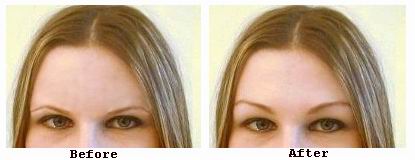
A brow lift (also known as a forehead lift) is a cosmetic surgical procedure designed to reduce visible signs of aging in the upper face. By repositioning drooping eyebrows and smoothing forehead wrinkles, this procedure creates a more youthful, rested, and alert appearance[^1][^2].
The procedure targets common aging concerns including:
- Deep forehead creases and frown lines (wrinkles across the forehead)
- Vertical furrows between the eyebrows (glabellar lines)
- Sagging eyebrows that create a tired or angry expression
- Excess skin in the brow area that partially covers the upper eyelids (“hooding”)
- Eyebrow asymmetry
According to the American Society of Plastic Surgeons, over 48,000 brow lift procedures were performed in 2022, making it one of the most popular facial rejuvenation procedures in the United States[^3].
Candidacy
Ideal candidates for brow lift surgery share specific characteristics and realistic expectations. According to the American Society of Plastic Surgeons and American Academy of Facial Plastic and Reconstructive Surgery, suitable candidates typically exhibit[^4][^5]:
Physical Characteristics
- Sagging or drooping eyebrows that create a tired appearance
- Deep forehead wrinkles and furrows
- Excess skin in the brow/forehead area
- “Hooded” upper eyelids caused by lowered brow position
- Frown lines between the eyebrows
- Eyebrow asymmetry
Health & Lifestyle Requirements
- Good overall physical health
- Non-smoker (smoking significantly increases complication risk[^6])
- Positive outlook and realistic expectations
- No active medical conditions that impair healing
- Committed to following pre- and post-operative instructions
Age Considerations
Most brow lift patients are between 40-60 years old, though the procedure can benefit younger individuals with genetic predisposition to brow drooping or older patients seeking facial rejuvenation[^5]. The best candidates understand that surgery enhances natural appearance rather than creating a completely new look.
Contraindications include uncontrolled chronic diseases (diabetes, hypertension), blood clotting disorders, smoking within 4-6 weeks of surgery, and unrealistic expectations about surgical outcomes[^6].
The Surgery: Techniques and Approaches
Modern brow lift surgery encompasses several surgical techniques, each with distinct advantages tailored to individual anatomy and goals. Stanford Medical Center and the American Society for Aesthetic Plastic Surgery document the evolution from traditional open approaches to minimally invasive endoscopic techniques[^7][^8].
Endoscopic Brow Lift (Most Common)
The endoscopic brow lift represents the current gold standard, utilizing small incisions hidden within the hairline and a specialized camera (endoscope) for visualization[^8][^9]. Benefits include:
- Minimal scarring: 3-5 short incisions (~1 inch each) concealed in hairline
- Faster recovery: Less tissue disruption than open techniques
- Precise control: Enhanced visualization of anatomical structures
- Reduced complications: Lower rates of nerve injury and hair loss[^10]
Research published in PMC (PubMed Central) confirms that endoscopic brow lift achieves significant brow elevation (average 3.25mm medially, 3.86mm centrally, 4.35mm laterally) with excellent cosmetic outcomes and lower complication rates compared to traditional open techniques[^10].
Coronal Brow Lift (Traditional Technique)
The coronal brow lift involves an incision across the top of the scalp from ear to ear, allowing direct access to the forehead tissues[^11]. While more invasive, this technique offers:
- Greater tissue access: Ideal for significant excess skin removal
- Dramatic results: Maximum brow elevation and wrinkle reduction
- Long-lasting outcomes: Particularly effective for severe aging changes
Dr. Bustillo’s analysis indicates that while coronal brow lift produces more dramatic results, it carries higher risk of scalp numbness and visible scarring compared to endoscopic approaches[^11]. According to Dr. Scott Green, the coronal technique remains appropriate for patients with extensive forehead skin laxity[^12].
Alternative Approaches
- Temporal brow lift: Limited incisions at the temples for lateral brow elevation
- Direct brow lift: Incisions directly above eyebrows (visible scarring, reserved for specific cases)
- Non-surgical alternatives: Botox, fillers, and thread lifts provide temporary improvement without surgery
Your surgeon will recommend the optimal approach based on anatomy, degree of aging, hairline position, and personal goals.
Recovery Timeline
Brow lift recovery follows a predictable progression, though individual healing varies. The American Society of Plastic Surgeons and PICO Cosmetic Surgery provide detailed recovery guidelines[^13][^14]:
Immediate Post-Operative (Days 1-3)
- Forehead/head wrapped with bandages to minimize swelling
- Potential drainage tubes (removed within 1-2 days)
- Numbness, tingling, or itching normal in forehead/scalp
- Peak swelling occurs 2-3 days post-surgery
- Pain managed with prescribed medications
- Head elevation required (sleep at 45-degree angle)
Early Recovery (Week 1-2)
- Day 7-10: Sutures or staples removed
- Week 2: Most patients return to non-strenuous work
- Gradual resolution of bruising and swelling
- Incision sites begin healing
- Avoid strenuous activity, heavy lifting, bending
Intermediate Recovery (Weeks 3-6)
- Week 3-4: Significant improvement in appearance
- Week 4-6: Light exercise permitted
- Residual swelling continues to diminish
- Sensation gradually returns to numb areas
- Camouflage makeup can conceal residual bruising
Long-Term Recovery (Months 2-6)
- Month 2: Visible results apparent
- Month 3-6: Final results emerge as swelling completely resolves
- Month 6-12: Incision lines fade significantly
- Full return to all activities including exercise
Most patients achieve 80-90% of final results by 2 months post-surgery, with complete maturation at 6-12 months[^14]. UT Southwestern Medical Center notes that while initial recovery occurs within 2 weeks, complete tissue remodeling continues for several months[^15].
Risks and Complications
Like any surgical procedure, brow lift carries specific risks. Mayo Clinic and the American Society of Plastic Surgeons provide comprehensive safety information[^6][^16]:
Common Risks (Usually Temporary)
- Swelling and bruising: Affects forehead, eyelids, and face; resolves within 2-4 weeks
- Numbness or tingling: Affects forehead and scalp; typically resolves within 3-6 months
- Headache: Common in first week; managed with medication
- Itching: Normal healing response; subsides as sensation returns
Serious Complications (Rare)
- Bleeding/hematoma: Accumulation of blood requiring surgical drainage
- Infection: Uncommon with proper technique and antibiotics
- Scarring: Most incisions heal well; poor scarring affects <2% of patients
- Asymmetry: Minor differences in brow position; may require revision
- Hair loss/shock loss: Temporary hair loss at incision sites; usually regrows
- Facial nerve injury: Affects forehead muscle movement (6.4% rate with coronal technique[^17]); most resolve spontaneously
- Eyelid changes: Temporary difficulty closing eyes; rarely permanent
- Elevated hairline: Particularly with coronal technique
Risk Factors Increasing Complications
According to Mayo Clinic, specific factors significantly increase surgical risk[^6]:
- Smoking: Doubles complication risk; impairs wound healing
- Obesity: Increases strain on incisions, delays healing
- Diabetes: Impairs circulation and wound healing
- Autoimmune disorders: Affect tissue repair
- Blood thinning medications: Increase bleeding risk
Selecting a board-certified plastic surgeon with extensive brow lift experience significantly reduces complication risk. Major complications occur in <3% of procedures when performed by qualified surgeons[^10].
Cost Considerations
Brow lift costs vary significantly based on surgical technique, geographic location, surgeon expertise, and facility fees. While Mayo Clinic does not publish specific pricing, national data from RealSelf and Cosmetic Surgery.org provides helpful benchmarks[^6][^18]:
Typical Cost Ranges (United States)
- Non-surgical eyebrow lift (Botox, fillers): $800-$2,500
- Endoscopic brow lift: $3,500-$8,000
- Coronal brow lift: $4,000-$12,000
- Comprehensive surgical packages: ~$3,650+ (includes procedure, overnight stay, medications, transfers, follow-up)[^18]
Cost Components
- Surgeon’s fee: Largest component; reflects training, experience, and expertise
- Anesthesia fees: $1,000-$1,500 typically
- Facility fees: Hospital or surgical center costs
- Pre-operative testing: Lab work, medical clearance
- Prescriptions: Pain medications, antibiotics
- Follow-up care: Post-operative visits
Insurance Coverage
Health insurance typically does not cover brow lift surgery when performed for purely cosmetic reasons. However, coverage may apply when the procedure corrects:
- Visual field obstruction from severely drooping brows
- Eyelid functional impairment documented by visual field testing
- Nerve compression causing chronic headaches (rarely covered)
Pre-authorization and detailed documentation from your surgeon and ophthalmologist may be required for medical necessity claims.
Geographic Variation
Costs vary significantly by region:
- Major metropolitan areas: Higher costs (New York, Los Angeles, San Francisco)
- Mid-sized cities: Moderate costs
- Rural areas: Lower costs (though qualified surgeons may be limited)
- Medical tourism destinations: Lower costs (India, Thailand, Mexico, Brazil, Turkey)[^18]
Traveling for surgery requires careful consideration of follow-up care, travel costs, and surgeon qualifications. When considering medical tourism destinations like India, Thailand, Mexico, or Brazil, research accredited hospitals and board-certified surgeons thoroughly[^18].
Results and Longevity
Dr. Grant Moore and Esthetica Orange County provide valuable insights into brow lift outcomes and longevity[^19][^20]:
Expected Results
Patients typically experience:
- Elevated brow position: 3-5mm elevation on average (varies by technique)
- Smoother forehead: Significant reduction in wrinkles and creases
- Improved eye appearance: Reduced upper eyelid hooding
- More rested expression: Elimination of “tired” or “angry” appearance
- Enhanced confidence: Psychological benefits from aesthetic improvement
Longevity of Results
Brow lift results are long-lasting but not permanent. Comparative studies indicate that both endoscopic and coronal techniques maintain similar long-term results, with most patients enjoying significant improvement for 8-12 years[^10][^12].
Factors Affecting Longevity
- Aging process: Natural aging continues after surgery
- Skin quality: Sun damage, smoking accelerate recurrence
- Genetic predisposition: Some patients naturally develop recurrent brow drooping
- Weight fluctuations: Significant weight gain/loss affect facial tissues
- Skin care regimen: Proper maintenance preserves results
Maintenance Options
While surgical results eventually fade, patients can extend longevity through:
- Preventive treatments: Regular Botox to prevent muscle movement creating wrinkles
- Skincare regimen: Sunscreen, retinoids, and proper hydration
- Healthy lifestyle: Avoid smoking, maintain stable weight, protect from sun exposure
- Touch-up procedures: Non-surgical treatments (fillers, Botox) as maintenance
- Revision surgery: Additional brow lift after 10+ years if needed
Frequently Asked Questions
Does brow lift surgery leave visible scars?
Most brow lift techniques conceal incisions within the hairline, making scars virtually invisible. Endoscopic brow lift uses 3-5 small incisions (~1 inch each) hidden in hair-bearing scalp. Coronal brow lift creates a single incision across the scalp, also hidden by hair. Direct brow lift (incision above eyebrows) is rarely used due to visible scarring. Scars typically fade significantly over 6-12 months[^7][^11].
Will a brow lift affect my hairline?
Coronal brow lift may elevate the hairline by 1-2cm, which can concern patients with naturally high hairlines. Endoscopic techniques minimize hairline changes. Your surgeon will assess hairline position and recommend the most appropriate approach. Temporary hair loss (“shock loss”) may occur at incision sites but typically regrows within 3-6 months[^11][^12].
Can I combine brow lift with other procedures?
Yes, brow lift is frequently combined with other facial rejuvenation procedures for comprehensive results. Common combinations include:
- Facelift: Addresses mid-face and lower face aging
- Blepharoplasty: Corrects upper and lower eyelid aging
- Rhinoplasty: Improves nasal appearance and profile balance
- Fat grafting: Restores volume to cheeks and temples
- Laser resurfacing: Improves skin texture and tone
Combining procedures reduces overall recovery time compared to separate surgeries and provides harmonious facial rejuvenation[^2][^7].
How long until I see final results?
While significant improvement is visible within 4-8 weeks, complete results emerge as all swelling resolves (typically 6-12 months). Incision lines continue to fade for up to a year. PICO Cosmetic Surgery notes that patients typically achieve 80-90% of final results by 2 months post-surgery[^14].
Am I too old for brow lift surgery?
Age alone does not disqualify candidates. Patients in their 70s and even 80s successfully undergo brow lift surgery when in good health. However, older patients may have slower healing, increased surgical risk, and less skin elasticity affecting results. Your surgeon will assess overall health, goals, and expectations rather than chronological age[^5][^15].
How painful is brow lift recovery?
Most patients describe brow lift discomfort as mild to moderate, easily managed with prescribed pain medications for the first 3-5 days. The procedure does not involve muscle manipulation (unlike abdominoplasty or breast surgery), so pain is typically less intense than other cosmetic surgeries. Tightness, numbness, and tingling are common but not painful[^13][^14].
Important Disclaimer
This content is for informational purposes only and does not constitute medical advice. Brow lift surgery is a serious medical procedure that carries risks and requires careful consideration. Individual results vary significantly based on anatomy, age, health status, surgical technique, and adherence to post-operative instructions.
Consult only with board-certified plastic surgeons with specific training and experience in facial plastic surgery. Research qualified cosmetic surgery specialists and verify credentials through the American Board of Plastic Surgery or American Academy of Facial Plastic and Reconstructive Surgery.
Always discuss potential risks, benefits, costs, and alternatives with a qualified healthcare provider. The information presented here cannot replace professional medical evaluation, diagnosis, or treatment.