
Dimple Creation Surgery (Dimpleplasty) - Procedure, Cost & Recovery
Dimple creation surgery (dimpleplasty) creates permanent cheek or chin dimples in 30 minutes under local anesthesia. Learn about the procedure, recovery, risks, and $1,500-$4,000 costs from board-certified plastic surgeons.




Overview
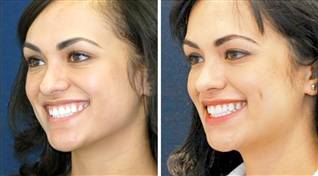
Dimple creation surgery, medically known as dimpleplasty, is a minimally invasive cosmetic procedure that creates permanent dimples on the cheeks or chin. This surgical enhancement has grown significantly in popularity as more patients seek to add the youthful, playful charm of dimples to their smile. The procedure is performed under local anesthesia in approximately 30 minutes, with no external incisions or visible scarring.
Natural dimples form due to a small defect in the buccinator muscle (the cheek muscle), where the skin is tethered to the underlying connective tissue. When smiling, this connection pulls the skin inward, creating the characteristic indentation. Dimpleplasty surgically replicates this natural anatomical variation by creating a controlled attachment between the cheek muscle and skin, resulting in dimples that appear dynamically when you smile.
The appeal of dimple creation lies in its simplicity, minimal downtime, and permanent results. Unlike many cosmetic procedures that require extensive recovery, dimpleplasty patients can typically return to work within a week and resume all normal activities within two weeks.
Candidacy
Ideal Candidates
Ideal candidates for dimple creation surgery are adults who meet the following criteria:
-
Age requirement: 18 years or older with fully developed facial features. The procedure is most commonly requested by patients in their 20s and 30s, though there is no strict upper age limit.
-
Good overall health: Candidates should be in good physical health with no uncontrolled chronic medical conditions that could impair healing or increase surgical risks.
-
Healthy skin elasticity: Good skin tone and elasticity help ensure optimal healing and natural-looking results.
-
Realistic expectations: Understanding that results are permanent and initially appear more pronounced before softening over several weeks is essential for satisfaction.
-
Strong desire for dimples: Motivation should come from genuine personal preference rather than external pressure or temporary trends.
Who Should Avoid or Postpone Dimpleplasty
-
Pregnant or breastfeeding women should wait until after pregnancy and weaning to undergo any elective cosmetic procedure.
-
Individuals with certain medical conditions may require medical clearance or additional precautions. Discuss your full medical history with your surgeon during consultation.
-
Patients with unrealistic expectations about the immediate appearance or permanence of results may be disappointed. Remember that this is a permanent procedure that cannot be easily reversed.
According to ASPS Member Surgeons, approximately 90% of dimpleplasty patients are women and 10% are men, with the procedure being especially popular among patients of color. The surgery is suitable for both men and women of all ethnic backgrounds who desire permanent facial enhancement.
The Surgery: Technique and Procedure
Surgical Technique
Dimpleplasty is performed through an internal approach—meaning all incisions are made inside the mouth, leaving no external scars. The procedure takes 20-30 minutes under local anesthesia in an office-based surgical suite.
The most common surgical technique involves these steps:
-
Marking and positioning: The surgeon marks the ideal dimple location, typically at the intersection of a vertical line below the outer corner of the eye and a horizontal line from the bottom of the earlobe. This positioning creates natural-looking dimples that appear when smiling.
-
Internal access: Working through the inside of the cheek (buccal mucosa), the surgeon creates a small tunnel toward the skin surface using a biopsy punch instrument.
-
Tissue removal: A small amount of the cheek’s inner lining (mucosa) and a portion of the buccinator muscle are removed, creating a small cylindrical defect.
-
Suture placement: Using permanent sutures, the surgeon connects the dermis (deep skin layer) to the underlying muscle. This creates a focal adhesion point—essentially an internal scar—that will pull the skin inward when smiling.
The ASPS describes a refined technique where “a dermal biopsy punch makes a tunnel towards the skin,” then the surgeon “sutures the cheek mucosa to the deep dermis to create a focal scar that pulls in with smiling, causing a dimple.” This method buries all sutures inside the mouth, keeping healing confined to the oral cavity rather than on the facial surface.
Alternative Approaches
Some surgeons use a slightly different technique that removes a small core of tissue and closes the wound with absorbable sutures. As these sutures dissolve over 2-3 weeks, the internal scar tissue forms, creating the permanent dimple effect. The specific technique varies by surgeon training and preference, but all approaches share the same fundamental principle: creating a controlled attachment between muscle and skin.
Recovery Timeline
Recovery from dimple creation surgery is relatively straightforward compared to more invasive facial procedures. Most patients experience minimal discomfort and can manage recovery at home with proper care.
Immediate Post-Operative Period (Days 1-7)
What to expect:
- Mild to moderate swelling in the cheek area, peaking within 48 hours and gradually subsiding
- Soreness or tenderness when touching or moving the cheeks
- Temporary difficulty with chewing, speaking, or smiling broadly
- Small amount of bleeding in the mouth (normal for first 24 hours)
Post-operative care instructions typically include:
- Liquid diet for 5-7 days to minimize chewing and tension on internal sutures
- Dilute antiseptic mouthwash after eating or drinking to keep the surgical site clean
- Antibiotics prescribed for one week to prevent infection in the oral cavity
- Ice packs applied externally to reduce swelling
- Pain medication as needed for discomfort
The ASPS advises patients to “reduce mouth motion by reducing chewing, talking, smiling, laughing, etc.” during the first week to minimize tension on the healing sutures.
Intermediate Healing (Weeks 1-2)
- Return to work: Most patients can return to work within 5-7 days, depending on job requirements
- Gradual diet advancement: Transition from liquids to soft foods as tolerated
- Decreasing swelling: Noticeable improvement in facial appearance
- Suture area healing: Internal incisions continue to close and strengthen
Long-Term Healing (Weeks 2-12)
- Full activity clearance: All normal activities including vigorous exercise typically permitted by week 2
- Dimple softening: The initially deep, pronounced dimple gradually becomes more subtle and natural-looking
- Final results: By 8-12 weeks, the dimple achieves its permanent, dynamic appearance—present when smiling, absent when at rest
According to ASPS surgeons, “for the first four to six weeks of healing, the dimple will look very fake” and deeper than the final result. This intentional over-correction accounts for tissue relaxation during healing. The dimple naturally softens to its final appearance as swelling resolves and scar tissue matures.
Risks and Complications
Dimpleplasty is considered a safe, low-risk procedure when performed by a qualified, board-certified plastic surgeon. However, as with any surgical intervention, potential complications exist.
Common Minor Side Effects
- Swelling and bruising: Temporary and expected, typically resolving within 1-2 weeks
- Mild discomfort: Managed with over-the-counter pain medication
- Difficulty with mouth movements: Temporary limitation in chewing, speaking, or smiling during initial healing
- Numbness or altered sensation: Usually temporary as local anesthesia wears off; rare cases may persist for several weeks
More Serious (But Rare) Complications
-
Infection: The oral cavity contains bacteria, making infection a theoretical risk. Antibiotics and diligent mouthwash use minimize this risk. Signs include fever, increasing pain, or pus discharge.
-
Visible scarring: While external scars are avoided, rare cases of poor internal healing or hypertrophic scarring could lead to visible or palpable internal scar tissue.
-
Asymmetry: Slight differences in dimple depth, position, or appearance between sides can occur. This is often correctable with minor revision procedures.
-
Temporary facial muscle weakness: Rare cases of weakness in the buccinator muscle have been documented, lasting several weeks but typically resolving completely without intervention.
-
Unsatisfactory aesthetic result: Results may be too subtle, too pronounced, or poorly positioned. Careful preoperative marking and surgeon experience reduce this risk.
-
Salivary duct injury: The Stensen duct (parotid duct) carries saliva from the parotid gland to the mouth. Experienced surgeons identify and mark this duct to avoid injury, which could cause salivary complications.
The permanence of dimpleplasty is both a benefit and a consideration. ASPS surgeons emphasize that “it is a permanent result and cannot be reversed.” While revision surgery can potentially reduce or remove the dimple, this requires additional procedures and may result in scarring.
Risk Minimization Strategies
- Choose a board-certified plastic surgeon with specific experience in dimple creation
- Follow all pre- and post-operative instructions carefully, especially oral hygiene protocols
- Avoid smoking for at least 2 weeks before and after surgery to optimize healing
- Disclose complete medical history including medications, allergies, and previous facial procedures
- Have realistic expectations about the initial vs. final appearance of results
Cost of Dimple Creation Surgery
United States Pricing
In the United States, dimpleplasty typically costs between $1,500 and $4,000, according to multiple plastic surgery practices and cosmetic surgery centers. Factors influencing the price include:
- Geographic location: Procedures in major metropolitan areas and coastal cities tend to cost more
- Surgeon experience and reputation: Highly sought-after surgeons with extensive dimpleplasty experience may charge premium fees
- Facility fees: Office-based surgical suites are less expensive than hospital-based procedures
- Anesthesia costs: Though local anesthesia is used, there are still associated medication and monitoring fees
- Pre- and post-operative care: Consultations, follow-up visits, and medications may be included or billed separately
Insurance does not cover dimpleplasty, as it is considered an elective cosmetic procedure rather than a medically necessary treatment. Payment plans and financing options are often available through cosmetic surgery practices.
International Medical Tourism Options
Many patients travel abroad for more affordable dimple creation surgery:
- Thailand: $600-$900 (฿20,400-฿30,600) at internationally accredited hospitals
- Turkey: €750+ (approximately $800 USD) for the procedure, with complete packages around €1,700 including accommodation
- Western Europe: $2,100-$3,600 at private clinics
- Southeast Asia generally: 40-60% cheaper than US prices while maintaining high medical standards
Medical tourism for dimpleplasty offers significant cost savings but requires careful planning. Consider:
-
Surgeon credentials and board certification
-
Facility accreditation and safety standards
-
Language barriers and communication
-
Travel costs, accommodation, and recovery time away from home
-
Follow-up care availability after returning home
-
Explore international cosmetic surgery hospitals for accredited facilities offering dimpleplasty at competitive prices.
Value Considerations
While dimpleplasty may seem expensive for such a brief procedure, costs reflect:
- Surgeon expertise and training: Board-certified plastic surgeons complete years of specialized residency training
- Permanent results: Unlike temporary injectable fillers or other non-surgical options, dimpleplasty creates lifelong enhancement
- Customization: Each dimple is positioned and sized specifically for the patient’s facial anatomy and aesthetic goals
- Safety and sterility: Proper surgical suite, anesthesia protocols, and post-operative care contribute to costs but ensure optimal outcomes
Results and Longevity
Permanence of Results
Dimple creation surgery produces permanent results that can last a lifetime. Unlike facial fillers, botox, or other temporary cosmetic enhancements, dimpleplasty creates an anatomical change through internal scarring that cannot naturally reverse.
According to ASPS experts, dimpleplasty “is a permanent result and cannot be reversed.” While revision surgery is theoretically possible to reduce or remove dimples, this would require additional procedures and could result in visible scarring or contour irregularities.
Evolution of Appearance
The appearance of your new dimples will evolve significantly during the healing process:
Weeks 1-4: The dimple appears deep, pronounced, and visible even when not smiling (static dimple). This is the “over-correction” phase that may look artificial or dramatic.
Weeks 5-8: The dimple begins to soften and become more subtle. Swelling resolves, and the internal scar tissue matures. The dimple may still be partially visible at rest.
Weeks 8-12: The final, permanent appearance emerges. The dimple becomes truly dynamic—appearing naturally when you smile and disappearing or being minimally visible when your face is at rest.
ASPS surgeons note that “for the first four to six weeks of healing, the dimple will look very fake” before softening into a natural appearance. This normal progression requires patience and realistic expectations.
Factors Influencing Final Results
- Individual healing characteristics: Some patients form more visible scar tissue than others
- Technique used: Different suture methods and tissue removal amounts create varying depths
- Age and skin quality: Younger patients with good skin elasticity tend to heal with more subtle results
- Aftercare compliance: Following dietary restrictions and activity guidelines optimizes healing
- Natural anatomy: Existing facial structure, cheek fullness, and muscle strength affect appearance
Long-Term Considerations
Results from dimpleplasty are designed to be permanent, but some factors may cause subtle changes over years:
- Weight fluctuations: Significant weight gain or loss can affect cheek fullness and dimple prominence
- Aging: Natural facial volume loss over decades may slightly alter dimple appearance
- Pregnancy: Hormonal changes and fluid retention may temporarily affect facial contours
Despite these factors, the fundamental attachment created during dimpleplasty remains for life. Patients who choose dimple creation should be completely certain they want permanent dimples, as reversal is difficult and may not fully restore the pre-surgical appearance.
Frequently Asked Questions
Is dimple creation surgery painful?
Most patients report only mild to moderate discomfort after dimpleplasty. The procedure is performed under local anesthesia, so you feel no pain during surgery. In the post-operative period, soreness and tenderness are typically managed with over-the-counter pain medications like ibuprofen or acetaminophen. Prescription pain medication is rarely needed.
Will my new dimples look natural?
Yes—after the initial healing period, dimples created surgically are virtually indistinguishable from natural dimples. The key is patience during the first 4-6 weeks when results look deeper and more pronounced. As healing progresses and scar tissue softens, the dimple gradually becomes more subtle and dynamic, appearing naturally when you smile.
Can dimple creation surgery be reversed?
Dimpleplasty is designed to be permanent and is extremely difficult to reverse. ASPS surgeons emphasize that patients should be completely certain they want permanent dimples before proceeding. While revision surgery can potentially reduce the depth of a dimple or partially remove it, this requires additional procedures and may result in scarring or contour irregularities.
How long does the actual surgery take?
The dimpleplasty procedure typically takes 20-30 minutes to complete. It’s performed in an office-based surgical suite under local anesthesia, meaning you’re awake but the area is completely numbed. There’s no hospitalization required—you go home the same day within an hour or so of the procedure.
When can I return to work and normal activities?
Most patients return to work within 5-7 days, depending on their job requirements. Those with physically demanding jobs or requiring extensive speaking may need slightly more time. All normal activities including vigorous exercise are typically permitted by 2 weeks post-operative. During the first week, you’ll need to limit mouth movement by minimizing chewing, talking, smiling broadly, and laughing.
Are there any age restrictions for dimple surgery?
You must be at least 18 years old with fully developed facial features. There’s no upper age limit—healthy adults in their 40s, 50s, and beyond can be excellent candidates. The key considerations are overall health, realistic expectations, and desire for permanent enhancement.
Can I get dimples on my chin instead of my cheeks?
Yes, chin dimples (also known as cleft chins) can be created surgically using similar techniques. The procedure involves making a small incision either inside the mouth (for chin dimples) or externally under the chin, then creating a small depression in the chin bone or soft tissue. Chin dimple creation may have slightly different pricing and recovery than cheek dimpleplasty.
What if I’m unhappy with the size or position of my dimples?
Communicate your desired dimple size and position clearly with your surgeon before the procedure. Preoperative marking is critical for achieving your aesthetic goals. If results are unsatisfactory after complete healing (3-6 months), revision surgery may be possible to adjust dimple depth or position, though this adds cost and additional procedures.
Does dimple creation affect facial expressions or movement?
Temporary limitation of facial expressions is normal during healing. You’ll be advised to minimize smiling, laughing, and exaggerated facial movements for the first week to protect the internal sutures. After complete healing, normal facial expression and movement are fully preserved. The dimple only appears when you choose to smile—it doesn’t cause unwanted pulling or restriction.
Can I combine dimpleplasty with other procedures?
Yes, dimple creation can be combined with other facial cosmetic procedures. Common combinations include facelift surgery, rhinoplasty, chin augmentation, or facial fat grafting. However, combining procedures increases overall surgical time, recovery complexity, and cost. Discuss combination procedures thoroughly with your board-certified plastic surgeon.
Important Disclaimer
This content is for informational purposes only and does not constitute medical advice. Dimple creation surgery (dimpleplasty) is a surgical procedure that carries risks and potential complications. Individual results vary based on anatomy, healing characteristics, surgeon technique, and adherence to post-operative instructions.
Consult a qualified, board-certified plastic surgeon to determine if you are an appropriate candidate for dimple creation surgery and to receive personalized medical advice. Verify all credentials, facility accreditation, and surgeon experience with dimpleplasty specifically before proceeding.
This information is not a substitute for professional medical evaluation, diagnosis, or treatment. Always seek the advice of your physician or other qualified health provider with any questions you may have regarding a medical condition or cosmetic procedure.
The authors and publishers of this content are not responsible for any adverse outcomes or consequences resulting from the use or misuse of this information.