
Brachioplasty Arm Lift Surgery Complete Guide
Brachioplasty (arm lift) surgery removes excess upper arm skin. Learn about arm lift techniques, recovery timeline, risks, cost ($6,192 average), and candidacy requirements from ASPS experts.




Overview
Brachioplasty, commonly known as an arm lift, is a cosmetic surgery procedure designed to remove excess skin and fat from the upper arms, resulting in a more toned and contoured appearance. During the procedure, a plastic surgeon removes redundant skin and fat from the underarms — between the armpit and elbow — and tightens supportive tissue to reshape the arm to its natural contours1.
This procedure effectively addresses the condition often called “bat wings” — loose, sagging skin that can develop due to aging, significant weight loss, or genetic factors. Beyond cosmetic concerns, excess upper arm skin can cause practical issues such as difficulty fitting into sleeved clothing, underarm skin irritation, rashes, and discomfort during physical activities2.
Brachioplasty is particularly beneficial for individuals who have achieved massive weight loss through bariatric surgery or lifestyle changes, as rapid weight reduction often leaves significant skin laxity that cannot be corrected through diet and exercise alone3.
The procedure has gained significant popularity in recent years. According to the American Society of Plastic Surgeons (ASPS), arm lift procedures continue to rank among the top cosmetic surgery trends, with over 20,000 procedures performed annually in the United States alone4.
Candidacy
Ideal candidates for brachioplasty surgery meet specific medical and lifestyle criteria. According to ASPS guidelines, suitable candidates are adults of any age whose weight is relatively stable and who are not significantly overweight5.
BMI Requirements
- Ideal BMI: 30 or below is generally considered optimal for arm lift surgery
- Acceptable Range: BMI between 30-33 may still be acceptable depending on overall health and other factors
- Maximum Consideration: Some surgeons may consider BMI up to 35, though this carries higher surgical risks
It’s important to note that there isn’t a universal BMI cutoff — surgeons evaluate each patient holistically rather than relying solely on a strict BMI standard6.
Key Candidacy Criteria
Ideal candidates for brachioplasty should:
- Be at or near their goal weight with good weight stability
- Have realistic expectations about surgical outcomes and potential scarring
- Be in good overall health without medical conditions that would impair healing
- Be non-smokers or willing to quit smoking before and after surgery
- Have loose, sagging upper arm skin that causes cosmetic or functional concerns
Weight stability is particularly crucial — candidates should maintain their current weight for at least 3-6 months before considering surgery7. Significant weight fluctuations after surgery can compromise results and lead to additional skin laxity.
Patients should also have realistic expectations about scarring. While brachioplasty produces dramatically improved arm contours, it does involve incisions that result in permanent scars. However, these scars typically fade significantly over 6-24 months and can be strategically placed on the inner arm where they are less visible8.
The Surgery
Brachioplasty is typically performed under general anesthesia and takes approximately 2-3 hours to complete, depending on the extent of correction needed and the specific technique employed9.
Surgical Technique Options
Standard Brachioplasty (Traditional)
This is the most common technique for moderate to significant skin excess. The surgeon creates an incision that runs from the armpit (axilla) to the elbow along the inner or back of the arm. Through this incision, the surgeon removes excess skin and fat, then tightens the underlying supportive tissue. The incision is closed with sutures in multiple layers, using dissolvable sutures for deeper layers10.
Extended Brachioplasty
For patients with severe skin laxity, particularly those who have undergone massive weight loss, the extended technique may be necessary. This approach extends the incision beyond the arm, potentially reaching the chest wall or side of the chest. Extended brachioplasty is often combined with other body contouring procedures, such as an extended tummy tuck, for comprehensive results11.
Mini Brachioplasty
Patients with mild skin laxity limited to the armpit area may be candidates for this less invasive approach. The incision is shorter and confined to the armpit region, resulting in minimal scarring. This technique is suitable for individuals with good skin elasticity who need only minor contour improvements12.
L-Brachioplasty
This adaptable technique uses an L-shaped incision pattern. The longer limb extends from the elbow to the armpit, while the shorter limb extends at right angles through the armpit area. This approach provides excellent control for moderate to severe excess skin and fat13.
Incision Placement
The specific location of incisions varies by surgeon preference and patient anatomy. Incisions are typically placed on the inner arm or back of the arm to minimize visibility. The choice depends on factors such as skin distribution, fat deposits, and anticipated tension patterns14.
Liposuction Integration
Many surgeons combine liposuction with brachioplasty to remove excess fat deposits before skin excision. This combination approach can improve contours while reducing tension on incisions, potentially leading to better scar outcomes15.
Recovery
Recovery from brachioplasty follows a predictable timeline, though individual healing rates vary. Most patients can return to light activities within one week and resume more strenuous activities by 4-6 weeks post-surgery16.
Immediate Post-Operative Period (Week 1)
- Arms wrapped in elastic compression garments to reduce swelling and support healing
- Pain managed with prescription medications
- Arms may feel tight, swollen, and sore
- Dressings changed regularly to monitor incision sites
- Patients should avoid lifting arms above shoulder level
Early Recovery (Weeks 2-4)
- Sutures typically removed or begin dissolving (dissolvable sutures used internally)
- Swelling and bruising gradually subside
- Compression garments continued
- Light activities and desk work can typically resume
- Driving permitted when off pain medications and can move arms comfortably
Mid-to-Late Recovery (Weeks 4-8)
- Strenuous exercise and upper body workouts gradually reintroduced
- Most swelling resolved
- Incisions maturing and beginning to fade
- Final contours becoming apparent
- Normal sleep patterns can resume
Long-Term Healing (Months 3-12+)
- Scars continue to mature and fade significantly over 6 months to 2 years
- Final results fully realized
- Sensation in treated areas gradually returns (may take 12-18 months for complete nerve recovery)
- Compression garments may be recommended for up to 6 weeks to optimize contouring
A Mayo Clinic study found that approximately 10% of patients experience fluid collections under the skin (seroma) during recovery, though most resolve without intervention17.
Risks & Complications
All surgical procedures carry inherent risks, and brachioplasty is no exception. However, when performed by board-certified plastic surgeons in accredited facilities, the procedure is generally considered safe, with most complications being minor and manageable18.
Common Risks
Overall Complication Rate: 25% of patients experience complications, though 95% are classified as minor and do not require surgical correction19.
Surgical Complications
- Wound Separation (Dehiscence): Incisions may partially open, particularly in areas of high tension
- Seroma: Fluid accumulation beneath the skin (approximately 10% of cases)
- Infection: Rates around 2-3% in accredited surgical centers
- Hematoma: Excessive bleeding requiring intervention
- Fat Necrosis: Death of fatty tissue beneath the skin
Scarring Concerns
- Permanent scars along incision sites (expected outcome, though quality varies)
- Hypertrophic or keloid scarring in predisposed individuals
- widened scars due to tension or poor healing
Nerve-Related Issues
- Temporary or permanent numbness in treated areas
- Nerve injury causing sensory changes
- Rarely, motor nerve damage affecting arm movement
Anesthesia Risks
- Allergic reactions to anesthesia medications
- Respiratory or cardiovascular complications (rare)
Other Potential Complications
- Injury to deeper blood vessels, muscles, or nerves
- Asymmetry between arms
- Skin discoloration or pigmentation changes
- Dissatisfaction with aesthetic results
Risk Mitigation
Choosing a board-certified plastic surgeon with extensive brachioplasty experience significantly reduces complication risks. Following pre-operative and post-operative instructions carefully — including smoking cessation, weight management, and proper wound care — further improves safety outcomes20.
Cost
The financial investment for brachioplasty surgery varies based on geographic location, surgeon expertise, facility fees, anesthesia costs, and the specific technique required21.
ASPS National Average Cost
According to the latest American Society of Plastic Surgeons statistics, the average surgeon’s fee for brachioplasty is $6,19222. However, this figure represents only the surgeon’s fee and does not include:
- Operating room facility fees
- Anesthesia fees
- Pre-operative medical consultations
- Post-operative garments and medications
- Follow-up appointments
Total Cost Range
- United States/Canada: $10,000–$16,000 (all-inclusive)
- International Locations: Can save 60–75% compared to North American prices
- Turkey: Popular medical tourism destination, typically €2,900–$5,000 for all-inclusive packages23
Cost Factors Affecting Price
Several factors influence the final cost of brachioplasty:
- Geographic Location: Urban areas and regions with high costs of living typically charge more
- Surgeon Experience: Highly specialized, board-certified surgeons command higher fees
- Procedure Complexity: Extended brachioplasty or combined procedures cost more
- Facility Type: Hospital-based procedures cost more than accredited surgery centers
- Anesthesia Type: General anesthesia costs more than local or twilight sedation
Insurance Coverage
Health insurance typically does not cover brachioplasty when performed for cosmetic reasons. However, in rare cases where excess upper arm skin causes functional problems such as chronic rashes, infections, or interference with daily activities, insurance may provide coverage. Patients should verify coverage directly with their insurance providers24.
Results
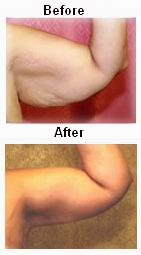
Brachioplasty delivers significant improvements in upper arm contour and patient satisfaction. When performed on appropriate candidates by qualified surgeons, the procedure produces long-lasting, transformative results25.
Patient Satisfaction Rates
According to the International Society of Aesthetic Plastic Surgery (ISAPS), patient satisfaction rates for arm lift surgery exceed 90% when performed by board-certified plastic surgeons26. Additional outcome data reveals:
- 69.2% of patients accept the resultant scars as acceptable trade-offs for improved contours
- 57.7% report satisfaction with body symmetry following surgery
- All brachioplasty techniques show positive clinical outcomes regardless of the specific approach
Physical Improvements
Patients experience dramatic aesthetic improvements including:
- Elimination of “bat wings” or hanging upper arm skin
- Toned, contoured arm appearance
- Improved clothing fit and confidence in sleeveless garments
- Resolution of underarm rashes and skin irritation
- Enhanced ability to engage in physical activities without self-consciousness
Longevity of Results
Brachioplasty results are designed to be long-lasting, provided patients maintain stable body weight and healthy lifestyle habits. The removed skin does not return, though natural aging will continue27.
Factors affecting long-term results include:
- Weight stability: Significant weight fluctuations can compromise results
- Skin elasticity: Natural aging affects skin quality over time
- Lifestyle choices: Exercise and nutrition help maintain muscle tone
- Sun protection: UV exposure can damage scar tissue and surrounding skin
Most patients enjoy their improved arm contours for many years, often decades, when proper maintenance is followed28.
Expected Scar Appearance
Scars from brachioplasty are permanent but typically fade significantly over 6-24 months. Strategic placement on the inner arm minimizes visibility. While scars cannot be eliminated entirely, most patients find them acceptable given the dramatic improvement in arm appearance29.
FAQ
How long does brachioplasty surgery take?
The procedure typically takes 2-3 hours to complete, depending on the extent of correction and whether additional procedures such as liposuction are performed simultaneously30.
Will I have visible scars after arm lift surgery?
Yes, brachioplasty results in permanent scars along the incision sites. However, these are strategically placed on the inner arm where they are less visible and typically fade significantly over 6-24 months. Studies show that 69.2% of patients accept the resultant scars as worthwhile trade-offs for improved arm contours31.
When can I return to exercise after brachioplasty?
Most patients can resume light activities within one week. Strenuous exercise and upper body workouts are typically reintroduced gradually starting at 4-6 weeks post-surgery, with full exercise clearance by 6-8 weeks depending on individual healing32.
Can brachioplasty be combined with other procedures?
Yes, brachioplasty is frequently combined with other body contouring procedures such as tummy tuck), liposuction, breast lift, or facelift surgery — particularly for massive weight loss patients seeking comprehensive body transformation. Combined procedures may extend surgery time and recovery but address multiple concerns in a single operation33.
What is the difference between mini brachioplasty and standard brachioplasty?
Mini brachioplasty involves a shorter incision limited to the armpit area, suitable for patients with mild skin laxity and good skin elasticity. Standard brachioplasty uses a longer incision from armpit to elbow and is appropriate for moderate to significant skin excess. Extended brachioplasty goes even further, potentially reaching the chest wall for severe cases34.
How much does arm lift surgery cost?
According to ASPS statistics, the average surgeon’s fee for brachioplasty is $6,192, with total costs ranging from $10,000–$16,000 in the United States when including facility and anesthesia fees. International locations such as Turkey offer significant savings, with all-inclusive packages around €2,900–$5,0003536.
Important Disclaimer
The content provided in this guide is for informational purposes only and does not constitute medical advice, diagnosis, or treatment. Brachioplasty (arm lift) surgery is a significant medical procedure that carries risks and potential complications.
Individual outcomes vary based on factors including anatomy, age, health status, lifestyle, adherence to post-operative instructions, and surgeon skill. This information is not a substitute for professional medical consultation, examination, or treatment.
Always seek the advice of your physician or other qualified healthcare provider before undertaking any medical treatment or surgery. Never disregard professional medical advice or delay seeking it based on information contained in this guide.
The costs, statistics, and outcomes presented are based on available data at the time of writing and may vary by individual circumstance, geographic location, and provider. Patients should verify all information, including credentials, facility accreditation, and pricing, directly with board-certified plastic surgeons and accredited surgical facilities.