
Cellulite Treatment Guide - FDA-Approved Options & Results
Comprehensive guide to cellulite treatments: FDA-approved options like Cellfina, QWO, and Avéli explained. Learn about costs, recovery, risks, and realistic results from board-certified surgeons.




Overview
Cellulite is a very common skin condition that affects 80-90% of post-pubertal women, appearing as dimpled, lumpy areas on the thighs, buttocks, and abdomen. It occurs when fat deposits push through the connective tissue beneath the skin, creating that characteristic cottage cheese-like appearance.
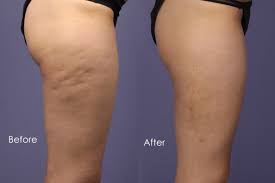
While cellulite is not a medical problem and doesn’t indicate any underlying health issue, many people seek treatment to improve its appearance. Modern medicine offers several FDA-approved and FDA-cleared treatments that can provide meaningful improvement, though it’s important to have realistic expectations.
The condition develops when fat cells accumulate and push upward against the skin, while tough collagen fibers pull downward. This creates the dimpling effect. Hormonal factors (particularly estrogen), genetics, age, and lifestyle all contribute to cellulite formation.
Candidacy
Good candidates for cellulite treatment generally include:
- Healthy individuals with realistic expectations about improvement rather than complete elimination
- Those bothered by the appearance of cellulite on their thighs or buttocks
- Patients at or near their ideal body weight (cellulite can appear regardless of weight, but treatments may be more effective when weight is stable)
- Non-smokers (smoking can impair circulation and healing)
- Those willing to maintain results with a healthy lifestyle
Certain factors may affect your candidacy or results:
- Skin elasticity: Younger patients with better skin tone typically see better results
- Severity: Mild to moderate cellulite responds better to treatment than severe cases
- Overall health: Good circulation and lymphatic function support better outcomes
Consultation with a board-certified plastic surgeon or dermatologist is essential to determine which treatment option is best suited to your specific situation and goals.
The Treatment: Techniques & Options
Minimally Invasive Procedures
Cellfina®
Cellfina is an FDA-approved minimally invasive treatment that uses a small needle-sized device to release the fibrous bands (septae) pulling down on the skin, which causes the dimpling appearance. The procedure typically takes about 45 minutes under local anesthesia.
- Technique: A microblade technique cuts the fibrous bands causing cellulite dimples
- Areas treated: Buttocks and thighs
- Results duration: Up to 3-5 years from a single treatment
- Recovery: Most patients return to work within 24-72 hours
Avéli™
Avéli is the latest FDA-cleared minimally invasive treatment that mechanically releases the fibrous bands causing cellulite while simultaneously treating the fat pockets.
- Technique: Mechanical treatment approach using a handheld device
- Areas treated: Buttocks and thigh cellulite
- Results duration: Typically 1-3 years from a single treatment
- Recovery: Minimal downtime, similar to Cellfina
QWO® (Collagenase Clostridium Histolyticum)
QWO is the first FDA-approved injectable treatment specifically for buttocks cellulite. It contains enzymes that break down collagen in the fibrous bands.
- Technique: Injection-based treatment targeting the structural causes of cellulite
- Areas treated: Buttocks only (FDA-approved indication)
- Treatment sessions: Usually requires 3 treatment sessions, approximately 21 days apart
- Recovery: Virtually no downtime - the least invasive option
Non-Invasive Treatments
Radiofrequency (RF) Therapy
RF treatments deliver thermal energy to heat the skin and underlying tissue, stimulating collagen production and improving skin firmness. Patient satisfaction rates range from 71-97% for subcutaneous fat reduction.
- Technique: External device delivering controlled heat to treatment areas
- Results duration: Typically 6-12 months
- Recovery: No downtime, pain-free and comfortable
- Series: Usually requires multiple sessions for optimal results
Acoustic Wave Therapy
This non-invasive approach uses sound waves to target cellulite, particularly effective at improving the depression appearance.
- Technique: Acoustic pulses target the connective tissue structure
- Results duration: Effects maintain for 4-8 months
- Recovery: No downtime required
Combination Therapies
Many clinics offer combined approaches such as cavitation plus radiofrequency, where RF generates heat to target fat cells and released fat is metabolized through lymphatic drainage. Studies show these combinations can improve cellulite severity from mild to moderate.
Recovery
Recovery varies significantly by treatment type:
Minimally Invasive Procedures (Cellfina, Avéli)
- First 24-72 hours: Return to work and routine activities is possible
- 1-2 weeks: Avoid strenuous exercise and heavy lifting
- 4 weeks: Most bruising and swelling resolves
- 2-3 months: Significant improvement visible, final results become apparent
Common post-procedure experiences include mild bruising, swelling, and tenderness in treatment areas. Small amounts of fluid may leak from incision sites initially.
Injectables (QWO)
- Immediate: Return to normal activities
- 21 days: Wait between treatment sessions
- 3 months: Full results typically visible after completing all sessions
Non-Invasive Treatments (RF, Acoustic Wave)
- Immediate: No downtime, return to all activities immediately
- Weeks to months: Gradual improvement as collagen production increases
- Maintenance: Periodic touch-up treatments needed to maintain results
Risks & Complications
All medical procedures carry some risk. Understanding these helps you make an informed decision.
Common Risks (Across Most Treatments)
According to the American Academy of Dermatology and The Aesthetic Society, common side effects include:
- Bruising and swelling in treatment areas (most common with minimally invasive procedures)
- Redness and tenderness at treatment sites
- Tender lumps beneath the skin (typically temporary)
- Skin sensitivity in treated areas
More Serious Risks (Rare)
- Infection at incision or injection sites
- Allergic reactions to treatment components (particularly with injectables)
- Skin changes including discoloration or texture changes
- Asymmetrical results or uneven improvement
Minimizing Your Risk
To reduce complication risks:
- Choose a board-certified provider with specific cellulite treatment experience
- Follow all pre- and post-treatment instructions carefully
- Disclose your complete medical history and medications
- Report any concerning symptoms promptly to your provider
Cost
Cellulite treatment costs vary widely based on:
- Treatment type and technology
- Number of areas treated
- Geographic location and provider expertise
- Number of sessions required
Typical Cost Ranges
| Treatment Type | Cost Range | Results Duration |
|---|---|---|
| Cellfina® | $2,000 - $5,000 per treatment | 3-5 years |
| Avéli™ | $2,500 - $6,000 per treatment | 1-3 years |
| QWO® | $3,000 - $6,000 (full series) | 1-2 years |
| Radiofrequency series | $1,500 - $4,000 | 6-12 months |
| Acoustic wave therapy | $1,000 - $3,000 | 4-8 months |
Important: These are general ranges. Actual costs depend on your specific treatment plan. Most providers offer consultation pricing to discuss your goals and provide personalized quotes. Insurance typically does not cover cosmetic cellulite treatments.
When evaluating cost, consider the duration of results - longer-lasting treatments may be more cost-effective over time despite higher upfront costs.
Results
What to Expect
- Not a cure: No treatment permanently eliminates cellulite. Results reduce appearance and improve smoothness.
- Gradual improvement: Most treatments show progressive improvement over weeks to months as collagen remodels.
- Maintenance needed: Non-invasive treatments require periodic maintenance sessions.
- Individual variation: Results vary based on anatomy, age, skin quality, and lifestyle factors.
Realistic Expectations
According to the Mayo Clinic, most cellulite treatments provide temporary improvement. The longest-lasting results come from minimally invasive procedures that physically release the fibrous bands causing dimpling.
- Best results: Cellfina, Avéli, and Cellulaze typically provide 1-5 years of improvement
- Moderate results: QWO injections provide 1-2 years of improvement
- Maintenance results: RF and acoustic wave therapy require ongoing treatments
Maintaining Results
To extend your results:
- Maintain stable body weight (significant weight gain can diminish results)
- Stay physically active with regular exercise
- Follow a balanced diet low in saturated fats
- Stay well-hydrated
- Consider maintenance touch-up treatments as recommended
FAQ
Is cellulite treatment permanent?
No cellulite treatment is permanent. Minimally invasive procedures like Cellfina and Avéli provide the longest duration (1-5 years), while non-invasive treatments like RF and acoustic wave therapy require ongoing maintenance every 6-12 months.
Do cellulite treatments work for men?
Yes, though cellulite is less common in men (about 10% of men develop it). The treatments work similarly for men and women, though men’s different collagen structure may affect results.
What’s the difference between cellulite and fat?
Cellulite is a specific structural condition where fat pushes through connective tissue, creating dimpled appearance. Regular fat doesn’t have this characteristic puckered look. You can have a healthy body weight and still have cellulite.
Can liposuction remove cellulite?
No, liposuction removes deep fat deposits but doesn’t address the fibrous bands causing cellulite dimpling. In some cases, liposuction may make cellulite appearance worse by removing supportive fat tissue.
When will I see results?
This varies by treatment:
- QWO: Gradual improvement over 2-3 months after completing all sessions
- Cellfina/Avéli: Initial improvement within days, significant results by 2-3 months
- RF/Acoustic wave: Gradual improvement over weeks to months, with multiple sessions typically needed
Which treatment is best?
The “best” treatment depends on your goals, budget, and tolerance for downtime:
- Longest results, some downtime: Cellfina or Avéli
- Minimal downtime, good results: QWO injections
- No downtime, maintenance required: RF or acoustic wave therapy
Consultation with a qualified provider can help determine the best option for your specific situation.
Can exercise and diet eliminate cellulite?
While healthy lifestyle habits can improve appearance, they cannot eliminate cellulite completely. Exercise and diet may reduce overall body fat, which can minimize cellulite appearance, but the structural connective tissue bands remain. Treatments target these bands directly for more significant improvement.
Are cellulite treatments painful?
Pain varies by treatment type:
- Minimally invasive: Local anesthesia minimizes discomfort during procedure; soreness afterward similar to intense workout
- Injectables (QWO): Minimal discomfort, similar to other injectable treatments
- Non-invasive: Generally comfortable, often described as warm massage sensation
Important Disclaimer
The content provided in this guide is for informational purposes only and does not constitute medical advice, diagnosis, or treatment. Cellulite treatments are medical procedures that should only be performed by qualified, licensed healthcare professionals in appropriate medical settings.
Individual results vary significantly based on anatomy, age, health status, and other factors. Before undergoing any cosmetic treatment, consult with a board-certified plastic surgeon or dermatologist to discuss your specific situation, risks, benefits, and realistic expectations.
The mention of specific treatments, devices, or medications does not constitute endorsement. Always verify provider credentials, facility accreditation, and device FDA clearance status before proceeding with any treatment. Side effects, complications, and adverse reactions are possible with any medical procedure.