
Sclerotherapy for Spider Veins | Treatment for Unsightly Blood Vessels
Sclerotherapy treats spider veins and unsightly blood vessels with minimally invasive FDA-approved injections. Learn about costs, recovery timeline, risks, and results of this effective procedure.




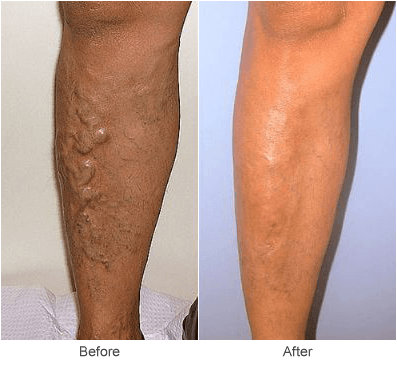
Overview
Sclerotherapy is the gold-standard treatment for eliminating spider veins—those small, unsightly red, purple, or blue blood vessels that appear just beneath the skin’s surface, most commonly on the legs. This minimally invasive procedure involves injecting a specialized solution called a sclerosant directly into the affected veins, causing them to collapse, seal shut, and gradually fade from view.
Spider veins affect millions of people, with a significantly higher prevalence in women. While these vascular blemishes are generally harmless, their prominent appearance can cause cosmetic concerns and self-consciousness, as they typically cannot be concealed with makeup or clothing.
The sclerotherapy procedure has evolved considerably since its early iterations. Modern sclerosing agents, particularly polidocanol (brand name Asclera®), offer enhanced safety profiles, effectiveness, and patient tolerance compared to historical treatments like hypertonic saline. Asclera® received FDA approval in 2010 specifically for treating uncomplicated spider veins (≤1 mm) and reticular veins (1-3 mm), making it the only FDA-approved liquid polidocanol formulation available in the United States.
Candidacy
Ideal candidates for sclerotherapy are individuals in good overall health who are bothered by the cosmetic appearance of spider veins or small varicose veins. The procedure works best on smaller vessels and may be combined with other treatments for larger varicose veins.
Suitable Candidates Include:
- Adults with visible spider veins or reticular veins on the legs
- Individuals with realistic expectations about gradual improvement
- Those willing to wear compression stockings post-treatment
- Patients without significant venous insufficiency in deeper veins
Who Should Avoid Sclerotherapy:
Sclerotherapy has several important contraindications that must be evaluated before treatment:
Absolute Contraindications:
- Pregnancy and breastfeeding — hormonal changes and blood volume increases during pregnancy can exacerbate spider veins, and safety data for sclerosing agents during pregnancy is limited
- Known allergy to sclerosing agents — patients with hypersensitivity to polidocanol or other components cannot safely undergo the procedure
- Active deep vein thrombosis (DVT) or acute venous thromboembolism — treating superficial veins while deep clots exist could dislodge clots and cause life-threatening pulmonary embolism
- Severe arterial disease — compromised arterial circulation may impair healing and increase complication risks
Relative Contraindications:
- Recent pregnancy within the past 3 months
- Obesity, which may require higher solution volumes
- Needle phobia (though the needles used are extremely fine)
- Patients on anticoagulant therapy (may require special precautions)
Before proceeding with treatment, a thorough venous evaluation—often including duplex ultrasound—should confirm that deeper veins are functioning properly and that spider veins are not a symptom of more serious venous insufficiency.
The Procedure
Sclerotherapy is performed as an outpatient procedure, typically requiring no anesthesia and taking 15-45 minutes depending on the number of veins treated. Many patients describe the sensation as mild and tolerable.
Preparation Steps:
- Avoid certain medications — discontinue aspirin, ibuprofen, and blood-thinning supplements 1-2 weeks before treatment (as directed by your provider)
- No lotion on treatment area — arrive with clean legs free from moisturizers or oils
- Wear loose shorts — bring comfortable clothing that allows easy access to treatment areas
- Arrange transportation — though not always necessary, having someone drive you home can be helpful if you experience discomfort
The Treatment Process:
- Positioning — you’ll lie on an examination table with legs slightly elevated
- Vein identification — the provider examines and marks the targeted veins
- Injection — using an extremely fine needle (typically 30-gauge), the sclerosing solution is injected directly into each vein
- Observation — you may feel mild stinging, burning, or cramping for 15-30 seconds at injection sites
- Compression — after treatment, compression stockings or bandages are applied to aid vein closure and reduce bruising
The sclerosant works by irritating the inner lining of the vein (endothelium), causing inflammation and eventual fibrosis. Over time, the treated vein seals shut, blood flow redirects to healthier vessels, and the collapsed vein fades from visibility. Because many spider veins interconnect, a single injection can sometimes eliminate dozens of visible vessels simultaneously—a distinct advantage over older treatment methods.
Alternative and Adjunctive Treatments:
For patients who are not candidates for sclerotherapy or have residual veins after treatment, other options include:
- Laser therapy — uses focused light energy to heat and destroy vessels; may be more painful than sclerotherapy and carries higher risks of scarring and pigmentation changes
- Ambulatory phlebectomy — for larger protruding veins, a minor surgical procedure where veins are removed through tiny incisions
- Endovenous radiofrequency — treats larger varicose veins with thermal energy delivered via a catheter
Recovery
Sclerotherapy involves minimal downtime, allowing most patients to return to normal activities immediately. The recovery process centers on gradual vein fading over several weeks.
Immediate Post-Procedure (First 24-72 Hours):
- Wear compression stockings continuously for 24-72 hours (except while showering)
- Walk regularly — 15-30 minutes of walking daily promotes circulation and helps prevent blood clots
- Avoid strenuous exercise — refrain from high-impact workouts, heavy lifting, or prolonged standing for 2-3 days
- Elevate legs when resting — reduces swelling and improves treatment outcomes
Short-Term Recovery (1-4 Weeks):
- Continue compression therapy — most providers recommend wearing compression stockings while awake for 1-2 weeks
- Avoid sun exposure — ultraviolet radiation can cause hyperpigmentation (dark spots) at treatment sites; avoid direct sun for 4 weeks or use broad-spectrum sunscreen
- Expect gradual fading — treated veins typically lighten or disappear over 3-6 weeks, though some vessels may take 2-3 months for full resolution
Post-Treatment Symptoms:
- Mild bruising — common and usually resolves within 1-3 weeks
- Tender areas — small, firm nodules (trapped blood) may develop at injection sites; these can be drained if painful
- Brown discoloration — temporary hyperpigmentation occurs in some patients and may persist for several months before fading
- Itching — mild itching around treated veins is normal as they heal
Most patients notice significant improvement within 4-6 weeks, though multiple treatment sessions are often necessary to achieve optimal results. Sessions are typically spaced 4-6 weeks apart to allow healing and assessment of previous treatments.
Risks & Complications
Sclerotherapy is generally considered safe with few serious complications when performed by qualified providers. However, as with any medical procedure, risks exist.
Common Minor Side Effects:
- Localized inflammation — redness, swelling, and irritation at injection sites affect most patients temporarily
- Bruising — mild to moderate bruising depending on vessel fragility; resolves within 1-3 weeks
- Skin discoloration — brown staining (hyperpigmentation) occurs in some patients; usually fades over months but may occasionally be permanent
- Small skin sores or crusting — occurs when sclerosant leaks into surrounding tissue; typically heals quickly but can leave small brown spots
Less Common Risks:
- Allergic reactions — rare with modern sclerosants like polidocanol, but possible; symptoms include hives, difficulty breathing, or swelling
- Blood clots — superficial thrombophlebitis (inflamed clots in treated veins) may develop; can be drained if painful. Deep vein thrombosis (DVT) is rare but serious
- Neovascularization — development of tiny new blood vessels near treatment sites, which may require additional treatment
- Matting — clusters of fine new red veins appearing near treated areas
Rare but Serious Complications:
- Pulmonary embolism — a blood clot traveling to the lungs is extremely rare but potentially life-threatening
- Arterial injection — accidental injection into an artery can cause tissue damage; this is why skilled technique is crucial
- Nerve damage — temporary numbness or tingling may occur near treatment sites
- Stroke or visual disturbances — extremely rare complications associated with bubble formation in rare circumstances
To minimize risks, choose a board-certified dermatologist, plastic surgeon, or vascular specialist experienced in sclerotherapy. Proper technique, appropriate patient selection, and adherence to post-treatment instructions significantly reduce complication rates.
Cost
Sclerotherapy costs vary based on geographic location, provider expertise, number of veins treated, and required treatment sessions. Because sclerotherapy is considered a cosmetic procedure, insurance typically does not cover it unless medically indicated (e.g., associated symptoms like pain, swelling, or ulcers).
Average Cost Information:
According to the American Society of Plastic Surgeons (ASPS), the average cost of spider vein treatment (sclerotherapy) is $500 per session. However, costs can range from $200 to $2,000 per session depending on:
- Treatment area size — larger areas with more veins require more solution and time
- Number of injections — some providers charge per injection (e.g., $150 for 30 injections, $250 for 50 injections)
- Provider experience — highly specialized vein clinics may charge premium rates
- Geographic location — costs are typically higher in major metropolitan areas
- Sclerosant type — FDA-approved agents like Asclera® may cost more than generic solutions
Expected Number of Treatments:
Most patients require 2-4 treatment sessions spaced 4-6 weeks apart to achieve satisfactory clearance. Complex cases or extensive spider vein networks may require 6 or more sessions.
Combined Treatment Costs:
Some patients benefit from combination therapy:
- Sclerotherapy + laser treatment — $300-$450 per laser session in addition to sclerotherapy costs
- Sclerotherapy + ambulatory phlebectomy — surgical removal costs vary by surgeon
When consulting providers, ask for a comprehensive treatment plan with estimated total costs, including follow-up visits and any necessary compression stockings.
Results
Sclerotherapy delivers high satisfaction rates for appropriate candidates, with most patients experiencing significant improvement in vein appearance. Understanding realistic expectations is key to satisfaction with results.
Treatment Efficacy:
- Success rates — approximately 80-90% of treated veins show significant improvement or complete disappearance after proper treatment
- Timeframe — initial results visible within 3-6 weeks; final outcomes may take 3-6 months as veins gradually fade
- Permanent results — treated veins do not return; however, new spider veins can develop over time due to genetic predisposition, aging, pregnancy, or lifestyle factors
Factors Influencing Results:
- Vein size — smaller spider veins respond better than larger varicose veins
- Treatment adherence — wearing compression stockings as directed and avoiding sun exposure improves outcomes
- Lifestyle — maintaining healthy weight, regular exercise, and avoiding prolonged sitting or standing reduces new vein formation
- Genetic factors — family history predisposes individuals to developing new spider veins regardless of treatment success
Long-Term Outlook:
While sclerotherapy effectively eliminates existing spider veins, it does not prevent future development. Patients with strong genetic predisposition may require periodic maintenance treatments every few years. Some venous experts recommend preventive measures including:
- Regular leg elevation — improves venous return and reduces pressure
- Compression stockings — daily use for those who stand for prolonged periods
- Exercise — walking and calf muscle engagement promotes healthy circulation
- Weight management — reduces venous pressure from excess weight
Realistic expectations, proper provider selection, and adherence to post-treatment care contribute to the high satisfaction rates reported by sclerotherapy patients. For most, the psychological and cosmetic benefits of clearer skin outweigh the investment in treatment.
FAQ
Is sclerotherapy painful?
Most patients describe sclerotherapy as mildly uncomfortable rather than painful. The fine needles used (30-gauge) cause minimal sensation, and you may feel brief stinging or burning for 15-30 seconds as the solution is injected. Some experience temporary muscle cramping that resolves within minutes. The procedure generally requires no anesthesia.
How many sclerotherapy treatments will I need?
Most patients require 2-4 sessions spaced 4-6 weeks apart to achieve optimal results. Extensive spider vein networks or larger vessels may need 6 or more treatments. Your provider will assess at each session whether additional treatment is beneficial, as some veins resolve completely after the first treatment.
Are results from sclerotherapy permanent?
Treated veins do not grow back once successfully eliminated. However, sclerotherapy cannot prevent new spider veins from developing in the future, especially if you have genetic risk factors. Patients with strong hereditary predisposition may require maintenance treatments every few years to address new vein formation.
What is the difference between spider veins and varicose veins?
Spider veins are smaller (≤1 mm), red or purple, and appear close to the skin’s surface in spider-web or linear patterns. Varicose veins are larger (>1 mm), often bulging or rope-like, blue or dark purple, and may cause symptoms like aching, heaviness, or swelling. Sclerotherapy treats both, but larger varicose veins may require additional treatments like radiofrequency ablation.
When can I resume normal activities after sclerotherapy?
Most patients return to work and normal activities immediately. You should avoid strenuous exercise, heavy lifting, and prolonged standing for 2-3 days. Walking is encouraged immediately after treatment as it promotes circulation and helps prevent complications. Compression stockings should be worn continuously for 24-72 hours, then daily while awake for 1-2 weeks.
Can sclerotherapy be done during pregnancy?
No, sclerotherapy is contraindicated during pregnancy and breastfeeding. Hormonal changes and increased blood volume during pregnancy often cause spider veins to worsen, but many improve after delivery. It’s best to wait until at least 3 months postpartum and after completing breastfeeding before pursuing treatment.
Important Disclaimer
This content is for informational purposes only and does not constitute medical advice, diagnosis, or treatment. Sclerotherapy and other vein treatments should only be performed by qualified, licensed healthcare professionals. Individual results vary, and not everyone is a suitable candidate for this procedure. Always consult with a board-certified dermatologist, plastic surgeon, or vascular specialist to evaluate your specific situation, discuss risks and benefits, and determine appropriate treatment options. Costs and outcomes mentioned are based on general data and may not reflect your individual experience or provider pricing. Mention of specific products (such as Asclera®) does not constitute endorsement. The inclusion of treatment information does not guarantee safety or efficacy for every patient. Emergency medical attention may be necessary for serious complications. Always verify credentials and experience when selecting a healthcare provider.