
Cheek Implants Surgery | Malar Augmentation Procedure Guide
Cheek implant surgery (malar augmentation) enhances facial contours. Learn about costs ($3,876-$15,872), recovery, risks, candidacy. Board-certified surgeons available.




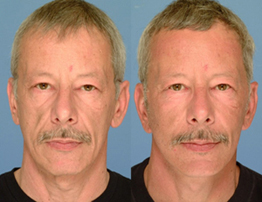
Overview
Cheek implant surgery, medically known as malar augmentation, is a cosmetic procedure designed to enhance facial contours by placing solid implants over the cheekbones. This permanent solution adds volume and projection to the midface, creating a more youthful, balanced, and symmetrical appearance.
According to the Cleveland Clinic, cheek implants address age-related volume loss in the midface—a natural process where fat pads diminish over time, creating a sunken or hollow appearance. The procedure can also correct congenital facial asymmetry, trauma-related defects, or simply provide more definition to naturally flat cheekbones.
Unlike temporary dermal fillers that require repeated injections every 6-18 months, cheek implants offer a permanent enhancement solution. The American Board of Cosmetic Surgery notes that many patients who experience excellent results with fillers eventually opt for implants to maintain their aesthetic improvements without ongoing maintenance.
Candidacy
Ideal candidates for cheek implant surgery share specific characteristics that ensure safe, successful outcomes:
Health Requirements:
- Good overall physical health with no chronic conditions that impair healing
- Non-smokers or willing to quit smoking at least 4-6 weeks before and after surgery
- Stable weight with no significant fluctuations anticipated
- Realistic expectations about what implants can achieve
Aesthetic Concerns:
- Age-related midface volume loss creating hollow or sunken cheeks
- Congenital flat cheekbones lacking natural definition
- Facial asymmetry where one cheekbone appears less prominent than the other
- Previous facial trauma resulting in skeletal deformities
- History of successful filler treatments seeking permanent solutions
The American Society of Plastic Surgeons emphasizes that the best candidates have specific aesthetic goals they want to achieve through permanent enhancement rather than temporary solutions. Patients should understand that while implants themselves don’t change with age, surrounding tissues continue to age naturally.
The Surgery
Cheek implant surgery is typically performed as an outpatient procedure under general anesthesia or local anesthesia with sedation, taking approximately 1-2 hours to complete.
Implant Selection and Placement:
Your surgeon selects implants based on your facial anatomy and aesthetic goals. Implants come in various sizes, shapes (malar, submalar, or combined), and materials—typically solid silicone or porous polyethylene. The American Society of Plastic Surgeons explains that custom implants may be crafted for unique anatomical needs.
Surgical Approach:
Two primary incision options exist:
-
Intraoral (inside the mouth): An incision above the upper teeth provides direct access to the cheekbone. This approach leaves no visible external scars but requires special postoperative care to avoid infection.
-
Transconjunctival (lower eyelid) or preauricular (near the ear): External incisions hide in natural skin creases. These approaches offer excellent visualization and lower infection risk.
Once the incision is made, the surgeon creates a precise pocket beneath the periosteum (the tissue covering the bone). The implant is carefully positioned and may be secured with tiny titanium screws to prevent migration. According to PlasticsurgeryKey, many surgeons use a “no-touch” technique where implants contact only the bone surface, minimizing tissue trauma.
For traumatic injuries or significant skeletal deficiencies, ASPS guidelines note that bone grafts may be combined with or used instead of synthetic implants.
Recovery
Recovery from cheek implant surgery follows a predictable timeline, though individual healing rates vary. The Cleveland Clinic provides comprehensive recovery expectations:
Immediate Postoperative Period (Days 1-3):
- Swelling, bruising, and mild to moderate discomfort around the cheeks and eyes
- Head elevation required to minimize swelling
- Liquid or soft diet if intraoral incisions were used
- Prescription pain medication manages discomfort
- Temporary numbness in cheek and upper lip areas common
First Week:
- Most patients return to non-strenuous work within 5-7 days
- External sutures (if used) removed at 5-7 days
- Internal sutures dissolve within 10-14 days
- Swelling begins to subside but persists significantly
- Avoid strenuous exercise, heavy lifting, and bending
Weeks 2-4:
- Noticeable improvement in swelling and bruising
- Gradual return to normal social activities
- Light exercise permitted (walking, stationary cycling)
- Numbness gradually diminishes though some may persist months
Months 2-6:
- Final results emerge as tissues settle completely
- Subtle refinement in implant position as swelling fully resolves
- Most sensation returns to normal
- Full return to all activities including contact sports
The Cleveland Clinic emphasizes that final results may not be plainly visible for 3-6 months as swelling gradually resolves and tissues adapt to the implants. Patience during this healing period is essential.
Risks & Complications
As with any surgical procedure, cheek implant surgery carries potential risks. The American Society of Plastic Surgeons outlines specific complications associated with malar augmentation:
Common Risks:
- Asymmetry: Slight differences in implant position or healing may create noticeable asymmetry, requiring revision surgery
- Capsular contracture: Scar tissue tightening around the implant can cause firmness, shifting, or visible contours—correctable through additional surgery
- Implant displacement: Implants may shift from their original position, necessitating surgical repositioning
- Sensory changes: Temporary or permanent numbness in cheeks, upper lip, or lower eyelid area affects 5-10% of patients
Serious Complications:
- Infection: More common with intraoral approaches; requires antibiotics and possible implant removal
- Hematoma or seroma: Blood or fluid accumulation may require drainage
- Implant rejection: While rare with modern materials, the body may develop a reaction requiring implant removal
- Bone resorption: Long-term pressure can occasionally cause underlying bone to recede
Anesthesia-Related Risks: According to the Mayo Clinic, general anesthesia carries risks including adverse reactions, blood clots (DVT), and respiratory complications—though these are rare in healthy patients.
Incision-Specific Concerns:
- Intraoral: Higher infection risk, temporary difficulty chewing
- External: Visible scars (though hidden in natural creases), potential eyelid tightening
Choosing a board-certified plastic surgeon with extensive facial implant experience significantly minimizes these risks.
Cost
The cost of cheek implant surgery varies considerably based on multiple factors. According to the latest American Society of Plastic Surgeons statistics, the average surgeon’s fee for cheek implants is $3,876 (as of 2024).
However, this figure represents only the surgeon’s professional fee and excludes additional mandatory costs:
Comprehensive Cost Breakdown:
- Surgeon’s fee: $3,876 (ASPS 2024 average)
- Anesthesia fees: $500-$1,500
- Operating room/facility fees: $1,000-$3,000
- Implant cost: $500-$1,500 per implant
- Pre-operative testing: $200-$800
- Prescription medications: $100-$300
- Post-operative garments: $50-$150
Total Typical Range: $6,960 - $15,872 according to CareCredit and other financing sources. Bookimed reports international medical tourism packages averaging $4,800-$5,650, often including CT scans, anesthesia, and postoperative care.
Variables Affecting Cost:
- Geographic location (urban centers typically more expensive)
- Surgeon experience and reputation
- Implant type (standard vs. custom)
- Surgical technique and complexity
- Combination procedures (facelift, chin implant, etc.)
- Facility type (hospital vs. accredited surgery center)
Insurance typically does not cover cosmetic cheek implants. However, when performed for reconstructive purposes following trauma or congenital defects, partial coverage may be available—verify with your provider beforehand.
Results
Cheek implants deliver permanent, natural-looking enhancements when properly selected and placed. The American Board of Cosmetic Surgery showcases numerous before-and-after examples demonstrating:
Aesthetic Improvements:
- Restored midface volume and youthful fullness
- Enhanced cheekbone definition and projection
- Improved facial balance and harmony
- Reduced appearance of under-eye hollows
- More attractive facial proportions from all angles
Longevity and Permanence:
Unlike dermal fillers requiring maintenance every 6-18 months, Prasad Cosmetic Surgery confirms that cheek implants are designed to last decades—potentially a lifetime. The implants themselves don’t change with age, though surrounding tissues continue aging naturally.
Realistic Expectations:
Acibadem International emphasizes that conservative treatment planning matched to facial anatomy produces the most natural outcomes. Overly large implants can create an unnatural, “operated” appearance difficult to correct without revision surgery.
Recovery and Final Appearance:
While subtle improvements become visible within 4-6 weeks, the Cleveland Clinic notes that final results may not be fully apparent for 3-6 months as all swelling resolves and tissues completely settle around the implants.
Reversibility and Revision:
According to RealSelf, while considered permanent, implants can be removed or replaced if necessary—though revision surgery carries higher complication rates than initial placement. Some patients eventually combine implants with fat grafting for enhanced soft-tissue coverage.
FAQ
How long does cheek implant surgery take?
Cheek implant surgery typically takes 1-2 hours to complete when performed alone. However, if combined with other facial procedures like facelift surgery, rhinoplasty, or chin implants, total operative time extends to 3-5 hours. The Cleveland Clinic notes that most patients return home the same day after a brief observation period.
Are cheek implants permanent or do they need replacement?
Cheek implants are designed to be permanent and do not require routine replacement. Unlike breast implants, which typically need replacement after 10-15 years, properly placed facial implants can last decades according to Prasad Cosmetic Surgery. However, implants may be removed or replaced if complications arise, aesthetic preferences change, or aging affects surrounding tissues significantly.
Will cheek implants feel natural?
Yes—after complete healing (typically 6-12 months), cheek implants feel completely natural and become integrated with your facial structure. The American Board of Cosmetic Surgery notes that while patients may feel firmness initially, implants eventually become unnoticeable to touch and movement. Numbness during the healing period is normal and usually resolves spontaneously.
Can cheek implants be combined with other procedures?
Absolutely—cheek implants are frequently combined with other facial enhancement procedures for comprehensive rejuvenation. Common combinations include:
- Facelift surgery to address sagging jowls and neck skin
- Blepharoplasty (eyelid surgery) for upper and lower eye bag removal
- Rhinoplasty for nasal refinement
- Chin implants for improved facial proportions
- Fat grafting to soften implant edges and enhance overall volume
The ASPS reports that combination procedures often yield more harmonious results than isolated treatments.
What’s the difference between cheek implants and fillers?
The primary differences between implants and dermal fillers include:
| Factor | Cheek Implants | Dermal Fillers |
|---|---|---|
| Duration | Permanent (decades) | Temporary (6-18 months) |
| Material | Solid silicone/polyethylene | Hyaluronic acid/calcium hydroxyapatite |
| Procedure | Surgical (1-2 hours, OR) | Non-surgical (15-30 minutes, office) |
| Recovery | 1-2 weeks downtime | Minimal to none |
| Cost | Higher upfront ($6k-$15k) | Lower per treatment ($500-$2,000) |
| Reversibility | Surgical removal required | Dissolves naturally over time |
The American Board of Cosmetic Surgery recommends fillers as an excellent starting point for patients uncertain about permanent augmentation—many filler users eventually transition to implants for lasting results.
How painful is cheek implant recovery?
Most patients describe cheek implant discomfort as mild to moderate, easily managed with prescription pain medication for 3-5 days. The Cleveland Clinic characterizes the sensation as pressure and tightness rather than sharp pain. By the end of the first week, most patients require only over-the-counter analgesics. Patients with intraoral incisions report more discomfort due to sore gums during eating but otherwise similar recovery experiences.
Will I have visible scars after cheek implant surgery?
Scarring from cheek implant surgery is minimal and strategically placed. Intraoral incisions (inside the mouth) leave no external scars. External incisions (lower eyelid or near the ear) are hidden in natural skin creases and typically fade to imperceptible fine white lines over 6-12 months according to ASPS guidelines. Proper scar care and sun protection during healing optimize scar appearance.
Important Disclaimer
This content is provided for informational purposes only and does not constitute medical advice, diagnosis, or treatment. Cheek implant surgery is a serious medical procedure that should only be performed by qualified, licensed healthcare professionals in appropriately accredited medical facilities. Individual results vary significantly based on anatomy, surgeon skill, and healing capacity. This article does not guarantee specific outcomes or replace professional medical consultation. Always consult with board-certified plastic surgeons to evaluate your specific situation, discuss all risks and benefits, and determine appropriate treatment options. The authors and publishers of this content assume no liability for decisions made based on this information. Providers and facilities mentioned are examples and do not constitute endorsement. Verify all credentials, experience, and facility accreditation independently before proceeding with any treatment.