
Dermabrasion for Acne Scars and Skin Resurfacing
Discover dermabrasion, a surgical skin resurfacing treatment for deep acne scars, wrinkles, and sun damage. Learn about costs, recovery, risks, and results from board-certified surgeons.




Overview
Dermabrasion is a surgical skin resurfacing procedure that uses a rapidly rotating wire brush or diamond wheel to remove the outer layers of skin. This controlled abrasion process smooths skin irregularities, reduces the appearance of scars, and improves overall skin texture by stimulating new skin growth.
The face is the most common treatment site, though other body areas can also be treated. Dermabrasion is particularly effective for:
- Deep acne scars that don’t respond to other treatments
- Fine lines and wrinkles around the mouth and eyes
- Surgical and accident scars from previous injuries
- Sun-damaged skin and age spots
- Precancerous skin growths (actinic keratoses)
- Uneven skin texture and discoloration
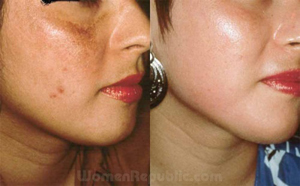
Unlike microdermabrasion—a light, superficial treatment often performed by aestheticians—dermabrasion is a medical surgical procedure performed by board-certified dermatologists or plastic surgeons. It penetrates deeper into the skin layers, making it suitable for more severe scarring and skin concerns.
According to the American Society of Plastic Surgeons, skin resurfacing procedures like dermabrasion have remained popular options for facial rejuvenation, with thousands of procedures performed annually in the United States.
Candidacy
Ideal Candidates
Good candidates for dermabrasion typically include individuals who:
- Have deep acne scars, surgical scars, or injury scars
- Struggle with fine to moderate wrinkles and facial lines
- Exhibit sun damage, age spots, or uneven pigmentation
- Have fair to light skin tones (better results, lower complication risk)
- Are in good overall health without active skin infections
- Have realistic expectations about recovery time and outcomes
- Can commit to strict sun protection during healing
Skin Type Considerations
Your skin type significantly influences candidacy:
- Fair skin tends to heal with better results and lower risk of pigmentation changes
- Darker skin tones (Fitzpatrick types IV-VI) face higher risks of permanent hyperpigmentation (darkening) or hypopigmentation (lightening)
- Active acne, eczema, psoriasis, or rosacea may require treatment before dermabrasion
- Recent isotretinoin (Accutane) use typically requires a 6-12 month waiting period due to impaired healing and scarring risk
Contraindications
Dermabrasion may not be recommended if you:
- Have active acne outbreaks or skin infections in treatment areas
- Have a history of keloid scars or abnormal wound healing
- Are currently taking isotretinoin (Accutane) or have taken it within the past 6-12 months
- Have dark skin prone to hyperpigmentation (though techniques exist to mitigate this risk)
- Have certain medical conditions affecting healing (diabetes, autoimmune disorders)
- Are pregnant or breastfeeding
Note: Your board-certified plastic surgeon or dermatologist will evaluate your medical history, skin type, and specific concerns during a comprehensive consultation to determine if dermabrasion is appropriate for you.
The Dermabrasion Procedure
Preparation Phase
Before your procedure, your surgeon will:
- Conduct a complete medical history and physical examination
- Review your current medications and supplements (some may need to be stopped)
- Discuss anesthesia options—local anesthesia with sedation or general anesthesia
- Take before photographs for comparison and medical records
- Provide pre-procedure instructions (avoid sun exposure, stop smoking, arrange for someone to drive you home)
The Treatment Process
Step 1: Anesthesia and Preparation
- The treatment area is cleansed with antiseptic solution and marked
- Local anesthetic (lidocaine) is injected to numb the area
- Ice packs may be applied for 20-30 minutes to firm the skin and reduce bleeding
- Depending on treatment extent, sedation or general anesthesia may be used
Step 2: Abrasion Process
- The surgeon uses a high-speed rotary instrument (dermabrader) with a wire brush, diamond fraise, or sanding wheel
- The rapidly rotating device removes the epidermis (outer skin layer) and portions of the dermis (deeper layer)
- The depth of abrasion depends on:
- Burr/brush coarseness (grit size)
- Rotation speed (RPMs)
- Pressure applied
- Treatment duration
- Skin condition and thickness
Step 3: Controlled Wounding and Healing
- The process creates a controlled wound that reaches the deeper skin layers
- The treated area will bleed as the skin is removed—this is normal and expected
- As the skin heals, new, smoother skin grows to replace the damaged tissue
Step 4: Post-Procedure Care
- The treated skin is covered with ointment, moist dressings, or bandages
- These protect the healing skin and prevent infection
- Dressings are typically changed daily for the first week
Treatment Scope
- Small areas (around the mouth) may take 30-45 minutes
- Full-face dermabrasion can take 1-2 hours
- Multiple sessions may be needed for extensive scarring or large treatment areas
- The procedure is typically performed one area at a time for precise control
Advanced note: According to the FDA, dermabrasion devices are regulated medical devices requiring premarket notification for safety and efficacy.
Recovery Timeline
Immediate Post-Procedure (Days 1-7)
- Swelling, redness, and raw appearance—normal part of healing
- Oozing and crusting as the skin forms protective layers
- Tenderness and discomfort—managed with prescribed pain medication
- Strict wound care with gentle cleansing and ointment application
- Avoid all sun exposure—healing skin is extremely sensitive
Early Healing (Weeks 1-2)
- New skin begins to form—initially pink, red, or purple depending on your skin tone
- Swelling gradually subsides but some puffiness may persist
- Itching as skin heals— resist scratching to prevent scarring
- Continue strict sun protection and gentle skincare routine
- Most daily activities can be resumed, but avoid strenuous exercise
Mid-Recovery (Weeks 3-6)
- Redness fades gradually but may persist for several weeks
- Skin texture improves as collagen remodeling continues
- Makeup can typically be applied once initial healing is complete (usually 2-3 weeks)
- Continue sun protection—skin remains UV-sensitive
Full Recovery (Months 2-6)
- Redness completely resolves for most patients
- Final results become apparent as skin matures
- Scar improvement continues for up to a year
- Ongoing sunscreen use is critical to prevent pigmentation changes
Recovery Timeline Summary
| Phase | Timeframe | Key Milestones |
|---|---|---|
| Immediate | Days 1-7 | Raw skin, oozing, swelling, strict wound care |
| Early Healing | Weeks 1-2 | New skin formation, pink/red appearance |
| Mid-Recovery | Weeks 3-6 | Redness fading, texture improving, makeup allowed |
| Full Recovery | Months 2-6 | Complete healing, final results visible |
According to Cleveland Clinic, it takes at least two weeks for initial healing, with full recovery requiring several weeks to months depending on treatment depth and individual healing response.
Risks and Complications
Common and Expected Side Effects
These are normal parts of the healing process:
- Redness and swelling lasting weeks to months
- Sensitivity to sunlight and skincare products
- Temporary changes in skin sensation (tingling, numbness)
- Crusting and oozing during initial healing
- Itching as new skin forms
Potential Risks
While generally safe when performed by qualified professionals, dermabrasion carries risks including:
1. Pigmentation Changes
- Hyperpigmentation (darkening of the skin)—most common risk
- Hypopigmentation (permanent lightening of treated areas)
- Risk higher in darker skin tones
- Sun exposure during healing dramatically increases this risk
2. Scarring
- Abnormal scarring (keloids or hypertrophic scars) in predisposed individuals
- Infection-related scarring if post-care instructions aren’t followed
- Risk minimized with proper technique and aftercare
3. Infection
- Bacterial or viral infections can occur
- Antibiotics and antiviral medications may be prescribed preventively
- Proper wound care reduces this risk significantly
4. Prolonged Redness
- Some patients experience erythema (persistent redness) lasting months
- More common in fair-skinned individuals
- Typically resolves gradually
5. Other Rare Complications
- Chronic pain (very rare according to ASPS informed consent documents)
- Allergic reactions to anesthesia or topical products
- Skin textural changes beyond expected improvement
Risk Mitigation
To minimize complications:
- Choose a board-certified plastic surgeon or dermatologist
- Follow all pre- and post-procedure instructions carefully
- Avoid sun exposure completely during initial healing
- Use sunscreen diligently for 6-12 months after treatment
- Disclose full medical history including medications and previous treatments
- Report any concerning symptoms promptly to your provider
Safety note: The American Society of Plastic Surgeons emphasizes that while risks exist, they are minimized when procedures are performed by board-certified surgeons in accredited facilities.
Cost Information
Average Cost Ranges
United States (2024 data):
- Average cost: $1,500 - $1,829 per treatment area
- RealSelf reports approximately $1,500
- ASPS statistics show $1,829 average for skin resurfacing
International Pricing (for reference):
- Mexico: $1,000 - $2,000 for acne scar treatment
- Costs vary significantly by country, facility, and surgeon expertise
Factors Affecting Cost
Several factors influence your final price:
- Geographic location (urban vs. rural, regional cost differences)
- Provider expertise (board-certified surgeon vs. non-specialist)
- Treatment scope (small area vs. full-face treatment)
- Facility fees (accredited surgical center vs. office-based procedure)
- Anesthesia costs (local only vs. sedation vs. general anesthesia)
- Number of sessions required for optimal results
Insurance Coverage
- Cosmetic dermabrasion is typically not covered by insurance
- If performed for medical reasons (precancerous growths, traumatic scar revision), partial coverage may be possible
- Check with your insurance provider for specific policy details
Cost-Effectiveness
While dermabrasion requires upfront investment, it can be cost-effective compared to:
- Multiple less invasive treatments that yield minimal results for deep scars
- Ongoing skincare regimens that don’t address texture irregularities
- More invasive surgical options with longer recovery and higher costs
Consultation note: During your consultation, request a detailed cost breakdown including all fees (surgeon, facility, anesthesia, follow-up care). Some providers offer financing options.
Results and Longevity
What to Expect
Successful dermabrasion can deliver:
- Smoother skin texture with reduced surface irregularities
- Diminished appearance of acne scars, surgical scars, and injury scars
- Softened fine lines and wrinkles (especially around the mouth)
- More even skin tone with reduced pigmentation irregularities
- Improved overall skin appearance and confidence
Timeline for Results
- Initial improvement visible as early as 4-6 weeks post-procedure
- Continued improvement for 6-12 months as collagen remodels
- Final results typically assessed 12 months after treatment
- Results are permanent for removed damaged skin, but aging continues
Longevity
Dermabrasion results are long-lasting but not permanent:
- Treated scars don’t return—the improvement is permanent
- New scars can form from future acne, injuries, or surgeries
- Natural aging continues—new wrinkles and lines may develop over time
- Sun damage accumulates without proper protection
To maintain results:
- Commit to lifelong sun protection (SPF 30+, protective clothing)
- Follow a consistent skincare routine recommended by your provider
- Avoid smoking (accelerates aging and impairs healing)
- Maintain stable weight (significant fluctuations can affect facial contours)
- Treat new acne promptly to prevent new scarring
Combination Approaches
Dermabrasion may be combined with:
- Chemical peels for enhanced pigmentation correction
- Laser resurfacing for targeted deep scars
- Fillers for volume loss (atrophic scars)
- Microneedling for overall texture improvement
- Scar revision surgery for raised or tethered scars
Realistic expectations: Dermabrasion can significantly improve scar appearance but rarely eliminates scars completely. Most patients achieve 50-80% improvement in texture and visibility.
Frequently Asked Questions
How does dermabrasion differ from microdermabrasion?
Dermabrasion is a surgical procedure that removes deep skin layers using a rapidly rotating brush or diamond wheel. It’s performed by board-certified physicians and penetrates the dermis to treat deep scars, wrinkles, and sun damage. Microdermabrasion is a light, superficial treatment that exfoliates only the dead outer skin cells (stratum corneum) using fine crystals or diamond tips. It’s often performed by aesthetians and requires no downtime but only addresses very minor surface issues. Dermabrasion is for moderate-to-severe concerns; microdermabrasion is for mild textural issues and maintenance.
Is dermabrasion painful?
During the procedure, you should feel minimal to no pain due to local anesthesia and often sedation. Afterward, most patients describe the sensation as similar to a severe sunburn or brush burn—tender, warm, and uncomfortable. Pain medication is prescribed to manage discomfort during the first few days. The raw, oozing phase typically lasts 5-7 days, after which discomfort decreases significantly as new skin forms.
How long before I see results?
Initial improvement is often visible within 4-6 weeks as redness subsides and new skin matures. However, continued improvement occurs for 6-12 months as collagen production increases and the skin fully remodels. Most patients see their final results around the one-year mark, though significant improvement is typically apparent by 3-6 months. Patience is crucial—the skin healing process continues long after the procedure itself.
Can dermabrasion remove all my acne scars?
Dermabrasion can significantly improve most acne scars but rarely eliminates them completely. Patients typically achieve 50-80% improvement in scar depth and visibility. Deep ice-pick scars may require combination treatment (punch excision, subcision, fillers). Your surgeon can assess your specific scar types and provide realistic expectations during consultation. While not a “cure,” dermabrasion offers substantial improvement for many patients.
How many sessions will I need?
Many patients achieve satisfactory results in 1-2 sessions. Deep or extensive scarring may require 3-4 treatments spaced 6-12 months apart** to allow complete healing between procedures. Your surgeon will assess your specific concerns and recommend a personalized treatment plan. Each additional session builds on previous results for cumulative improvement.
What should I avoid before and after dermabrasion?
Before the procedure: Avoid isotretinoin (Accutane) for 6-12 months, limit sun exposure, and stop smoking (impairs healing). Discontinue blood-thinning supplements (fish oil, vitamin E, aspirin) 1-2 weeks prior if advised by your surgeon. Afterward: STRICTLY avoid sun exposure for 6-12 months. Use broad-spectrum sunscreen (SPF 30+) daily. Avoid skincare products with retinoids, AHAs, or scrubs until cleared by your provider (typically 4-6 weeks). No strenuous exercise for 2-3 weeks to prevent strain on healing skin.
Important Disclaimer
The information provided on this page is for educational purposes only and does not constitute medical advice, diagnosis, or treatment. Dermabrasion is a medical procedure that should only be performed by qualified, licensed healthcare professionals—typically board-certified plastic surgeons or dermatologists—in appropriate medical facilities.
Individual results vary significantly based on:
- Skin type and condition
- Medical history and healing capacity
- Provider skill and experience
- Adherence to pre- and post-procedure instructions
- Genetic factors and lifestyle
Always consult with a board-certified provider to evaluate your specific situation, discuss potential risks and benefits, and determine if dermabrasion is appropriate for you. Never use this information as a substitute for professional medical advice or delay seeking care based on content read here.
Providers featured on Best Cosmetic Hospitals are independently owned and operated. Inclusion does not constitute endorsement or guarantee of specific outcomes. Verify credentials, experience, and facility accreditation before undergoing any procedure.