
Laser Hair Removal: Complete Treatment Guide
Explore laser hair removal: costs, recovery timeline, safety, and results. Learn if this FDA-cleared permanent hair reduction treatment is right for you.




Overview
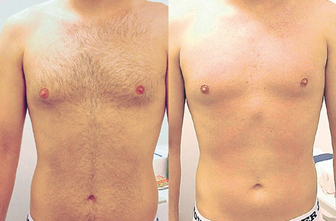
Laser hair removal is a medical procedure that uses concentrated beams of light to achieve long-term reduction of unwanted hair growth. During treatment, a laser emits light energy absorbed by the pigment (melanin) in hair follicles, converting to heat that damages the follicles and inhibits future hair growth. The FDA has cleared various laser and light-based devices for “permanent hair reduction,” defined as long-term, stable reduction in hair count after a treatment regimen1.
Unlike temporary methods such as shaving, waxing, or tweezing, laser hair removal offers significantly longer-lasting results. According to the Mayo Clinic, most patients achieve 50-80% reduction after completing a full treatment course of approximately six sessions2. The procedure works on virtually any body area, from small regions like the upper lip to large areas like the back or legs.
Laser hair removal ranks among the most popular non-surgical cosmetic procedures globally. The International Society of Aesthetic Plastic Surgery (ISAPS) reports that 1,487,130 laser hair removal procedures were performed worldwide in 2024, accounting for 7.2% of all non-surgical aesthetic procedures3. Modern technology has made treatment accessible for different skin types, though success rates and safety considerations vary.
Candidacy
The ideal candidate for laser hair removal has light skin with dark, coarse hair. This high contrast allows the laser to precisely target hair pigment while sparing surrounding skin tissue. However, advancements in laser technology—including Nd:YAG lasers with longer wavelengths—have made treatment safe and effective for darker skin tones when appropriate devices and skilled providers are used4.
Best candidates typically have:
- Dark, coarse hair (brown or black pigment responds best to laser targeting)
- Light to medium skin tone (traditional ideal, though modern technology accommodates diverse skin types)
- Realistic expectations about results (reduction, not permanent elimination)
- Commitment to completing 4-8 treatment sessions spaced several weeks apart
- Ability to avoid sun exposure before and after treatments
You may be less suitable for treatment if you have:
- Blonde, red, gray, or white hair (contains little melanin for effective laser targeting)
- Active sunburn or recent extensive sun exposure (increases risk of complications)
- History of keloid scarring or poor wound healing
- Certain medical conditions or medications that increase photosensitivity
- Uncontrolled hormonal disorders affecting hair growth patterns
The American Academy of Dermatology warns that laser hair removal can be dangerous in inexperienced hands, with risks including burns, permanent skin color changes, and scarring4. Choosing a qualified, experienced provider is crucial for safety and optimal results, particularly for darker skin types. When selecting a provider, consider researching cosmetic surgery hospitals and qualified doctors with specific training and experience in laser procedures.
The Procedure
Laser hair removal is performed as an outpatient procedure, typically in a dermatologist’s office, medical spa, or cosmetic surgery center. According to the Cleveland Clinic, treatment sessions can last from a few minutes for small areas like the upper lip to 30-60 minutes for large areas like the back or full legs5.
During treatment:
-
Preparation: The treatment area is shaved clean and washed to ensure optimal laser penetration. Some providers apply a topical anesthetic cream 30-60 minutes beforehand to minimize discomfort, though many patients tolerate the procedure without it.
-
Eye protection: Both you and the provider wear protective eyewear to prevent laser exposure to eyes, which could cause permanent injury. The FDA lists eye damage as a potential risk of laser procedures1.
-
Laser application: The provider uses a handheld device to deliver laser pulses to the treatment area. Most patients describe the sensation as similar to a rubber band snap or warm pinpricks as the laser targets hair follicles. Modern devices often incorporate cooling tips or cold air to enhance comfort.
-
Cooling and soothing: Many devices have built-in cooling systems to protect the epidermis. After treatment, the provider may apply a soothing gel, ice pack, or aloe vera to calm the skin.
-
Post-treatment care: Sunscreen application is essential immediately after treatment and daily thereafter.
The Mayo Clinic notes that most people need about six treatments for optimal results2. Sessions are typically spaced 4-6 weeks apart to allow hair cycles to progress, as lasers only target hair in the active growth phase (anagen). Approximately 10-25% reduction occurs after each session, with cumulative improvements over the full treatment series.
Recovery
Laser hair removal involves minimal downtime, making it convenient for busy individuals. According to the Cleveland Clinic, most patients return to normal activities immediately following treatment5. However, temporary side effects are common and typically resolve within hours to days.
Common post-treatment effects:
- Redness and swelling (typically last 30 minutes to a few hours, may persist up to 3-5 days)
- Mild tenderness or tingling sensation in treated areas
- Itching as hair follicles respond to treatment
- Temporary crusting or scabbing of treated follicles (less common)
Recovery timeline:
- Hours after treatment: Redness and swelling typically peak, then gradually subside
- Days 1-3: Treated hairs begin shedding naturally; this is a sign the treatment is working
- Week 1-2: Skin returns to normal appearance; noticeable hair reduction becomes evident
- Weeks 2-6: Progressive hair shedding continues; next session scheduled per treatment cycle
Post-treatment care recommendations:
- Avoid sun exposure and tanning for 4-6 weeks before and after treatments
- Apply broad-spectrum sunscreen (SPF 30+) daily to treated areas
- Avoid heat treatments (saunas, hot tubs, strenuous exercise) for 24-48 hours
- Skip waxing, plucking, or electrolysis between sessions (shaving is permitted and encouraged)
- Use gentle skincare products; avoid exfoliation, retinoids, or harsh chemicals for 1 week
- Apply cool compresses or aloe vera gel if discomfort occurs
Risks & Complications
When performed by qualified professionals using FDA-cleared devices, laser hair removal is generally safe. However, as with any medical procedure, risks exist. The American Academy of Dermatology emphasizes that laser hair removal can be dangerous in inexperienced hands, with potential complications including burns, permanent skin color changes, and scarring4.
Common temporary side effects:
- Erythema (redness) and edema (swelling) – most frequently reported, typically resolving within hours to days
- Mild itching or irritation as hair follicles respond to treatment
- Post-inflammatory hyperpigmentation (temporary darkening, more common in darker skin)
- Increased skin sensitivity to products and environmental factors
Less common but more serious risks:
- Burns or blisters from improper device settings, inadequate cooling, or incorrect technique
- Scarring, particularly with inexperienced operators or improper aftercare
- Permanent skin discoloration (hypo- or hyperpigmentation) especially in darker skin types
- Prolonged redness or inflammation lasting beyond expected timeframe
- Infection (rare, typically from scratching or picking at treated areas)
- Eye injury from improper protective eyewear or device malfunction
Risk factors for complications:
- Darker skin types (Fitzpatrick IV-VI) with higher susceptibility to pigment changes
- Recent sun exposure or tanning within 4-6 weeks of treatment
- Inexperienced or untrained providers without proper device training
- Inadequate cooling systems or improper device selection for skin type
- Certain medications or medical conditions increasing photosensitivity
- History of keloid formation or poor wound healing
The Mayo Clinic notes that choosing a board-certified dermatologist or appropriately trained provider significantly reduces complication risk2. Ensuring your provider has specific experience with your skin type and hair characteristics is essential for safety.
Cost
Laser hair removal costs vary widely based on treatment area size, geographic location, provider expertise, and number of sessions required. Since most patients need 4-8 treatments for optimal results, total costs represent a significant investment.
ASPS cost data (2024):
According to the American Society of Plastic Surgeons, the average cost of laser hair removal is $697 per treatment session6. Costs vary considerably by treatment area:
- Small areas (upper lip, chin, ears): $50-200 per session
- Medium areas (bikini line, underarms, face): $150-350 per session
- Large areas (back, full legs, chest): $350-900+ per session
Total treatment costs (assuming 6 sessions):
- Small areas: $300-1,200 total
- Medium areas: $900-2,100 total
- Large areas: $2,100-5,400+ total
Prices vary significantly by region, with urban areas and coastal cities typically charging higher fees. Some patients explore medical tourism destinations where costs may be lower, though thorough provider vetting remains essential. While cost is an important consideration, prioritizing provider qualifications and safety over the lowest price is advisable, given the risks associated with inexperienced operators.
Factors affecting cost include provider expertise (dermatologists typically charge more than medical spas), device technology, and geographic location. Insurance typically does not cover laser hair removal as it is considered a cosmetic procedure.
Results
Laser hair removal delivers significant, long-lasting reduction in unwanted hair, though results vary between individuals. The Cleveland Clinic emphasizes that results are not permanent but last considerably longer than shaving or waxing5. Most patients achieve meaningful, sustained reduction after completing a full treatment course.
Expected outcomes:
- After 1-2 sessions: 10-25% hair reduction (early signs of effectiveness)
- After 3-4 sessions: 40-60% reduction in hair density, noticeable thinning
- After 6-8 sessions: 50-80% reduction, with some ideal candidates experiencing up to 90% reduction
- Hair quality: Remaining hair grows back finer, lighter, softer, and less dense
- Duration: Results typically last 1-2 years or longer, with maintenance treatments periodically needed
Factors affecting results:
- Hair characteristics: Dark, coarse hair responds best; blonde/red/gray/white hair contains insufficient melanin for effective targeting
- Skin tone: Light skin with dark hair represents the ideal contrast; darker skin requires specialized devices but can achieve good results
- Hormonal factors: Conditions like polycystic ovary syndrome (PCOS) or hormonal imbalances can affect hair growth patterns and treatment outcomes
- Treatment adherence: Completing the full recommended course is essential for optimal results
- Device type and provider skill: Experienced providers using appropriate technology achieve superior outcomes
Long-term maintenance:
While laser hair removal significantly reduces hair growth, some regrowth typically occurs over time. The Mayo Clinic notes that maintenance treatments every 6-12 months help sustain results2. Even with regrowth, hair tends to be finer, lighter, and less dense than pre-treatment levels, making ongoing management easier and more convenient.
FAQ
Is laser hair removal permanent?
No, laser hair removal is not permanent, but it provides long-term reduction. The FDA has cleared laser devices for “permanent hair reduction,” defined as long-term, stable reduction in hair count after a treatment regimen1. Most patients experience 50-80% reduction after completing the recommended 6-8 session treatment course. Some hair may regrow over time, but it typically returns finer, lighter, and sparser. Maintenance treatments every 6-12 months help sustain results.
Does laser hair removal work on all skin types?
Yes, modern laser technology can safely treat all skin types, including darker complexions. However, different devices and wavelengths are required for darker skin to minimize complications. Traditional lasers worked best for light skin with dark hair, but Nd:YAG lasers with longer wavelengths now safely treat darker skin types (Fitzpatrick IV-VI)4. The American Academy of Dermatology emphasizes that provider expertise in treating your specific skin type is crucial for safety and effectiveness.
How many treatments will I need?
Most patients require 6-8 treatments spaced 4-6 weeks apart to achieve optimal results, according to the Mayo Clinic2. The exact number depends on hair density, treatment area size, hormonal factors, and individual response. Some areas may need additional sessions, while others respond adequately to fewer treatments. Providers typically recommend completing the full course even after visible improvement, as hair grows in cycles and lasers only target actively growing follicles.
Is laser hair removal painful?
Most patients describe laser hair removal as mildly uncomfortable, similar to a rubber band snap or warm pinpricks. Pain tolerance varies between individuals and body areas. Smaller, sensitive areas (bikini line, upper lip) may feel more intense than larger, less sensitive areas (legs, back). The Cleveland Clinic notes that topical anesthetic creams can minimize discomfort, and many modern devices incorporate cooling technology for enhanced comfort5.
What should I avoid before and after treatments?
Before treatment, avoid sun exposure, tanning beds, and self-tanners for 4-6 weeks, as recent tanning significantly increases burn and pigmentation risks5. Discontinue blood-thinning supplements like aspirin or ibuprofen (if medically permitted) 48 hours before treatment. Avoid plucking, waxing, or electrolysis between sessions, though shaving is encouraged. After treatment, avoid sun exposure, heat (saunas, hot tubs, intense exercise) for 24-48 hours, and skip exfoliation or harsh skincare products for one week. Always use broad-spectrum sunscreen (SPF 30+) on treated areas.
Are the results worth the cost?
For individuals frustrated with temporary hair removal methods, laser hair removal offers excellent long-term value. While upfront costs average $697 per session according to ASPS data6, the cumulative time, expense, and inconvenience of ongoing shaving, waxing, or other methods often exceed treatment costs over years. Results typically last 1-2 years with periodic maintenance, representing substantial convenience and improved quality of life for most patients. However, outcomes vary, and realistic expectations are essential.
Important Disclaimer
This content is for informational purposes only and does not constitute medical advice, diagnosis, or treatment. Laser hair removal is a medical procedure that should only be performed by qualified, licensed healthcare professionals using FDA-cleared devices. Individual results vary significantly based on numerous factors including skin type (Fitzpatrick classification), hair characteristics (color, coarseness, density), hormonal conditions, genetic factors, and adherence to treatment and aftercare protocols.
The American Academy of Dermatology warns that laser hair removal can be dangerous in inexperienced hands, with risks including burns, permanent skin color changes, and scarring4. Always consult with a board-certified dermatologist or qualified medical provider to determine if laser hair removal is appropriate for your specific situation. Discuss potential risks, benefits, costs, and realistic expectations before proceeding with treatment.
The information provided does not replace professional medical evaluation, diagnosis, or care. Never disregard professional medical advice or delay seeking it based on information from this website. If you experience severe pain, blistering, signs of infection, or other concerning symptoms after treatment, seek immediate medical attention.